
Vivienne (Sarah Jessica Parker) is a New York singer grateful to have made her living with music. She’s got a new album coming out and is embarking on a new tour, even if tickets aren’t selling as briskly as they used to. But a grim diagnosis from her doctor has her wandering around the city, lost in thought.
The whole movie takes place on this one bleak day. She’s introspective, pinballing between gratitude for the life she’s lived and regret for all the sacrifices she’s made in order to live it. A teenager daughter who’s been left in the care of her father (Simon Baker) is first among them. A visit from her critical, overbearing mother (Jacqueline Bisset) is ill-timed. Updates from her manager and her only real friend (Common) keep things in perspective.
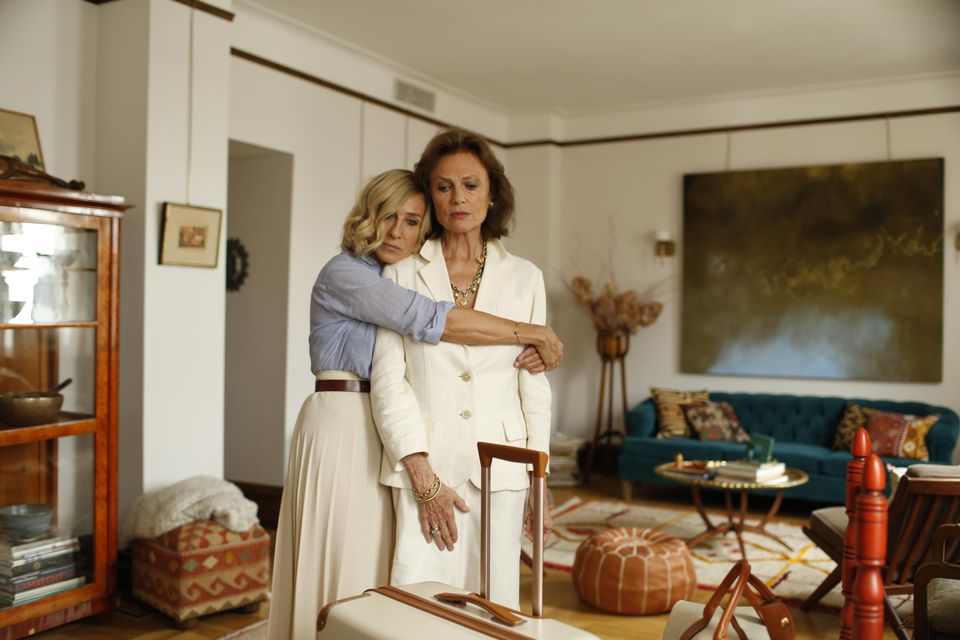
I actually kind of love movies like this, where we get to know a person very intimately on such a significant day. And New York City is such a great place for wandering souls, a beautiful backdrop for anguish and analysis. The pace is deliberately slow as Vivienne meanders around, mentally struggling to balance the demands in her life now that she’s staring down the barrel of her own mortality.
The film works best when its female characters are interacting, and evaluating the bonds between them. Other stuff works less well, which makes for a frustrating experience, since the movie is just too slow to allow for scenes that don’ work. But Parker is committed, and Renee Zellwegger makes a surprising and crucial appearance, so it’s not all bad. It’s just terribly uneven, which, in fairness, is probably true to any day on which you’ve just been told you’re facing an untimely death. But since you and I are going to go on living, we deserve to do it with better stories better told.





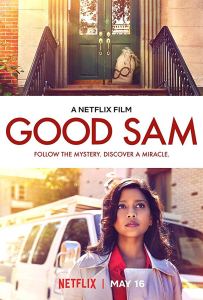 Kate, who started off reluctant to report on something so negligible, now has quite a story on her hands. And it’s not just that it’s something positive making the news for once. It’s the mystery of the thing. Who is this guy, who becomes known in the media as Good Sam, short for good samaritan, and why is he changing lives without taking credit? Kate is obsessed with but skeptical of the notion that someone might be doing good without expecting anything in return – is this naiveté, or wishful thinking, or a new kind of philanthropy set to inspire a whole city?
 slight edge. However, women really are a mystery and Mel Gibson really is an idiot, so at least that version made sense. Taraji P. Henson clearly knows how to handle men. Ali is a confidant, competent, sexy woman. So let’s not sit around pretending that she’s the problem in search of a mind-reading solution. What this movie should have been is How Not To Be A Misogynistic Asshole At Work (Or Ever!). And also: How Not To Group All Men Into One Disgusting Category. What’s that you say? Men like sports and cars and not talking about their feelings? How very 1958 of you.I mean, sure, those things describe Sean rather perfectly. But he also farts and eats a lot! I mean, that’s not ALL he’s good for. He also carries heavy bags and holds my credit card and orders for me in restaurants. Wait. What? The onslaught of unadulterated sexism in this movie has jumbled my brain. If only a man was around to write this review for me!
 matter how much sense it makes to her rational self, the heart is a stubborn muscle, and it often betrays common sense. There’s an early scene wherein Liz and Ted go dog shopping at a local shelter. She walks by some real cuties, including the unicorn of dog shelters, a real life golden retriever puppy, but she sets her eyes on a dog even I thought looked suspicious. “It’s going to tear her throat out,” I said, half joking. And then it turned aggressive a split second later. Liz is as good at choosing dogs as she is at choosing men.
 ASSHOLES WATCHING MOVIES