
Toy Story movies have always been darker than people give them credit for. In the first film, Buzz believes himself to be a hero stranded in a hostile environment. Turns out, he’s just a toy – everything he thought was real is a lie. He exists to be someone’s plaything, and Woody and the gang convince him that there’s dignity and even nobility in this fate, even if it strikes you and I as a kind of slavery, to exist merely at someone else’s whim, until you’re all used up, and then you’re disposed of. What a dizzying and disorienting concept; it’s no wonder Buzz literally gets depressed when he learns his true nature. In the second film, Woody literally contemplates his own mortality. His benevolent master Andy will one day tire of him, and worthless, he’ll be discarded. His friend Jessie really hammers this home with a heart-wrenching flashback of being abandoned at the side of a road by someone who once claimed to love her. Ultimately, Woody chooses to live as a toy rather than achieving a sort of immortality as a collector’s item; he’ll have a short but meaningful life rather than a long but insignificant one. What a choice. In the third film, Woody and the gang face the consequence of this choice: Andy goes off to college, and eventual abandonment becomes actual abandonment. Not only that, but the best friends are being separated, with Woody being doomed to spend his twilight years alone on Andy’s shelf, no longer a useful, loved plaything, but a mere relic of his past. Meanwhile, his friends are going to molder up in the dark oblivion of an attic. What cold comfort. Luckily, the toys are instead given to a little girl named Bonnie to live out a happy afterlife. Cue the fourth film.
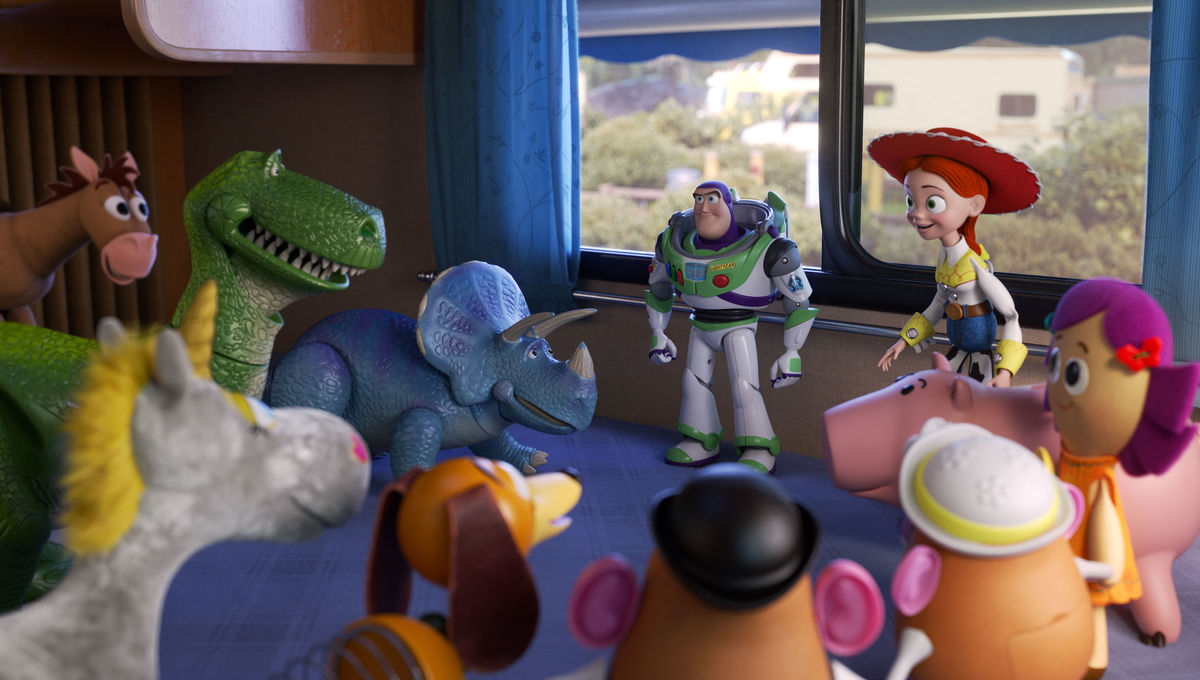
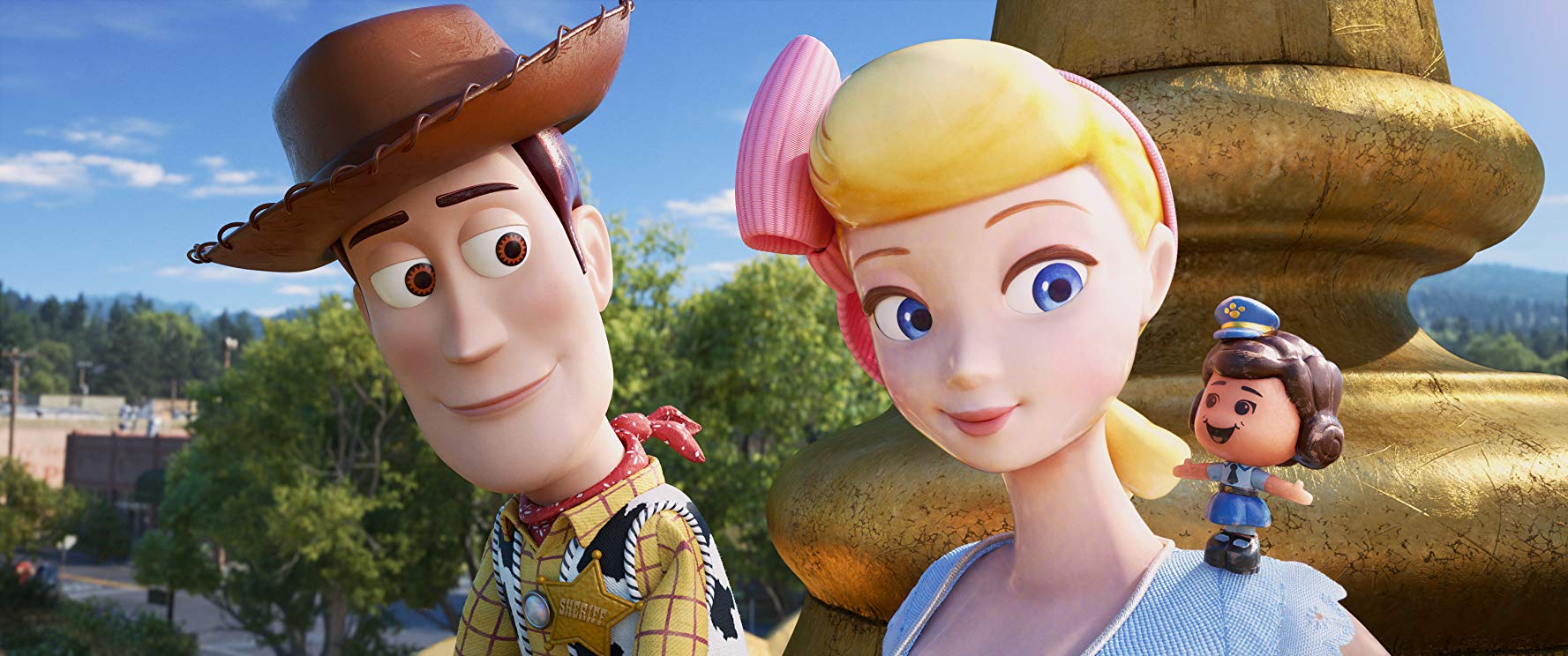
Woody (Tom Hanks) and pals are having a grand old time being played with by Bonnie. Sure, the little girl prefers cowgirl Jessie (Joan Cusack) over cowboy Woody just a tad, but still, it’s a good life, no complaints. Bonnie is starting kindergarten soon, and at an orientation session, she shows some initiative (fancy term for not following instructions) and makes herself a toy out of trash rather than a pencil cup out of art supplies. She brings her cherished new friend home and gives him a place of honour among toys. “Forky” is no more than a spork, some googly eyes, a pipe cleaner, and a broken popsicle stick, but he’s Bonnie’s new best friend, so Woody vows to keep them together at all costs. That’s going to be a problematic promise because a) Bonnie’s family is embarking on an RV roadtrip and b) Forky has some suicidal tendencies. Forky was never supposed to be a toy, you see. He’s trash. He knows he’s trash. Rather simple-minded and fairly spooked, all he wants more than anything in the world is to be trash once again, which is where he keeps launching himself. Woody keeps dutifully fishing him out, but one of these times he’s bound to get thrown out for good. It’s on one such rescue mission that Woody encounters an antique store where he thinks he may find an old friend/lost toy/love interest, Bo Peep (Annie Potts). We haven’t seen Bo Peep since the second movie, which was 20 years ago. Where has she been this whole time?

Bo’s been living free and wild as a toy with no owner. That’s essentially Woody’s worst nightmare but she makes it sound rather grand. Besides, Woody has a new worst nightmare: another antique store occupant, vintage doll Gabby Gabby wants his voicebox and she’s prepared to rip the stuffing out of his chest to get it. Yikes!
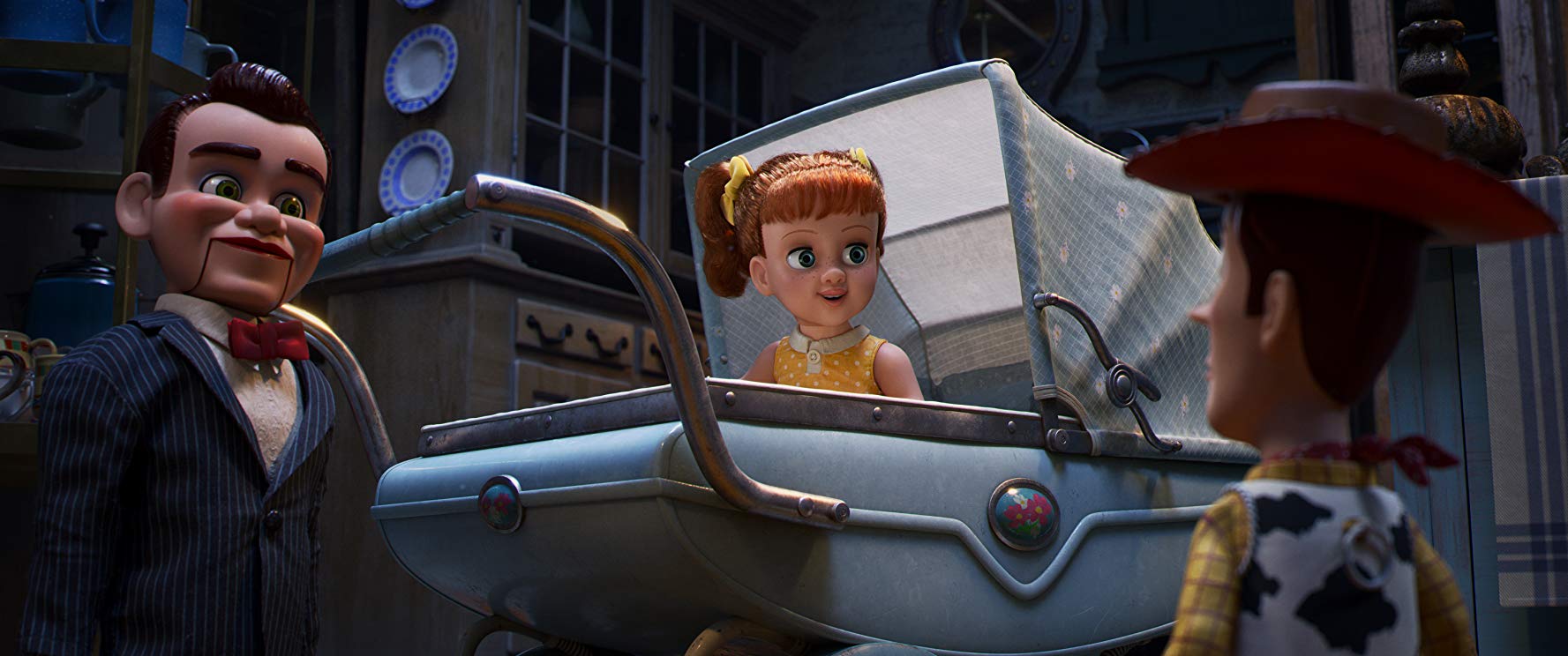
Structurallly, this fourth installment plays out a lot like those that came before it. There’s always some kind of separation, and then some kind of secondary rescue mission when the first one fails. These toys sure do get themselves into some high-stakes situations on an alarming basis!

It’s wonderful to see the cast of old friends: Bo looks shinier than ever, and Jessie’s hair has never looked yarnier. The animation on these films started out innovative and has only improved. And new friends are a hoot and a half: Forky (Tony Hale) is a walking, talking existential crisis, but the rendering of his pipe cleaner is photo realistic. Gabby Gabby (Christina Hendricks) was a dollie defective right out of the box, and her resulting failure to bond has really warped her. Duke Caboom (Keanu Reeves) is a Canadian daredevil who never lived up to his promise; he is haunted by his past, and by the kid who resoundingly rejected him. Ducky (Keegan-Michael Key) and Bunny (Jordan Peele) are two brightly-coloured stuffed animals attached at the hands. They’ve been unredeemed carnival prizes for far too long, and are a little unhinged. Officer Giggle McDimples, Giggs for short (Ally Maki), may look precious and pocket-sized, but she’s a force to be reckoned with, and fiercely protective of her road warrior partner, Bo Peep. All these new toys will come together in surprising ways to give our pal Woody one last big adventure.

Coming full circle with the original film in the franchise which was released 24 years ago, Toy Story 4 has Woody once again paired with a toy who does not believe himself to be a toy. Woody’s experiences with Andy, and now with Bonnie, position him to a real advocate for finding and fulfilling one’s purpose and embracing one’s destiny. Heartwarming and heartbreaking in almost equal measure (I cried twice before the opening credits were over, and then alllllll the way home), Toy Story 4 more than justifies its existence. But after the perfect send-off in #3, is #4 a necessary or worthy addition? As much as I looked forward to connecting with these characters again, I surprise myself by saying no. Toy Story 4 is a good movie, an entertaining one, a very sweet one, but I can’t help but wish they’d left it at a trilogy so that we could have one perfect, shiny thing in our lives.
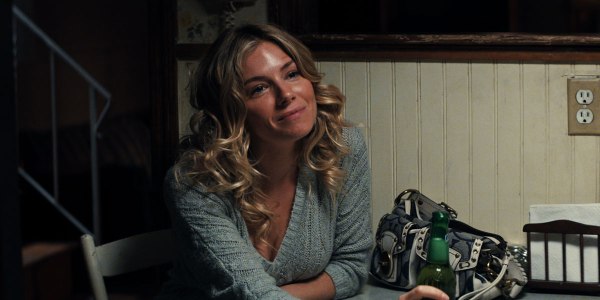 Because Deb is worth more than she even knows, which she stars to discover after her daughter fails to come home one night after a date with her basement-dwelling baby daddy. A loved one’s disappearance must be life-shattering. Miller lets us see the dissapearance’s drastic effects on Deb in such a restrained and measured way that Deb’s resulting character growth is organic, believable, and most impressively, almost invisible at first. Deb’s evolution is captivating, and the Deb we know by the end of the movie is at once the same core character and a woman whose outlook and attitude have evolved beyond anything I could have ever expected.
 school. Apparently debate is now mostly loud, fast shouting. Like auctioneer fast. The arguments are spit out in such a high-speed string that they are not even distinguishable. So it’s really not all that fun to watch. As in, not remotely fun, so I wonder if the director just invented the fast pace in order to basically fast forward the most boring parts of his movie. Which is not exactly a vote of confidence, is it?
 on and a standout) because, honestly, they’re almost always really stupid. The Strangers: Prey at Night is a very good example of “really stupid”, and that is about the nicest thing I can say about it.
 Maynard is shocked and disturbed, and after a night of drinking, he finds his old hunting gear and an ape mask, though they bring him little consolation. Cut to: the next morning, the small town’s abuzz: big foot is on the loose. It doesn’t take long for Maynard to connect the dots and realize HE’S the one they’re looking for, but he keeps that embarrassing information to himself and the legend grows.
 ASSHOLES WATCHING MOVIES