
I guess I keep thinking that if I watch this movie enough, I’ll finally understand it. I mean, I can follow the plot. It’s the tone that’s like monkeys throwing poop. It zooms between farce, romance, and drama. It’s from 2005 but feels a decade older. It uses and overuses montages and voice-overs to frost over the crumbly bits. And then it gets DARK.
 A woman, Helen (Kimberly Elise) is thrown out of her home when her philandering husband finally gets tired of her after 18 years. The pre-nup says she gets nothing. Helen is broken but her grandmother is there to put her back together – the grandmother being played by Tyler Perry, of course, in his first appearance as the famous Madea.
Even if you’ve never seen a Madea movie, you know that she’s loud and proud. Of course she is. Perry is hamming it up for all he’s worth. He knew this was his chance to spawn himself a franchise, and he did. A whole empire, in fact.
Tyler Perry is a talented man. I don’t love Madea the way some do, but it is refreshing to see every day families and strong women taking centre  stage. He writes what he knows. And Perry knows his audience too, an audience that Hollywood largely ignores. His movies routinely make $50M against a budget half that – it’s a rate of return you can’t ignore.
 Madea has her roots in a series of plays that Tyler Perry wrote and staged across the country. They were filmed and available on video for years before he got to make a movie. But after a string of successes, on the big screen and the small, now he’s got carte blanche. Good for him. He circumvented obstacles by doing it all himself and never compromised a principle.
 the “free state of Jones”, made up of deserters, runaway slaves, and women, and they start their own mini rebellion against the corrupt Confederates in charge. The soldiers have been raiding local homes, taking their “10%” (more like 90), but leaving large plantations untouched. These people aren’t exactly hard to convince which side will benefit them most.
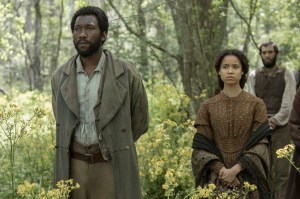 it lollygags from scene to scene, dwelling in weird places, then rushing through others. Perhaps Ross has simply bitten off more than he can chew, but you can see his good intentions shine through. What we need, though, is passion. It’s sadly lacking here. Even McConaughey’s strong performance is muddied by the white saviour characterization: Knight was a much more divisive figure.



 ASSHOLES WATCHING MOVIES