Tag Archives: documentaries

Dick Johnson Is Dead

Kirsten Johnson is a documentary film maker who is grappling with her father’s dementia and his mortality. With her mother already gone and her father slipping away piece by piece, she decides to confront his death head-on by filming him in the various ways he might die (a fall down the stairs, an air conditioner falling on his head, etc). Dick, who is visibly declining in health but still relatively sound in body and mind, clearly shares his daughter’s dark sense of humour. Having given up his independence, he lives with her and her children in a New York City apartment where every day a new death is enacted.
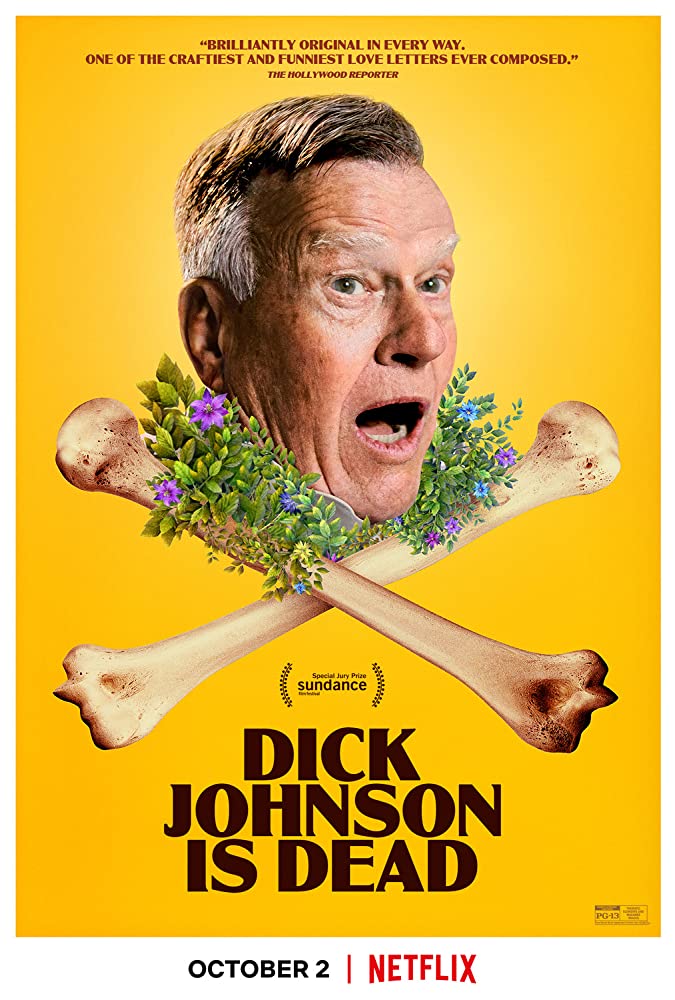
Kirsten Johnson finds the thought of her father to be very painful and almost surreal. Perhaps she is training herself toward that eventuality, familiarizing herself with the concept of his death, shocking her system into, if not acceptance, then at least preparedness. Dick Johnson still has some vigour. He is game for this experiment, less for himself and more out of a parent’s attempt to soothe and prepare his child, even if she’s already in her middle age. It’s a balm he can offer even as the balance of their relationship has recently been recalibrated. But during an elaborate staging of his funeral where tearful friends make testimony and tribute to Johnson’s life, it’s clear that he is moved, appreciative if sheepish of all the attention which is not usually lavished upon a man whilst he is still alive.

It took me a while to appreciate this documentary, as it felt so personal and self-indulgent. However, our culture is so afraid of death that we seldom approach it in such an open and honest manner, and it was refreshing to reflect on what mortality, legacy, and memory really mean, and what they’re really worth. Unfortunately, daughter Kirsten will not likely get to direct Dick Johnson’s death when it really does come. If anything, I hope this film is a reminder that death is rarely controlled and goodbyes should never be put off.
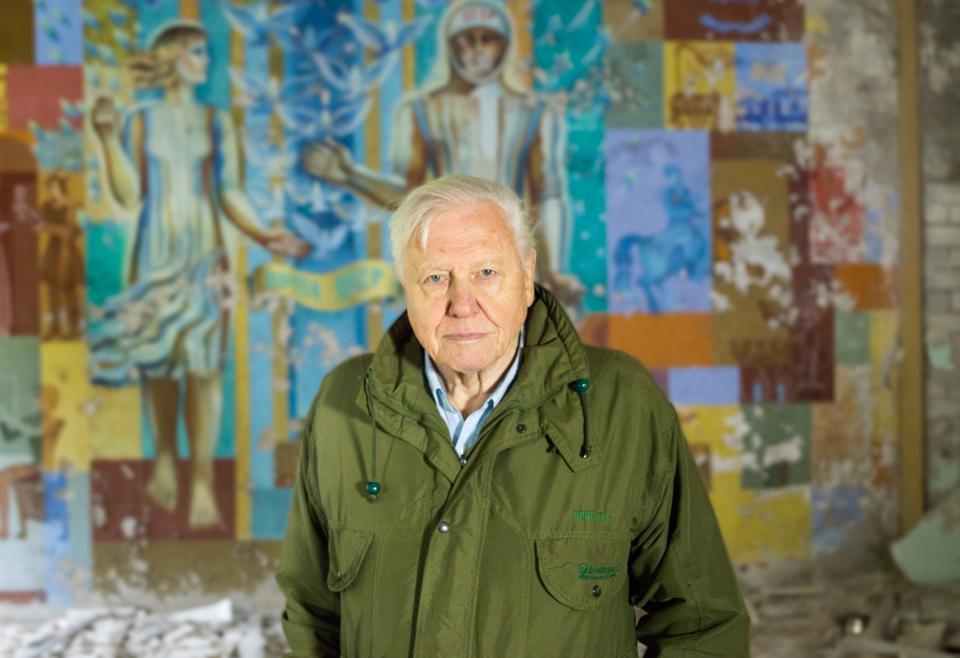
David Attenborough: A Life on Our Planet

For most of us, David Attenborough is the voice of nature. His soothing narration has taken us across the globe, from the coldest arctic waters to the hottest deserts to the wettest rainforests. The 93 year old Attenborough has spent his whole adult life exploring the world and documenting nature. During that time, he has seen drastic changes, and he has taken it upon himself to try to help us avoid an impending disaster.

Themes of conservation are not new to Attenborough’s documentaries but Netflix’s new A Life on Our Planet has no time for subtlety. Clearly, Attenborough feels he has no time to waste, which is less a function of his age and more an indication that catastrophe is imminent. Wisely, Attenborough’s warnings are interspersed with the beauty of our world, to show what is at stake and what could be saved or lost depending on which path we choose. Even better, Attenborough lays out a plan for saving ourselves, which he presents clearly and sells by pointing out that our planet is going to keep spinning, but our place on it is not guaranteed.

Unfortunately, Attenborough’s pleas will probably be dismissed by those who deny the changes that Attenborough, and all self-respecting climatologists, are documenting. Instead of ignoring the problem, I wish the deniers would be honest in their selfishness, and admit they don’t want to make sacrifices to preserve the future for coming generations. Of course, that would require them to admit they’re bad people, so I’m not holding my breath.

It is up to the rest of us to take action. A Life on Our Planet shows us how to do it, and more importantly, Attenborough reassures us that we can still undo the damage we have caused. A Life on Our Planet manages to be hopeful without minimizing the problems we face. It is a nature film that is about us, and it is a fitting capstone for Attenborough’s life work.

American Murder: The Family Next Door

If you have an appetite for true crime, this documentary newly released on Netflix will certainly serve as a hearty appetizer.

It’s a story you may already be familiar with: in 2018, 38-year-old Shanann Watts and her two young daughters disappeared in Colorado and since they were a typical suburban (and need I say, white) family, it made nation-wide headlines. You and I are no dummies when it comes to this kind of disappearance; we all know in which direction to look, and neither the cops nor this documentary waste time on any other perpetrator theories. Director Jenny Popplewell pulls together an impressive amount of footage taken at the time of the investigation (and of the investigation itself), and synthesizes it down to a watchable, digestible narrative. The one thing Popplewell can’t do is make sense of it. Technically, we do know the “reason” by the film’s end, but we can never be satisfied by it. It defies logic that anyone would think this was a good idea and it is immensely painful to know how incredibly unnecessary it was.

And yet, to me, the most intriguing part of the entire documentary is its title.

***SPOILERS***

American Murder

This has become such a frequent M.O. that we have now dubbed this the typical American crime.

Chinese checkers

Dutch oven

French kiss

Canadian bacon

Panama hat

American murder

More than half the time an American woman is murdered, it’s by her former or current romantic partner. In a third of those cases, it was right after a big fight. 15% of these women were pregnant.

Shanann’s partner was by all accounts a devoted husband and father. He provided for his family and said all of the right things. But around 2am on August 13 2018, Shanann is dropped off at home by friend Nickole, returning from a business trip they’d taken together. Footage from Shanann’s own doorbell camera is the last time she’s seen alive. Husband Chris claims they fought about his infidelity and the end of their marriage so he strangled her to death in anger. Her family maintains if that were the case, she would have fought back. They suspect he did it in her sleep. In any case, he wrapped her body in a sheet and loaded daughters Bella, aged 4, and Cece, 3, into the back seat of his truck along with their mother’s body and drove off before the sun was up, just a few short hours later. He buried his wife’s body near his job site, and then quickly killed his daughters as well, dumping their little bodies in an oil well. He had recently met a woman and wanted to be unencumbered to start a new life with her. Shanann was a little over 4 months pregnant at the time of her death.

Considering divorce is also very much an American way of life, it’s impossible to understand why Chris went with any other option, let alone one so gruesome.

He will spend his life in prison for the murder of his wife, their 2 daughters, and their unborn child.

Also spending his life in prison: a homeless man who procured two dime bags ($10 each) of marijuana for an undercover police officer who promised him a $5 commission. Five bucks: the price of a cheap meal. Marijuana: a substance that is legal or decriminalized in many states, and is actually sold by the government in Canada and elsewhere.

Two life sentences, one white perp, the other black.

American justice.

TIFF20: 76 Days

An unidentified and unidentifiable young man is crying, begging to see his father one last time. The mourner is indistinguishable from his comforters as they all wear the same fully encapsulated protective garments. His father is already being wheeled toward a temporary morgue, his corpse zipped up in a special HAZMAT body bag, his remains a possibly infectious hazard that will be cremated unceremoniously in the nearest facility. There will be no last embrace.

We are in a hospital in Wuhan, China, the capital of Hubei Province and home to 11 million people. This is where COVID-19, first known simply as the coronavirus, or severe acute respiratory syndrome coronavirus 2 (SARS-CoV-2), was first identified as a cluster of viral pneumonia in late December 2019. Wuhan entered lockdown on January 23 2020, with WHO declaring it a public health emergency of international concern a week later, and a pandemic by March. Wuhan’s lockdown was an unprecedented bit of grace that would allow the rest of the world to prepare; it would be followed by lockdowns in many other countries the world over.

Wuhan stayed in lockdown for 76 days, and many hospitals, including this one, were simply overwhelmed by 50 000 cases of a disease they didn’t yet know how to treat. The need quickly outstrips the capacity. Doctors and nurses in thrown-together, inadequate PPE are shouting at panicked crowds of sick people, trying to get them to come in only a few at a time, hardly equipped to handle both the people and their ailments. A special ward for COVID patients was quickly separated from the rest, where fear bubbled, and impatience, loneliness, sorrow – not just the patients, but the doctors and nurses who are also locked down, isolated from their families, risking their lives to treat an unknown, highly infectious disease with a higher than average rate of death.

Directors Weixi Chen and Hao Wu try their best to tease out a few narratives from the chaos, but the film is actually at its best when the scenes are random, the pace urgent, its subjects on edge. Loud speakers throughout the city announce lockdown rules to empty streets; “Don’t create or spread rumours,” they say, with no one there to hear them. A bin full of cell phones belonging to the dead sits on a nurse’s desk, some of them still ringing.

It’s incredible that the film makers were able to piece something together so quickly, something that may one day serve as a primary document of this historical event, and even though we are still very much fighting this war and don’t yet know how or if it will end, I was on the edge of my seat watching it unfold at ground zero, where it all began. It is raw, emotional, desperate. It is a human and humane portrait of these troubling times.

For more documentaries about our response to COVID-19, please join us here.

TIFF20: The Way I See It

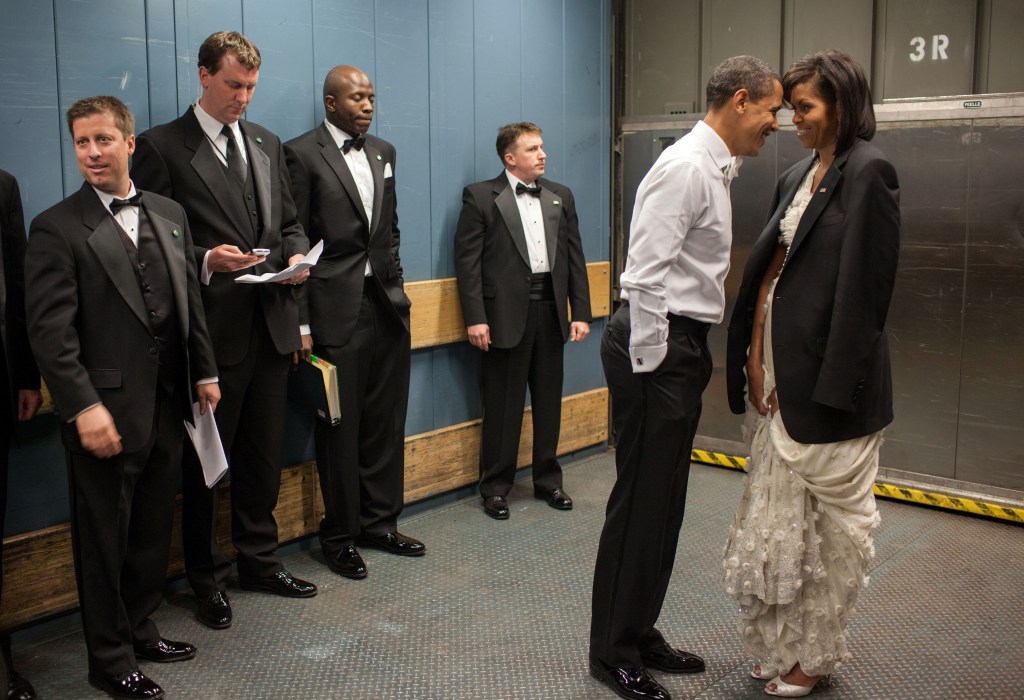
As the chief White House photographer for all 8 years of Obama’s presidency, taking intimate candid portraits of the president at work (and very, very occasionally at rest), Pete Souza has developed (photography pun!) some very solid ideas for how a president should behave.

Having also taken pictures of Reagan back in the day, Souza felt himself to be largely apolitical. He didn’t always agree with the decisions his subjects were making, but his job was to document their days, not comment on what he saw. And he never did. Top secret clearance and all that jazz.

As you can imagine, over the course of 8 years, with unprecedented access to the First Family, Souza has a bank of memories from his time with Barrack Obama, and he’s also got thousands upon thousands of photos. The two formed a friendship as close colleagues often will. Souza respected him as a man and admired him as a president.

But it wasn’t until Obama left office and you-know-who moved in that he truly started to consider how a president should behave. What a president should be seen doing. How the president’s image was a reflection of the country as a whole, and what damage it did not just to citizen morale but on the world stage as well, when a president continually insulted the very office they were elected to represent.

Pete Souza is not a politician. He’s not a public speaker or a talking head. He makes pictures, and those pictures quietly became his method of protest. Every time Trump would tweet something inane, and you know he’s spent nearly 4 years outdoing himself in the verbal diarrhea department, Souza would reply with a photograph of Obama looking dignified, personable, intelligent, presidential. He didn’t need to be any more pointed than that. The comparison was disheartening. And so over time, he has found a voice through his pictures, and a platform through Instagram. His followers call him the King of Shade, and after someone explained to him what throwing shade meant, he embraced the title and took the work even more seriously.

Dawn Porter’s documentary is a fun watch because of all the touching behind the scenes moments Souza shares with us. Obama’s absence has left a vacuum where gravitas and grace once belonged. Souza is filling that hole just a little bit. But more than that, his photos are a constant reminder of how a president can and should act.

The Social Dilemma

Should you delete all of your social medias right now? That’s the only relevant question here and YES is the only answer. For many people, though, that’s easier said than done, and most won’t even try, despite this film’s very credible, very convincing reasons. Namely that social media is having a measurably dangerous impact on our culture. It’s spying on you, it’s invading your privacy, it’s selling your soul to the highest bidder, and it’s turning the whole world into a machine meant to change your behaviours – obviously so that you spend money on products being pitched to you, but ultimately you yourself are the product, and the ability to change your real world behaviour (without even triggering your awareness, mind!) is being sold to whomever will pay – dirty politicians and their Russian counterparts, say. And fake news proliferates on a site like Facebook, and spreads 6x faster than the true stuff. Because truth is relatively boring, and lies are exciting, and can lead you down a rabbit hole, sucking more and more of your attention. So while you might give a true headline 3 seconds of your time as you scroll on by, fake news can mean you follow one link to another to another, which means that compared to 3 seconds, fake news just got 3 hours of your attention, which convinces the AI that you like this type of thing better, maybe even believe it, so it will recommend even more of them to you.

Cutting the cable isn’t so easy, though, when the software’s been designed specifically to addict you so that their algorithm can mine and extract your attention.

This film is teaching us to think critically about the apps we use and the content they contain. Capitalism is the real pandemic of our age, and if you’re not paying cash for the apps you’re using, you’re paying in some currency you don’t know about, without your consent. Social media sites use powerful AI to suggest the exact right material to you at the exact right time, presented in the way that’s most likely to catch your eye, keep your attention, and ultimately convert you. They’re implanting thoughts that will affect how you vote, what you support, how you interact with people. This is really scary stuff and the strongest vaccine is information, and a good dose of it can be found right now on Netflix.

TIFF20: The New Corporation: The Unfortunately Necessary Sequel

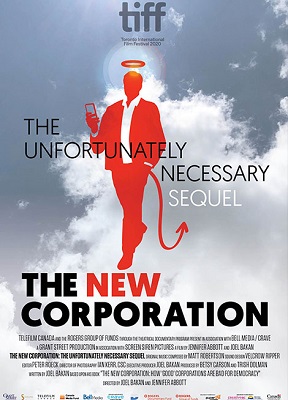
In the first 5 minutes of the film, I’ve already heard at least 3 words that made me seethe: marketized, economization, financialized. Directors Jennifer Abbott and Joel Bakan are clearly frantic to establish themselves as a credible source, editing in ten dollar words and professor speak to blunt us into submission. Considering you sufficiently dazed, they move on to the second step of their totally necessary sequel: patting themselves on the back.

In their first doc, The Corporation, they compared corporations to psychopaths and they cannot wait a second longer to tell you about it or to line up people desperate for screen time to testify in their favour – “watershed moment,” they might say, “cultural touchstone,” and all the bullshitty words that don’t mean much. Did they hurt corporations’ feelings? Not bloody likely.

Today many if not most corporations appeal to our social consciousness by claiming to do (some) good. Dove is pretending that it loves your body just as it is while selling you products to change and improve it. Hotels claim they’re saving the environment by not washing your sheets but what they’re actually saving is time and money. Apple is encouraging people to vote but they have more money than the US treasury and only pays 2% tax on its profits so to them, it doesn’t really matter who you vote for because they already own Washington either way.

“Corporate responsibility” is a marketing ploy to trick you into thinking it cares, and that your consumerism is somehow for a higher good, but the “cult of shareholder value” is only getting more real, and nothing else besides lining their pockets ever matters.

The New Corporation wants to hold your hand, look deep into your eyes, and tell you the following newflash: corporations secretly want to make money. They like tax cuts. They hide money in tax havens. Was the first film this smug? I don’t even think Michael Moore himself sounds this self-righteous. It’s actually giving me a sour stomach.

Many of my favourite films this TIFF have been documentaries, but not this one. I can spot companies acting out of self-interest just as easily as I can spot a cash-grab sequel that offers very little in the way of new information.

TIFF20: MLK/FBI

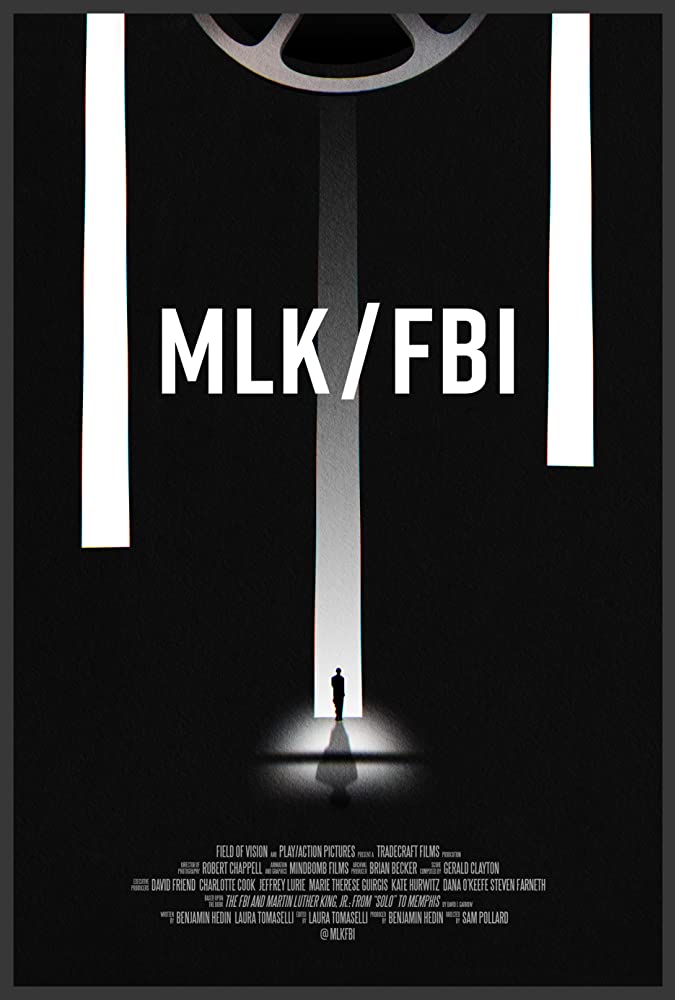
In the 1960s, Hoover and the FBI surveilled Martin Luther King Jr hoping to expose secrets to humiliate him publicly and weaken his authority.

That intelligence has just now been declassified, and Sam Pollard’s is the first film to confront their surveillance and harassment of the man they labelled “the most dangerous negro in America.”

With interviews from Andrew Yong, Clarence Jones, James Comey, and more, the documentary is more factual than entertaining but it does invite you to wonder about the surveillance tapes themselves, due to be unsealed in 2027, and how they may affect a great man’s legacy.

Nothing altogether shocking is revealed in the documentary, but we do get a fuller picture of the complexity of the emotional toll on King knowing the FBI was threatening to discredit him. We also get a staggering sense of just how many resources were devoted to suppressing a single dissent who advocated for nothing but peaceful protest. Not only that, Pollard navigates the government’s continued targeting of not just King but other Black activists as well. Their failure to provide King with adequate protection seems, in context, to not only be egregiously neglectful but a strategic and convenient choice.

Rising Phoenix

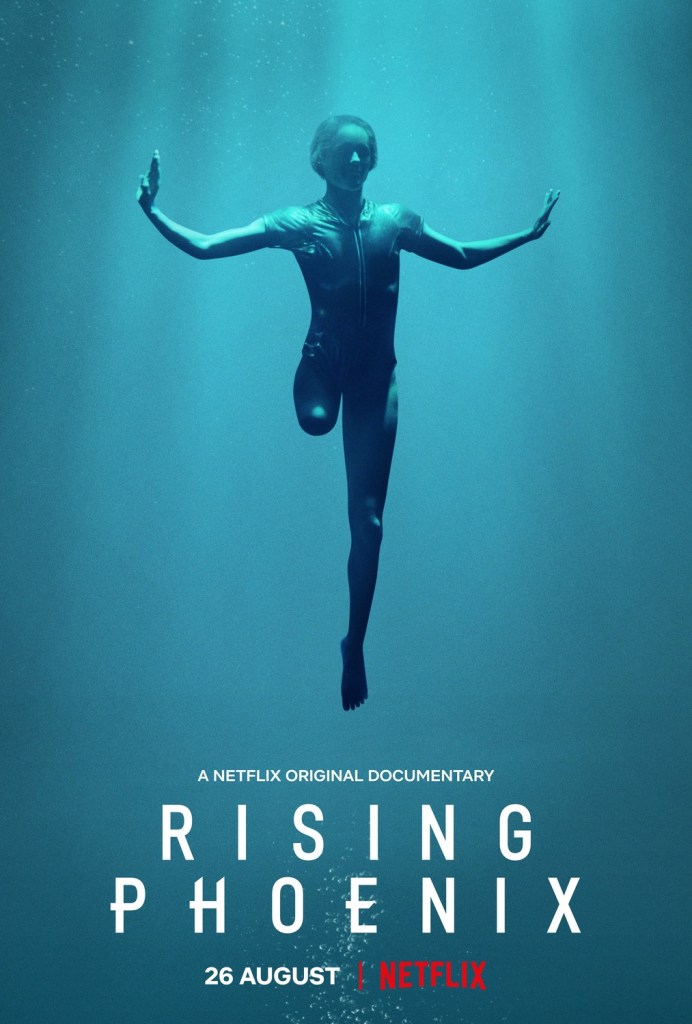
Dr. Ludwig Guttmann worked in a hospital with British WW2 veterans with spinal chord injuries. He quickly realized that some of the best physical therapy for their healing, both physically and mentally, was sport. In 1948 he organized the International Wheelchair Games. By 1960, no longer open solely to war veterans, the games were dubbed the Paralympics, held in Rome, with 400 athletes competing from 23 countries. Though the games were held for wheelchair-bound athletes, the “para” in Paralympics is not a references to paralysis, though that’s a common misconception. It was compound word formed to indicate that these games would run parallel to the Olympic games, and every year since 1960 they have taken place in the same year. In 1976, athletes with different disabilities were included for the first time. Able bodies all look the same, but disabled bodies can be disabled in so many different ways. The Paralympics can be broken down into 10 eligible impairment types: impaired muscle power (such as paraplegia), impaired passive range of movement (impairment of a joint), limb deficiency (amputation), leg length difference, short stature, hypertonia (reduced ability for a muscle to stretch), ataxia (lack of coordination), athetosis (involuntary movement), vision impairment, and intellectual impairment (the Special Olympics are also for children and adults with intellectual impairments, but it’s for building community and enriching people’s lives through sport no matter their skill level; the Paralympics are for world-class athletes). For many years now, the Paralympics have taken place in the same host city as the Olympics, almost immediately following them, and using the same facilities.

This documentary covers two major wings of the Paralympic experience:

  1. We hear from members of the International Paralympic Committee – Xavier Gonzalez, Philip Craven, Andrew Parsons talk about issues that have threatened the games such as subpar conditions in Atlanta, poor attendance and coverage in Athens, Russia’s refusal to host them at all in 1980 because they “had no disabled people” in Russia, and most recently, Rio’s Olympic committee running out of money before the games and stealing from the Paralympic pot to cover the Olympic expenses.
  2. We hear from the athletes themselves: Jonnie Peacock, the 100m runner who beat Oscar Pistorius; Bebe Vio, a beautiful young woman with no limbs whatsoever who still managed to win gold in wheelchair fencing; Jean-Baptiste Alaize, who survived a genocide to compete in the long jump despite losing a limb to a machete; Ryley Batt, who must be at least a little crazy to ram himself around the brutal court of wheel chair rugby; and many more besides. Everyone has an incredible story, but the athletes seem to appreciate that when they are competing, the sport becomes the story rather than the origins of their disability. The games are not about disability, but about people who have super abilities despite any impairments their bodies may have.

I was fascinated to hear more about the incredible people who work so hard to make these games happen and to learn not just how much they mean to the people who train so hard to compete into them, but to the rest of us, who have our notions of disability challenged when we see people competing at the top of their game. At the top of anyone’s game, frankly speaking.

Prince Harry, or the Duke of Sussex rather, at least at the time of filming, chimes in as the founder of the Invictus Games, which ironically have gone back to Dr. Guttmann’s original concept, giving wounded and sick veterans the opportunity to rehabilitate with the power of sport. We will likely be seeing more of him and wife Meghan since they’ve decamped from the palace to become Hollywood producers, signing an exclusive multi-year deal with Netflix to produce whatever kind of inspirational content they deem fit, be it documentaries, docu-series, feature films, scripted shows or children’s programming – and quite possibly all.

While Harry adds a little something, he’s probably the least compelling subject, despite his title or notoriety. These athletes are more than enough reason to tune into Rising Phoenix, which is inspiring without even trying to be.

Hope Frozen: A Quest To Live Twice

Matrix wanted a younger sibling and was thrilled when little sister Einz was born. Einz means love, and she certainly was. But brain cancer ravaged her little body, spreading faster than her father, Dr. Sahatorn Naovaratpong, a Buddhist scientist, could research the disease that was robbing him of his beloved toddler. That’s why he and wife Nareerat chose what they did: cryo-preservation. Moments after she died, before even her third birthday, a team was there in her home to start the freezing process, and her preserved brain was sent to America for as long as it might take to find both a cure for her cancer and a way to regenerate her body.

Let me be clear: this is a documentary. This is a real family from Bangkok. You may already be familiar with their story, because at the time little Einz was the youngest person in the world to undergo cryogenics. Their story made international headlines and scandal wasn’t far behind – some angered that they’d taken the place of god, others worried for her soul, worried she’d be unable to find peace, and others still wondering what her life would be like should she wake up some vague time in the future when everyone she once knew, even if she remembered them at all, would be dead.

Sahatorn knows that the science will not catch up to him in his lifetime, so he’s bequeathed this rather large burden to his son, Matrix, in the hopes that he will continue down the scientific rabbit hole of bringing his baby sister back to life.

I’m not going to judge these people because obviously the pain of losing a child is unbearable yet must, sometimes, be borne. And I do understand, all too well, the yearning, the need, to have someone back.

Director Pailin Wedel does a great job of rounding up experts, from those that believe death is merely a problem to be solved, to those who see it as an ascension to the afterlife, but the heart of the film is with the family as they grieve a little girl who, to them, is not quite dead.