
When it comes to sports movies in general, and cheer leading ones in particular, we’ve seen the gamut: we’ve seen big, decisive wins, tragic near misses, hard-earned second places, and undeserved firsts. Canadian-born director Christy Garland shows us the side rarely seen in movies but always there in real life; she shows us the losers.
 In Cheer Up, we meet Finland’s second-worst cheer leading squad. On the heels of a humiliating loss, Garland explores what it takes to keep going in the face of defeat. Where will the girls find motivation? The documentary follows three of the women in particular – coach Miia, and team members Patu and Aino. We soon realize that their struggles and failures are not just confined to the gym. Miia’s personal life is on the rocks, Patu is grieving her mother while her father impregnates a new girlfriend, and Ainu follows the highs and lows of first love, and all the teenage angst that comes with it.
Actual cheer leading is quite minimal in the film, but team practices tend to be full of  tears, tumbles, and bloodshed. Miia travels to the cheer leading mecca of the world, Texas, to seek inspiration but finds that their aggressive, winner-takes-all spirit just doesn’t translate back home.
The sum of all these parts is a stark look at the emotional toll of constant failure. Cheer Up isn’t just a title, it’s an admonition. These girls are the bleakest, saddest, most serious cheer leaders you’ve ever seen. Smiles are a scarce commodity. Despite their lack of success, Garland never loses respect for her subjects. The young women are shown to be complex, thoughtful, and strong – a big stretch from the sport’s usual Texas-sized cliches of empty  pep and ponytails. It’s refreshing to remember that not everyone goes home with a trophy. For these women, and many others, success will have to be defined elsewhere.
This movie premiered at the Hot Docs film festival in Toronto; this review first appeared at Cinema Axis, home of many more excellent Hot Docs reviews.
 wonderful documentary. Its gorgeous cinematography looks better than most features do. Better yet, as likeable as her subjects are, Nayar resists the urge to portray Arile and Matambo as one-dimensional inspirational symbols and doesn’t try to hide the fact that these are real and flawed human beings. She makes them easy to relate to and impossible not to root for.
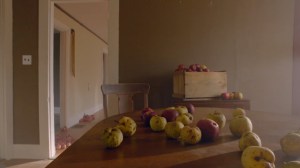 Wider and Wider have used Bishop’s case to exemplify the broader problem of how mental illness is addressed both in medical and justice settings, but also take the time to ask intelligent questions regarding individual rights. Because Linda Bishop was in fact an individual: a mother, a sister, a gardener, a knitter, a reader. She died tragically, needlessly, but in life, when she was well, she was vibrant and engaging. Wider and Wider treat her with dignity, and are able to do so in large part because of detailed journal entries she left behind at the time of her death.
 what her last days would have looked like with truly stunning, poetical cinematography rare in a documentary. Hopelessness and beauty intermingle, making for some stirring if haunting images. Did I sometimes find it a little pretentious? Sure I did. But even an Asshole like me can admit and admire when a documentary is trying to elevate itself. Combined with her journal entries read aloud, these images make her story all the more personal. God Knows Where I Am is both an intimate portrait and a rousing call to action.
 ASSHOLES WATCHING MOVIES