
In the summer of 1968, Joy (Elizabeth Banks) finds herself pregnant again, and it’s a surprise at her age, and considering her daughter is nearly grown. Her body isn’t prepared for it either, and the strain on her heart will likely kill her should she see the pregnancy through. That doesn’t stop a panel of doctors from rejecting her bid for a medical abortion so her only option is whatever’s on the end of an anonymous phone call to a number she got from a flyer.
Joy’s call goes through to the Janes, a group of women dedicated to helping other women in need. Headed by Virginia (Sigourney Weaver), this group of ordinary women believes very urgently in a woman’s right to choose what’s right for her body, no matter the reason for termination. But even their best efforts can’t make abortion available to everyone; abortions still cost money, and the doctor they have on call isn’t here out of the goodness of his heart. Joy meets the Janes seeking her own abortion, but she stays to help provide them for others.
The Janes were a real-life network of hard-working suburban women (in fact there’s a documentary about them at the festival this year) running an underground abortion clinic in Chicago.
Director Phyllis Nagy wrote the screenplay for Carol, so she’s well-versed in period pieces that tell a bit of feminist history. Call Jane doesn’t have the same dreamy gloss as Carol; it’s a cause and a story rooted underground, and it wears its grit with pride.

This isn’t a perfect film but the cast tries hard to tell the story with dignity. It’s the kind of film that inspires a swell in one’s heart – at least until you consider that though this film is set over 50 years ago, there are still plenty of women who don’t have access to abortions today, their bodies subject to the whims of men, their health and lives valued at less than that of a clump of cells. The film ends on a note of triumph – Roe v. Wade has made them obsolete, so they disband, satisfied to pass the baton. But that happily-ever-after didn’t last, not in real life. Let that sink in as the credits roll.
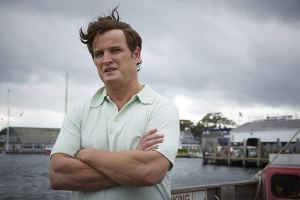 The film follows the despicable events that follow: Kennedy’s obsession with minimizing the consequences to himself while painting himself as the victim. He assembles a whole team of men willing to lie and spin the story in his favour. Not a single one of them sheds a tear for the woman who died alone in the dark backseat of Kennedy’s submerged car.
 War is hell, but returning from war is really rough too. As we’ve realized the devastating effects of PTSD and how severely it has affected an entire generation of American soldiers, war movies have more frequently shown us the human effects of conflict. In my view, that is a welcome and long overdue change. I was somewhat apprehensive going into Megan Leavey, because I feared that it would try to glorify or justify the invasion of Iraq. That’s a non-starter for me because there was no legal basis for the invasion or occupation, and no glory to be had over there. You will never convince me that it was a good idea for the U.S.A. (and not just them) to send hundreds of thousands of troops to a no-win situation in the Middle East. Many of those troops didn’t come back and those that did were never the same.
 ASSHOLES WATCHING MOVIES