Category Archives: Jay

Montana Story

Estranged siblings Cal and Erin return to the ranch where they grew up. Their father is dying; he wasn’t a good man so neither needs a tearful bedside goodbye, they’re more keen to bid farewell to the land they once loved, the horse they used to ride, the housekeeper who’s kept in touch.

Cal (Owen Teague) and Erin (Haley Lu Richardson), once close, no longer speak, their troubled childhoods breeding resentment rather than unification. But this death watch provides the opportunity to finally come to terms with what they’ve lost, and who they’ve blamed. Their father is a footnote, beyond redemption, but the relationship between the siblings, each the other’s only remaining family, could be saved if only they can overcome their regrets, sadness, disappointment, and the space that has grown between them for the past seven years. Joining their vigil are Ace (Gilbert Owuor), a philosophical nurse from Nairobi, and beloved housekeeper Valentina (Kimberly Guerrero), a Native American whose family has worked the land longer than the dying man has owned it. Originally a lawyer, the slimy kind who helps corporations pillage the land, he bought the ranch and subsequently ran it into the ground; the bank only awaits his death to repossess it.

This is a quiet movie done right. Directors Scott McGehee and David Siegel understand intuitively that silence can be meaningful, can express things that too hard to say. Quiet moments can be healing as well, when done subtly, suggesting peace, or comfort. The directors let the dreamy Montana landscape become its own character, letting it fill not just the outdoor scenes, but every window and open door inside as well. Unlike The Power of the Dog, which is also set in Montana, this film actually filmed there, and they use the land to teach us about the characters – who respects it, who’s in awe of it, who’s afraid of it, who will use it up for profit.

Cinematographer Giles Nuttgens captures the natural beauty, but also helps to show that even wide open spaces can feel oppressive. In the end, when the body has been bagged, the nurse moved on to his next patient, the siblings packed up and gone their separate ways, only two things remain: the mountains, and Valentina. She and her family have cared for and protected the land for generations, and will continue to provide it stewardship through the comings and goings of many white families who treat the land as something they can own, and ranching as merely a hobby. American Indians have seven tribal reservations in Montana, home to a dozen tribes, including Blackfeet, Sioux, and Chippewa, on tiny slivers of land mere fractions of the land they once occupied. They are the real Montana story, the enduring one. This white family, with all its history and heartbreak, are but a blip.

Montana Story is an official selection of the Toronto International Film Festival 2021.
The Box (La Caja)

The Box is subtly heartbreaking.

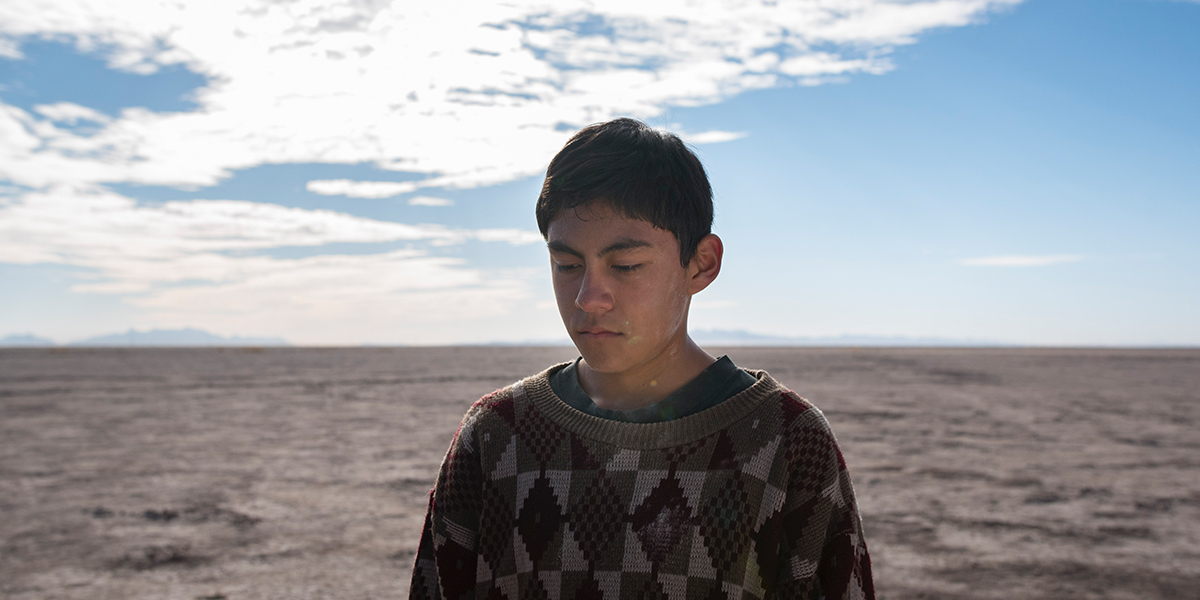
Hatzín (Hatzín Navarrete) rides the bus from his Mexico City home all alone, though he’s still just a young guy; there’s a sick grandma at home, and a dead father’s remains to collect, and unfortunately, Hatzín’s got the job. His father, long estranged, is one of many victims of a mining accident. His remains fit into a small metal box. But before Hatzín can leave town, he sees a man in the street he’s sure is his dad. Mario (Hernán Mendoza) insists that Hatzín is mistaken but Hatzín will not be dissuaded. He shadows Mario until Mario reluctantly relents, taking the young boy under his wing, feeding and sheltering him, and putting him to work.

Hatzín is a very dedicated little acolyte; he clearly hasn’t had a father figure around in a while, maybe ever. But the thing about Mario is that his affable exterior is a front for the shady business he conducts. Mario recruits labour for the region’s factories, and takes kickbacks for providing people too desperate to have carefully read the contracts they sign. Now Hatzín does it too, but an up-close look at an ugly business may upset the bond so easily made.

Although The Box says a lot about the seedy underbelly of Mexico’s manufacturing industry, it does so simply by showing its realities. It does the same for the strange and shaky bond between Hatzín and Mario; of what, exactly, does it consist? And whether Hatzín is blood to Mario or simply adopted kin, what hypocrisy exists in the man to apply one set of ethics to family, and another to the people he condemns to mean kind of servitude. Hatzín is young but Mario thinks nothing of giving him a hard-knock education in the very ugliest corners of his business. Considering Hatzín’s age and need and aloneness in the world, it’s hard to say whether he’s a victim or a perpetrator. But knowing what he’s been through, you root for him. Director Lorenzo Vigas keeps relationships vague but is unflinching when it comes to corruption.

The Box was filmed in a factory in the border town of Ciudad Juárez where many young women in the region have disappeared. As much as we feel for Hatzín, we can’t help our eyes and hearts being pulled toward the nameless many being marched into buildings only the lucky will escape.

La Caja is an official selection of TIFF 2021.

The Starling

Lilly and Jack Maynard are going through hell. Their baby girl died about a year ago, and Jack (Chris O’Dowd) has suffered a break down, attempted suicide, and has been hanging out in a psychiatric hospital ever since, unable to shake his depression. His wife Lilly (Melissa McCarthy) gardens. She works too, and commutes to visit her husband, and takes care of the house, and generally does her best to get on with a life that imploded around her.

The Starling is about finding that little spark, that one reason to keep going when everything feels impossible, even if it means leaving everything else, or someone else, behind.

Melissa McCarthy does wonderful work as a childless mother, an almost widow, a woman who is dangerously untethered but deprived of the usual expressions of grief. With her husband casting himself as primary mourner, Lilly’s left to grasp at the leftovers, never one to ask for much. Yet she, too, is in pain. And that pain always manifests itself one way or another. Nothing stays buried forever. But with the help of an aggressive bird and a sagacious veterinarian (Kevin Kline), Lilly is reminded that all we need is a little hope. Hope is everywhere, it can be so small, tiny even, found sometimes in the strangest and most unexpected of places, but the trick is: you have to be open to it.

Director Theodore Melfi takes on the greatest loss that we know as humans: that of a child. We can intuitively understand that such a loss opens up a sink hole of sadness, but unless we’ve been sucked down ourselves, it’s impossible to truly understand its depths. What’s more, we don’t have any practical advice for pulling someone out. It must be terrifying to be down there, and even scarier when a couple falls down separate holes. But despite this heaviest of topics, The Starling has an uplifting momentum, thanks in part to a wonderful cast, and of course the indominable spirit of woman.

The Starling is an official TIFF 2021 selection.

It is scheduled to be released in a limited theatre run on September 17, 2021, prior to streaming on Netflix on September 24, 2021.

Encounter

Well that was unexpected.

Director Michael Pearce takes a sci-fi action thriller road trip movie and subverts your every expectation, giving us panicky thrills of another kind.

Malik Khan (Riz Ahmed) is a Marine who’s been working back to back top-secret missions, too busy saving the world to see his sons, who live with their mum and her new husband, but miss him dearly, as much as he misses them. Malik shows up unexpectedly, in the night, and coaxes his young songs Jay and Bobby into an old beater, impatient to get away but unwilling to explain the urgency to his kids. Something has happened, something more important than the mission, apparently, or rather: the mission has come home, way too close to home.

Malik’s secret: a comet has brought alien microorganisms to Earth, which use mosquitos as an effective little vector to transplant themselves into humans where they can manipulate their behaviour. Unbeknownst to the kids, though perhaps unconsciously observed, the aliens had already infected their mother, and it was only a matter of time before she turned. So Malik and Jay (Lucian-River Chauhan) and Bobby (Aditya Geddada) are racing toward a base where they will be safe, while, in the meantime, their mother has reported them missing, and Malik is being hunted for kidnapping, not least of all by the only woman he trusts, Hattie (Octavia Spencer).

As much as Malik tries to shield his kids from the truth, they are spooked by his erratic, unexplained behaviour. They trust and love their father, but until someone else speaks publicly about this alien threat, it’s hard to be certain of his motivations, or, indeed, his mental health.

Riz Ahmed is kind of amazing in this, a chameleon who’s already changed before we even realize he’s changing. The kids are good too – Chauhan proving an able foil and partner to a much older and experienced actor, and Geddada providing that essential dose of cute-kidness, moments of levity needed between so bouts of tension and urgency. It’s an interesting way to address PTSD, and an even more interesting way to explore that tenacious bond between child and their parent, the unique ability of a kid to forgive and forget almost anything, to love despite disappointment, despite absence, without condition. There aren’t many people who could shake me awake at night and ask me to follow them without question (and my father is emphatically not one of them); the context may be unusual, but this is undoubtedly a story about love. And aliens.

Encounter is an official selection of the Toronto International Film Festival 2021.

Encounter hits theatres December 3 for a limited release before heading to Amazon Prime on December 10th.

The Guilty

Well damn.

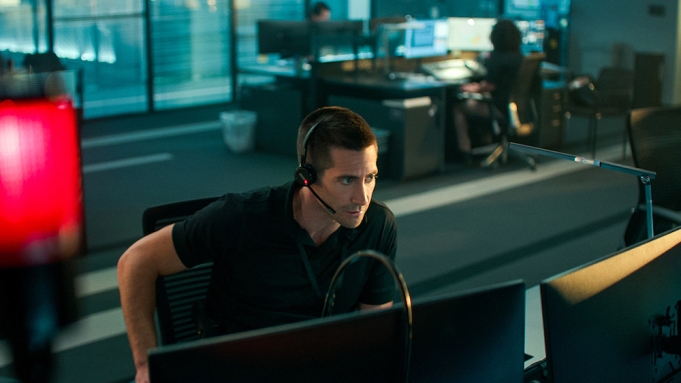
Jake Gyllenhaal plays Joe, a disgraced cop who’s been busted down to dispatch duty, manning the 911 desk until he can clear his name. On his last shift before he’ll get his day in court, he takes a call that will change his life.

On the other end of the phone, Emily whispers platitudes in a wavery voice, as if to a child. Joe nearly hangs up on her before sensing something fishy. Staying on the line with her, he establishes that she’s been abducted and her captor believes she’s on the phone with her daughter. Careful to ask only yes or no questions, Joe teases out her general location (albeit in a moving white van), her status, and a working theory of what’s going on. He notifies California Highway Patrol, but they’re busy handling wildfire calls. Emily is choking with fear, begging to be saved, and some part of Joe responds. He’ll break protocol to go above and beyond for her, risking his job and his hearing tomorrow to bring Emily home safely, where 6 year old daughter Abby and baby Oliver wait – alone.

You might argue about what movie made Tom Hardy a star, but the movie that confirmed his talent as an actor was undoubtedly Locke, a film that only stars him, just a man driving a car alone at night, talking through a crisis on the phone. Jake Gyllenhaal does the same here. It’s just him and his headset, obsessed with solving this case without even working it, perhaps unconsciously looking for redemption, definitely influenced by longing for his own young daughter and estranged wife. Every call that a 911 operator picks up has the potential to be this call. It’s high-stakes, high-stress, high drama. Joe decides to involve himself, to over-involve himself, to save this woman without leaving his desk.

The Guilty is Gyllenhaal’s best role since Nightcrawler, and it has to be in order to work. It’s just him: the sweat on his brow, his nervous fiddling with an inhaler, his increasing frustration with everything and everyone unrelated to this case.

We’re experiencing this call nearly in real time alongside him; the tension is very real, but Joe’s got to handle this with one hand tied behind his back. He’s technically done his shift. He’s definitely out of bounds. He’s calling in favours he can’t afford. And though he maintains an outward calm, his anxiety is manifested in shallow breaths and a refusal to retreat. We stay with him, often right up in his face, chasing bad guys and demons. My heart was in my throat. I don’t think I let out a single breath until the end of this tidy 90 minute movie.

We were about 20 minutes into the film when I suddenly realized that I’d seen it before, an admission that surprised Sean considering we were watching its world premiere. In fact, it’s a remake of a Danish movie also called The Guilty, a movie I quite enjoyed, according to my review. I enjoyed the remake just as much, if not more. Director Antoine Fuqua knows how to how to build tension, how to hold tension, how to release it for just a blink before taking it up again, only harder, longer, more intense. As you can imagine, it doesn’t relent during the film’s entire runtime, and both we the audience, and Joe the weary dispatcher, begin to come undone. Joe, at first overconfident and a little arrogant, begins to fray as this case goes through its twists and turns, confronting him with his own flawed ego.

Sean was less enamored with the film, frustrated by its limitations, by action never seen. Your appreciation of this film will vary according to your tolerance for incredible acting and taut, tense story-telling. Sean would have preferred car chases and explosions. Maybe boobs. Well, definitely boobs. Always boobs. I, however, was totally hypnotized by Gyllenhaal’s performance, dizzied by Fuqua’s directing, which makes clear how personal Joe has come to take this case. Fuqua’s material is normally much more action-oriented, but for The Guilty he keeps it intimate, while still finding the suspense, the edge-of-your-seat stuff that keeps us riveted, sick with anticipation, imaginations fueled by adrenaline. Gyllenhaal’s performance is informed by terrific voicework by Ethan Hawke, Riley Keough, Peter Sarsgaard, Bill Burr, Paul Dano, and little Vivien Lyra Blair, who is formidable. But on set, Gyllenhaal was alone, tethered by his headset, giving essentially an 11-day monologue. On screen it translates to an instant connection, an immediacy fostered by savvy editing, a film that drags you in and won’t spit you out until all the cards are on the table.

The Guilty is an official selection of the Toronto International Film Festival.

It will have a limited theatrical run on September 24, 2021, prior to streaming on Netflix on October 1.

The Devil’s Drivers

Hamouda and his cousin Ismail are Palestinian Bedouins living in the town of Yatta. With few ways to make a decent living, they offer a unique taxi service, driving Palestinian workers across the Negev desert to a southern gap where Israel’s border wall hasn’t been finished. Or smuggling Palestinian workers, I should say, as this is technically extremely illegal. If caught, everyone in the car will go to jail. Both driver and passenger is risking his life to feed his family. Neither sees any alternative.

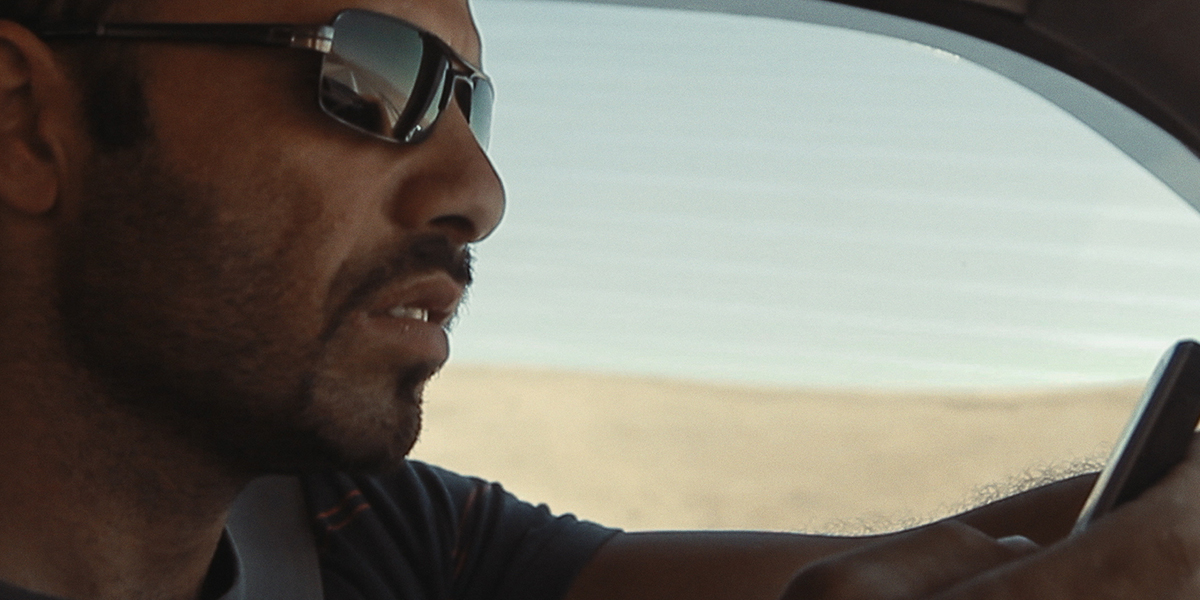
Documentary filmmakers Mohammed Abugeth and Daniel Carsenty spend eight years in the passenger seat, capturing these dangerous drives with a sense of urgency many will liken to a 1970s car chase, but for these men, the stakes are real. They drive stealthily, obscured by clouds of dust, they live suspiciously, paranoid that neighbours may be spies, they work reluctantly, carefully evading the military but always fearing getting caught; they survive precariously, living amid hostilities.

At the end of the day, these are just regular men, with homes and children and jobs they don’t like. Living under occupation has taken its toll, and Abugeth & Carsenty deftly capture what it’s like to exist under such difficult circumstances, to try to be a decent guy – a day who comes home to play with his kids, a neighbour who still waves hello, a brother still dutiful to his family. Life in Palestine is rough. Living and working in a pressure cooker changes you. Hamouda and Ismail won’t be the same men when this film closes.

Abugeth and Carsenty work well together, bringing a full and authentic picture of the human condition flailing under such conditions, yet persisting, irrepressible.

The Devil’s Drivers is an official TIFF2021 selection.

Scarborough

A rural farming township since 1850, Scarborough became the easternmost borough of Metropolitan Toronto in 1953 but grew to be such a busy suburb it became its own city in 1983 – only to amalgamate once again in 1998 into the present City of Toronto, though it remains a distinct, fully urbanized and diverse cultural community. A popular destination for immigrants, it is home to many religious groups and places of worship. It is still the greenest place in Toronto, but it is also the poorest. More than half of residents are foreign-born, and nearly three-quarters are visible minorities. It is a neglected neighbourhood, with fewer of the city’s resources being diverted toward its infrastructure, education, etc, purposely forgotten because of race and class. This is the space in which the film Scarborough and its characters exist.

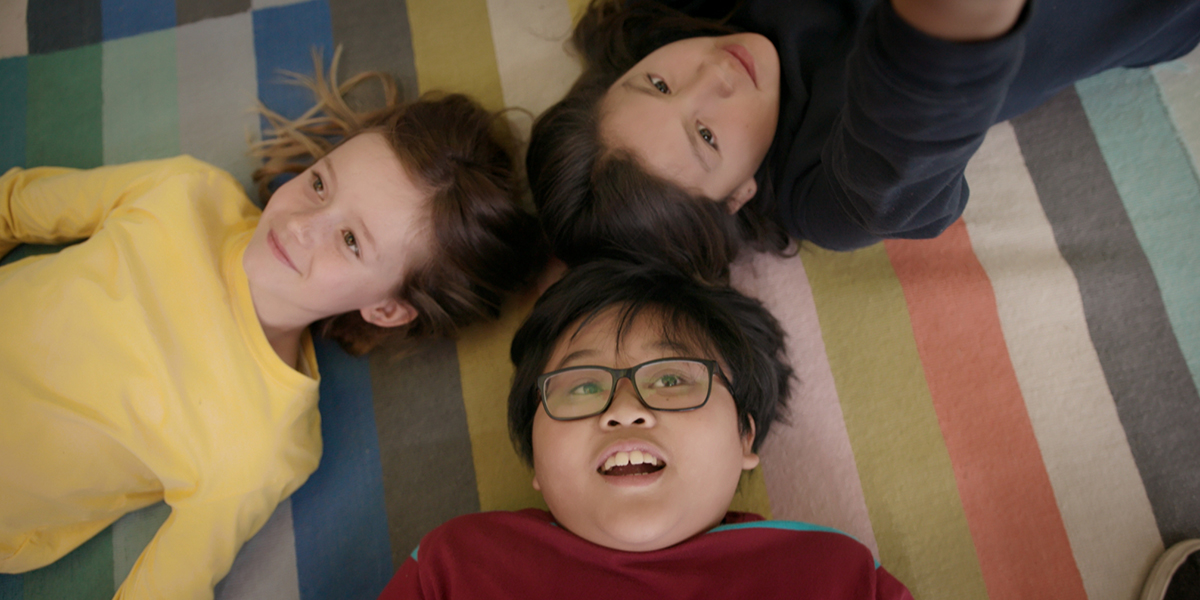
Three kids meet in a Family Literacy program in their school. Free breakfast is the biggest draw for these kids and their parents, but while there, the program’s teachers emphasize good parenting techniques and reading as a family activity. The program’s directors arrogantly presume that these children have fallen behind because of poor parenting rather than housing instability, unemployment, the demands of special-needs children, English as a second language, inadequate nutrition, racial inequalities in the education system, and other important risk factors. Social factors are outside their purview, so they are roundly ignored even when clearly an obstacle to a child’s development.

Luckily for these three friends – Bing (Liam Diaz), Sylvie (Essence Fox), and Laura (Anna Claire Beitel) – they see each other more clearly than any government agency, social worker, or teacher ever well. They’re just kids, learning to read, yes, but also learning to cope, to fit in, to survive. Bing and his mother fled abuse in the middle of the night. Laura gets shuttled between an addict mother and an angry father, and Sylvie tries not to be forgotten between her autistic brother and disabled father.

Scarborough moved me. These kids go through so much, grow up so fast, and yet all they desire is a friend and a piece of candy. Their wants are so modest that it breaks the heart to see them disappointed time and again, to see them failed by the very people meant to protect them. The film isn’t accusatory, though. That would be futile. Instead, it invests in a generation tasked with saving itself, with somehow escaping the cycle of poverty while being forced to run its gamut.

The filmmakers have done a wonderful job generating authenticity and empathy for its characters while showing them with nothing but the dignity they deserve. The casting is particularly commendable as most are non-actors and yet the kids are natural and charming despite some really tough topics.

Scarborough will sit in my heart for a while. It’s a beautiful film, both visually and spiritually, and brave for making its world premiere in the heart of Toronto itself, at the Toronto International Film Festival.

The Power of the Dog

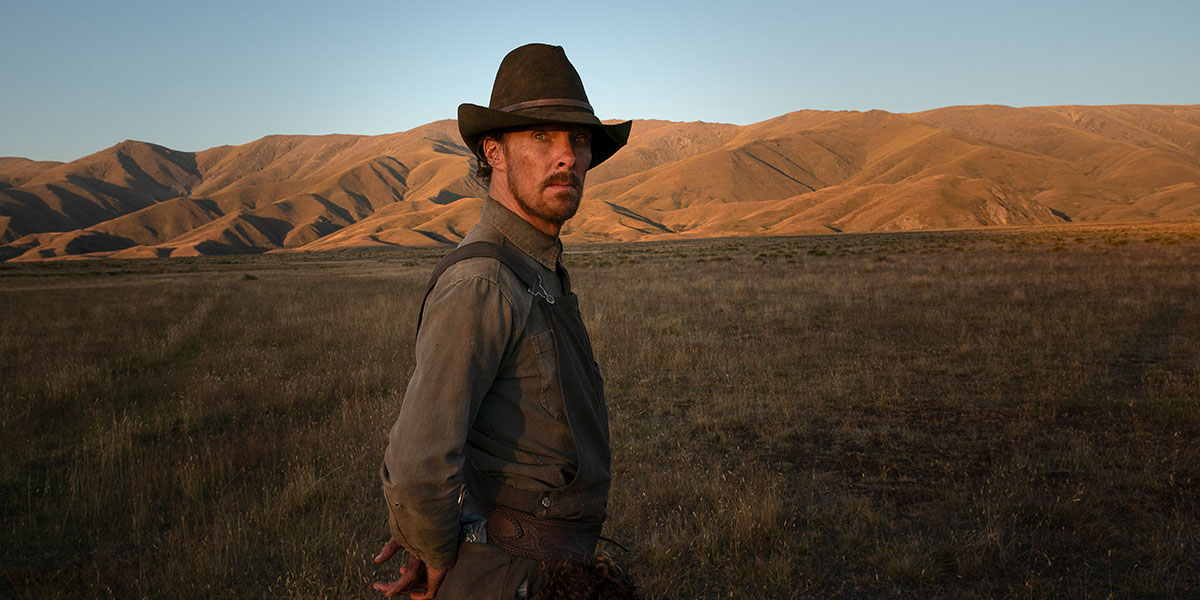
Rose (Kirsten Dunst) is a widow running a dusty little restaurant in the middle of nowhere, Montana, 1925. She has a gangly, sensitive son named Pete (Kodi Smit-McPhee) with an interest in medicine and a fondness for flowers. One night, a bunch of crude and rowdy cowboys come in for supper. Their bosses, ranch owners Phil and George Burbank, are brothers you’d swear were from different mothers. George (Jesse Plemons), the more mild-mannered of the two, wears a literal white hat. Phil (Benedict Cumberbatch), is the mean one, the man with the sharp edge, who eggs on the cowhands as they verbally abuse Pete as he waits on them. Pete dissolves into nervous ticks, his mother dissolves into tears. Tender-hearted George checks in on them and one thing leads to another – pretty soon he’s confessing to brother Phil that he and Rose are married.

Rose’s life at the ranch isn’t a happy one. Phil is determined to make her life miserable, and Rose wilts and regresses under his misathropy and mistreatment. Husband George, clueless when it comes to women, tries to cheer her up with a piano she can’t play, and social engagements that are more of a burden. The Burbanks are gentleman farmers, which George embraces, well-dressed in bowties, hands kept clean, nothing but gentility for him. Phil, meanwhile, has no time for baths because he’s too busy riding the land, castrating the bulls, and bullying everyone in his vicinity. With Rose turning to bourbon to escape her unhappiness, tensions are about to get even worse with Pete about to join for his summer break from med school. His delicacy makes for an easy target on the ranch, and seems to bring out a particular cruelty in Phil.

Writer-director Jane Campion may not seem like the obvious choice for a film about toxic masculinity, but trust that she is a master story-teller and will get the job done. The Power of the Dog may be a little slow to start, but the tension Campion builds is powerful, even uncomfortable. From the moment Cumberbatch punches a horse in the face, you know without a doubt that something terrible (well, more terrible) is going to happen. There’s a certain fatalism about it; with every character that’s hiding something, repressing or sublimating something, we feel that tension tightly coiled and ready to spring like a predator on its prey.

Campion digs deep into their psyches, and a talented cast goes a long way in helping her establish bits of torture and trouble roiling beneath, but it’s never what you expect. Though Phil despises weakness, it can sometimes be an asset, hiding things in plain sight. This is also a metaphor for the film, the way it creeps up on you, even though you’re expecting it, even though you see it coming, it will still surprise you.

Dunst and Plemons are very good in this, their real-life romance lending authenticity to their quiet, couply moments. The film, however, comes down to the strange, complicated, and antagonistic relationship between Peter and Phil. Peter brings out the worst in Phil, he triggers something in Phil that he seems powerless to ignore. Smit-McPhee plays Peter meekly, deferring and often cowering to Phil, but also seeming to understand something essential about Phil that no one else can see. And although this is not the kind of role Cumberbatch is known for, he finds so many nooks and crannies in Phil that he makes him a truly compelling, almost charming, character. He’s educated, and cultured, but he prefers to walk around in stinking chaps, with testicle juice caked around his fingernails. His misanthropy seems automatic, his cruelty instinctual, and yet when no one else is around, we see a softer side of Phil, a side he takes great pains to keep secret. Yet somehow Cumberbatch can take those two sides of the character and make them feel both at home in the man who always remains a bit of a mystery, perhaps even to himself.

The Power of the Dog implies that everyone has a tormentor, and Campion delights in dangling them with astonishing talent and assured mastery. I can’t wait to see it again.

The Power of the Dog is an official selection of TIFF 2021.

It is scheduled to be released in an Oscar-qualifying, limited theatrical release on November 17, 2021, and then heads straight for Netflix on December 1. It is already a Best Picture front-runner so catch it any way you can.

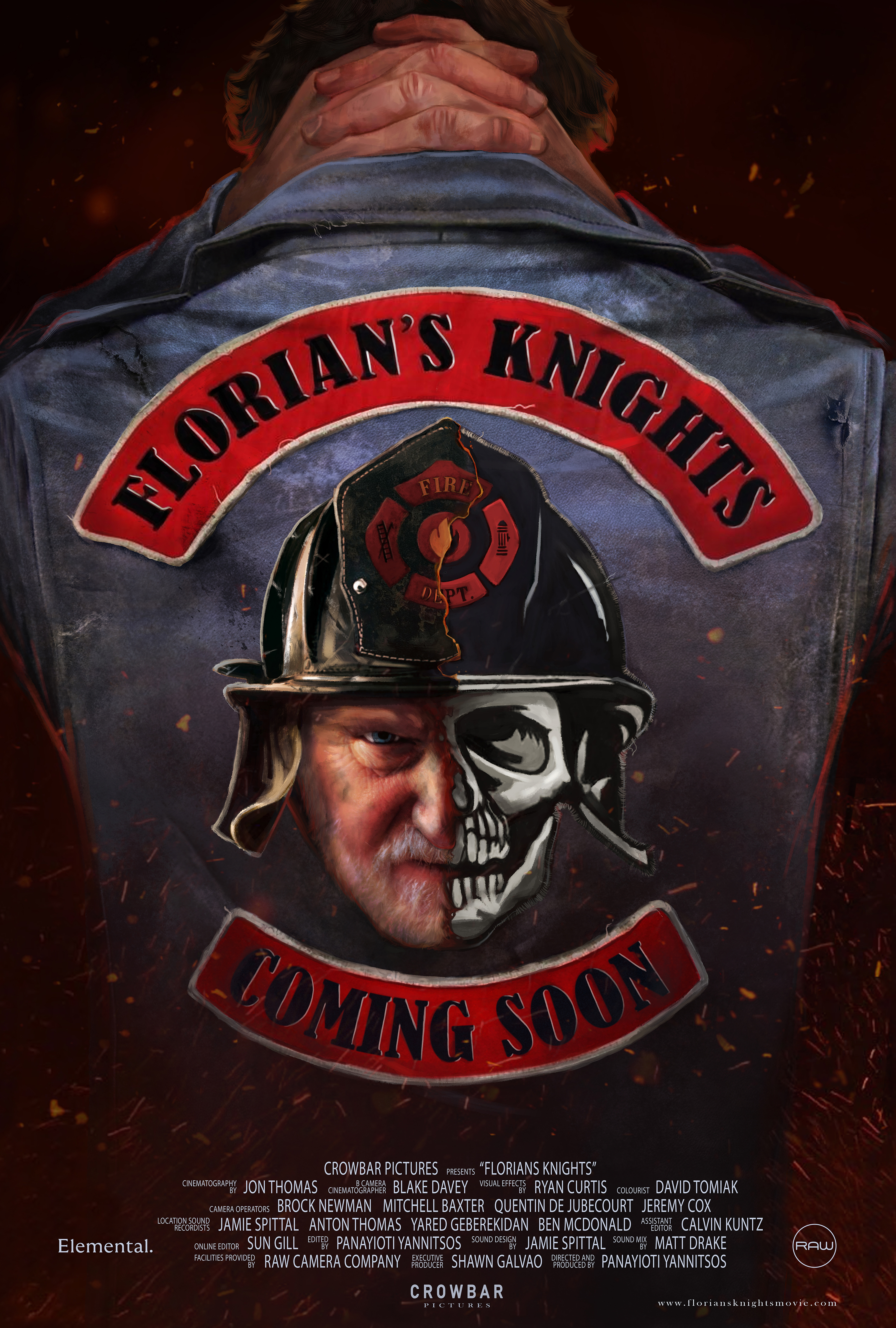
Florian’s Knights

In director Panayioti Yannitsos’s new documentary, a bunch of firefighters in New York City, Toronto, Detroit, and Vancouver discuss the difficulties of working this job. As first responders, they’ve seen some shit, the worst of which is difficult if not impossible to ever forget. They bring those disturbing images and experiences home with them, intentionally or not, colouring their entire lives, affecting time spent with family. For a long time, the mental health aspects of the job just weren’t discussed. They attended each other’s funerals, never mentioning the word suicide but knowing what it was nonetheless. The post-traumatic stress is real, whether it’s named or diagnosed or not. This job takes its toll.

This documentary offers up an interesting cure. Florian’s Knights is a motorcycle club for firefighters. “Wind therapy,” one of them calls it. There’s something about the quiet and peace of the open road that allows them the time and space to process the pain and foster brotherhood with people who actually understand. [Florian is the patron saint of firefighters, fyi]

Silence and solitude have been the default and dominant methods of ‘dealing’ with the demands of the job for as long as holding a hose has been someone’s job. Finally, this club offers up the chance to actually express themselves in a safe space where family and work don’t have to be separated. It’s a solution they found themselves, and by offering new chapters to fire departments in different cities and countries, it seemed Florian’s Knights were likely to be a healthy alternative for battling the effects of PTSD.

Except not all motorcycle clubs are created the same, and some have an incredibly long history of violence and criminality. Once associated with the Hell’s Angels (in part by wearing 3 piece patches, emblematic of outlaw MCs), Florian’s Knights flounders. What will happen to men who have nothing else if this is taken away? Who wins?

Mothering Sunday

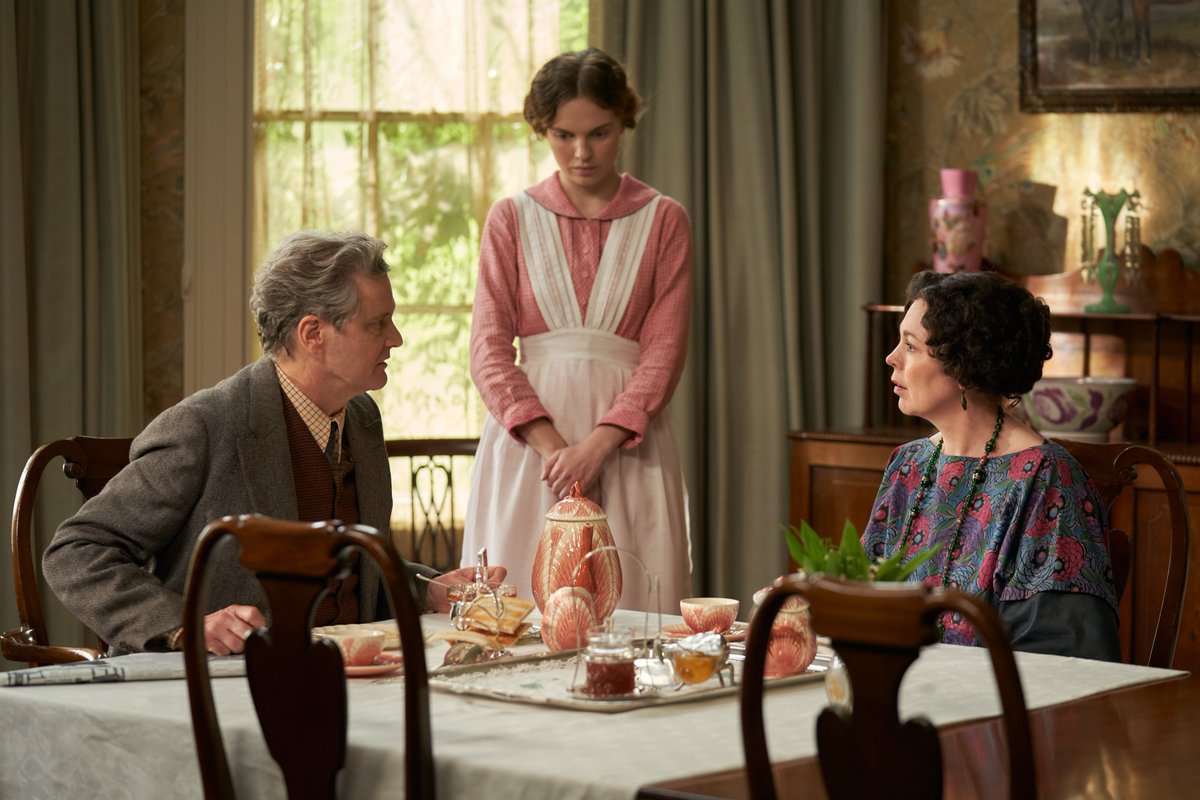
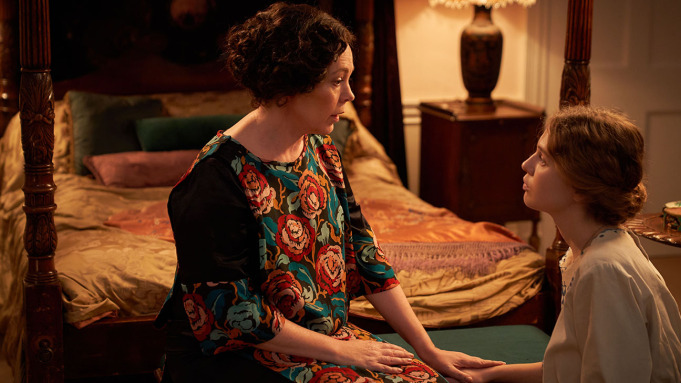
Jane Fairchild (Odessa Young) grew up in an orphanage and was turned out at the age of 14 and pressed into a life of service. She works as a maid in post-WW1 England for the Nivens (Olivia Colman & Colin Firth), who lost both sons in the war. Their dearest friends the Sheringhams also lost two sons in the war but have one remaining – Paul (Josh O’Connor). All 5 boys grew up together and were quite close. The Nivens have come to think of Paul as a little bit theirs.

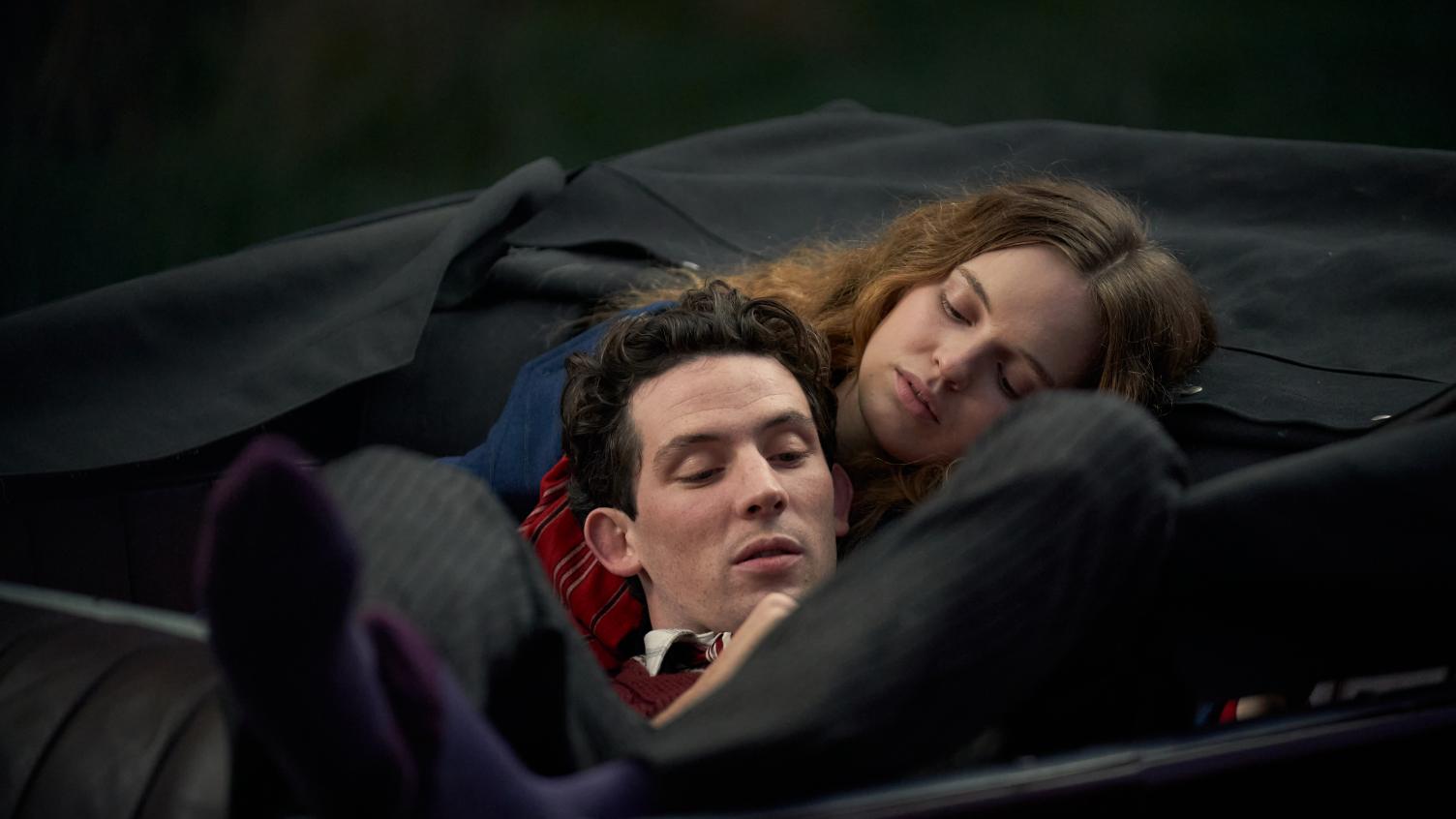
Jane, too, has come to think of Paul as a little bit hers because they’re having secret sex at every opportunity, which are admittedly few. In addition to the upstairs-downstairs wrinkle, there’s also the small problem of Paul’s being engaged to marry (someone else). He’s actually engaged to a woman who was meant to become the Nivens’ daughter-in-law, but now goes to Paul, by default. As you can imagine, it’s not the most romantic of engagements, but he considers it his duty as sole survivor to do what the others cannot.

The movie looks gorgeous, of course. This is what British cinema does best. But it’s also completely morose, unrelentingly gloomy, and unforgivably languid. Grief and loss shimmer insistently in the corners, but the British propensity for a stiff upper lip prevails, and all these grief-stricken parents do their best to muddle on in their big empty homes that feel more like memorials.

Traditionally, before mother’s day, mothering Sunday was a day off you gave the servants to go visit their mums. The title used here makes us painfully aware of so many sad circumstances. What is a mother when all her children are dead? And what is a daughter when her unknown mother gave her up? In her fog of despair, Mrs. Niven tells Jane how lucky she is to have been “born bereaved;” with no parents or family to lose, Jane will never know the pain of their loss. Being motherless is a gift, so says a woman drowning in grief and cynicism, Jane is free because she has no-one to care about. It’s both true and not true (not to mention a pretty awful thing to say, though we’ll forgive her because she’s completely heart broken but trying plenty hard not to let the mask slip). Jane has no mother to visit on Mothering Sunday, but that leaves her free for a fuckfest with her lover. And though Paul’s just a fortnight away from marrying (this is likely their last encounter), their time together isn’t tinged with sadness. They linger over each other with fondness, naked and unafraid. But Jane isn’t going to find a happily ever after here (nor, for that matter, is Paul). At most, suggests a future Jane, played brilliantly if briefly by Glenda Jackson, it is fodder for a brilliant writing career.

Unfortunately, the film lingers over literally everything, and though there are some brilliant bits, they are too few and too far between to really gather momentum or build emotion. The whole thing comes off as rather cold, an old woman’s memory of a torrid love affair that’s lost its heat.

Mothering Sunday is an official selection of TIFF 2021.