

Yes, Terrence Malick fans. Knight of Cups is finally here.
For those unfamiliar with the legendary though anything but prolific filmmaker, his work isn’t easy to describe. When talking about his style, it’s just as easy to sound uncultured when trying not to sound pretentious as it is to sound pompous when trying not to sound uncivilized. So for now I’ll just say that his fans can recognize his presence behind the camera from his distinctive style as easily as they can identify Morgan Freeman by his voice or John Travolta by his chin. I can only name a couple (Quentin Tarantino and Wes Anderson) of American directors that working today with such a distinctive voice.
As strange as the comparison between Tarantino and Malick may seem, True Romance (Quentin’s first screenplay) was clearly and deliberately influenced by Badlands (Terrence’s first feature). Malick, who also wrote an uncredited draft of Dirty Harry, changed his approach to storytelling significantly after his directorial debut, a (relatively) straightforward story of young lovers on a crime spree. The director has only made six films since including Knight of Cups but all of them are notoriously light on dialogue, heavy on introspective voiceover, and generous with beautiful yet sometimes abstract imagery.
Because he has directed only six films in 43 years, you may have guessed that they  take forever to make. Both The New World (2005) and The Tree of Life (2011) were based on scripts that he started back in the 70s. They also take forever to edit. He reportedly shot over a million feet of film for The New World, which of course had to be edited down to a concise 135 minutes. Knight of Cups, shot during the summer of 2012, spent nearly four years in post-production. Both Christian Bale and Natalie Portman have said that they spent more time recording their voiceovers than they did in front of the camera.
Here’s where I really risk sounding like an asshole. Malick’s films have very little in the way of conventional plot and a whole lot in the way of atmosphere and feeling. They exist to be experienced, not understood. They’re not for everyone. I’m not even sure that they’re for me. To compare Knight of Cups to any of the director’s post-Badlands works, you’d have to be a much more devoted fan than I am.

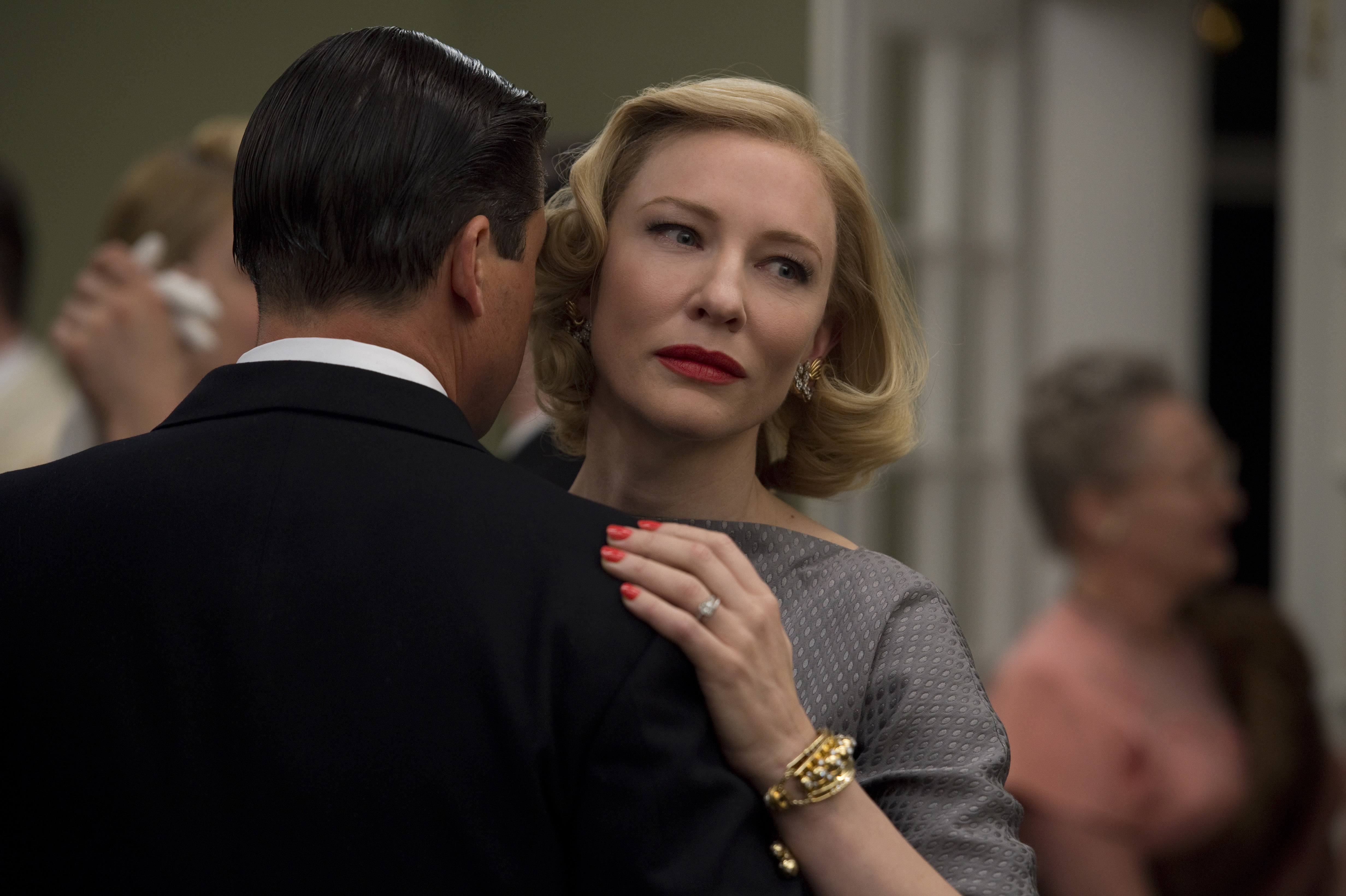
I will say that Cups offers even less dialogue than The Tree of Life and yet its “plot”, about a screenwriter (Bale) who experiences some existential angst after seeming to have forgotten his sense of purpose, is somehow easier to follow. The director brings his unique vision to dreamlike, sometimes nightmarish, vision of modern Los Angeles and Las Vegas. It’s a significant change of scenery for a filmmaker who usually makes period pieces. The cast is filled with recognizable faces, including Bale, Portman, and Cate Blanchett but to judge the performances would be to miss the point. Even Fabio can act in a Terrence Malick movie. That’s not a joke. He actually has a small part in this.
Knight of Cups probably won’t convert those who found Malick’s other films dull or inaccessible but, if you’ve never seen one, it’s worth a watch even if only for an experience that no one else in Hollywood can give you.





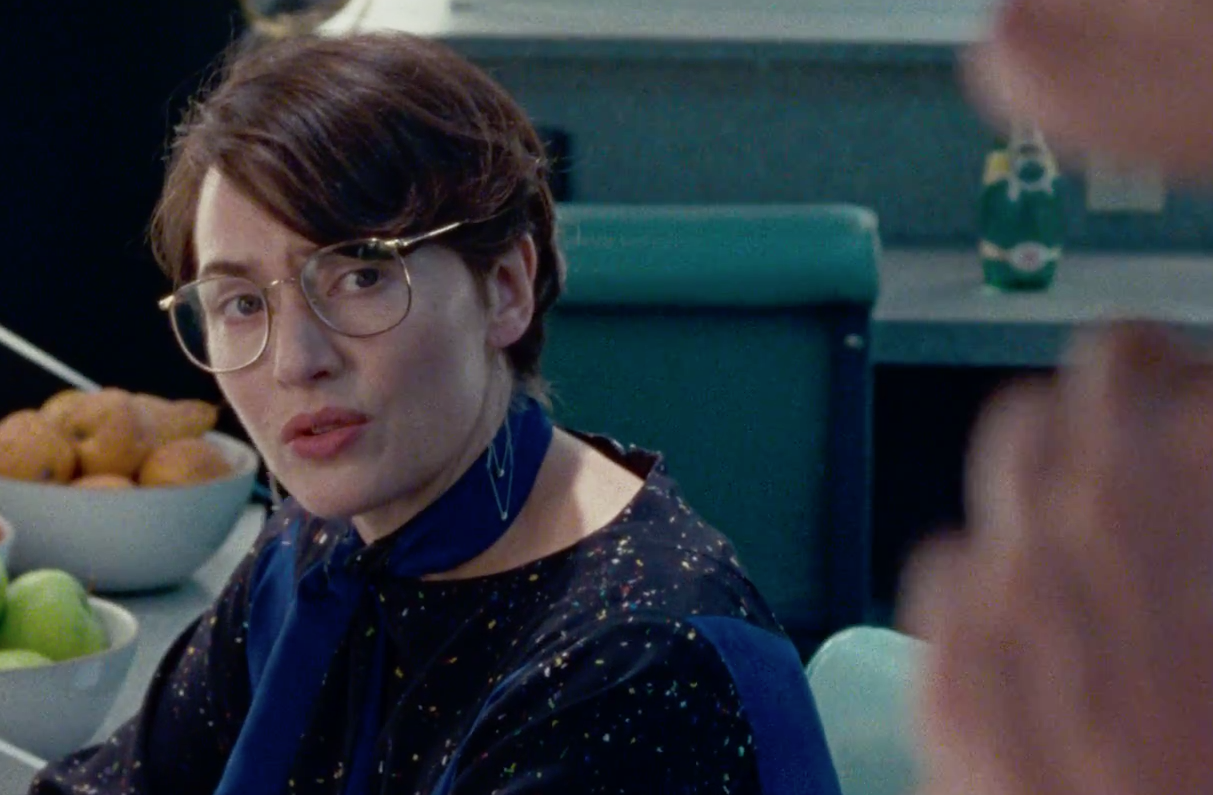

 an election ultimately decided by just 500-odd votes, but that summer Mapes’ mother died and the story never aired. Four years later, though, the story is revived when someone comes forward with documents. Mapes and her team (Elisabeth Moss, Topher Grace, Dennis Quaid) bust it wide open after a lot of teasing and research and legwork, and Dan Rather presents the case on 60 Minutes. But of course Republicans were never going to let this
 king, hologramming computer for Youtube. I spent years as a little girl putting on Jem concerts in a neighbour’s garage, so I think I know what I’m talking about. Even the earrings were botched, for crying out loud. And where was the awesome rival band, the Misfits? Jem and the Holograms weren’t just rockstars, they were businesswomen, philanthropists, crime fighters, and foster mothers. While it aired during the mid-80s, it was in the top 3 most watched kids’ cartoons. Why then did the studios spit in the eye of the franchise by making a movie that was sure to fail? And isn’t even good enough to attract a new audience? How would



 ASSHOLES WATCHING MOVIES