Kate’s new novel isn’t doing very well. The book tour’s cancelled and as she’s posing between the three enormous baby bellies of her three best friends, she simply holding a book, she’s realizing that maybe her baby was better off aborted.
But then her old professor calls, asking her to do a reading at her alma matter, and maybe things are a bit redeemed? Kate (Gillian Jacobs) returns to her former stomping grounds, 15 years later. Is it a triumphant return? Well, besides the fact that no one’s read the book and professor David (Jemaine Clement) isn’t quite as welcoming as she’d hoped and the B&B lady might be slightly psychotic and she accidentally wore the same blazer to the reading as she’s wearing on the book jacket. Apart from that, sure?
But her feelings of inadequacy and malaise seems to have her untethered, and instead of heading back home to Chicago, she hangs out maybe a little bit longer than she should. She drops by her old frat house and makes friends with the kids she finds there. They were in kindergarden when she herself was in college, but what’s a little age difference? Their problems seem so trivial compared to hers. They are young and full of promise, with their whole lives ahead of them. They haven’t compromised their dreams yet, their hopes haven’t been dulled by the brunt force of survival, they haven’t experienced the steady sucking of one’s soul. But this is a temporary balm at best, a bit of respite maybe, but eventually Kate will need to confront and make peace with reality vs. expectation, surely?
Writer-director Kris Rey has a playful style, but well-observed. I was pleasantly surprised to find Gillian Jacobs not resorting to an insufferable whininess that could have easily made this comedy boorish. Instead we find a lovely little character arc and a tidy if light comedy about a second coming of age.
If you were hoping for a mystery based on the title, allow me to deflate your expectations: the husband is not lost. In fact, he’s the most definitively located husband you can get, ie, buried 6 feet under. His widow, Libby (Leslie Bibb), is the one who is lost. And their home too, lost to the bank thanks to him leaving them destitute. So Libby’s been rootless ever since, and has just bopped from her mother’s house to her estranged aunt’s, with her two kids in tow.
But aunt Jean (Nora Dunn!) isn’t so much welcoming house guests as exploiting free labour for her little farm. Farmhand James (Josh Duhamel) sure could use the help since he does sing to each goat individually. But don’t thinking he looks like a rugged, gruff romantic interest for our newly single Libby. He’s got his own wife to contend with, only she doesn’t have the decency to die. Oooh, yeah, okay, I heard that. It sounds a little crass. But she had a stroke and is either comatose or incapacitated, in any case hospitalized for life, and he’s her devoted caretaker even though we’ve already been given moral permission to hate and dismiss her.
This is a romantic movie with a subtle western flavour. It’s got B-list stars, a Hallmark script, and a truly Texan pace (picture a bow-legged cowboy sauntering unhurriedly in the heat, with a piece of straw hanging from his mouth, a squint in his eye, his thumb hooked behind that oversized belt buckle). Sean calls it slow and boring. A more generous soul might call it unrushed and indulgently lengthy. No matter how you separate the wheat from the chaff, writer-director Vicky Wight delivers an old-fashioned romance, the kind with little heat, chemistry, or passion, but plenty of milk glass, burlap chivalry, and rustic charm.
Nothing in this movie is going to wow you, nothing elevates the material or pushes the genre forward. It’s a very standard, safe entry into the romance genre and should please people already predisposed and win over absolutely no one.
[Confidential to Popular fans: keep your eyes peeled for a Carly Pope cameo.]
Netflix has been delivering a steady stream of movies for young adults, and for the most part they can be sorted into two broad categories: dance, and the insanely high standards of college admissions. Every generation has a teenage dance movie. My mom had Footloose and Dirty Dancing; I grew up with Save The Last Dance and Bring It On, and Netflix has recently served the likes of Feel The Beat, which failed to get my toes tapping. Am I simply getting too old? I’m definitely feeling sorry for young people who have spawned the second teenage trope: the pressure to be perfect. And as Quinn discovers in Work It, sometimes being perfect isn’t enough. In fact, her dream school seems on the verge of rejecting her for being too good. First we exchange childhood for resume-building, time-sucking extra-curriculars, and now we fault them for it?
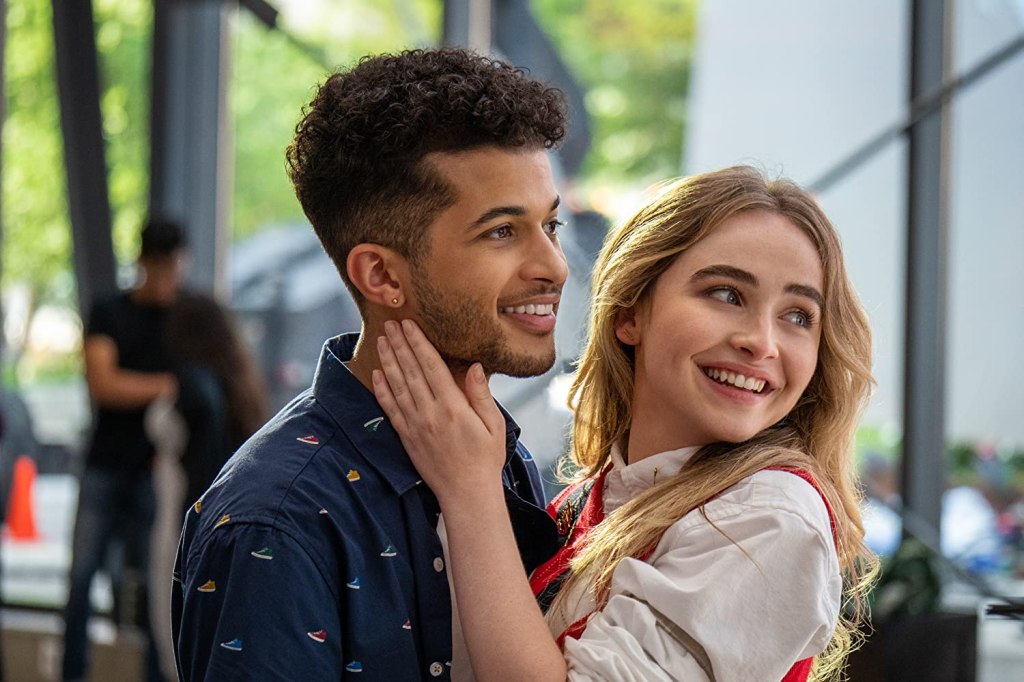
Quinn (Sabrina Carpenter) really wants to go to Duke. Or her mom really wants her to go to Duke. Or her dead dad really wants her to go to Duke. She’s assembled the perfect college admissions application, and now it’s both not enough but also too much and in any case, she doesn’t get early acceptance. The admissions officer isn’t impressed with all the perfectly checked boxes. She wants to see fire and passion and a willingness to disrupt. Rule following, Quinn is clearly not inclined to any of those things but she is surprisingly good at thinking on her feet and comes up with this juicy little lie: she claims to be on her high school’s nationally ranked dance squad, the Thunderbirds (as seen on Ellen!) (clearly this script was written before Ellen’s big fall from grace). Now all she has to do is make her lie the truth. Fool proof, right?
In fact, Quinn’s best friend Jasmine (Liza Koshy) is on that very dance team, aiming to be a professional dancer. She quite selflessly devotes hours to turning rhythmless Quinn into someone worthy of a Thunderbirds audition. There’s only one open spot on the dance team, and no matter how much dance-cramming Quinn does in the next 2 weeks, she’s never going to earn it even if captain Julliard (Keiynan Lonsdale) didn’t harbour a huge grudge against her, which he totally does. So wannabe disrupter Quinn forms her own dance team, claiming Jasmine as its captain and a bunch of other single-skilled classmates as filler on an already extremely lean team. Jasmine is obviously the world’s bestest friend ever and also incredibly stupid. She has single-mindedly pursued dance, has no fall-back whatsoever, and has now left the team that will guarantee the right scouts see her. Luckily Quinn is resourceful. She tracks down an old champ with something left to prove – Jake (Jordan Fisher) will make an excellent choreographer if only she can coax him out of hiding.
I feel like this movie should have annoyed the shit out of me like so many of its recent predecessors, but the truth is, it’s got some very likable leads in roles that feel grounded and more fully-realized than many similar movies have bothered with. I am not its target demographic but I suspect Work It is about to enjoy a wider audience because it gets the basics right and has personality even though it’s fairly predictable. Dance isn’t going to magically save anyone’s patootie but Work It does make a case for making a little time in all that parent-driven future-planning to just enjoy something for enjoyment’s sake. This generation are perhaps the least rebellious teenagers the world has ever seen. Their youth is micro-managed and filled to the point of bursting with activities and carefully curated recreation but no real leisure. If we’ve learned one thing from this pandemic, it’s that maybe slowing down a bit is not such a bad thing. It’s not going to be dance for everyone – maybe it’s even watching a dance movie on Netflix – but taking time out and time off are so important for well-being, and the pursuit of true passions is what replenishes us when the grind has been too much.
The Lion King live action remake got one thing right: it remembered that it is primarily an African story. To be fair, it was likely the Broadway show that did this for them, but Jon Favreau had the presence of mind to follow their lead and cast actual black actors in the important speaking parts. The Disney cartoon from 1994 wasn’t motivated by authenticity and we as a culture failed to keep them honest. So when Favreau chose only one returning voice actor to serve as a link between the two films, James Earl Jones was both the obvious and the best choice. His is the voice of wisdom that runs throughout both films, but the 2019 version backs that shit up with a stellar cast that is as talented as they are representative: Chiwetel Ejiofor, John Kani, Alfre Woodard, Keegan-Michael Key, JD McCrary, Chance the Rapper, Shahadi Wright Joseph, Florence Kasumba, Eric André. But none were chosen more carefully or more brilliantly than our Simba and Nala, Donald Glover and Beyoncé; they aren’t just black actors but recent symbols of owning one’s blackness. If the The Lion King remake justifies itself at all, it’s by putting those two front and centre, sending a powerful message of just who should be King and Queen.
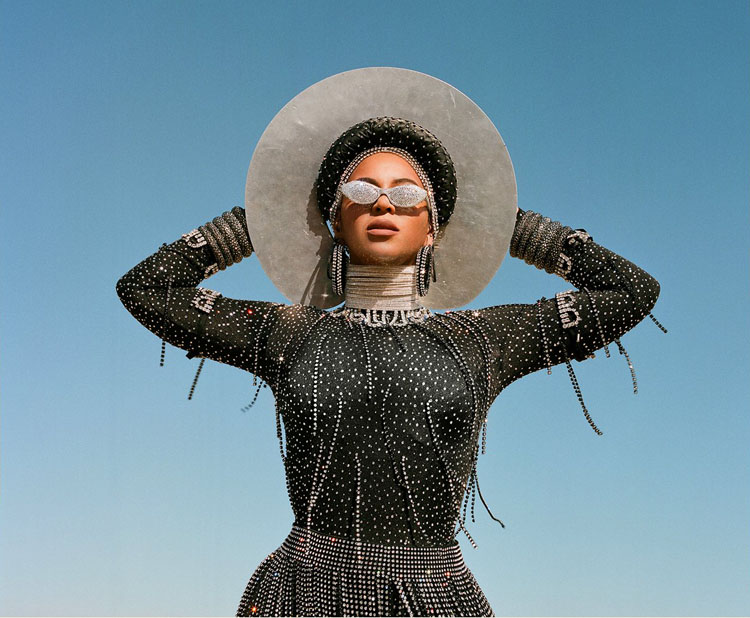
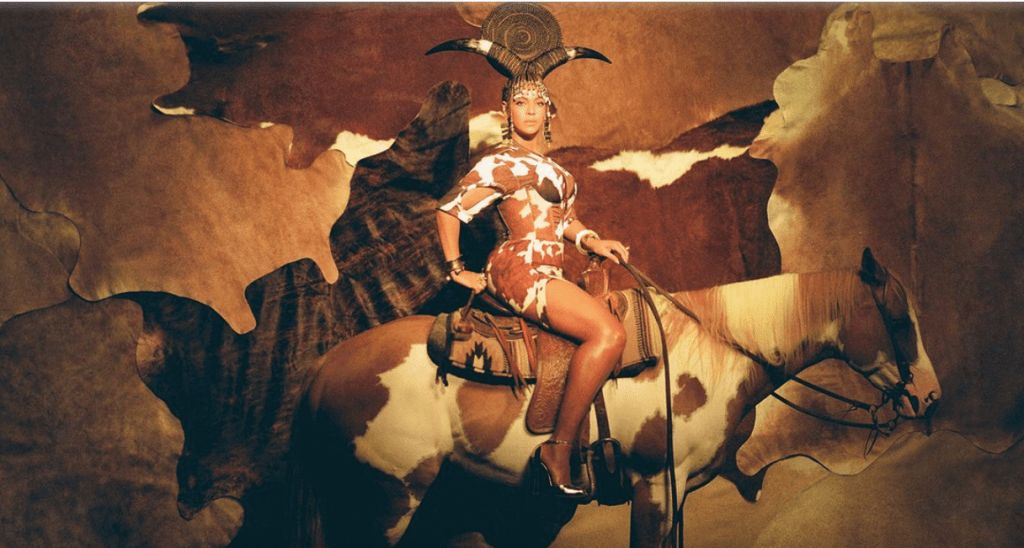
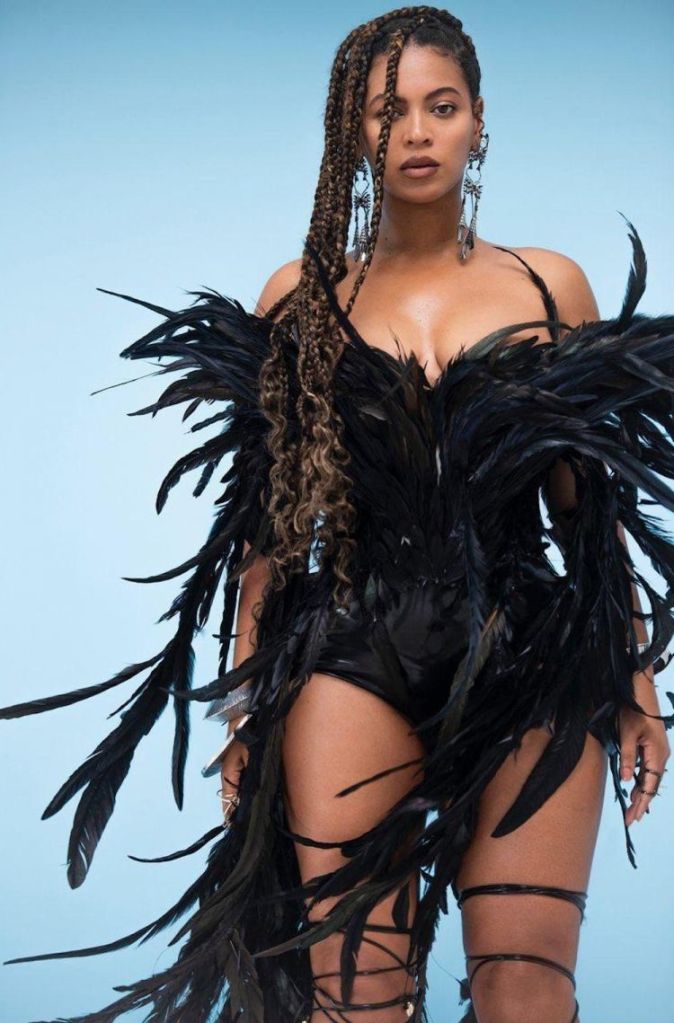
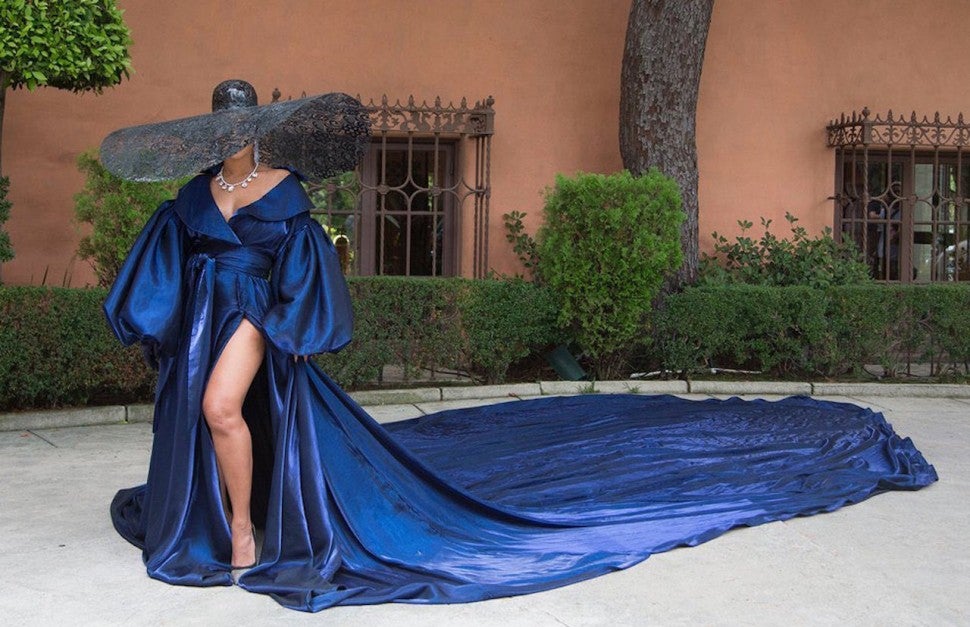
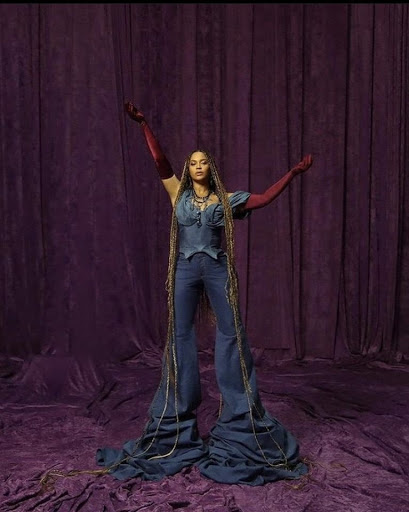
Black Is King is a visual album from genius multi-hyphenate Beyoncé. It reimagines the lessons of The Lion King for today’s young kings and queens in search of their own crowns. It is a love letter to her African roots while celebrating Black families.
Beyoncé is the undisputed Queen of Pop. Her ascension must have come with a lot of racism, overt and covert, attached – she would have been accused of exploiting her culture while also being asked to suppress it – problems the likes of Pink and Madonna and Lady Gaga never considered let alone experienced. This system seems to have caused or at least contributed to the internalized hatred of his race in her counterpart, King of Pop, Michael Jackson. And yet Beyoncé has not just transcended the challenges to her skin tone and hair texture, she has come out on the other side a powerful and vocal advocate for anti-racism. For many of us, the change in her was undeniable at the 2016 Super Bowl, a performance dubbed “unapologetically black,” incorporating dancers in Black Panther berets performing black power salutes, arranging themselves into the letter “X” for Malcolm, a homemade sign demanding “Justice for Mario Woods”, and Beyoncé’s own costume, said to be a tribute to Michael Jackson. The performance reflected the modern civil rights movement Black Lives Matter and handed us her rallying cry in the song Formation, which references slogans such as “Stop shooting us”, riot police, the shamefully neglectful official response to Hurricane Katrina which demonstrated that poor, predominantly black lives were clearly deemed not to matter. “I like my baby hair and afros. I like my Negro nose with Jackson 5 nostrils, ” she sang, offering an education in the Black American experience.
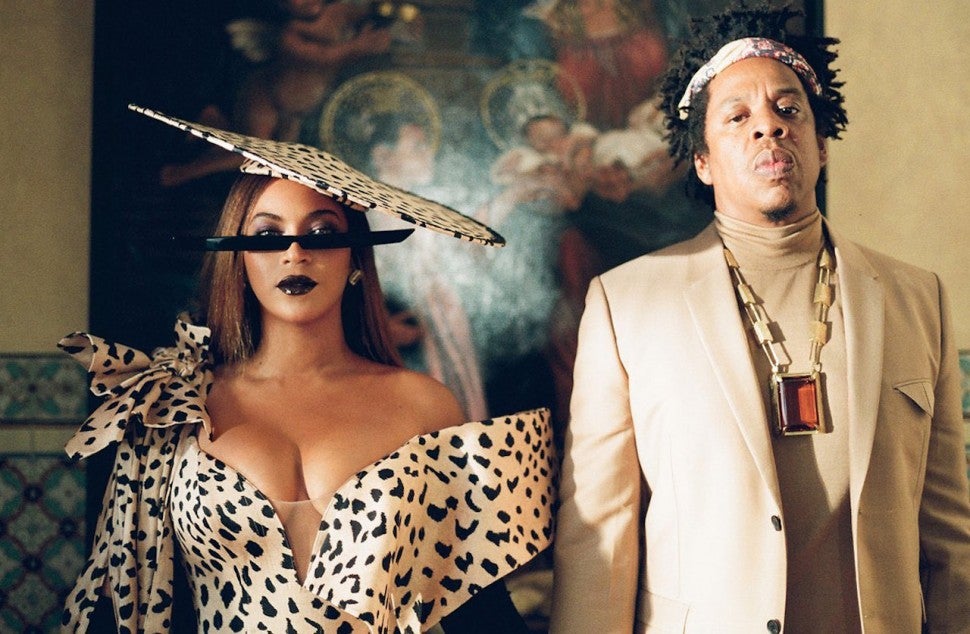
Beyoncé has always been a proud African-American woman and artist. She pursued movie roles in Dream Girls and Cadillac Records. Her wondrously thick thighs became politicized in her Crazy In Love video. There were criticisms with racial undertones when she headlined Glastonbury in 2011. She sang At Last to the Obamas for their inauguration dance. She and fellow Destiny’s Child Kelly Rowland started a charity to help Katrina survivors. Husband Jay-Z has been critical of the injustice of the profitable bail bond industry, with over 400,000 people who have not been convicted of a crime incarcerated simply because they can’t afford bail, often set at less than 5K. Beyoncé didn’t suddenly discover her blackness in 2016. Whether the political climate pushed her over the edge, or becoming a mother to her own Black daughter did it, or she realized that her success and popularity gave her immunity, Beyoncé started using her voice and her platform quite blatantly, and quite brilliantly. There are few people in the world with her kind of power, and she’s been able to snatch back the Black narrative from the fringes and help spotlight it centre stage. But it was also a risk to have her name synonymously linked with black rights, but as she states rather directly in this film, “Let black be synonymous with glory.” If 2016’s Super Bowl half time show was her coming out party, her 2018 Coachella performance cemented her mythic, iconic status. As the first black woman to headline the festival, her show was explicitly black, triumphantly black. Look no further than her documentary Homecoming to see how deliberately, lovingly, boldly she created every element in her show to be marinated in cultural meaning. She didn’t just pay homage to those who came before her, she used her two hour set to unpack a lesson in black music history. She literally used her platform to honour and recognize black art; the performance was a revelation to the predominantly privileged white audience of Coachella, but it created a real moment in time that reached into the hearts and souls of those who could fully appreciated it. Having already achieved pop royalty status, Beyonce is free to make the strong personal and political statements that have defined her career ever since. Her success is no longer measured by mere radio plays; freed from having to abide by what makes her white audience comfortable, she and Jay-Z are reigning from a throne of their own making. She no longer has to shrink or contain her blackness and it’s clearly been a boon to her creativity and craft. Black Is King follows in the footsteps of Lemonade, defiantly blazing her own path, and returning to the African desert that clearly still calls her name.
This visual album is of course an occular and audible delight. It jumps off from The Lion King, swapping lions for Black men and women. It highlights the extremely varied beauty of the African landscape, and of its people. There are set pieces in here where you can readily imagine the ka-ching of literally millions of dollars spent per second of film.
The Gift, Beyoncé’s Lion King-inspired album, takes us beyond Disney’s version of Hollywood’s Africa. Her original contribution to the film’s soundtrack, Spirit, is a gospel-charged anthem, but she didn’t stop there. She found up-and-coming African artists, songwriters, and producers to join her on the album, creating an international vibe with a strong and undeniable heartbeat.
The accompanying film is stuffed with imagery, implication, poetry and practice that feels like such an intimate declaration of love and admiration that I watched on the verge of a constant blush. Even Kelly Rowland felt it, being the recipient of Beyoncé’s sincere serenade, breaking the beaming eye contact with an overwhelmed giggle.
The visual album exists to toast beauty, observe beauty, create beauty, memorialize it. But a visual album from Beyoncé is to define and redefine it, to find beauty in new or forgotten spaces it, to celebrate a spectrum of beauty, to infuse it with ideas of culture and identity, to own it, to actually physically own it. And for that reason, I almost wish I could watch it at half speed. There are so many lavish tableaus set with precision and abundance but only glimpsed for a second or two; I want so badly to just live in that moment, to possess and savour it a minute longer.
And like a true Queen, she steps aside and allows herself to be upstaged by African collaborators, like Busiswa from South Africa, Salatiel from Cameroon and Yemi Alade and Mr Eazi from Nigeria. This album is a show of solidarity, an act of unity. She places herself among them, among the ancient beats and contemporary sound.
A thousand words in, dare I only broach the subject of fashion now? The sheer quantity of couture from Queen B is nearly numbing, except each look is so bold and unique you do your best to keep up to the dazzling, nonstop parade: Valentino, Burberry, Thierry Mugler, Erdem. But also a barage of Black designers from around the world, curated diligently and I’d guess rather exhaustively by Beyonce’s longtime stylist, Zerina Akers: D.Bleu.Dazzled, Loza Maléombho, Lace by Tanaya, Déviant La Vie, Jerome Lamaar, Duckie Confetti, Melissa Simon-Hartman, Adama Amanda Ndiaye…you get the picture. It’s MAJOR, every one of them re-imagining a wardrobe fit for an African Queen, their number so plentiful that no one garment or gown overpowers the beauty of their canvas: brown skin.
Beyoncé surrounds herself with Black beauties, including Naomi Campbell, Adut Akech, and Lupita Nyong’o, but also her own mother, Tina Knowles Lawson, and daughter Blue Ivy. Her family is often presented as a symbol of her strength, young twins Rumi and Sir making appearances as well, equating “kingship” with engaged fatherhood.
There is so much to unpack in this film, from the frenzied and joyous dancing of black bodies, to their posing as sculpture on pedestals, to the recreation of moments from her own storied career, there is more here than I can enumerate let alone appreciate. Like the star herself, Beyoncé’s concept of blackness is a hybrid of her ancestral lands and the country of her birth. It’s an amalgamation of black art and black history and a vision of black power, of ethnic and cultural splendor. And what a time to have dropped it, in a world where white people are just now opening their eyes to the racial injustice and inequality that has yoked people of colour for centuries, where black bodies are being discriminated against at best, black minds suppressed, black art appropriated, black experiences denied. And here is a woman who could easily coast on her laurels but instead is serving her people by framing the Black experience not only in a positive light, but a powerful and empowering one. Black Is King is not a cure for racism, not even a vaccine, but it may just be the booster shot of pride we all need right now.
The animals of the clearing are worried about drought. Collectively they have only 4 pumpkins full of water left, and the sources are drying up, but Latte, a spunky young hedgehog and an outcast from the forest community, has her own small reserve. A young squirrel named Tjum tries to seize her water for the communal coffers but in the ensuing fracas an entire pumpkin is upset, spilling a quarter or more of the clearing’s dwindling water supply. Yikes. The animals are, as always, quick to point the finger at Latte, but this time Tjum recognizes the anti-hedgehog sentiment and takes sole responsibility for the accident.
It’s nice and all but still doesn’t account for the water shortage. Luckily a crow with impeccable timing arrives to tell them all about this mythic waterstone that once rested at the top of bear mountain, allowing water to flow abundantly down to to everyone in the forest and beyond. But then the bear king stole it for himself, leaving all the other animals to go without. Latte resolves then and there to retrieve that stone, and Tjum follows after her. If the bear king doesn’t sound scary enough, they’ll have to cross a perilous forest to get to him, encountering predators like wolves and lynxes who are just as thirsty and even more desperate, not to mention a cockeyed toad whose motivations are mysterious.
Latte & the Magic Waterstone is a German animated film, and German fairy tales aren’t exactly known for their light-hearted joviality. Nobody gets their eyes pecked out (Grimm’s Cinderella) or any kind of blinding (Grimm’s Rapunzel) indeed; eyes are largely safe in this one. But there is some real sadness to contend with: a sweet little hedgehog alone in the world, a community content to shun her. But the movie doesn’t really dwell on such matters. It sticks to its simple and predictable story, an easy little adventure to find or not find a stone that may or may not exist. Dying of thirst or dying of loneliness: what’s the difference?
This movie is occasionally visually stunning and mostly just a forgettable little cartoon about a hedgehog who probably deserves better.
Photographer Holly Logan (Jana Kramer) returns to her hometown of Gulfport, Mississippi for Christmas. The town is still recovering from a devastating hurricane five years ago and is resurrecting their traditional holiday light show for the first time since it struck. It’s going to take quite a production to make up for lost time and boost town morale, so Holly volunteers to pitch in, but soon regrets it when she discovers the festival is run by her high school sweetheart, Mike (Wes Brown). Now Holly must spend the next few days with the man who broke her heart when he didn’t follow her to college as planned.
The past decade has perhaps changed Mike: he’s stable, he’s sweet, he volunteers, and he takes care of his nephew Jack. Does he have a job? Who knows! Between those crinkly blue eyes and his acoustic guitar, who cares? Holly’s widowed mother Caroline (Faith Ford) is certainly on board, pushing the two together at every opportunity, even though she herself continues to rebuff the charms of a certain Mr. Maguire (Richard Karn).
With the magic of Christmas wafting through the air and a few silly misunderstandings quickly out of the way, there’s plenty of room for Mike and Holly to fall in love.
Kramer and Brown have the bland kind of appeal which I suppose allows almost anyone to imagine themselves in their shoes. Faith Ford and Richard Karn add a certain 90s vibe to the whole proceeding (you may remember Ford as Corky on Murphy Brown, and Karn as Al on Home Improvement), and you might wish we could see a fuller secondary love story from these second-timers. (Fun fact: my mother’s husband retired this summer, and his kids paid Richard Karn to send him best wishes over the internet in a pre-recorded video – apparently that’s a thing you can do).
This is a Lifetime movie rather than a Hallmark movie, and I know there are devoted camps to both, so if that’s a difference-maker to you, be forewarned (the only real difference that I can discern is that Hallmark always makes you wait until the very last scene for the couple’s first and only kiss, while Lifetime makes you wait only the first 90 minutes (counting commercials) and then maybe sneaks in another one or two (pecks, closed mouths, no tongues) before the film wraps up in the exact same way a Hallmark one does. These movies don’t literally end on a heart-shaped dissolve, but they don’t have to – you can feel it. It is heavy like a hard cheese, and that, my friends, is no coincidence. Peace out.
Yeah, I know about sex dolls. Sure. They used to be inflatable, although I believe/hope those were mostly novelty items since I’ve sliced my finger on the vinyl seam of a beach ball and don’t think you’d want to risk more favoured appendages to a similar fate. By 2007 things had improved somewhat, if Lars and the Real Girl can be believed. And earlier this year, a Canadian sex doll rental company expanded its locations to better serve the community. For $189 for two hours or $289 for the night, you can peruse their catalog of “girls” (they each have backstories and personalities) and have them discreetly delivered to your door with a guarantee of cleanliness (hopefully the process is a little more rigorous than the whole spray of Lysol into the bowling shoe scenario).The dolls are incredibly life-like, at least to the touch. They have soft skin, chic wigs, and joints that can accommodate any number of positions. They’re so impressive they’re called love dolls now.
Or Romance Dolls, if too many movies have already been titled the former. Tetsuo (Issey Takahashi) never meant to get into the sex doll business, but he was an unemployed art school grad and money talks. As a sculptor, he is tasked with making as realistic a doll as possible, but his first attempt is ridiculed for not being grope worthy enough. He confesses to coworker Kinji (Kitarô) that he hasn’t seen breasts in years, so the two hatch a harebrained scheme to lure a model to sit for a plaster cast by posing as doctors doing research for prosthesis use. Sonoko (Yu Aoi) is a luminous angel, but her session with Tetsuo perfectly sedate. Sonoko is shy and demure, her coyness inspiring “doctor” Tetsuo to catch feelings. It’s a divine miracle that when he runs after her to profess his love, she doesn’t blow her rape whistle. This girl has very poor creep radar.
Like so many love stories, the fairy tale wears off after the wedding. The Sonoko doll proves quite popular, so Tetsuo works overtime, returning home late, so tired from making sex toys for others that his own sex drive is dead. Pressure mounts even more when Tetsuo starts working on Sonoko 2.0. He’s obsessed with the silicone Sonoko but neglects the actual, real life Sonoko sleeping in his bed. Plus there’s the problematic secret between them; Tetsuo never did come clean about his job, so his wife still believes he’s in medicine rather than erotic toys.
Impressively, Yuki Tanada not only adapts from her own novel, but directs the thing too. And it’s got a lot of good pieces: the objectification of the female body, the ultimate rejection of one’s muse, the cancerous nature of secrets…but like a sex doll (I hope/imagine), you can have all the right parts and they still not add up to a satisfying thing. The husband gets a pass because he’s an artist, his wife makes all the sacrifices, and female sexuality is handled in a rather depressing way. Plus there’s the whole “husband preferring the version of his wife who is undemanding and never talks back.” It’s enough to make a feminist ejaculate anger out of her eyes.
And just a quick head’s up to our Dutch readers: in the making of this review, I learned that sex dolls are often referred to in Japan as “Dutch wives.” You, erm, might want to look into that.
Why watch a documentary about a man you’ve never heard of? Do you really need to learn “more” when you know nothing?
To be fair: millions of people DO know his name. He was the world’s #1 astrologer for decades, but because he broadcasted mostly in Spanish, he never made it into my home or into my cultural lexicon (and to be super fair, I can’t name a single English or French speaking one either; astrology just isn’t my thing).
Whether you know his name or not, you should probably check out this documentary. He is indeed a curious character. Lin-Manuel Miranda describes him as dramatic and fabulous, and in Mercado’s case, those are vast understatements.
Androgynous? Asexual? Those are not words people used in Puerto Rico in 1969, when he got his start, nor are they words Walter Mercado uses even today. Labels? He’s not above them – he’s beyond them. Today Mercado resembles a cross between Julie Andrews, Joan Rivers, and Sean’s recently deceased Granny. His wardrobe isn’t so much a cross between Liberace and Elvis as a one-upmanship of both, with a touch of Siegfried & Roy, and a cape collection that would make Lando Calrissian cry. He admits to “a little arrangement” when it comes to plastic surgery, and some botox “like Nicole Kidman.”
Mercado has an origin story to rival a super hero’s, a primo sidekick in faithful assistant Willy (who warns us not to get too bitchy with him), a legendary catch phrase, and a super power. Unfortunately, he’s also got a nemesis because every story worth telling has a villain. And if Walter has a kryptonite, it would be trust.
Trusting his business manager Bill Bakula was his downfall. They battled in court rather than in Gotham, but there were hits, there were injuries, there was damage. Neither had a mother named Martha.
At times known as a miracle-worker, a magician, a psychic, and a sorcerer, most remember him simply as a source of inspiration. Mercado knew there was power in positivity and his horoscopes gave people a reason to believe in themselves. His fandom has keenly felt his absence and many in the community would champion a reboot of the Mercado franchise but not all super heroes are meant to rise again (especially not when their jewel-encrusted capes weigh more than 30lbs).
This is a fascinating documentary, well told, and well worth the time. Mercado is quite a character, and if he is a Hispanic hero, this movie is his legacy.
I don’t know if you’ve heard of this little thing called global warming? It’s scheduled to kill your grandkids in about 60 years or so.
There are LOTS of documentaries about global warming, lots of documentaries that are very good at clanging the old pots and pans together, sounding the alarm and bannering the place with THIS IS NOT A DRILL. But many of these films leave us feeling despondent and hopeless because while they may excel at pointing out the causes, symptoms, and side effects, they haven’t been very effective in suggesting a cure.
Kiss The Ground not only offers a possible course of treatment, it also offers a spoonful of sugar to help the medicine go down.
It’s called drawdown. The gist:
Global warming’s biggest villain is a build up of carbon dioxide in our atmosphere.
We actually have a pretty terrific carbon storage system but we’re not using it. It’s called soil.
Unfortunately, over-tilling the soil has led to the desertification of the Earth. Too much exposed soil led to the Dust Bowl, an event that ushered in famine, but permanent damage to once fertile land.
Modern agriculture is causing soil erosion, among other evils. But a relatively simple switch to regenerative agriculture would not only cut down emissions but actually draw down carbon already in our atmosphere and sequester it in soil.
Regenerative agriculture = no more tilling, planting diverse cover crops, managing farms to grow topsoil, reducing use of toxic pesticides and synthetic chemicals – even cattle, a significant source of methane, can be part of holistic farming with planned land grazing.
Allow the experts in the documentary to illustrate these principles far more capably than I ever could. Directors Joshua Tickell and Rebecca Harrell Tickell assemble a terrific network of activists, scientists, farmers, and politicians who keep this plan simple and accessible. We’re not all ranchers with vast tracts of land, but we can all help recapture the carbon through small acts of agroforestry: plant a tree. Create a food forest. Make it diverse.
Global warming should not be a political concept, nor a subject for debate. It’s not just a problem but a threat, and it needs our attention NOW/50 years ago. If you won’t take it from me, take it from Woody Harrelson, who narrates the heck out of this doc on Netflix.
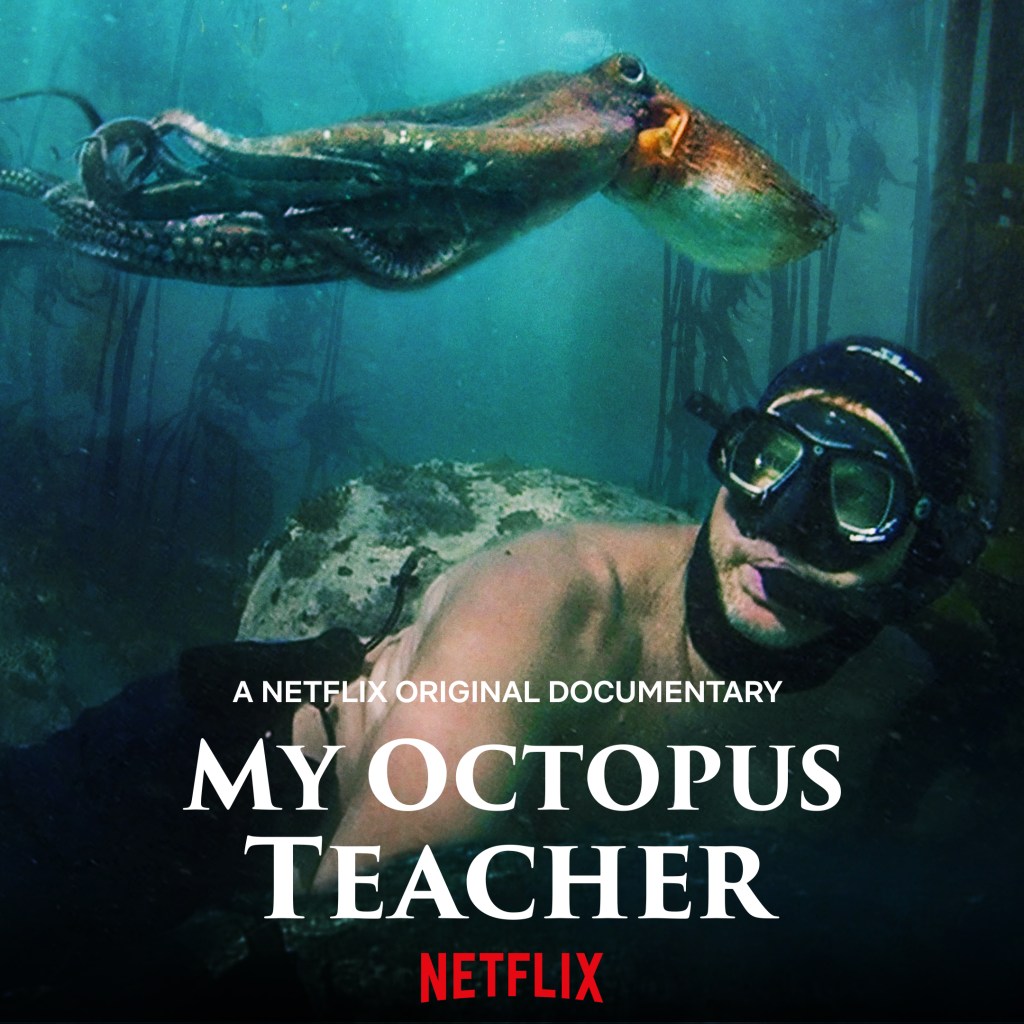
Craig Foster is a burned out documentary film maker who becomes the subject of someone else’s documentary when he replenishes himself by diving in a South African kelp forest.
Free diving without even a wet suit, Foster cultivates a sense of belonging below the water, feels connected to it in some primal way that only deepens when he happens upon a little octopus, Octopus vulgaris to be specific, living in a small den. Foster is struck by his intimate proximity to her every day life, and begins to visit her regularly, for months. Slowly he gains her trust, and is able to capture extraordinary footage of her hunting, being hunted, playing with fish, checking out his camera, constructing camouflage and more.
Yes, Foster is perhaps guilty of anthropomorphizing his subject, but there’s a long and impressive history of film makers and wild animals getting cozy while making a movie, and at least the octopus isn’t going to eat him. And in some circles, Foster may even get bonus points for standing by and letting his dear friend’s arm get severed. Plus, technically this isn’t Foster’s film – Pippa Ehrlich and James Reed have come on board to write and direct.
Quibbles and qualms aside, what we’ve got here is a stunningly beautiful little film of a creature we might all like to make friends. My Octopus Teacher is a terrible title but I do get its meaning: the ocean has much to teach us. The natural world has much to teach us. So often we rush right by these incredible things that are happening all around us and the miracle here is not the octopus’s ability to completely regenerate a new arm, but Foster’s ability to slow down enough to see it happen.
We’ve got the much easier task of simply selecting it for our next Netflix movie night. It’s a heck of a lot easer than trying to wrestle on a damp swimsuit every day for months, and juggle different lenses for underwater photography while pyjama sharks (those nasty bottom-dwelling predators with a deceptively cute name) threaten your friends.
You can learn about Octopus vulgaris in any book or website about marine biology: how it manages to chomp through shellfish, how it changes colour to blend in with its surroundings, how it uses sea shells to shield itself from enemies, how they only reproduce once, laying tens of thousands of eggs, and by the time they hatch, she dies. You can read about all of these interesting facts but you’ll never understand them with the depth you will gain from having watched this wonderful documentary, a tailor-made lesson plan on an amazing, ink-squirting cephalopod.









 ASSHOLES WATCHING MOVIES