Tag Archives: female directors

Wander Darkly

Well this was unexpected.

Adrienne (Sienna Miller) and Matteo (Diego Luna) are new parents on their first night out post baby, half giddy, half drunk on the mere thought of that first drink, half on edge because things have been tense, half fighting before they even reach the party. Mathematically that’s too (two) many halves, so let’s just say it’s not the fun and fancy free night out they’d envisioned, and that’s before they get in that brutal car wreck that half kills them both.

I’m only half being cheeky. The thing is, Adrienne wakes up dead, or believes herself to be dead, despite assurances from others that she isn’t, which leaves the couple in a rather, erm, surreal situation. Together they revisit the highlights and lowlights of their troubled relationship, trying to piece together a version of their life where it all makes sense, is all worth while. Whether your soul is actually in limbo or you’re simply experiencing a psychotic break due to trauma, taking such a stark account of one’s life is always a harrowing and naked experience. Interestingly, we get to see the major milestones of their relationship from both sides. There is no impartial witness in a relationship, no official accounting of who is right and who is wrong. But in tallying up their love and their losses, the grief and the guilt, the score actually seems besides the point.

I often have a low tolerance for movies (and stories generally) that go out of their way to be obtuse but this one managed to keep my interest, and harder still, my positive regard. Wander Darkly is effective and enticing, drawing us in to a mystery but always keeping enough momentum that we’re never bogged down in the not-knowing. The film is introspective, ruminative, poetic, experimental. Its sliding timelines isn’t always easy to keep track of, but magnetic performances from Miller and Luna smooth the ugly transitions. Miller mines for emotional gold and finds lots of gems along the way. Luna, meanwhile, runs the whole spectrum from good guy to bad and back again.

A romance crossed with a supernatural thriller, Wander Darkly is unpredictable and uneven, but writer-director Tara Miele has something to add about the complexity of relationships, and even this startling story line has plenty to relate to.

Sundance 2021: Violation

I hardly know what to say or indeed what can be said about a movie such as this.

We have watched many horror films at the 2021 Sundance Film Festival and seen buckets of blood shed, sometimes literally. Why, then, is this the first one that required me to manually enter my birthday, verifying my age? It’s the dick, of course. Americans will tolerate all kinds of blood and guts and gore, but an erect penis makes them shy. This movie, be warned, will have all of the above, and more.

Miriam (Madeleine Sims-Fewer) and husband Caleb (Obi Abili) are on the brink of divorce and are visiting her younger sister Greta (Anna Maguire), who almost seems to rub her happy marriage to Dylan (Jesse LaVercombe) in her face. Not intentionally, I’m sure, but they’re happy, they’re intimate, their relationship is a stark contrast to Miriam’s, which has been cold and dispassionate for months. One night, after a few drinks by the fire, Miriam opens up to Dylan, and the confession turns flirty, the two sharing a kiss before falling asleep by the fire. The next morning, Miriam wakes to Dylan fucking her. Raping her, in fact, though he’ll later tell her it was mutual, that she’d seemed into it, despite being unconscious. This betrayal is the basis for Miriam’s revenge plan, which will be both brutal and elaborate.

Miriam’s tools include a baseball bat, a hoist, a cooler, a motel toilet, but most of all, the sense of outrage and indeed of violation in her heart, powerful motivators indeed.

Violation is as savage as any horror I’ve ever seen, but with a female director (Sims-Fewer co-directs with Dusty Mancinelli) in charge, there are suddenly new aspects to vengeance that we haven’t seen on screen before. Miriam is perhaps emotionally elusive, methodical but still very much guided by a ruinous thirst for revenge. The true horror is of course in the honest way the aftermath of trauma is exposed. Violation is purposely difficult to watch, and even harder to swallow, but that’s because it’s rooted very much in reality, and reenacts what for most victims can only be fantasy. It is deeply unsettling because the emotional damage is just as raw and ruthless as the physical wounds inflicted. It’s the kind of film that dares you to flinch, but as tough as it may be to watch, it may actually hide some valuable if disturbing insight.

Violation will be available via Shudder on March 25 2021.

Sundance 2021: Land

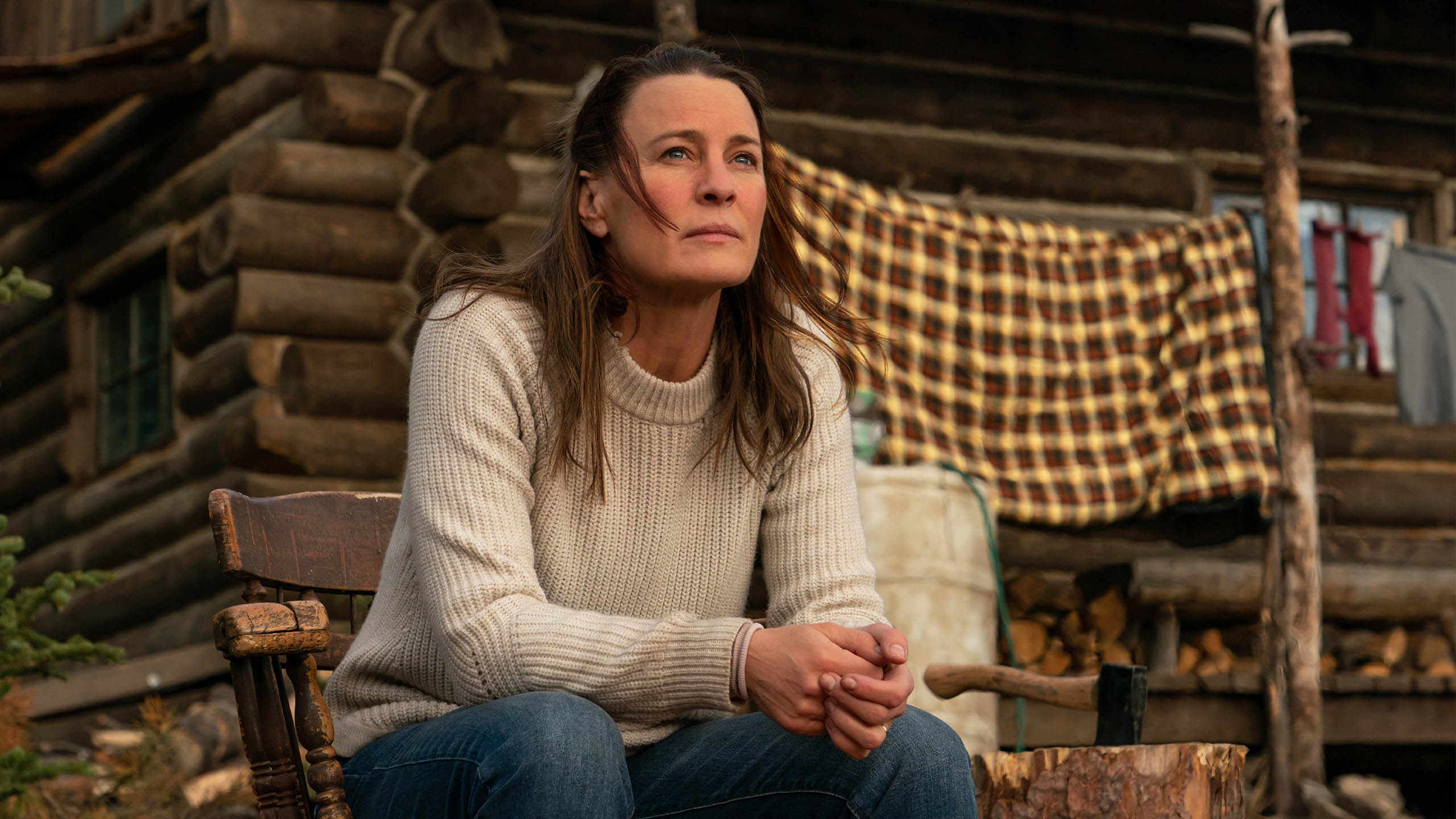
Bereft from some ambiguous tragedy, some half-crazy white lady drops everything to go live on a mountain, totally alone, without being adequately prepared. No phone, no car, nor running water even, this scenario spells disaster to absolutely everyone except her, who persists against all common sense.

Edee (Robin Wright) seems not to have thought of pretty obvious things, like cold, and like bears, which are both pretty big threats to isolated cabins in the woods. This is shaping up to be a pretty short movie. Lucky for Edee a hunter (Demián Bichir) happens by and thoughtfully notes the absence of smoke from her chimney (Edee having lacked the skill to chop wood and the sense to stack it inside). He saves her from the brink of death, and when she’s finally healthy enough to speak, she tells him to get the heck out. She’s come up here to be alone, you know. Grudgingly she consents to semi-regular visits as long as he brings no news of the outside world. He teaches her all the survival skills that she had no business living up here without, and in exchange she’s barely grateful. Because she’s sad! And because she doesn’t consider that others might be sad too.

Land isn’t a bad movie – how could it be? It’s been made so many times there’s a tried and tested blueprint to follow, and as a first time director directing herself, Robin Wright follows it pretty closely. There’s some very pretty scenery and a quietly commanding performance from Wright, but nothing we haven’t seen before, no new insights, no new tricks. It’s hard enough having empathy for a woman who’s so cavalier and careless, but truth be told, neither character is well-developed and we need more to get a true connection.

Wright is a competent director but Land is a retread of places we’ve seen, people we’ve known, emotions we’ve explored. It’s safe and it’s familiar and it probably didn’t need to get made.

Sundance 2021: Together Together

What does a middle aged loner do when he finds himself single but ready to start a family? Of course it would be ideal for Matt (Ed Helms) to have a partner, but time is running out and he’s ready now. Hence the surrogate. Anna (Patti Harrison) is a bit of a loner herself, so in a sense, they’re a well-matched pair. And then there’s the money, which Matt has and Anna needs. It’s a nice transaction for one womb’s rental for a 9 month period.

Except it turns out Matt’s enthusiasm for fatherhood supersedes his loner tendencies. He’s not just showing up for doctor’s appointments, he’s commenting on Anna’s eating habits, showing up at her work with maternity wear, taking her shopping, checking up on her love life, just generally getting very involved, not just in baby’s life, but in Anna’s. A beautiful but strange kind of friendship grows from this garden, one that neither saw coming, nor could they. With nothing much in common and from different generations, the baby is the thing that unites them, and that’s a temporary condition. Normally when the baby is born, the surrogate’s role would end, but with genuine friendship brewing, expectations are getting murkier, and Anna’s finding it very difficult to set boundaries.

This movie navigates an extremely complex and touchy subject with a light heart and a tender sweetness that’s hard to get right without accidentally overdosing on it. Ed Helms is a clever choice, of course, to play a doting, goofy guy with good intentions and a big heart. But Patti Harrison has the harder role to cast. We meet her in the middle of her surrogacy interview, so we don’t get to know her pre-pregnancy. Yet her sparkly and slightly spiky energy is so endearing and welcoming we can hardly blame Matt for being drawn into her orbit. But don’t be fooled by Together Together’s charm; this isn’t your typical Hollywood movie. The mere act of emphasizing platonic over romantic love is subversive, as is casting a trans woman in the lead role. Writer-director Nikole Beckwith knows the kinds of expectations you’ll have for a movie like this, and watching her swerve is pure pleasure.

Sundance 2021: Marvelous and the Black Hole

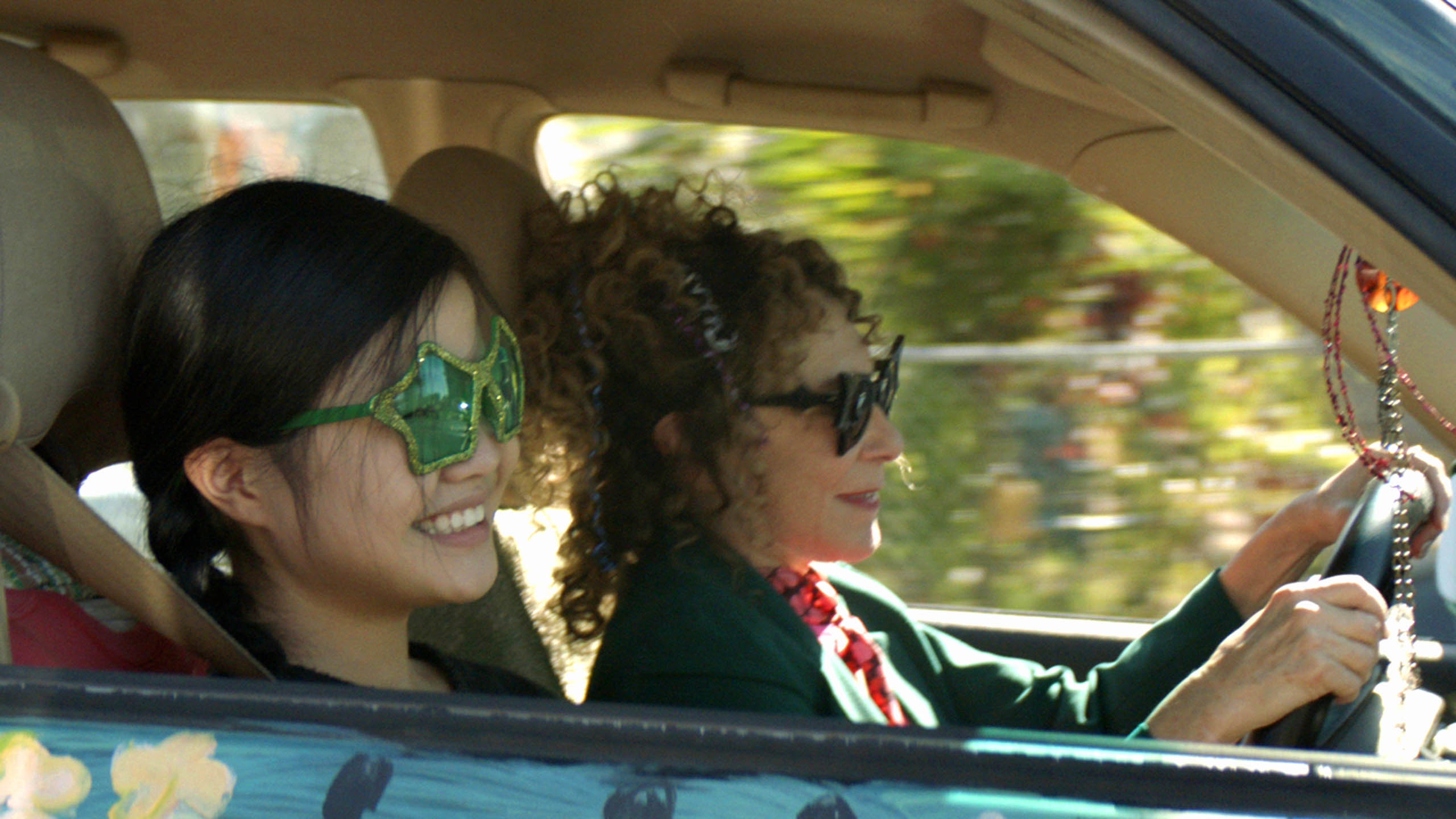
Sammy’s been misbehaving at school and copping an attitude at home. You might be tempted to give her a pass considering she’s a teenager who has recently lost her mother, but Sammy’s dad is not. He’s had it up to here with her, and believe me, I’m indicating a pretty high marker over here. He’s threatening the equivalent of military school, but she’ll get one last chance that involves acing a college business course he’s forcing her to take. It’s lame and she’s not happy, especially since they’re supposed to choose a local business person to interview. To do the absolute minimum required, Sammy (Miya Cech) interrogates a nosy woman she meets in a public washroom.

“Magician” is not on the approved list of business people, but Margot the Marvelous (Rhea Perlman) is hard to deny. Certainly the kindergarteners for whom she performs are mesmerized by her work. Even surly, sulky Sammy is drawn in, practicing magic in secret, longing to be invited to one of Margot’s “salons.” Of course, this also means she’s skipping class to pursue a very much dad-unsanctioned pastime with a woman he doesn’t even know exists. Sammy isn’t really worried about pleasing her father right now because he’s just announced his engagement to a new woman, who, you know, isn’t Sammy’s dead mom. Which means DRAMA.

Marvelous and the Black Hole exists to to add sweetness and light to your cinematic experience this year. Resilience and perspective are at the heart of this unlikely, oddball little intergenerational friendship founded in common pain. Miya Cech gives a believable performance as a bad girl, all brooding and sass, who’s not actually that bad, just hurting and lost. Meanwhile, Perlman’s special brand of snark is a quirky treat. Together they have a kismet that just kind of works.

We’ve seen a million coming of age tales and this one may be conventional but it’s still worthy of a watch. Director Kate Tsang’s imagination lends itself to some flashy sequences that help distinguish it from the pack. Marvelous and the Black Hole falls short of movie magic but it is cute and it is kind and it is relentlessly warm-hearted.

Sundance 2021: Passing

This film is based on the electrifying 1920s novel by Nella Larsen depicting two former friends who run into each other randomly in New York City. Irene (Tessa Thompson) and Clare (Ruth Negga) were friends in high school but haven’t seen each other since. Both women are biracial; Irene lives in Harlem with her husband and sons while Clare lives in Chicago with her own husband and child. The major difference being that while Irene lives authentically, Clare is passing for white. Even Clare’s husband John (Alexander Skarsgard) believes her to be white. In fact, needs her to be white, since, as he tells us, the only person who hates Black people more than he does is Clare herself. He’s even given her a “cute” racially-charged nickname that he loves to boast about. Clare lives deep, deep under cover. Irene sees the danger in the situation and resolves to stay away from her, unwilling to keep denying her own race to hide Clare’s.

However, when Clare and John move to New York City themselves, the two women reignite their friendship, despite Irene’s reluctance. Clare has been desperate for the unique comfort of being among her own people, but Irene is terrified of John, and of what might happen should he find out. But a mutual obsession grows the more time Clare spends in Harlem; they seem almost unable to untangle from each other even as their friendship threatens their carefully curated Truths.

Passing isn’t just about race. It takes on gender, sexuality, and importantly, class. Clare’s constructed identity revolves around her passing as white, but Irene’s identity is more wrapped up in her status. As the wife as a doctor, she strictly maintains her middle class boundaries, going as far as to isolate herself in order not to be mistaken for someone of a lower class, while Clare is much more comfortable straddling the lines and treating class as more fluid. Writer-director Rebecca Hall paints a beautiful portrait in which these two women exist, and develop, and she allows Negga and Thompson the space to explore who their characters are and why. Through lenses of happiness, jealousy, security, fear, and desire, we come to know these women and what guides them in their choices.

This is a fertile character study where psychology and motivation are layered in richness and depth. With its deliciously ambiguous ending, Rebecca Hall honours the masterful source material while also creating something impactful of her own.

Sundance 2021 Street Gang: How We Got To Sesame Street

Street Gang: How We Got To Sesame Street is an easy documentary to love. Not many among us grew up without Sesame Street. The thought is inconceivable. Sesame Street IS childhood. It was a mainstay in our home thanks to my mother’s exuberant rate of reproduction; there was always a toddler falling in love with it for the first time. Although I haven’t seen an episode in years (decades more likely), I could still recognize not just characters but recurring sketches, animations, and songs. This stuff really soaked into my brain, and that’s exactly what it was born to do.

Aimed at preschoolers, specifically those from underprivileged and inner city backgrounds, it was an educational program built with a curriculum to teach to, guided by princes of early childhood development. The people behind the show realized that kids were spending up to 8 hours a day in front of the television set, and wanted to seize the opportunity to give them a leg up when it came to the fundamentals, like abcs and 123s.

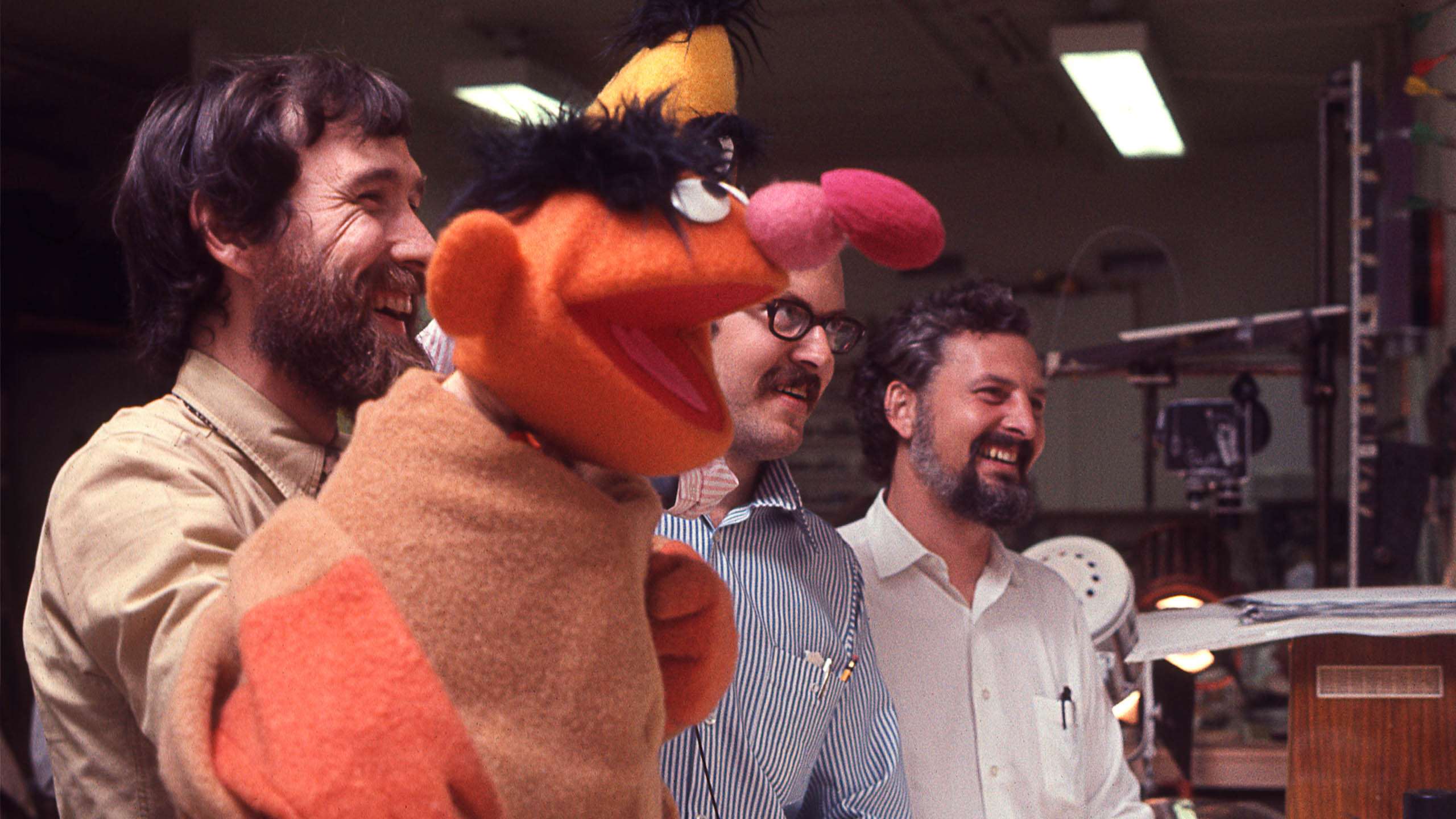
Director Marilyn Agrelo interviews from an impressive breadth of sources, including camera operators, actors, puppeteers, writers, songwriters, and more. Jim Henson and director Jon Stone are consulted repeatedly through archival footage, and it’s a pleasure to hear from them both. It’s also quite fascinating to see the joy and the intention with which this show was conceived and created. Of course, the best part is, unsurprisingly, the Muppets themselves. It’s exciting to revisit childhood friends, but it’s also a delight to see Big Bird’s first design, to hear Bert and Ernie address the nature of their very special relationship, to learn how Count got his name, to discover why Oscar was always so very hard to please, and why Kermit felt it was so difficult being green. The show fearlessly took on Big Topics like race, death, and inequality, but they did it with such joy in their hearts and with the very best interests of children in mind that Sesame Street transcended mere television. It has an intangible quality that this documentary does its best to describe.

Sundance 2021: Censor

Her name is Enid, and she’s a film censor, the person who negotiates the bad language, graphic violence, drug use, and nudity of a film, deciding just how much can be kept in and retain an R rating, and which films will either need to be edited, or bumped up to NC-17 and so on. “I’ve salvaged the tug of war with the intestines. Kept in most of the screwdriver stuff. And I’ve only trimmed the tiniest bit off the end of the genitals, but some things should be left to the imagination.” I love her already.

Enid’s (Niamh Algar) profession is under scrutiny at the moment as a salacious murder is dominating headlines, apparently inspired by a face-eating scene in a movie that she and her partner signed off on. Censor is set in the early 80s, but our culture still hasn’t grown tired of blaming violent movies, music, and video games for all that ails us, and the uproar doesn’t feel dated at all.

One day, while screening yet another nasty from an unending pile, a scene feels eerily familiar. Enid’s little sister disappeared years ago, and as the only witness, Enid’s never been able to provide much detail. But this – ? This scene rings a distant bell, unearthing disturbing memories that haunt Enid well past the film’s end credits. It seems incredible, and her parents’ skepticism is dismissive, but Enid becomes obsessed with linking her sister’s fate to this old film. When she learns the director is filming a sequel, she stalks production, hoping to be reunited with her abducted sister. But the closer she gets, the more we blur the lines between fact and fiction.

Director Prano Bailey-Bond dissolves reality with such subtlety that we hardly notice the point of no return. When, exactly, did Enid cross the line, and is there any going back? This is a send-up to vintage horror that fans of the genre will recognize and appreciate. Algar gives a fulsome performances, worthy of not just a final girl but an actual, flesh and bones character with guilt and grief, guts and glory. Censor is bold and stylish, and once it goes meta, it gains a confidence that is hard to deny.

Sundance 2021: How It Ends

Do you want to know how it ends? A meteor. That’s how we go. For the people of Earth, that day is today. It’s the last day of Earth, and Liza (Zoe Lister-Jones) has been invited to a party. The meteor is the least interesting thing about How It Ends, and its only certainty.

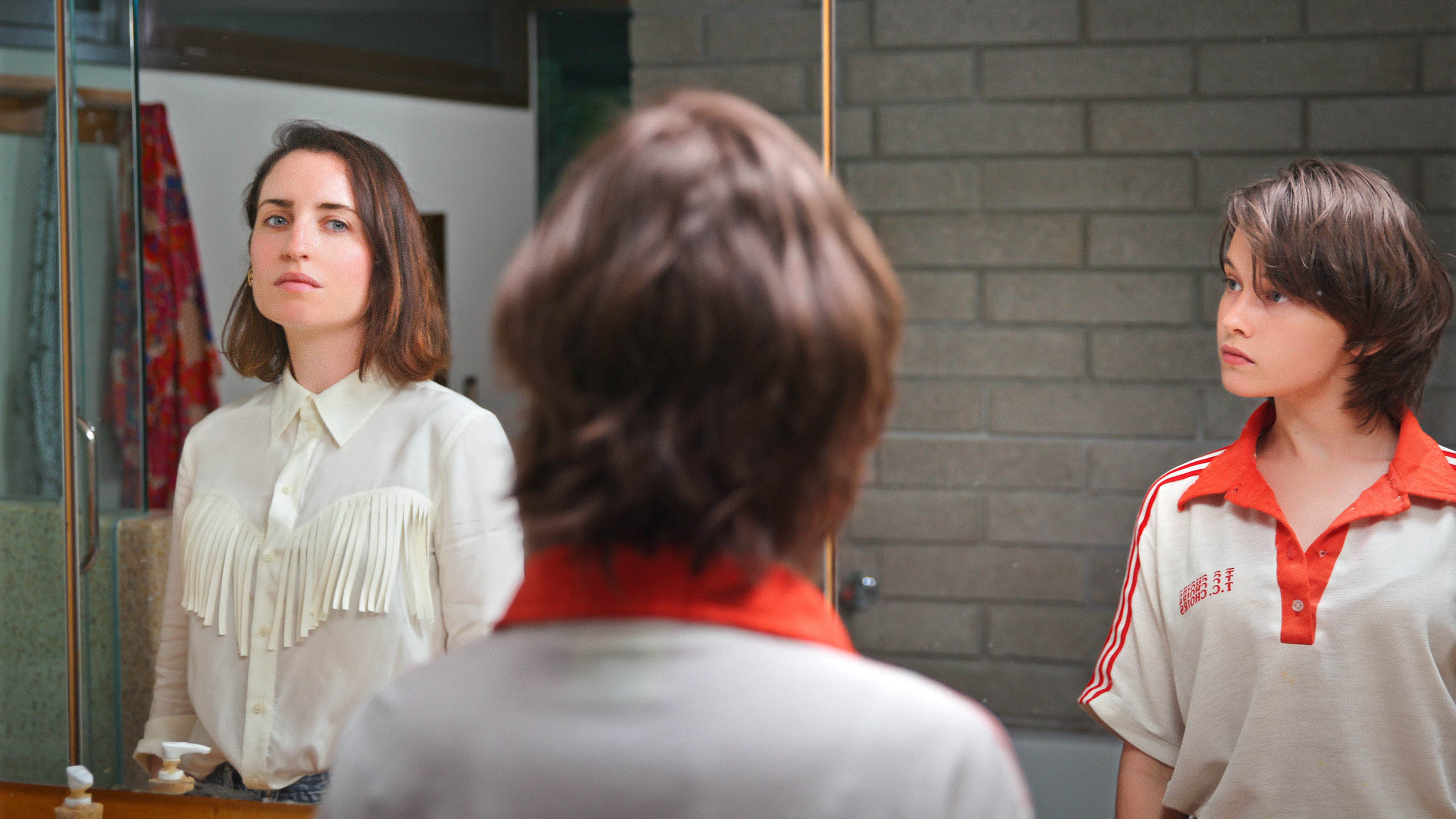
Liza’s initial inclination is to spend her last day alone, getting high and eating cookies. It’s a pretty solid plan, but unfortunately her Younger Self (also named Liza of course) (Cailee Spaeny) vetoes. Plan B involves checking off items on a list of regrets en route to the pre-apocalypse party. On Liza’s list of regrets: exes, former friends, estranged parents. Truth is the theme for the day, and if that doesn’t keep her honest, her Younger Self sure will. Liza and Young Liza hoof it across Los Angeles, encountering a pretty eclectic cast of characters, but most of all bonding with and taking care of each other.

How It Ends is oddly playful for the pre-apocalypse, but as both co-writer-director and its star, Zoe Lister-Jones certainly has the right sort of presence to pull it off. She’s got excellent chemistry with Spaeny, which you’d really sort of have to, or the whole thing would be an utter failure. It’s a fascinating philosophical experiment, to have two versions of the same person interacting with each other so naturally. I loved the relationship between the two, and felt a little jealous of it. I enjoyed laughing with them, eavesdropping on their most intimate conversations, and indulging in a double dose of Lister-Jones’ unique brand of charm.

Frequent collaborators Lister-Jones and Daryl Wein manage to take a quirky premise and ground it with self-aware performances. As the meteor draws ever nearer, we dread it not because of the impending doom of humanity, because it means the movie itself will end, and we’ve been having too much fun to want to say goodbye.

Sundance 2021: CODA

Greetings from the Sundance Film Festival! Okay, to be honest, I’m not in Utah; Sundance has come to me – and possibly to you, if you go online and buy a ticket (good news! you’re already online! halfway there!).

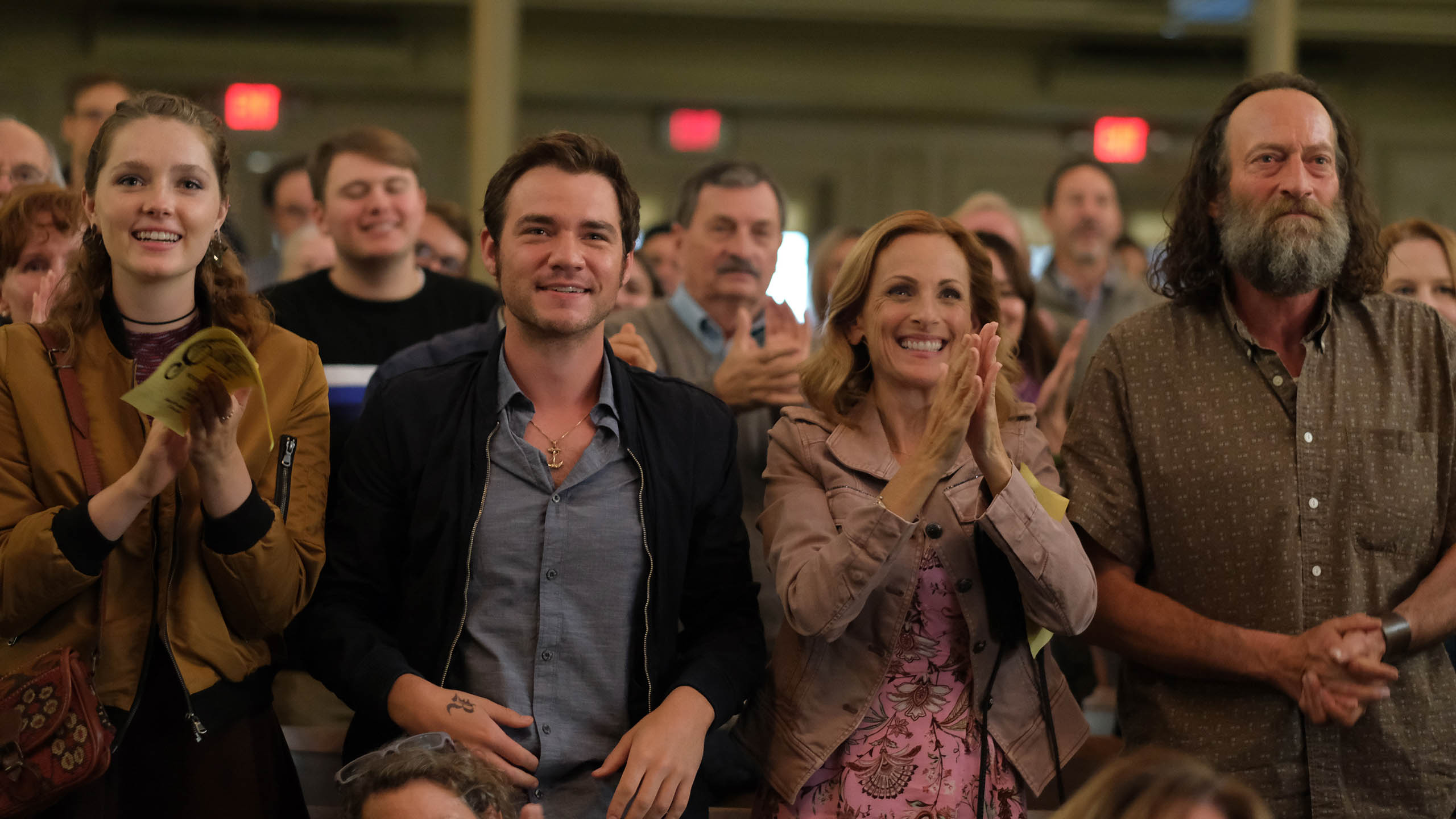
Ruby Rossi (Emilia Jones) is a CODA – a child of deaf adults. Her older brother Leo’s deaf too. She’s the only hearing member of her family. She’s still in high school but she gets up every day at 3am to hit the fishing boat with Leo (Daniel Durant) and their dad Frank (Troy Kotsur). Times are tough. Fish merchants are putting the squeeze on those in the boats, and while Ruby’s extra pair of hands on the boat are necessary, it’s her ears that are most pivotal. She is their link to the hearing world, to the people who set prices and regulate their industry and affect their future.

As a senior in high school, it is natural that Ruby would be wanting to peel away from her family. Literally finding her voice and pursuing her passion for singing is the only thing she does just for herself, but it takes time away from a family who are quite reliant on her. Ruby is the constant conduit between her family and the world. She never had the childhood that others do. While Ruby sometimes feels othered in her family, being the only hearing member, she is indeed a member of the deaf community in her own way. American Sign Language (ASL) was her first language, and is still her default.

Director Siân Heder treats ASL almost as if it is a character in the film. She captures the movement and the expression, giving us a de facto crash course in the language as Ruby translates helpfully from the side. Frank is particularly, erm, unfiltered, prone to salty assertions and crude but colourful insults which embarrass his daughter even when she chooses not to translate them.

Emilia Jones stretches wide to play this supremely mature teenage girl who longs for freedom while fearing for her family. She is a joy to watch and it’s easy to get lost in her story as she feels authentic on fishing boats and on stages alike. But what makes a movie like this, which is surprisingly conventional in its beats, is the fullness of character achieved by the entire family. Kotsur, as salty dog Frank, rough and tumble, coarse in a self-satisfied way, shows us a man struggling to provide for his family and support his growing daughter. Durant as Leo is a heartthrob big brother with his own ambitions who chafes at having his independence undermined by the help of his little sister. And last but not least is Marlee Matlin as mom Jackie, feisty former beauty queen and fierce mama bear. Theirs is a close knit family that is going through some growing pains as all families do. They may have their unique challenges, but at the end of the day, the Rossis aren’t so different. Heder’s tendency to lean into the tropes of the genre only highlights the fact that this family experiences all the same ups and downs as any other. But Heder’s tenderness and authenticity mark this film as one to watch, and with such strong and vibrant performances, it’s also one you won’t forget.