
 It’s time for Thursday movie picks! This week we’re covering movies featuring mother-daughter relationships, which means I for one have been through about 6 boxes of tissues while deciding which are my absolute favourites. Thanks once again to spectacular blogger Wandering Through the Shelves for hosting this weekly meeting of the minds.
Matt
While I’m relieved not to be watching live-action fairy tales or YA movies anymore, this was harder than I thought. About a month ago, I had no trouble making a list of classic father-son dynamics but to mother-daughter relationships- that call for not one but two great roles for women- are a little harder to find in Hollywood.
Mamma Mia! At first, my strategy was to name as many Meryl Streep and Diane Keaton movies as I could. This only got me a third of the way there when I remembered Mamma Mia!, the only American movie on my list. Judge me all you want but I love this musical. Yes, the cast was clearly chosen for their comic timing and definitely not their singing voices but their energy with the help of lots of Abba music make this a party I wish I was at. When searching for the father she never knew, a 20 year-old soon-to-be bride comes to realize how little she appreciated the mother who brought her up all by herself.
Jay: Consider yourself judged, Matt.
The Piano Teacher The dynamic between mother and daughter can be as messed up as any  and who better to explore just how bad it can get than Austrian director Michel Hanake. Never afraid to make his audience squirm, Hanake (Funny Games) cast Annie Giradot as a mom that makes Carrie’s look permissive. Isabelle Huppert plays a forty-something pianist who shares not only an apartment but a bed with her controlling, perfectionist, and manipulative mother. All this withholding and repression leads to some pretty bizarre behaviour when the daughter meets a young man that she can’t help but be attracted to. Watching it can be an uncomfortable experience but it’s never dull and is sure to inspire lively discussions- even debates.
Volver Penelope Cruz got her first Oscar nomination for Pedro Almodovar’s 2006 Spanish  comedy-drama. Carmen Maura plays mother to both Cruz and Lola Duenas, seemingly back from the dead to seek the forgiveness of her estranged daughter. There’s some serious stuff here but Volver is also surprisingly funny. It’s a hard film to categorize but an easy one to love.
Sean
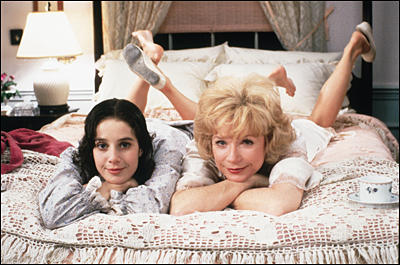 Terms of Endearment – I saw this movie for the first time yesterday and right away I wondered how I had not seen it before. The opening credits contain so many recognizable names and everyone lives up to expectations. It is not an easy movie to watch because it seems so real. It’s not often a happy movie but it’s so genuine and for that reason above all else I think it will stick with me for a while. I highly recommend it to anyone else who hasn’t seen it.
Spanglish I didn’t even realize until now that this was also written and directed by James L. Brooks (just like Terms of Endearment). Score two for him because this movie is also fantastic. Like Terms of Endearment, it is also not very happy but comparing these movies is a disservice to both. Spanglish stands on its own as a story of true love and sacrifice. Just don’t watch these two movies back to back as you may never recover from all the heartbreak.
Jay: I can’t believe I let you do this one! I love Spanglish because their cultural isolation really pits the two of them against the world. Even when they occasionally hate each other, they’re still each other’s entire universe, and when other options start to present themselves, this mother is prepared to make the hard choices. You know this movie gets me every time, to see how close the mother gets to love and fulfillment but turns her back on it because she knows it’s best for her daughter.
Freaky Friday (1976) The third slot was a tough one because while I watched several other  mother-daughter movies this week, I felt the other tearjerkers didn’t hit the mark. I went another way. I have to make 100% clear that this is the original Freaky Friday, not the remake. I did not see this movie as a kid, mainly because I confused it with the Friday the 13th series and horror movies terrified me. It’s very dated but it’s fun to see a young Jodie Foster try to act like a regular kid and then do a very accurate impression of herself as adult who happens to be pretending to be a regular kid.
Jay
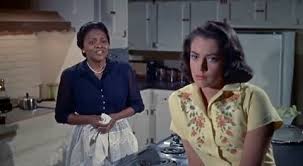
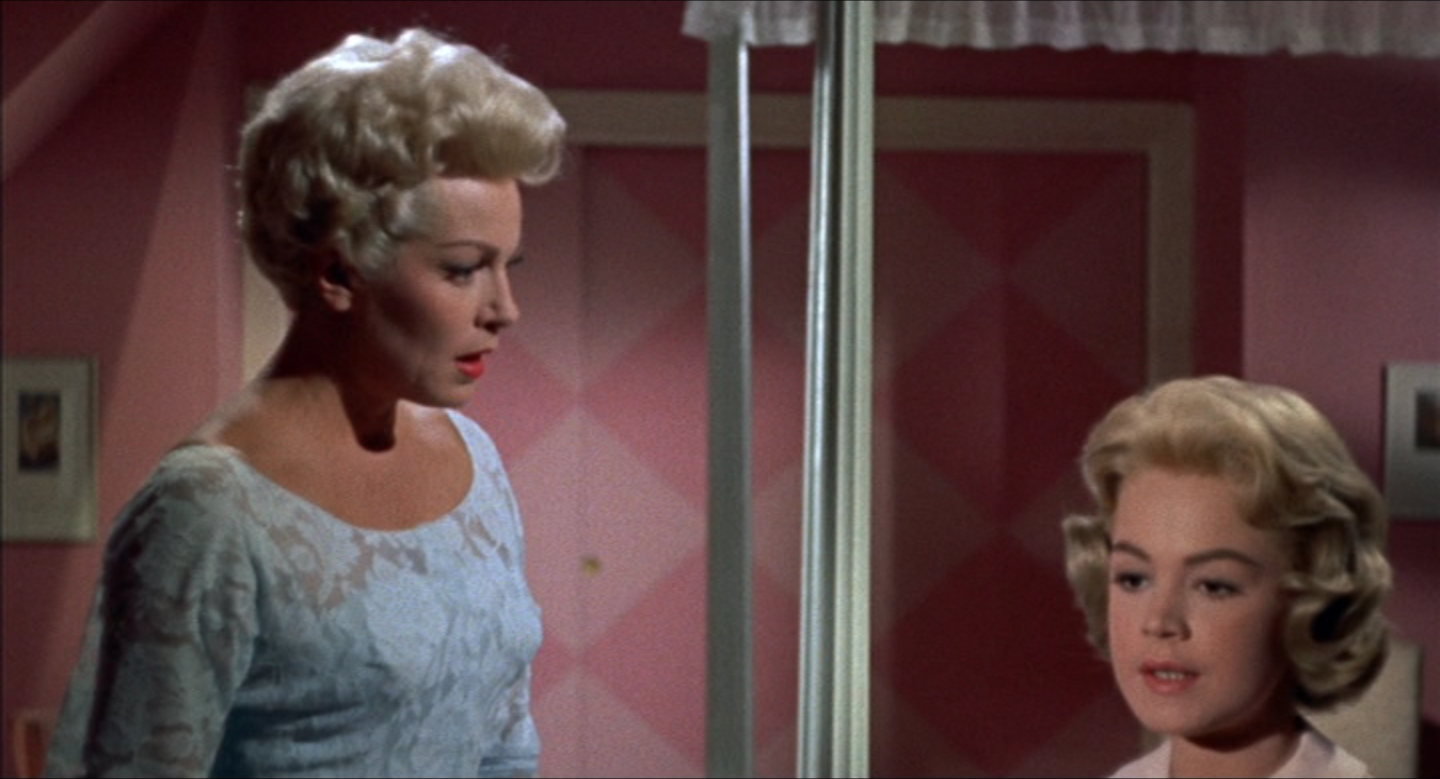
I’m having a tough time paring down this list. I watched Autumn Sonata (Ingrid fucking Bergman!) which succeeds in being uncomfortable and intense despite subtitles. And I watched Imitation of Life, which pitted parenting styles against each other with equally depressing results. And I watched Because I Said So because frankly, how could I not? As Matt pointed out,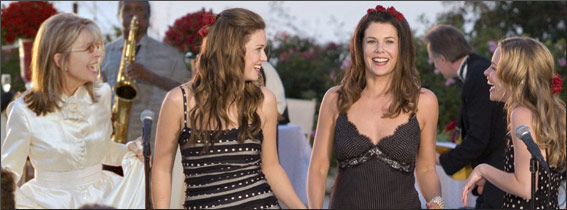 Diane Keaton is just screaming to be on this list, and this film with 3 sisters and a meddling mother is a comforting exercise in voyeurism. And Pixar’s Brave – I love the circularity in that relationship, the growth experienced by both women and the understanding that comes with it. And The Kids Are All Right – there’s so much here in terms of a family coming to terms with shifting roles, and it’s striking how much the two mothers complement each other. And Sherrybaby. And Easy A (love Patricia Clarkson in that!). And Anywhere But Here. And Mother and Child. Nothing like a major health crisis to flush out your Netflix queue!
But fuck it. Steel Magnolias, baby. There, I said it. It’s goopy and sentimental but you know  what? The relationship at its core, Sally Field and Julia Roberts, feels absolutely genuine. Julia Roberts plays a young woman with diabetes, and Sally Field the constantly-worried mother. Both are headstrong but you can tell that Mom is secretly proud that her daughter is determined not to let her illness stop her from living on her own terms. Sally Field will give anything, including body parts, to keep her daughter going, but when the worst happens, the grief and anger are palpable and real. For my money, Sally Field talking to her comatose daughter is just about the most heart-wrenching tribute to motherhood you’re apt to find.
And Mermaids. I can’t help it. The family situation reminds me so much of my own – just a mom 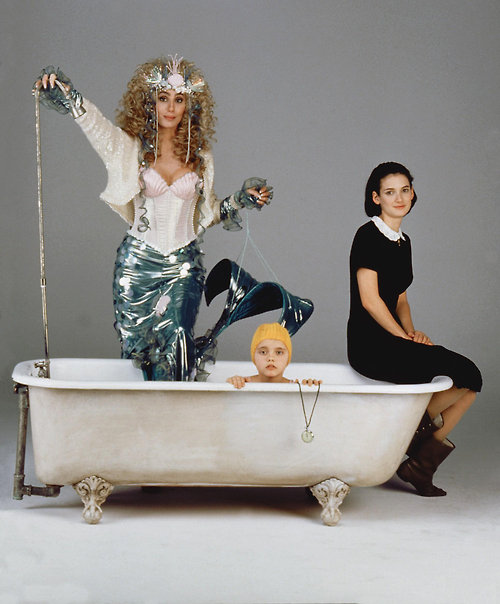 and her girls on their own in the world. It’s not always easy, or friendly. When you fight you fight big, but you love big too. And the dancing in the kitchen: yes! I love Cher’s awkward stabs at motherhood – the funny little food and the ill-timed advice – and Christina Ricci’s weird little pumpkin-headed wiggles.
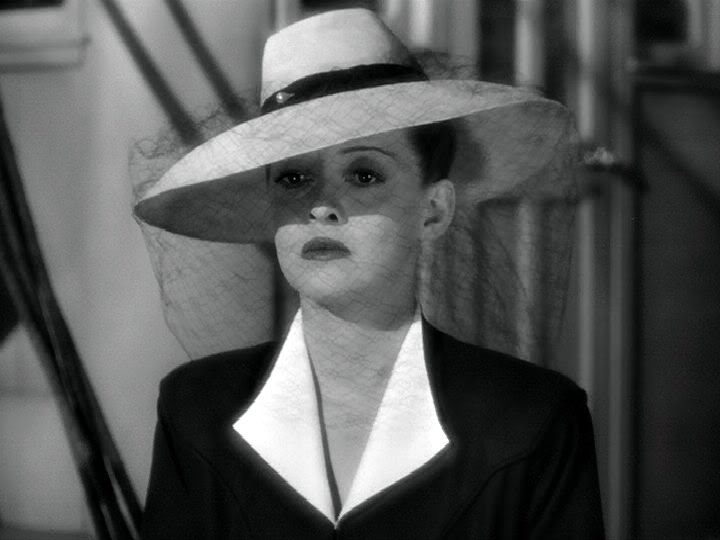
Now Voyager is the ultimate in family dysfunction. A hateful and over-bearing mother stifles her daughter  (played by the inesteemable Bette Davis) into a nervous breakdown that turns out to be her weird salvation. Of course, upon return, the now glammed up and self-assured daughter is again reduced to a puddle in the face of her unfeeling mother.







 ASSHOLES WATCHING MOVIES