
June seems like a good time to revisit this film – it’s been a while, but watching it makes me realize that it’s been a LONG while.
The 90s were an interesting time. After the conservative 80s, the 90s felt like a time of revolution. We thought we were cool and edgy; we were open to the changing times. But looking back now, it’s much easier to spot that we weren’t pushing boundaries so much as testing them. We were starting to explore this LGBTQ thing (though we were still a good decade away from calling it that), but doing it safely, within familiar contexts.
Hollywood had already given us Some Like It Hot and Tootsie and Mrs. Doubtfire. We could deal with dudes in dresses. So To Wong Foo Thanks For Everything, Julie Newmar gave us three.
Drag is an art form which has held an esteemed position within the gay community for decades. Far more than entertainment, it was an expression of one’s true self, it was a middle finger to the political establishment, a celebration of life, an opportunity to let loose at night after being closeted all day, a dismantling of traditional notions of gender, a platform for activism, an embrace of difference and diversity, a way to foster community, to plant one’s flag in the ground and say: this is me.
[I understand that some women are concerned about the appropriation of female bodies and the highly stereotypical and overly sexualized images of drag’s display of femininity in order for men to gain power, prestige, and status within the queer community. Generally, I tend to admire a drag queen’s ability to reject gender norms and embrace a whole spectrum of expression, but I do cringe over some of the misogynistic terms, such as a queen who is very feminine-presenting (“passing”) being labelled ‘fish.’]
But with my 2020 goggles on, and drag having largely been adopted by the mainstream, I can’t help but notice To Wong Foo presents an incredibly confusing portrait of drag; namely, that drag queens are always in drag. For most drag queens, the heels and lashes and hip pads are part of the uniform of their work – often a staggeringly and prohibitively expensive uniform, but still. They dress for their performance, but they don’t live as women. They are, for the most part, gay men. There are occasionally drag queens who transition male to female, but that’s very much the exception.
Let’s call Wong Foo what it is: three cis-gender, heterosexual Hollywood actors wearing dresses and gesturing with a limp wrist. If this film were made today, there’d be an understandable outcry. But in 1995, this shit was legitimately (and sadly) groundbreaking.

Wesley Snipes and Patrick Swayze play Noxeema and Vida, two NYC queens newly crowned and headed for Hollywood to compete in Miss Drag America. Like all good fairy dragmothers, they bring along baby drag queen Chi Chi (John Leguizamo) to teach her the rules of the game. They travel cross country in a big ole Buick convertible, which of course breaks down in Hillbilly City. Sorry, that’s unfair. It’s nowhere near being a city, or even a town. I don’t think it has a single stop light. Population: 3 wife beaters, 4 rapists, 1 bigoted cop, and 1 lisping shop owner (see Michael Vartan as ‘Rapist #1’ and Chris Penn as ‘bigoted cop’).
Anyway, as I said, the 3 “drag queens” are NEVER out of drag. They discuss identity but don’t get it right. And not a single one of them would be allowed to compete on RuPaul’s Drag Race – I shudder to think what Michelle Visage would have to say. But mama Ru did give the film her blessing (in a cameo, she appears under maybe the best drag name ever: Rachel Tensions, confederate flag dress and all) alongside other drag stars Lady Bunny, Candis Cayne, Coco Peru, Hedda Lettuce, and Lady Catiria.
Regardless of its inaccuracies and liberties, the gay community embraced its camp, but a broader audience flocked to it too, opening the film at #1 at the box office. It’s no Paris Is Burning. It’s a product of its time, and a landmark in the ongoing fight for queer representation.

 But I hadn’t watched Aladdin since I was young, on VHS, naturally. On DVD I’ve fallen in love all over again with the movie. Gosh it’s crisp, the animation looks beautiful. I find that I still know every word to every song (it probably helps that I have the
  after Jennifer Connelly, and Aladdin after Tom Cruise, which has to make you wonder – does Tom Cruise not have nipples either? I met Princess Jasmine recently. I was having dinner at Cinderella’s castle (at
  This holiday movie has something for everyone: spirituality, homophobia, reincarnation, crippling depression, dead babies, and more. But in its heart of hearts it’s really just about a bunch of people who don’t want to end up alone – on Christmas, on their deathbeds, in the world just generally. Some of us feel encumbered by all our obligations to friends and family over the holidays but others are completely bankrupt when it comes to people who care, and for them, the holidays can be really, really hard.
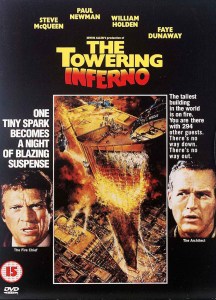 Towering Inferno in 1974, McQueen demanded that he not only have top billing, but also the exact same pay as Newman—and the EXACT SAME number of lines, which seems like a pretty shitty way to write a script. The two fought it out about the top billing and eventually producers settled on a compromise for the poster: McQueen’s name is first, but Newman’s name, while second, is slightly higher up. Also the picture of McQueen is on the left, but Newman’s picture is again slightly higher up. This coined the term ‘diagonal billing’ because you know movie stars have egos and this shit definitely has come up again.
 $100,000 worth of granite countertops. It has sliding doors like the Star Trek Enterprise, which lead to a wardrobe room. It has pistons that allow it to transform to have a second story, which houses a screening room for watching dailies. There’s a shower in a $25,000 bathroom that has a magic glass door, which can go between opaque and transparent with the push of a button. Sean and I saw this monstrosity on the streets of Manhattan while he was filming MIB3, and you bet the locals were complaining about its size and its generally fucking up traffic, and blocking out sunlight in the surrounding apartments. Charming?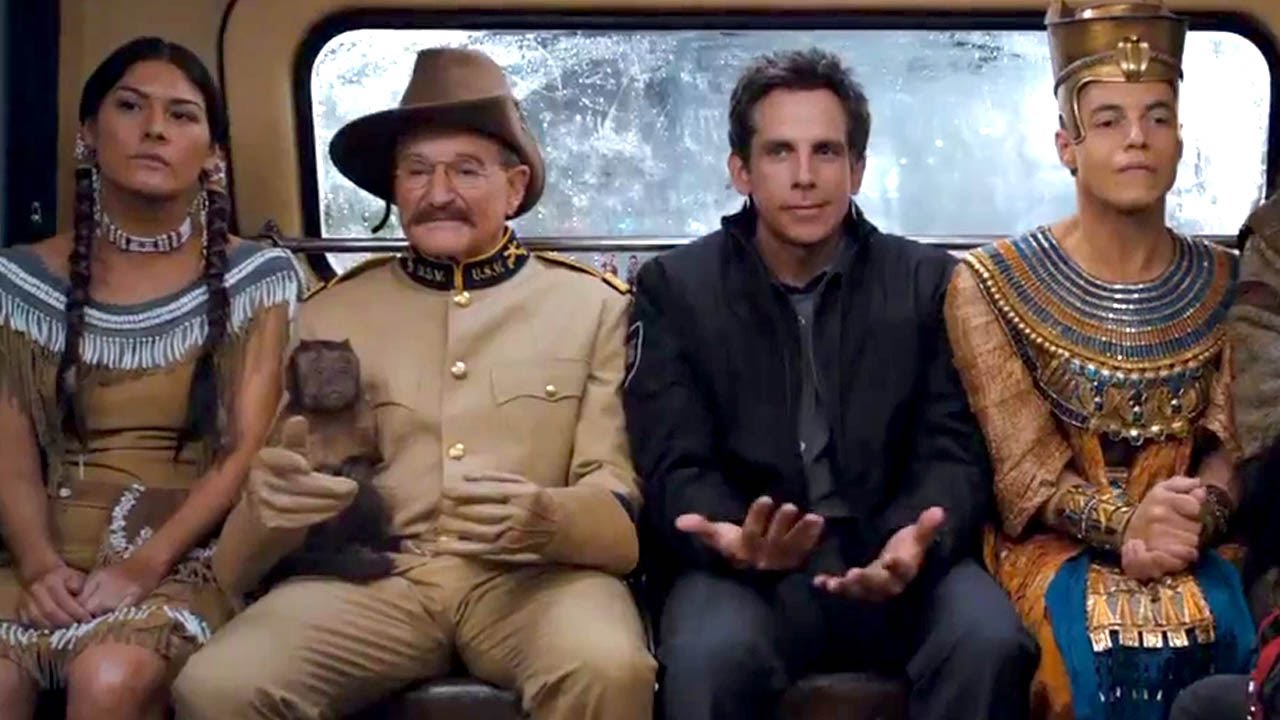



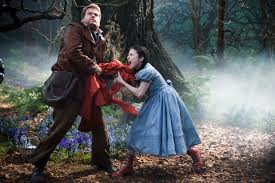
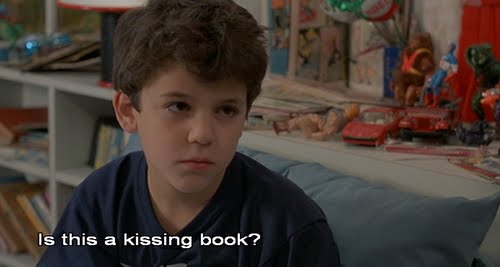


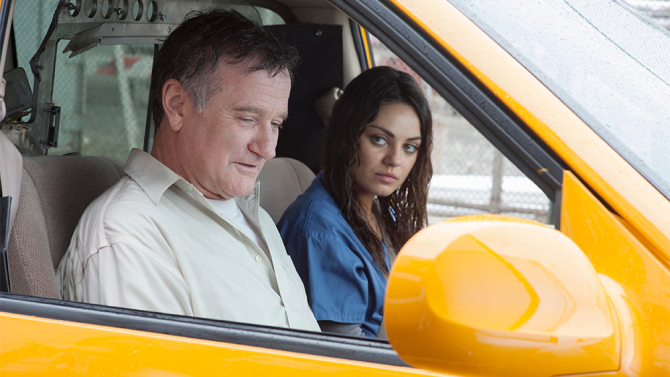
 But visually – well, even now, 20 years on, it’s unlike anything you’ve seen. While the heaven-scapes are vivid and sometimes downright magical, it may be the visions of hell that haunt you. Robin Williams tiptoes through a carpet of faces – anguished people buried up to their necks, barely more than the holes necessary for breathing left exposed. The faces are pale and full of yearning. It’s awful – and it’s really awful when there’s nowhere for him to walk but over them.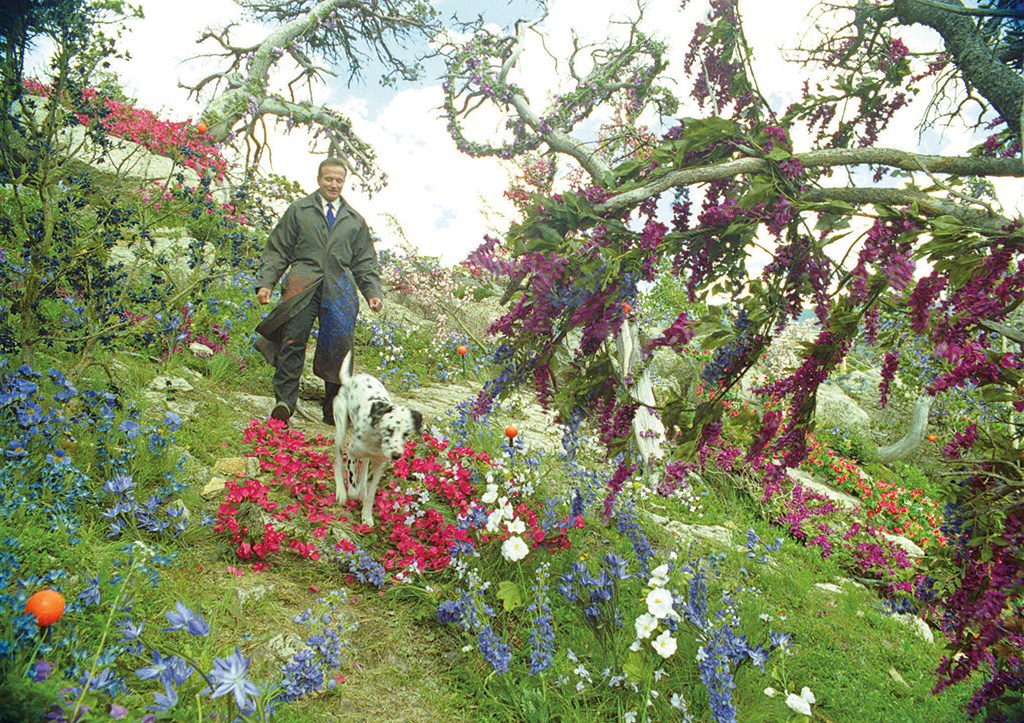


 ASSHOLES WATCHING MOVIES