
In the summer of 1968, Joy (Elizabeth Banks) finds herself pregnant again, and it’s a surprise at her age, and considering her daughter is nearly grown. Her body isn’t prepared for it either, and the strain on her heart will likely kill her should she see the pregnancy through. That doesn’t stop a panel of doctors from rejecting her bid for a medical abortion so her only option is whatever’s on the end of an anonymous phone call to a number she got from a flyer.
Joy’s call goes through to the Janes, a group of women dedicated to helping other women in need. Headed by Virginia (Sigourney Weaver), this group of ordinary women believes very urgently in a woman’s right to choose what’s right for her body, no matter the reason for termination. But even their best efforts can’t make abortion available to everyone; abortions still cost money, and the doctor they have on call isn’t here out of the goodness of his heart. Joy meets the Janes seeking her own abortion, but she stays to help provide them for others.
The Janes were a real-life network of hard-working suburban women (in fact there’s a documentary about them at the festival this year) running an underground abortion clinic in Chicago.
Director Phyllis Nagy wrote the screenplay for Carol, so she’s well-versed in period pieces that tell a bit of feminist history. Call Jane doesn’t have the same dreamy gloss as Carol; it’s a cause and a story rooted underground, and it wears its grit with pride.

This isn’t a perfect film but the cast tries hard to tell the story with dignity. It’s the kind of film that inspires a swell in one’s heart – at least until you consider that though this film is set over 50 years ago, there are still plenty of women who don’t have access to abortions today, their bodies subject to the whims of men, their health and lives valued at less than that of a clump of cells. The film ends on a note of triumph – Roe v. Wade has made them obsolete, so they disband, satisfied to pass the baton. But that happily-ever-after didn’t last, not in real life. Let that sink in as the credits roll.



 there. But does he? Oh no. He does not. He becomes obsessed, scrutinizing the photos for every tattoo, every freckle, every…clue? And then he takes more pictures. Subgirl (Meital Dohan) leads an interesting life that seems to get more and more perverse. Would that excited you? Are you an exhibitionist like Subgirl? Or are you a voyeur like Theo? What would it be like to stalk someone with your camera? To film them in such compromising poses? To know that in a way, they are performing just for you. Sexy? Creepy? Both?
 with the ostracizing and vilification of Abigail. Mr. Woods sees a lot of quiet talent in Abigail, and his singling her out for praise and attention only drives Melissa to more cruelty. But it’s ice to see Abigail being appreciated by someone, even if it’s her teacher. Until it’s her teacher’s, um, lips doing the appreciating, and that becomes problematic. Mostly for Melissa, oddly, who is insane with jealousy. To be clear, Melissa has every guy in school running after her, and she doesn’t want Mr. Woods. She just doesn’t want Abigail to have anything except Melissa-inflicted misery. And maybe she can’t stand to have anyone choose someone besides her. You’d have to invent a word above self-involved for the likes of Melissa.
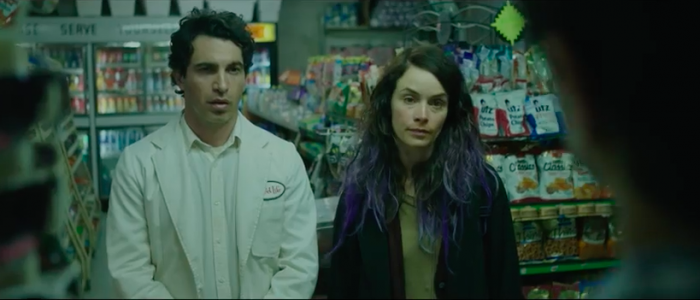 So off they drive in a stolen Mercedes. They have a cross-country adventure that only two people determined to die could possibly have: madcap, in a non-urgent way. The script doesn’t feel compelled to follow the usual formula for a road trip movie, so it’s sprinkled with surprising pit stops and hijinks. Kenny and Lolita have nothing to lose, so anything is possible.
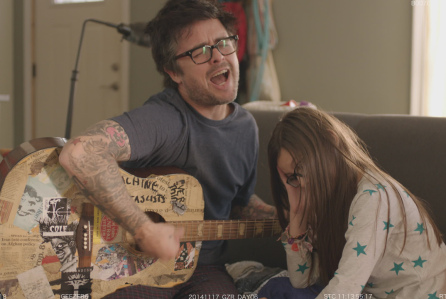 It’s not exactly ground-breaking material but here’s the gimmick that’ll put butts in theatres: it’s Green Day’s Billie Joe Armstrong playing Perry. And is it pretty effing cool to see him play the guy he might have been had his own post-punk outfit not taken off when it did? Yes, yes it is.
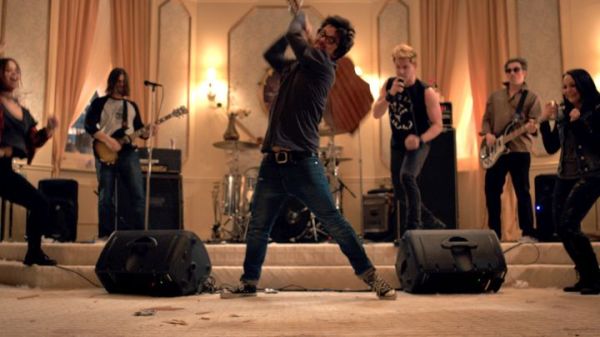 moment that he was watching Billie Joe Armstrong. I, on the other hand, thought it was a scootch worse than that. Unnatural. Self-conscious. Very “you can tell I’m acting because my hand is over here on my hip, which means I’m going through some internal conflict I’m not subtle enough to convey any other way.” And yet I’m not going to condemn him because the movie really is a vehicle for him. He’s what makes it cool and relevant, makes the movie rise above the other mid-life-crisis\path-not-taken meditations. Plus, Kirk pads the cast with some better talent: Judy Greer as the old flame, Selma Blair as the current wife, Chris Messina as the scowling brother, Fred Armisen as an ex-bandmate.
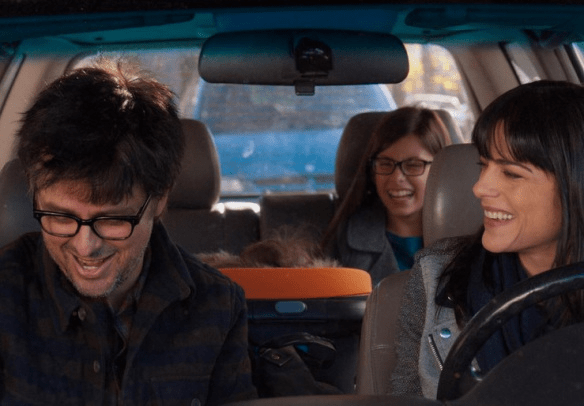 The regret without resentment shows maturity I’m surprised to see in a character like Perry. Billie Joe never quite transcends the role, but there is an honest vulnerability there that’s a little charming. And Billie Joe is not just a casting liability, he’s an asset to the soundtrack because he’s written some original music for it, and the movie is never more confidant than when Armstrong is performing. In this he excels. The songs he wrote are great and I imagine they’ll be invading your radio waves sometime soon, lending the movie some major credibility.
 an energy that defies the fact that Armstrong is in fact a middle-aged father of two. They played a couple of Green Day tunes as well, Scattered and then American Idiot, which morphed into Bad Reputation. Oh, did I not mention that Joan Jett was in the house? Yeah, she has a small cameo in the film but she got up on stage and showed the boys what a scene-stealing badass she still is. Her voice hasn’t aged a single minute and the woman’s still sporting leather pants. Armstrong closed the night with Ordinary World, the film’s acoustic ballad, and I couldn’t help but wonder at the twinkly goodness of my life. In the movie of my life, there is no path not taken.

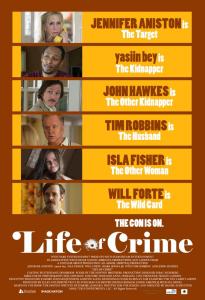 er mistress (Isla Fisher). Too bad some dumb criminals pick this exact moment to kidnap the wife and demand a hefty ransom. Sure he has the money, but now that he thinks about, he wouldn’t mind if his wife just disappeared – in fact, it would save him on alimony. Not the best Elmore Leonard adaptation but solid, and sometimes charming.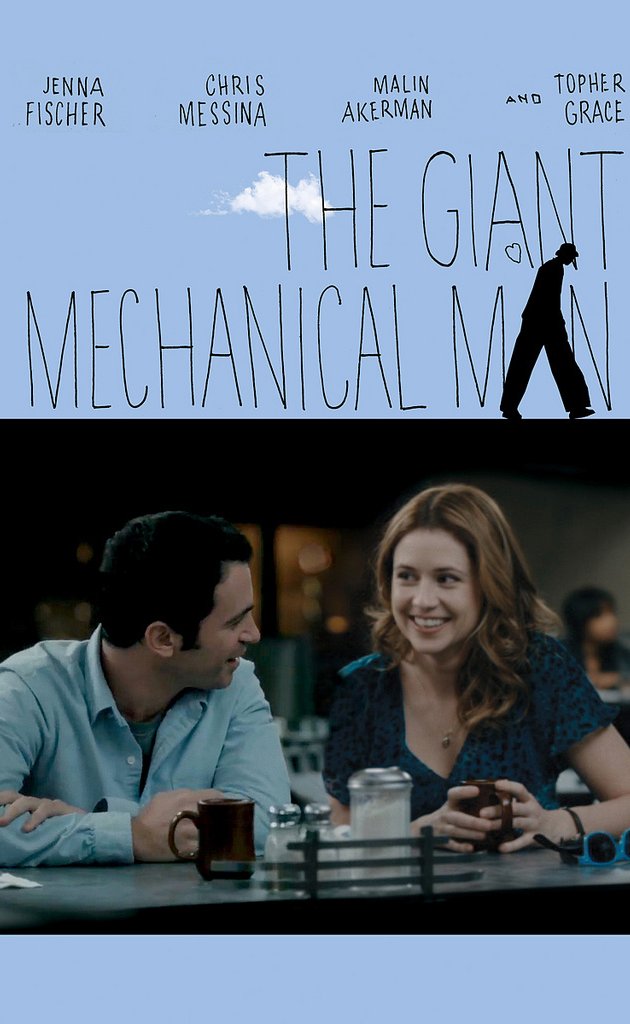
 ASSHOLES WATCHING MOVIES