
Jane Fairchild (Odessa Young) grew up in an orphanage and was turned out at the age of 14 and pressed into a life of service. She works as a maid in post-WW1 England for the Nivens (Olivia Colman & Colin Firth), who lost both sons in the war. Their dearest friends the Sheringhams also lost two sons in the war but have one remaining – Paul (Josh O’Connor). All 5 boys grew up together and were quite close. The Nivens have come to think of Paul as a little bit theirs.
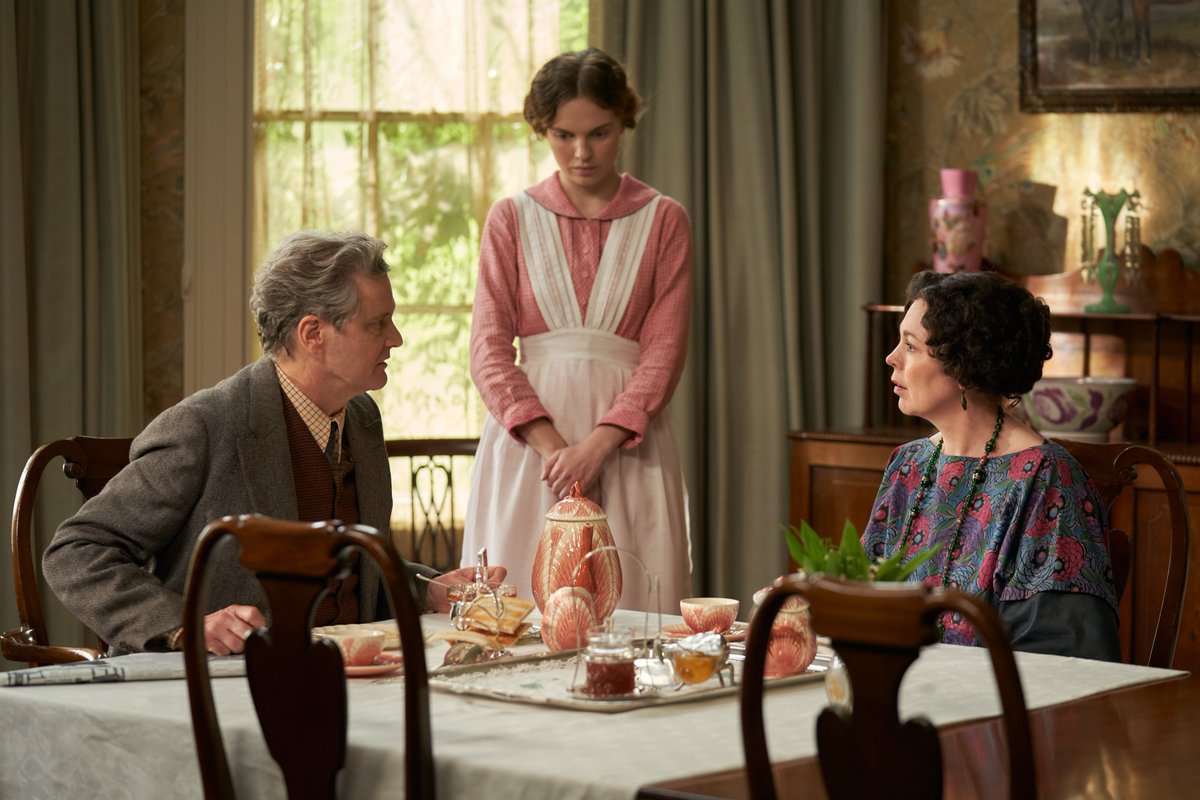
Jane, too, has come to think of Paul as a little bit hers because they’re having secret sex at every opportunity, which are admittedly few. In addition to the upstairs-downstairs wrinkle, there’s also the small problem of Paul’s being engaged to marry (someone else). He’s actually engaged to a woman who was meant to become the Nivens’ daughter-in-law, but now goes to Paul, by default. As you can imagine, it’s not the most romantic of engagements, but he considers it his duty as sole survivor to do what the others cannot.
The movie looks gorgeous, of course. This is what British cinema does best. But it’s also completely morose, unrelentingly gloomy, and unforgivably languid. Grief and loss shimmer insistently in the corners, but the British propensity for a stiff upper lip prevails, and all these grief-stricken parents do their best to muddle on in their big empty homes that feel more like memorials.
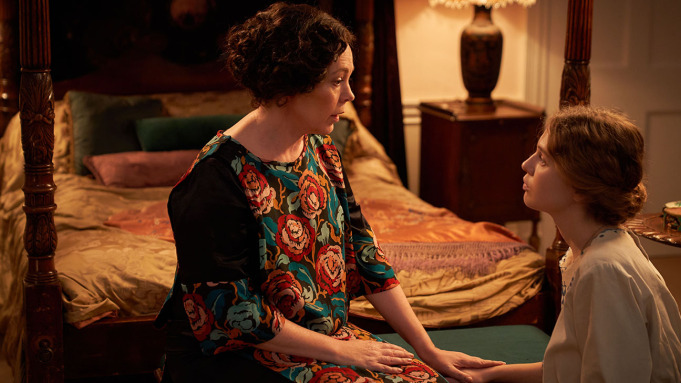
Traditionally, before mother’s day, mothering Sunday was a day off you gave the servants to go visit their mums. The title used here makes us painfully aware of so many sad circumstances. What is a mother when all her children are dead? And what is a daughter when her unknown mother gave her up? In her fog of despair, Mrs. Niven tells Jane how lucky she is to have been “born bereaved;” with no parents or family to lose, Jane will never know the pain of their loss. Being motherless is a gift, so says a woman drowning in grief and cynicism, Jane is free because she has no-one to care about. It’s both true and not true (not to mention a pretty awful thing to say, though we’ll forgive her because she’s completely heart broken but trying plenty hard not to let the mask slip). Jane has no mother to visit on Mothering Sunday, but that leaves her free for a fuckfest with her lover. And though Paul’s just a fortnight away from marrying (this is likely their last encounter), their time together isn’t tinged with sadness. They linger over each other with fondness, naked and unafraid. But Jane isn’t going to find a happily ever after here (nor, for that matter, is Paul). At most, suggests a future Jane, played brilliantly if briefly by Glenda Jackson, it is fodder for a brilliant writing career.
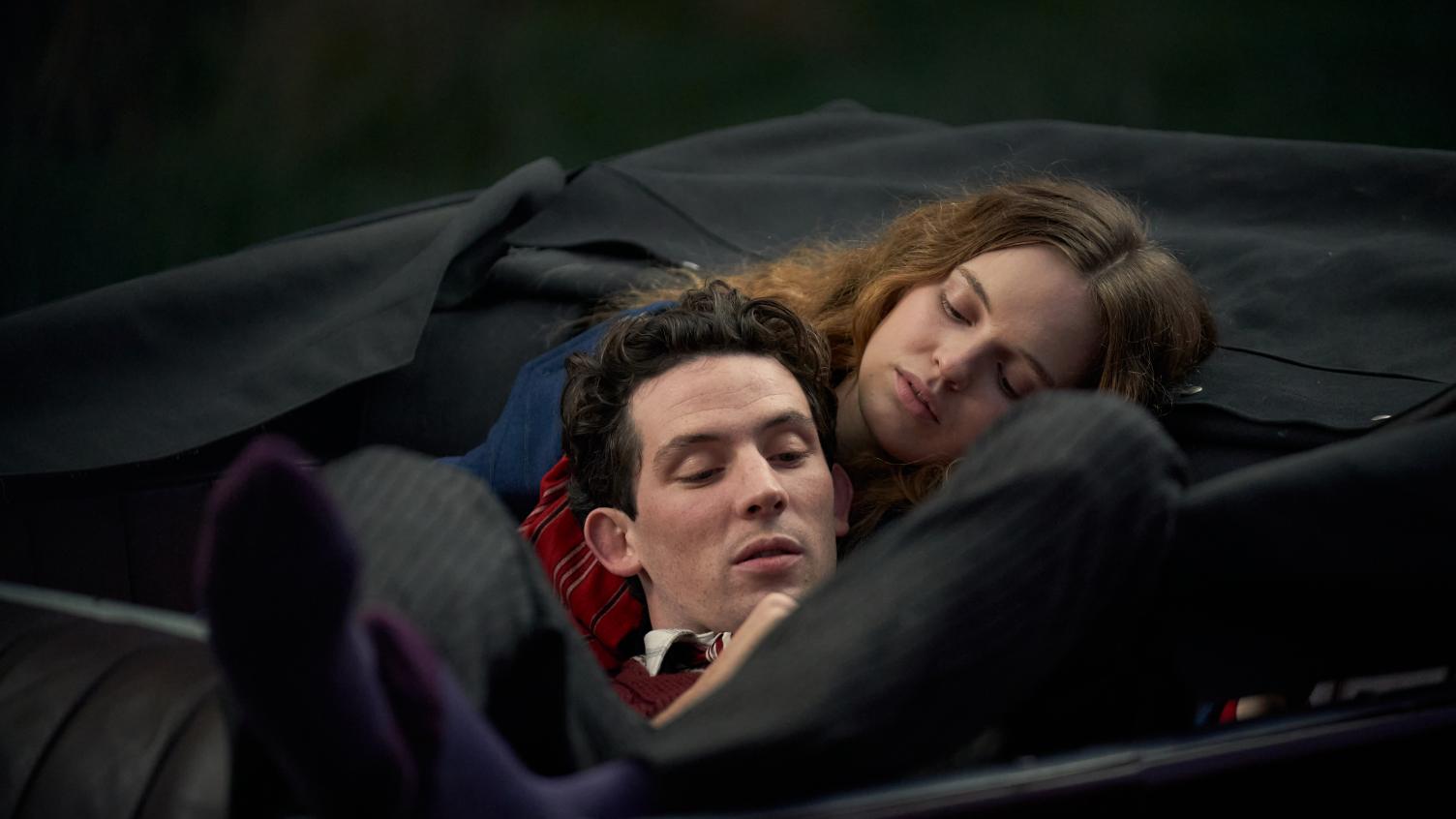
Unfortunately, the film lingers over literally everything, and though there are some brilliant bits, they are too few and too far between to really gather momentum or build emotion. The whole thing comes off as rather cold, an old woman’s memory of a torrid love affair that’s lost its heat.
Mothering Sunday is an official selection of TIFF 2021.

 What’s left is a story without a single breath of uniqueness. Drugs are bad, behaviour off the rails, shipped to rehab against his will, detox makes you sick, “I don’t need to be here,” resistance, rule-breaking, temptation, uncovering trauma, cautious optimism. Insert new names and this could literally describe at least a dozen movies about addictions, and those are just the ones I can name and I can’t name shit. Although Sam Taylor-Johnson makes things pretty (save her own husband, with cracked teeth and a broken nose), this feels like a very familiar, very formulaic iteration.
 Wales are quite enraged, so they’re only going to come at Robert (Chris Pine) harder – including declaring him an outlaw, and seizing his wife and daughter (which is poor gift-giving etiquette on their part). So Robert just gallops around raising hell and hopefully spirits until the two sides meet in an epic, EPIC, horse-murdering battle.
 successfully airlifted to a hospital…but the next morning they discover they’ve sent the wrong cooler along with him, and his beef whistle is still on site. Knowing reattachment has only a very small window, they set out on an adventure to get “the package” to their cockless friend, and they’ll meet up with some very turbulent, often very gross times along the way. Though it’s insensitive of them to complain about it since poor Jeremy is sitting in the hospital with a hole in his crotch, mourning the loss of his beloved flesh flute.
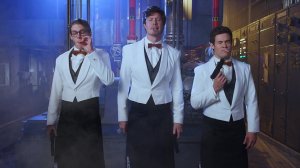 Anderson) step up and save the day? Haha, no. Not even close. Not even unintentionally. I mean, they’ll mistakenly believe in their own hero potential at times (I extrapolate this from the slow-motion hero walks they do down dingy hotel hallways) but they’re never sober enough, smart enough, or organized enough to get shit done. But don’t worry for a single second that there won’t be enough bone-headed antics to go around: there will be blood. And guts. And digits and limbs and pieces of face sprayed all over this damn hotel.
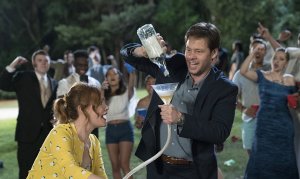 assert themselves sexually. All the usual bullshit about female virginity is thrown into the gutter with other outdated notions like the earth is flat, and bloodletting as a cure-all. These ladies are real, raw, and raunchy when it comes to sex, which, sure, is refreshing, and that’s nice and all, but the truth is we wouldn’t give a damn about myth-busting if it wasn’t entertaining, and this movie captures that elusive comedy magic and makes its audience howl with laughter.
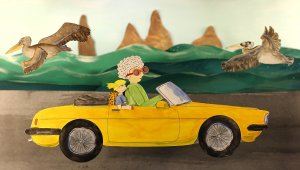 psychological projections, so even though the movie is without dialogue, we still feel what Clyde is feeling. When in the car with his mother, we don’t hear them argue, but when a speech bubble features a bear biting off the head of a rabbit, we get the gist. Clyde’s mother is schizophrenic, and what she sees as a fun-filled family road trip from San Diego up to New York, the rest of the world views more as kidnapping. It’s a trip that will change Clyde and his family forever.
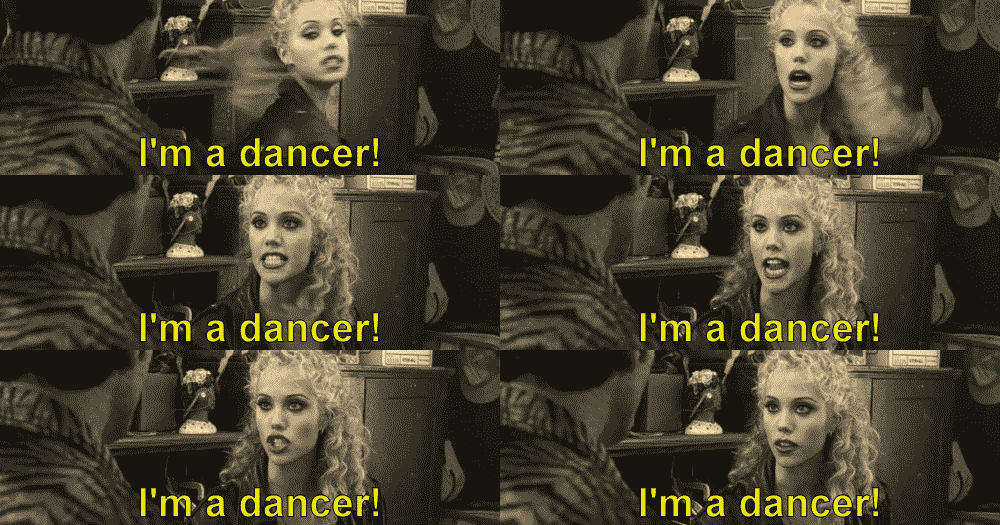
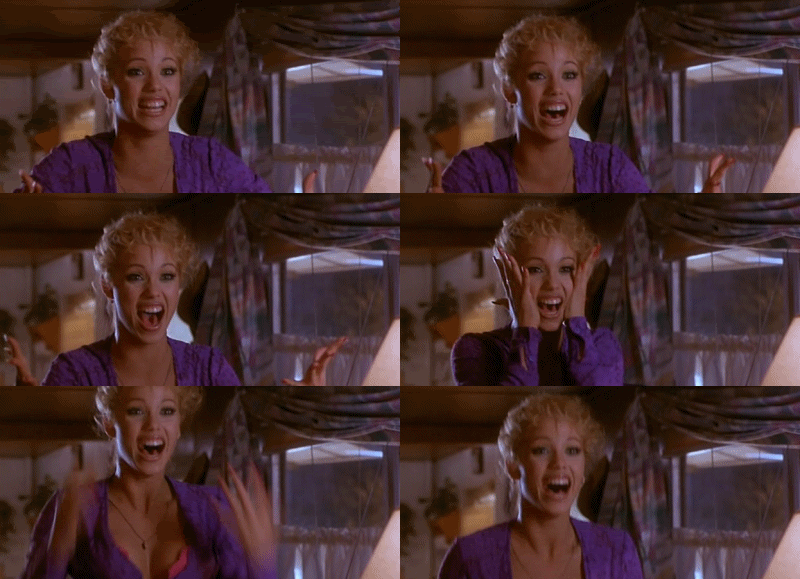 Cue Showgirls, the movie where she somehow failed to earn accolades or respect by baring her beaver. In fact, the film positively dies every time she’s on screen. She’s horrible. Horrible. I was literally annoyed by her in less than 2 minutes flat (watch it and see if you can do better!).
 Verhoeven turned up in personal to collect both Worst Director and Worst Picture. He was the first director to ever do so (Berkley opted not to collect hers).
 MacLachlan can – he’s said to have walked out of the premiere but he denies it, insisting “I sat thee and suffered for the whole two hours.” Steven Spielberg also gave up on the movie halfway through, saying “Sometimes, I hate this town.” It does have a fan in Quentin Tarantino though – he calls it “the Mandingo of the ’90s.”
 ASSHOLES WATCHING MOVIES