
Kate and Alex own a successful, upscale second-hand furniture store; they buy estate items from grieving families and turn a tidy profit. Kate (Catherine Keener) and Alex (Oliver Platt) also own the apartment next door to theirs, and are impatiently waiting for its former owner and current occupant to die before they can knock down some walls and start the renovations. The old lady is cantankerous enough that they don’t feel particularly guilty about this, though their repeated run-ins with her granddaughters (Rebecca Hall, Amanda Peet) are increasingly awkward.
That sounds kind of brutal, but what writer-director Nicole Holofcener has created in Kate is actually a very interesting, nuanced character who’s experiencing some of that white woman, liberal guilt that comes with middle age and introspection. Kate is living  in complex economic times that challenge her notions of propriety. She can’t pass a homeless person without contributing to their cup, which makes her privileged teenage daughter somehow feel deprived. There’s something really fascinating about Kate; she’s complex, and not afraid to have conflicting emotions. She has mastered the world in which she lives but while she isn’t comfortable holding the reins, she’s not a hypocrite, and she knows deep down she wouldn’t want it any other way. Meanwhile, the women next door, in less than ideal circumstances, provide a nice contrast to Kate’s guilty affluence.
Catherine Keener continues to be under-rated but she’s really terrific in Please Give – it’s inspired casting. Kate’s empathy and ambition give her a complexity that’s rarely seen and difficult to pull off, and I can imagine it being a lot less successful in almost any other hands. The movie feels a little slight at times, a little thin in plot, but everyone has a point of view and the film maker trusts us to sit with the themes and experience our own version of existential reckoning.
 relationship, taboo and reviled in the 1930s and 40s, was that it inspired the creation of the Wonder Woman comic. Marston’s original stories (written under a pseudonym) incorporated the feminist ideals embodied by his wives. Wonder Woman was a strong woman who needed no man. His early comics also involved a fair amount of bondage and submission, which he pursued in his own bedroom and thought more young men should be turned onto. You can imagine the sort of censorship and uproar he faced.
 his case worker is yanking him away to yet another group home. Tom has bounced around in the foster care system and Mary’s compassion is inflamed. Tom runs away one wintry night, and the fact that he seems to have run to her home briefly for refuge preys on her imagination. As the days go by and a powerful winter storm pummels them, townspeople give Tom up for dead but Mary becomes haunted by his ghost.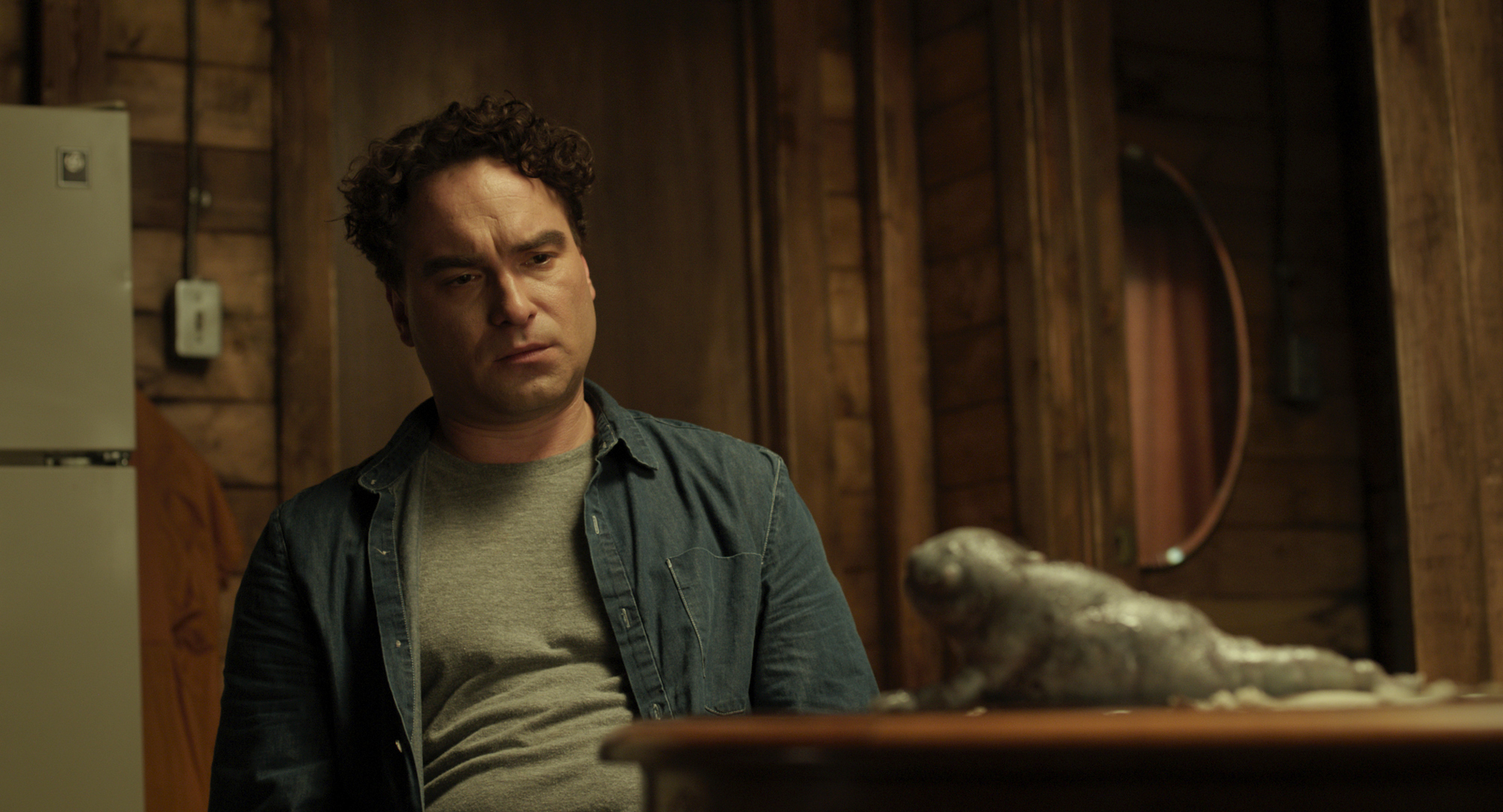
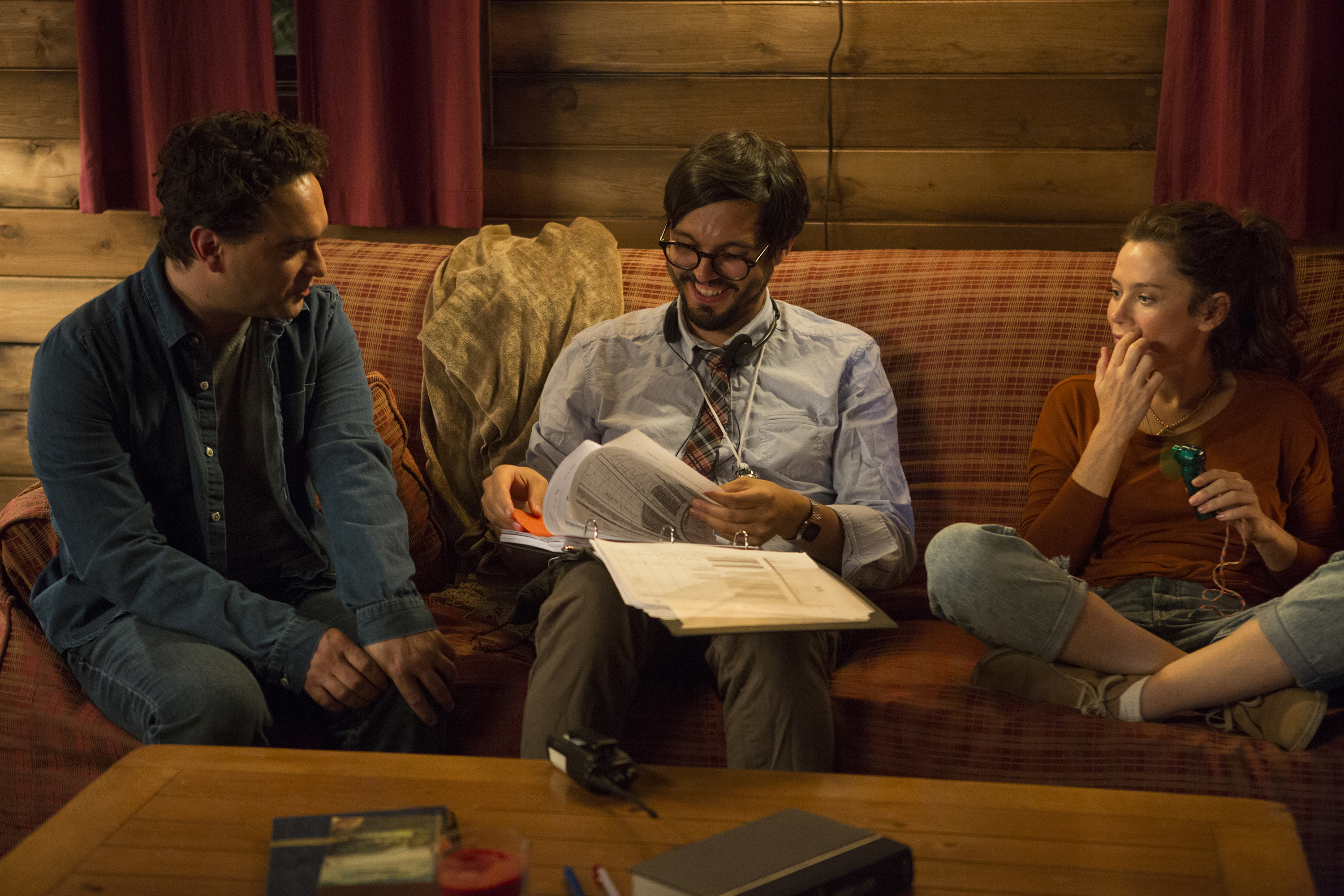
 This film is actually a dramatic reenactment of a documentary of the same name, by G.J. Echternkamp. And his parents are undoubtedly larger than life, which in this case is a kind euphemism for colourfully pathetic, hopeless losers. Rene Russo and Oliver Platt play the titular characters and you’ve got to admire their abandon. They each give strong performances, and you’ve got to give props to Russo in particular for her willingness to throw herself into such an unflattering role.
 to stick to the source material means this movie has no real backbone. It ambles but doesn’t amount to much. And weirdly, GJ seems to be the least developed character – it’s his story but he’s a pretty passive player. And that feels ironic since Echternkamp himself helped bring this script to life, and he’s also sitting in the director’s seat, although at times he seems to forget about the advantages of feature vs documentary – he could make the scenes look amazing yet seems to enjoy filming in dank little corners.
 ASSHOLES WATCHING MOVIES