
 Cafard is the French word for cockroach. But make no mistake, the animated film Cafard is not the French version of A Bug’s Life. It’s a bleak, adult tale about the horrors of the first World War, from the perspective of a world champion wrestler who enlists in the Belgian army in 1914 after his daughter is raped by German soldiers. Unfortunately for all involved, that terrible event is only the start of the awfulness.
Cafard’s story is told well but it didn’t thoroughly draw me in, and I wonder whether that is because I never related to the protagonist. While well-meaning, his brute force approach did not translate from wrestling to the rest of his life, and his journey is unsatisfying as a result.
The film’s subject matter was likely a cause of my detachment as well. This is a movie that is difficult to get close to, because it does not sugar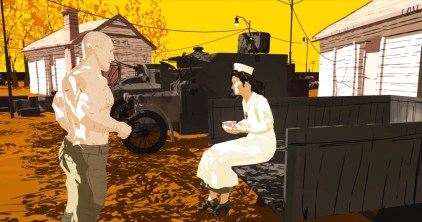 coat any aspect of war’s horrors. While that approach is commendable, it is that much more difficult to embrace Cafard. I would have liked for the film to have offered something to offset its harsh subject matter, but there is no joy to be found in this world. Any hint of happiness feels fleeting, like a consolation prize at best.
Fittingly, Cafard’s motion capture animation is harsh and eerily realistic, just like its storytelling approach. The visuals fit the movie tonally but are at times distracting, particularly because Cafard by and large is almost photorealistic but there are occasionally very roughly drawn scenes that seem like they contain animation errors. It is too bad because those moments are few and far between but that made them even more jarring when they appeared.
Despite those minor complaints, from an artistic perspective the film consistently reflects Cafard’s sad subject matter, and tells its story effectively and with purpose. That is an achievement deserving of mention. The film is thematically consistent and demonstrates the futility of war from start to finish. Cafard hammers home that theme and I left the theatre feeling that the filmmakers might even be satisfied that I found the film so difficult to enjoy. War is hell, after all, and Cafard delivers exactly that.
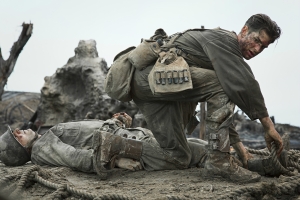 There are two main takeaways from Hacksaw Ridge: (1) even American acting jobs are now going overseas, as aside from Vince Vaughn every American soldier in this movie seems to be played by an Australian (included in that tally is Andrew Garfield, who I have since learned is British, not Australian, but still…); and (2) if the Japanese had just prayed harder they might have won the Second World War.
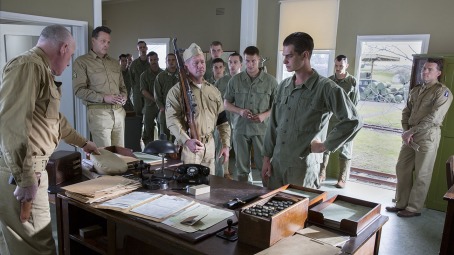 Incidentally, if the intent behind not putting Mel Gibson’s name up front in the marketing was to create some separation from those all-too-frequent racist comments in Mel’s past, it might also have been a good idea to cast at least one non-white guy. Just saying.
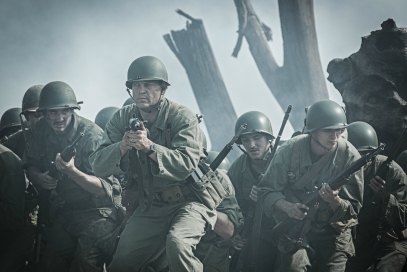 he doesn’t hold a grudge, and hauls 75 of them off the Okinawa battlefield even after they made his life so rough.
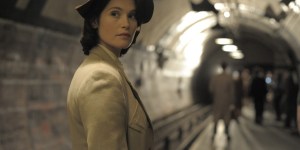 Catrin (Gemma Arterton) hired to write “slop” (ie, the female dialogue) appeases him by enlarging the role of the drunk uncle just for him. Convincing her boss Tom (Sam Claflin) to let her do this is as infuriating and degrading as you’d imagine – until he starts to fall in love with her, of course.
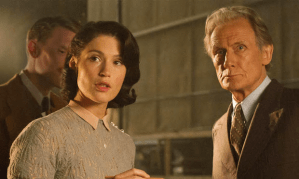 She mustn’t get too attached to feeling useful or creative. The war makes everything tenuous.
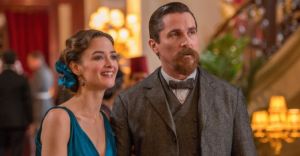 viewer in an awkward position: in order to root for our two heroes to get together, Chris and Maral, who’ve done nothing wrong, will have to die. That seems excessive, doesn’t it?
 the “free state of Jones”, made up of deserters, runaway slaves, and women, and they start their own mini rebellion against the corrupt Confederates in charge. The soldiers have been raiding local homes, taking their “10%” (more like 90), but leaving large plantations untouched. These people aren’t exactly hard to convince which side will benefit them most.
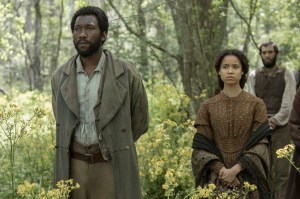 it lollygags from scene to scene, dwelling in weird places, then rushing through others. Perhaps Ross has simply bitten off more than he can chew, but you can see his good intentions shine through. What we need, though, is passion. It’s sadly lacking here. Even McConaughey’s strong performance is muddied by the white saviour characterization: Knight was a much more divisive figure.
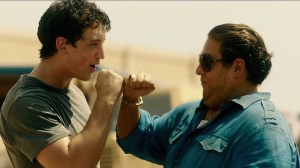 school bud David in on the deal and soon the two of them are rolling around naked on crisp 100 dollar bills (I assume: this wasn’t in the movie, it just seems intuitive).
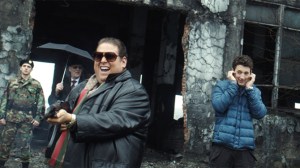 pockets. But as I was saying, Phillips divides the film into chapters, which is kind of a neat trick, except he forgets to have a point of view. So this movie, which should have a lot to say, actually says nothing. Take a fucking stance! Two uneducated, inexperienced kids, got their grubby hands on a) crazy amounts of money and b) crazy amounts of weapons and the United States government didn’t just let it happen, it made it happen. War is about money. We all know this, rationally, no matter George W.’s stated reason. It’s about economy. But it’s still painful that there’s no context. There are no good guys, no bad guys, no victims, no soldiers, no dead or dying or shot or bleeding. There’s just greedy little fucks making bank.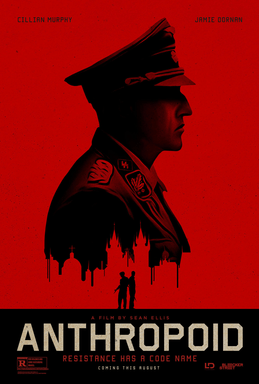
 There are few illusions to be found among the resistance about walking away after the mission is over. That may be the most disheartening part of the whole affair. Everyone involved knows that assassinating Heydrich will not win the war; rather, it is a kick to the hornet’s nest that will likely escalate Germany’s killing spree. But it is all they can do and so they proceed. The resistance members’ bravery in the face of there being no winning outcome is well-portrayed. There are several memorable moments along those lines, including a nicely-played theme as one of our heroes learns to cope with the terror that all soldiers must experience.
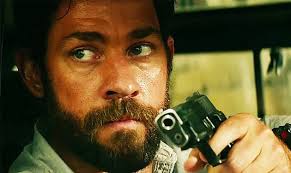 the best I could describe it was “that stupid war movie with Chris Pratt.” Because in my mind I’d confused two of my most adored chubby funny guys on TV-turned ripped movie stars. Also: Chris Pratt starred in Zero Dark Thirty. Different war, same shit. And Michael Bay is not Kathryn Bigelow.
 simultaneously Skype their families so that we know they have loved ones at home and are not as expendable as they feel. They’re the same loved ones these guys abandoned to fight a war that isn’t theirs, that they don’t even understand, in a country they don’t care about, unable to distinguish bad guys from good, and won’t be rewarded for either way. It’s real uplifting!
 of “Kabul cute” – women who were a 4 back home in New York are suddenly 10s. Tina Fey plays the 4. Margot Robbie plays a 15.
 the trailer, for that matter, played up the movie’s comic aspect even though the movie’s a dramedy at best, lobbing one-liners like hand grenades into a pretty grim war zone.
 ASSHOLES WATCHING MOVIES