
November 11th is Canada’s national day of remembrance, and is a memorial day observed by many Commonwealth nations to remember the members of their armed forces who have died in the line of duty. It marks the 11th hour of the 11th day of the 11th month, the end to hostilities of the first world war (in 1918). At 11am we stop, as a country, whether at work, play, or school, for two minutes of silence, just a small slice of our lives for such a large sacrifice of theirs.
 We wear red poppies, the flowers that bloomed across some of the worst battlefields of WWI (commemorated in the poem “In Flanders Fields” by Canadian John McCrae), that have come to symbolize the blood spilled during war. They are worn as an emblem of peace – so that we don’t forget, so that no more blood is spilled. The poppy campaign actively supports retired veterans and their families.
Our remembrance ceremonies happen right here, since we live in our Nation’s capital city, Ottawa, at the National War Memorial. An honour guard – unarmed soldiers – stand by the War Memorial, and the tomb of the unknown soldier year round as a tribute to their fallen brothers and sisters. Last year Sean, Matt and I attended the ceremonies just as our city was still 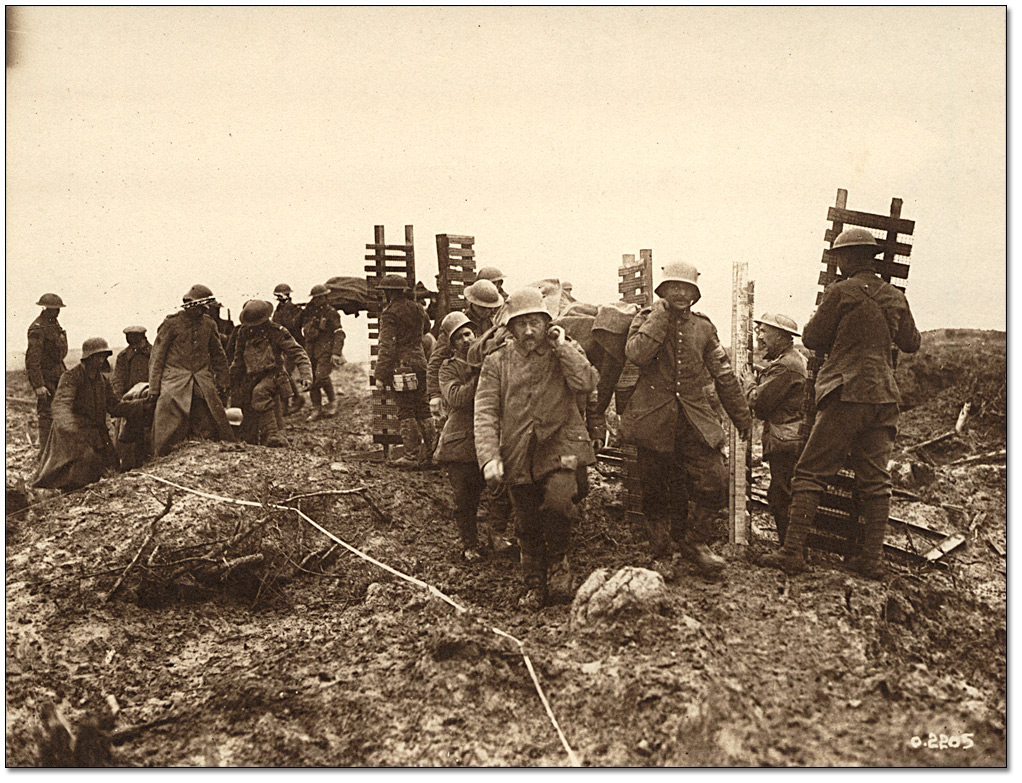 mourning the attack on Parliament that had occurred just a few weeks before and resulted in the death of one of the honour guard right on that very spot. Thousands of Canadians came to watch the solemn parade of veterans march in, the road being opened for the first time since the attack. The city was still a little shaky, but there is something so dignified and uplifting about those veterans and their determined entrance. The pack dwindles every year; many who remain have to be supported by others, or rolled in wheelchairs, but their presence is invaluable for young Canadians who have never known their country at war. At the close of the ceremony, we leave our poppies on the tomb of the unknown soldier and we file out to the sounds of the bells
  tolling at the Parliamentary peace tower (a 53-bell carillon, in fact). The peace tower was erected after Parliament burned down in 1916 as a tribute to Canadians who gave their lives to the great war. The memorial chamber up top is a vaulted room with stained glass windows illustrating our war record, and brass plates made from spent shell casings found on battlefields inlaid into the floor. There’s also a book of remembrance containing the names of all Canadians who gave their lives in service of their country. Every day a page is turned to reveal more names. Sean and Matt both have family members listed in that book; every year their families will receive notification of which day those names will be seen publicly.
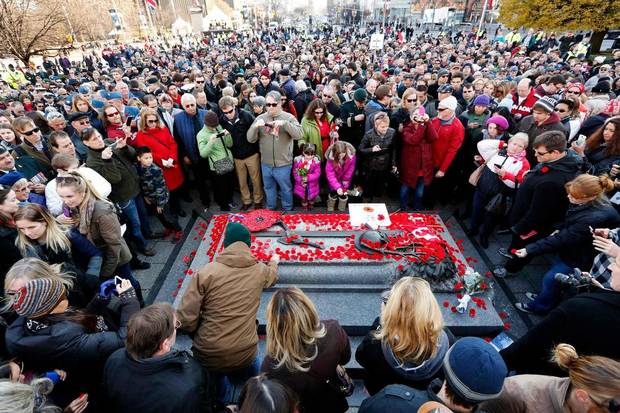
Canada is a small country that fights hard for what it believes to be right. 110 000 lives were lost 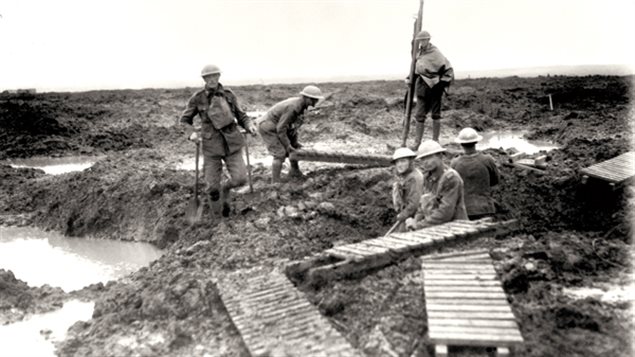 between the two world wars (619K served and 65k died in WWI alone when we had a population of less than 8 million), but Canadians played invaluable roles overseas, notably in battles at Ypres, Vimy Ridge, and Passchendaele during WWI, and Dieppe and Normandy during WW2. We are often forgotten in blockbuster war movies, but not by the people who benefitted. All these years later, a Canadian travelling in France will always be greeted warmly.
Passchendaele is “our” war movie, likely overlooked by anyone outside our borders, written and directed by Canadian Paul Gross. Gross’s grandfather was a veteran of the first world war, and he incorporates a lot of personal touches into the script, including his grandfather’s deepest secret and greatest regret: having bayoneted a young enemy soldier in the forehead. His  grandfather was still muttering for forgiveness on his deathbed. It’s crippling to think not just about all the young men who died over there (and whose bodies remained over there), but think of those who came back, having done their duty, but paid a very high emotional price.
The film is no technical achievement. Gross pays his respect by sticking to historical fact within the constraints of a Canadian budget. It can’t have been easy to balance those things, and the unevenness shows through. But I’m going to forgive the flaws because when a man goes awol because he can’t cope with the fact that he’s received a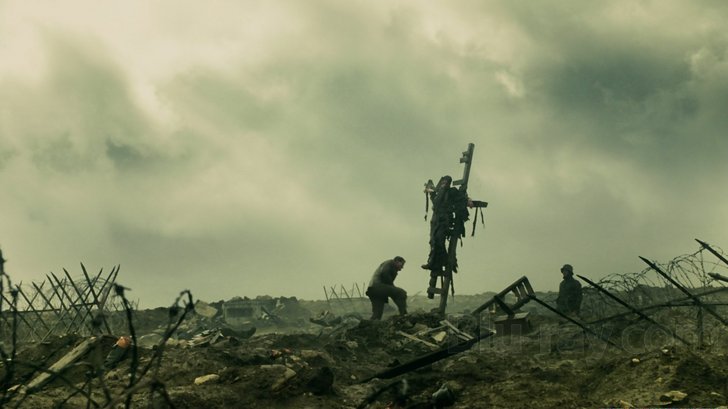 medal for having bayoneted a kid, it’s kind of a powerful thing. And because our very real war contributions have tended to be forgotten by film, this is a story that needed to be told, and deserves to be seen. I wish it was better but I’m glad, at least, that it exists.
Passchendaele (now called Passendale) is only 12 km away from Boezinge, where Canadian war physician John McCrae wrote his famous poem “In Flanders Fields”. Lt.Col. McCrae died of pneumonia in 1918 near Boulogne-sur-Mer, and lies buried in Wimereux. The battle at Passchendaele was for control of the ridges south and east of the Belgian city of Ypres, about 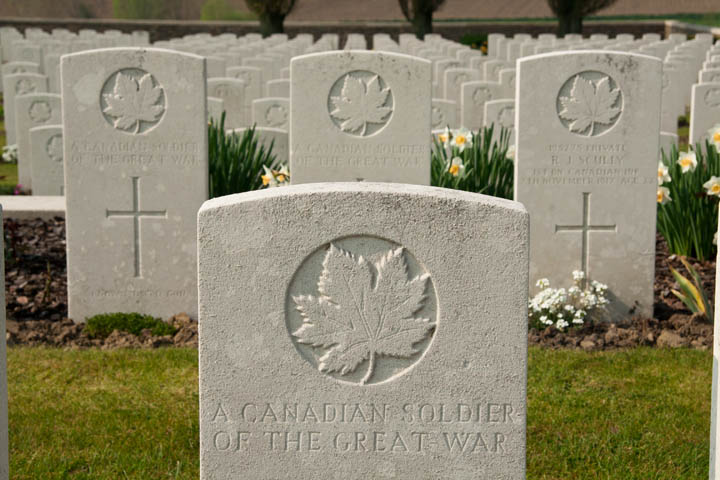 8km from a railway junction vital to the Germans’ supply system. The allies fought the Germans but were unable to clinch because of unusually wet conditions (the mud was a defining characteristic), the onset of winter, plus the diversion of British and French resources to Italy. The campaign ended when the Canadian Corps arrived and captured Passchendaele with a series of well-executed attacks. The Canadian Corps is commemorated with a memorial in a small, keyhole-shaped area of land on the fringe of Passendale village, aptly dubbed ‘Canadalaan.’ The park is lined with maple trees.
Thank you for your service. Thank you for your sacrifice. Thank you for my freedom.

 into his Band of Robbers, where they can make “bad guys pay” and get a heck of a pay day for themselves.








 , starring the ever fabulous Alan Cumming as Rudy, a down-on-his-luck

 , where Robert DeNiro plays a retired cop who strokes out during a crisis in his building. He’s too proud to leave his apartment after the resulting partial paralysis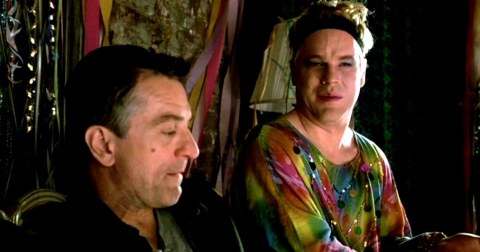
 (about Amy Winehouse) and





 movie, the Council of Conservative Citizens justifying the call to action with the following statement: “It seems that Marvel Studios believes that white people should have nothing that is unique to themselves. An upcoming mo



 eart, instead railing against the technology, angry that they haven’t used it instead to cure real disease. “I am your prophet of doom” she says.
 ry to savage the increasingly degrading and dehumanizing movie industry is not a perfect fit, but it does inspire some interesting questions, though Folman is, as ever, light-handed with those. He doesn’t like to beat us over the head with ‘message’ so we’re left to make of this hybrid what we will.
 king this on? Not in the least. Attempts can be inspiring. I only regret that I didn’t take someone along with me, because when you’re lost among lofty ideas and niggling questions, it’s best to have a hand to hold.
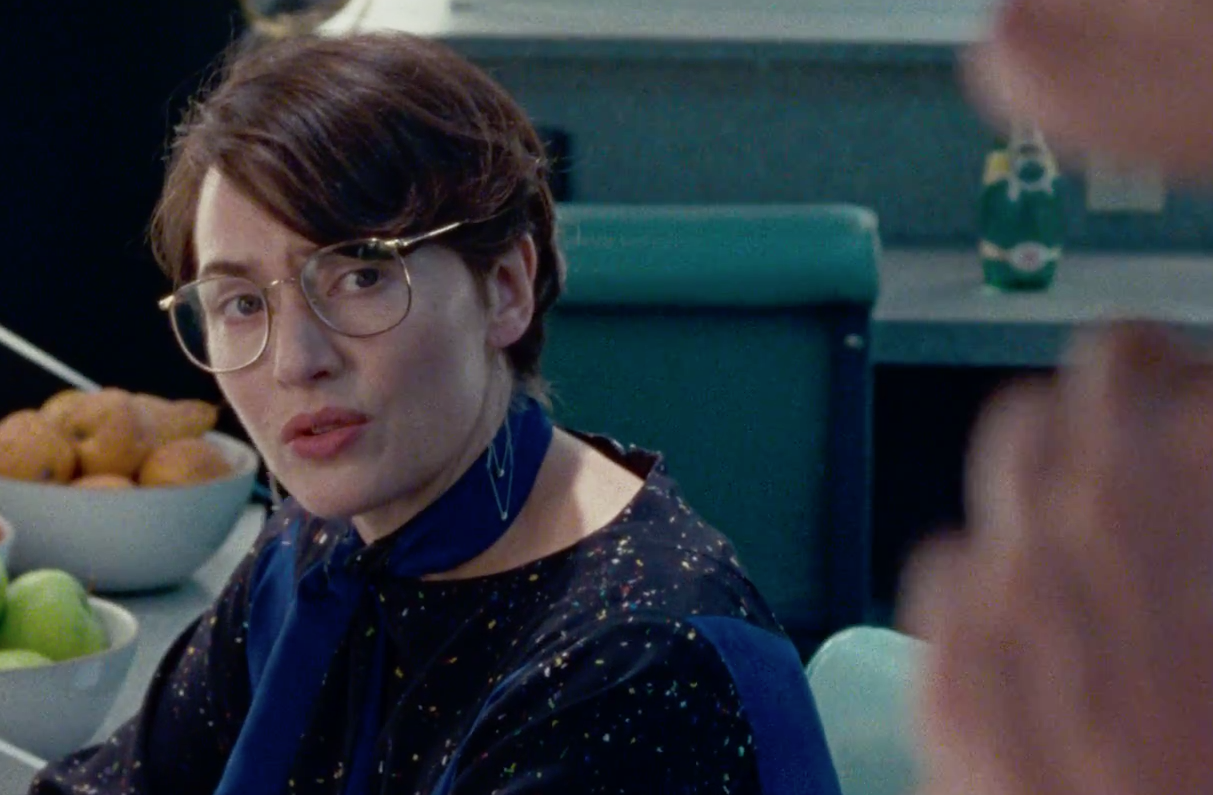

 an election ultimately decided by just 500-odd votes, but that summer Mapes’ mother died and the story never aired. Four years later, though, the story is revived when someone comes forward with documents. Mapes and her team (Elisabeth Moss, Topher Grace, Dennis Quaid) bust it wide open after a lot of teasing and research and legwork, and Dan Rather presents the case on 60 Minutes. But of course Republicans were never going to let this
 king, hologramming computer for Youtube. I spent years as a little girl putting on Jem concerts in a neighbour’s garage, so I think I know what I’m talking about. Even the earrings were botched, for crying out loud. And where was the awesome rival band, the Misfits? Jem and the Holograms weren’t just rockstars, they were businesswomen, philanthropists, crime fighters, and foster mothers. While it aired during the mid-80s, it was in the top 3 most watched kids’ cartoons. Why then did the studios spit in the eye of the franchise by making a movie that was sure to fail? And isn’t even good enough to attract a new audience? How would

