

In Shazam, 14 year old Billy Batson is given magical powers by an old wizard (Djimon Hounsou). Suddenly, by saying “SHAZAM!”, he turns into an adult superhero (Zachary Levi) with super strength, super speed, and a whole lot of other powers. Billy is given these powers so that he can prevent the seven deadly sins from destroying the world. Naturally, teenager Billy has slightly different priorities, such as using his new powers and appearance to earn money, make killer YouTube videos, and buy beer.
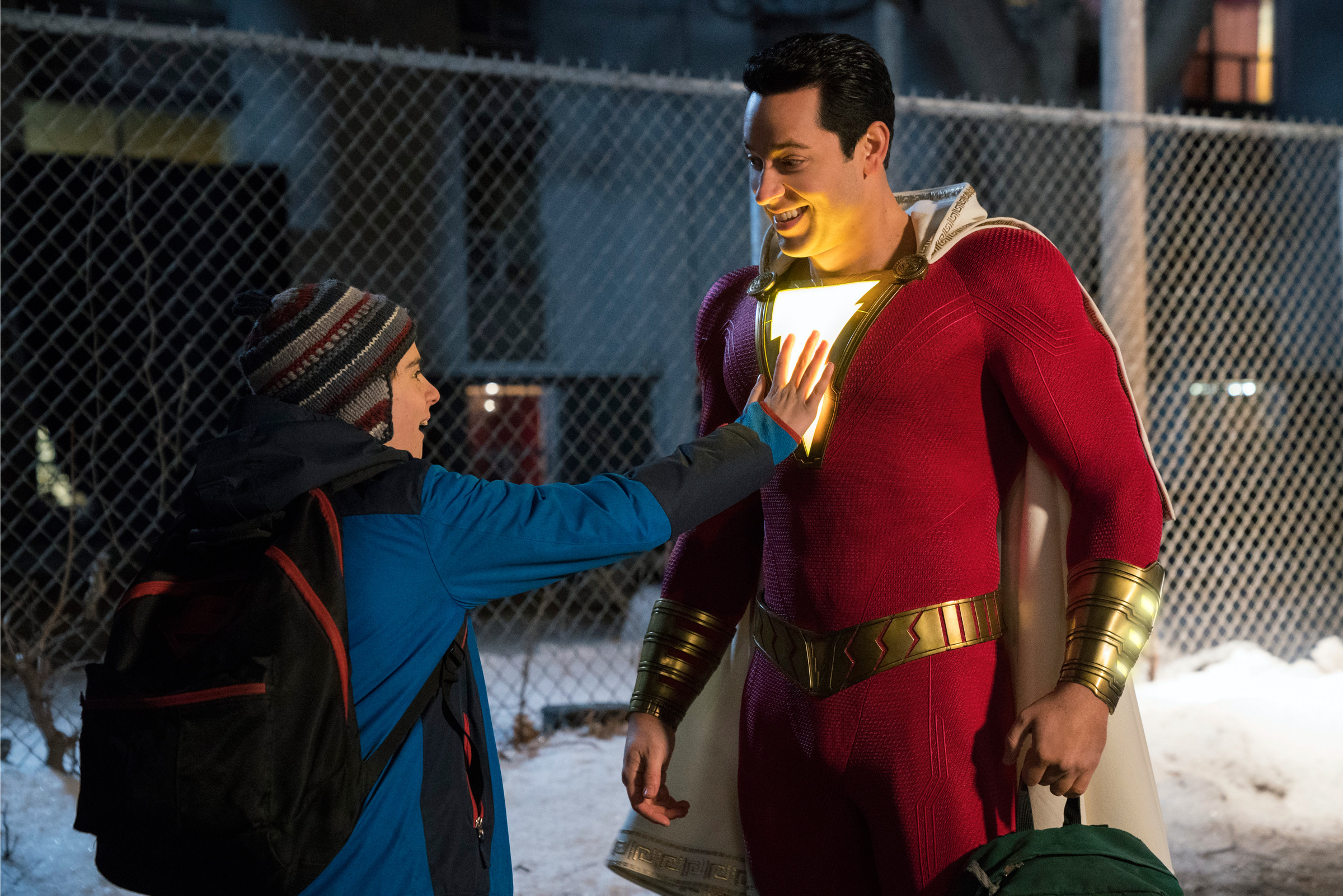 Also on Billy’s to-do list: picking a great superhero name. Billy and his best friend try out a lot of options for Billy’s superhero throughout the film, like Captain Sparklefingers, Power Boy, the Red Cyclone, Mister Philadelphia, Maximum Voltage, and on and on. None stick. Captain Marvel is noticeably absent from the list, and the name problem is a nice nod to the real world legal issues that Shazam has faced since the 1940s, as the character has been enjoined, traded, discarded, renamed and reimagined numerous times since. As a bonus, Billy even says “Holy Moly” a couple of times in the film, which was comic Billy’s go-to but which no one else has said since about 1962.
Billy’s behaviour is schlocky and charming and works wonderfully for a superhero who has also been called The Big Red Cheese. But interspersed with the corny stuff is a really terrifying villain (Mark Strong), who has a glowing rock for an eye, calls upon demons to decapitate, dismember and destroy a whole boardroom of corporate suits, and watches with a smirk as a rival turns to ash. These tonal shifts are not just uneven, they are jarring, and more than that, the dark aspects of this film make me hesitant to recommend this film to my brother even though my seven year old nephew insists on being notified whenever the Shazam trailer comes on TV.
Still, DC has delivered its second good film since trying (and then aborting) its shared universe project (Wonder Woman is still the best by far and will be hard to beat). The problem for DC is that having now said that each movie is its own entity and there’s no bigger narrative, meaning there is no need for regular movie goers to seek them all out. So when a good one comes along, people will go see it, but when the next one’s mediocre, the masses can skip it without worrying that they’ll miss something. In my view, a big part of Marvel’s success is that each chapter might add something important, so I’d better see it even if I’m superheroed out that month. DC has now walked away from that which only increases the pressure for their movies to measure up, and that’s a questionable choice when DC has more misses than hits to this point.
 t of Cybertron, which has been taken over by the evil Decepticons. Bumblebee is one of the fleeing Autobots and he ends up on Earth with instructions to scout out the place and wait for his friends to arrive. But of course, the Decepticons track him down first and the little yellow Transformer needs the help of his new human friends to save the world.
 including Charles Barkley, Patrick Ewing, Larry Johnson, Muggsy Bogues and Shawn Bradley. Jordan is then recruited by Bugs Bunny to play with a bunch of other cartoon characters, with some help from Bill Murray and no help at all from Wayne Knight, as the cartoons take on the aliens in a basketball game to determine whether the aliens will enslave those loony ‘toons as an amusement park attraction.
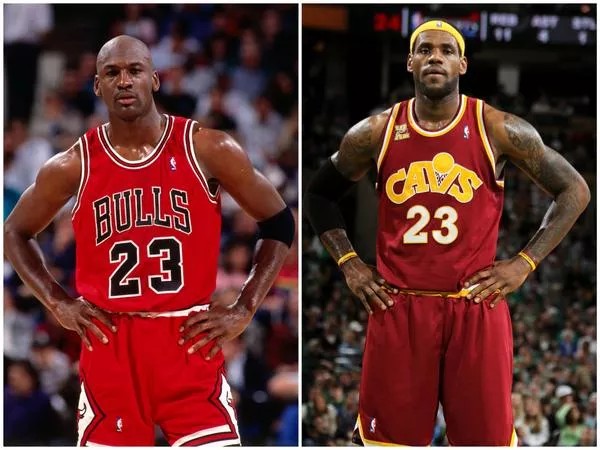 If LeBron’s career arc is any indication, the next Space Jam is destined to be technically superior to Jordan’s original but lacking the same emotional core. That doesn’t bode well for the reboot when there was no substance or emotion to the first Space Jam at all. Watching it again only makes one wonder why anyone bothered to make it in the first place, as well as why James would want to invite any more comparisons to Jordan’s six for six NBA Finals record against LeBron’s three wins and six losses in his attempts (which I don’t begrudge but I’m in the minority on that point). On the other hand, since the original Space Jam has nothing to offer, the reboot can’t possibly be worse!
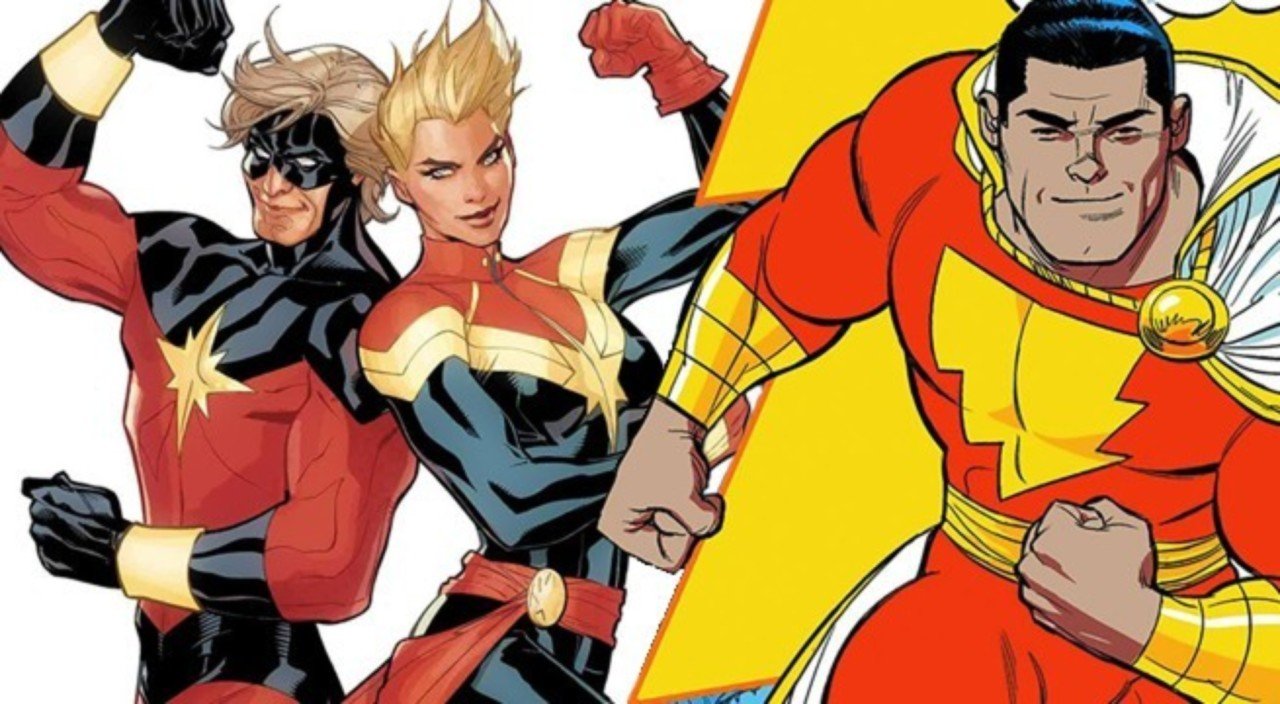 Comics decided that if any comic publisher should have a Captain Marvel, it should be them, so Marvel threw together a half-baked story about an alien named Mar-Vell to secure a trademark for the Captain Marvel name, won a lawsuit against DC and others, then gave Mar-Vell cancer and made him the only comic character in history to stay dead.
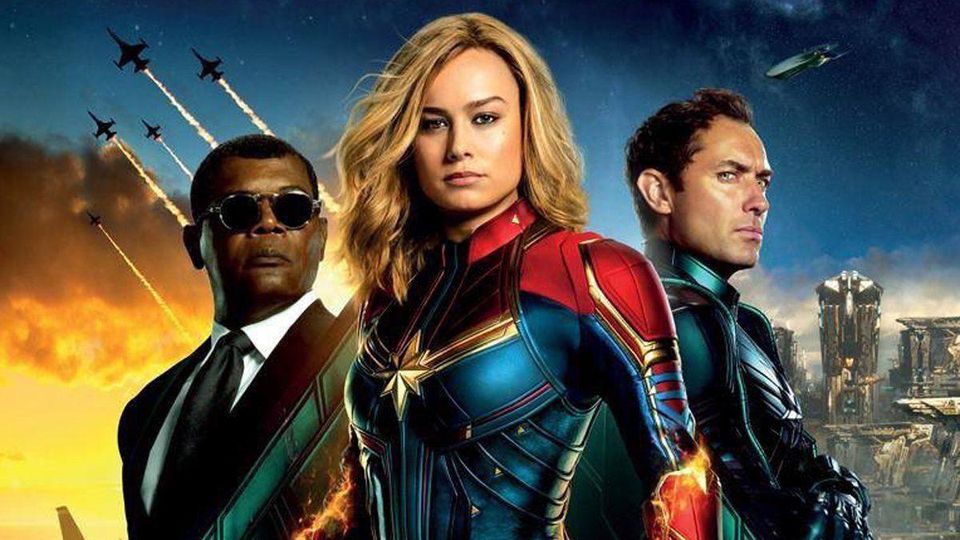 a Skrull ambush, she crash-lands on mid-90s Earth (smashing through the roof of a Blockbuster Video, as probability would dictate) and realizes that she’s been on this planet before. Teaming up with Nick Fury (Samuel L. Jackson), Marvel chases after the Skrulls who came to Earth along with her (led by Ben Mendelsohn) while also trying to uncover her forgotten past.
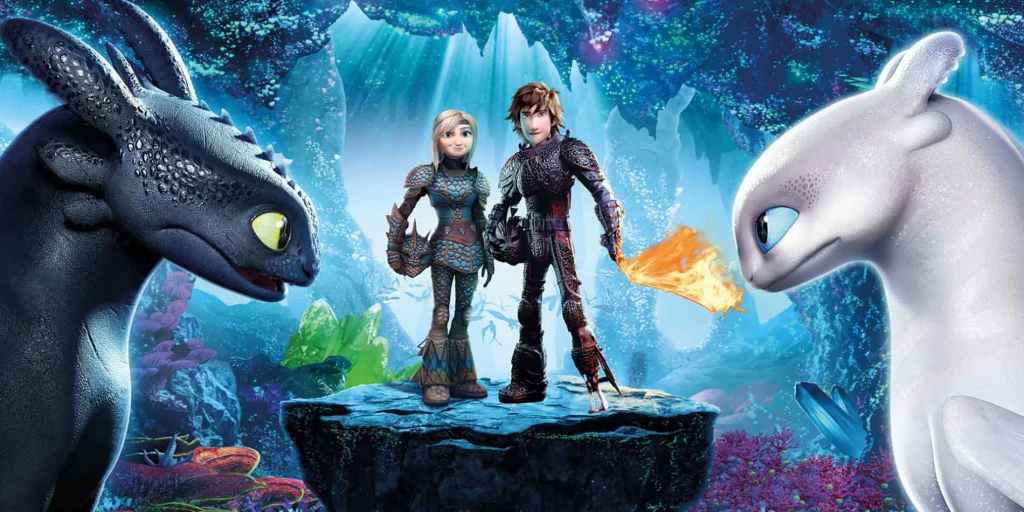 riding Vikings that live in the island village of Berk, and that’s where things get interesting.
 The LEGO Movie 2: The Second Part is a movie I’ve been looking forward to for a while. Picking up right where
  Much of Glass is an extended superhero therapy session for Unbreakable’s David Dunn (Bruce Willis) and Elijah Price (Samuel L. Jackson) along with Split’s Horde (James McAvoy), after the three are apprehended and institutionalized at the start of the film. These therapy scenes, led Dr. Ellie Staple (Sarah Paulson), are very slow. We know something is going to eventually happen, but the pace seemed wasteful because every minute in therapy is a minute less for the showdown between Dunn and the Horde that I’ve been waiting for since the last minute of Split. Even with their slow pace, the therapy scenes are still enjoyable, though, in large part because of McAvoy’s amazing performance as he gives us 24 distinct personalities without falling into ridiculousness.
 ASSHOLES WATCHING MOVIES