
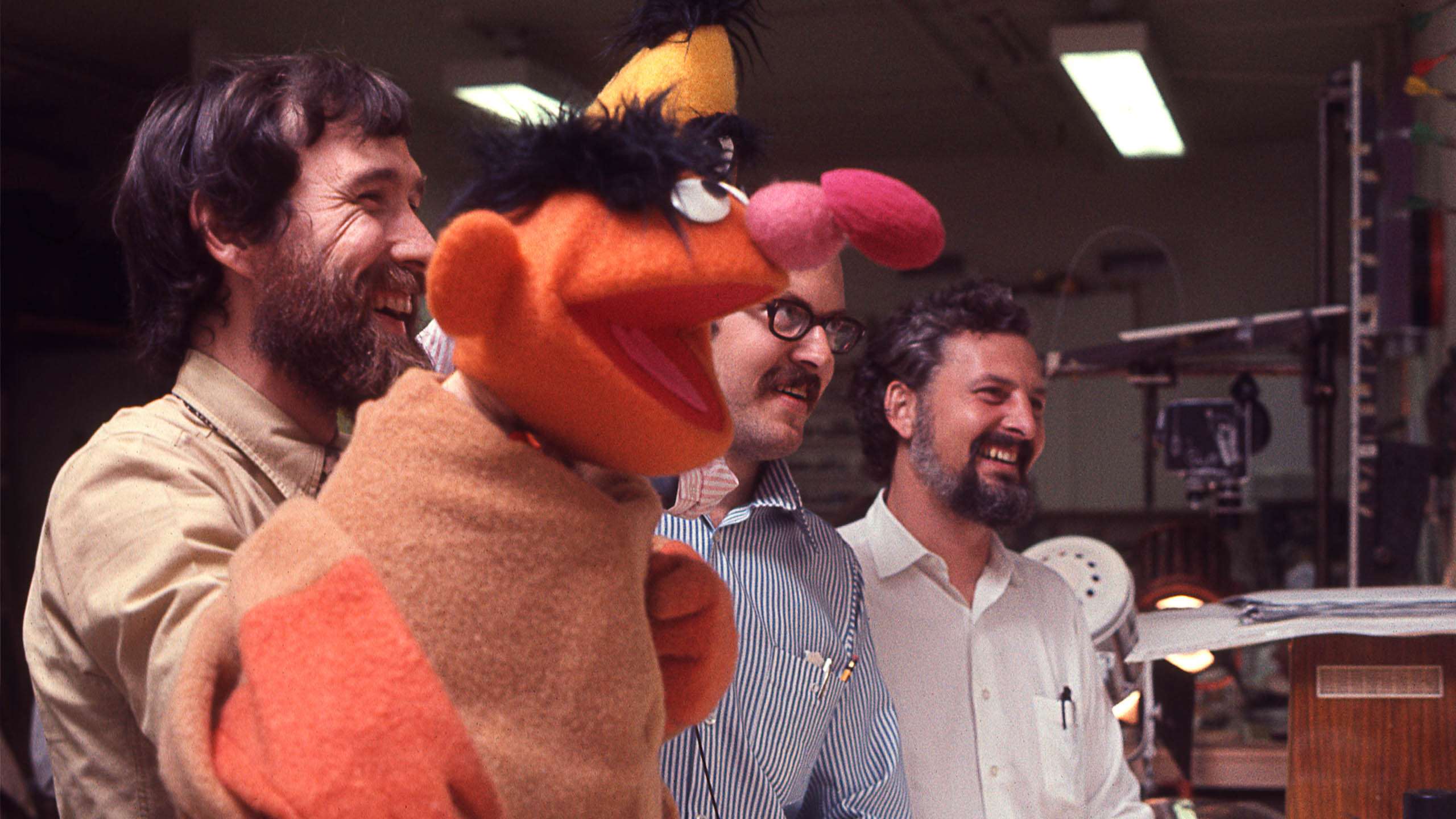
Street Gang: How We Got To Sesame Street is an easy documentary to love. Not many among us grew up without Sesame Street. The thought is inconceivable. Sesame Street IS childhood. It was a mainstay in our home thanks to my mother’s exuberant rate of reproduction; there was always a toddler falling in love with it for the first time. Although I haven’t seen an episode in years (decades more likely), I could still recognize not just characters but recurring sketches, animations, and songs. This stuff really soaked into my brain, and that’s exactly what it was born to do.
Aimed at preschoolers, specifically those from underprivileged and inner city backgrounds, it was an educational program built with a curriculum to teach to, guided by princes of early childhood development. The people behind the show realized that kids were spending up to 8 hours a day in front of the television set, and wanted to seize the opportunity to give them a leg up when it came to the fundamentals, like abcs and 123s.

Director Marilyn Agrelo interviews from an impressive breadth of sources, including camera operators, actors, puppeteers, writers, songwriters, and more. Jim Henson and director Jon Stone are consulted repeatedly through archival footage, and it’s a pleasure to hear from them both. It’s also quite fascinating to see the joy and the intention with which this show was conceived and created. Of course, the best part is, unsurprisingly, the Muppets themselves. It’s exciting to revisit childhood friends, but it’s also a delight to see Big Bird’s first design, to hear Bert and Ernie address the nature of their very special relationship, to learn how Count got his name, to discover why Oscar was always so very hard to please, and why Kermit felt it was so difficult being green. The show fearlessly took on Big Topics like race, death, and inequality, but they did it with such joy in their hearts and with the very best interests of children in mind that Sesame Street transcended mere television. It has an intangible quality that this documentary does its best to describe.
 When I was a kid, I had a behind-the-scenes book detailing how they filmed the space combat in Star Wars, and I loved it. I could think of nothing better than to get to play with the spaceship models and the huge Death Star set used for the climactic scene. I found it fascinating to see how the movie was made.
 Dave Goelz is perhaps best known for puppeteering\voicing Gonzo. He also does Bunsen Honeydew and Zoot from The Muppet Show, Boober Fraggle and Uncle Travelling Matt from Fraggle Rock, and the puppetry for Sir Didymus in Labyrinth, and dozens more.
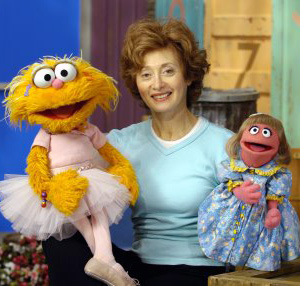 had good instincts and recruited her for his workshop. It paid off: she won an Emmy for her work on
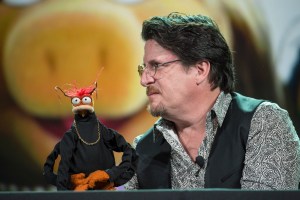 Bill Barretta got his start puppeteering on Dinosaurs, and later developed characters for Muppets Tonight including Pepe the King Praw, Johnny Fiama, and Bobo the Bear. He also took over some of Jim Henson’s characters after his death, including Dr. Teeth, Rowlf, Mahna Mahna, and Swedish Chef.
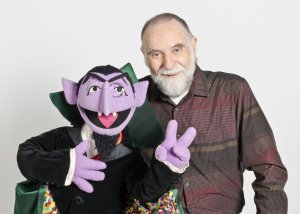 also the original puppeteer for Snuffleupagus. On The Muppet Show he did Sgt. Floyd Pepper, Dr. Julius Strangepork (from Pigs in Space), Kermit’s nephew Robin the Frog, and Gonzo’s girlfriend, Camilla the Chicken, among many, many others, and he often did the show’s announcing as well. On Fraggle Rock he did the lead character, Gobo Fraggle, Pa Gorg, and Marjory the Trash Heap.
 Frank Oz is of course the man behind Miss Piggy, plus Fozzie Bear, Animal, and Sam Eagle from The Muppet Show, and Cookie Monster, Bert, and Grover from Sesame Street, and even did the puppeteering and voice work for a minor character in Star Wars – Yoda. Besides this documentary, he’s the director of films such as Little Shop of Horrors, Dirty Rotten Scoundrels, What About Bob, In & Out, and Death at a Funeral.
 ASSHOLES WATCHING MOVIES