
Edith Pretty has always supposed there may be gold in them there hills. Or artifacts, anyway, something of historical value. And so widowed Mrs. Pretty (Carey Mulligan) engages a disgruntled excavator away from a museum that undervalues him and underpays him. Basil Brown (Ralph Fiennes) digs right in, but what he finds is of far more significance than anyone had dared imagine.
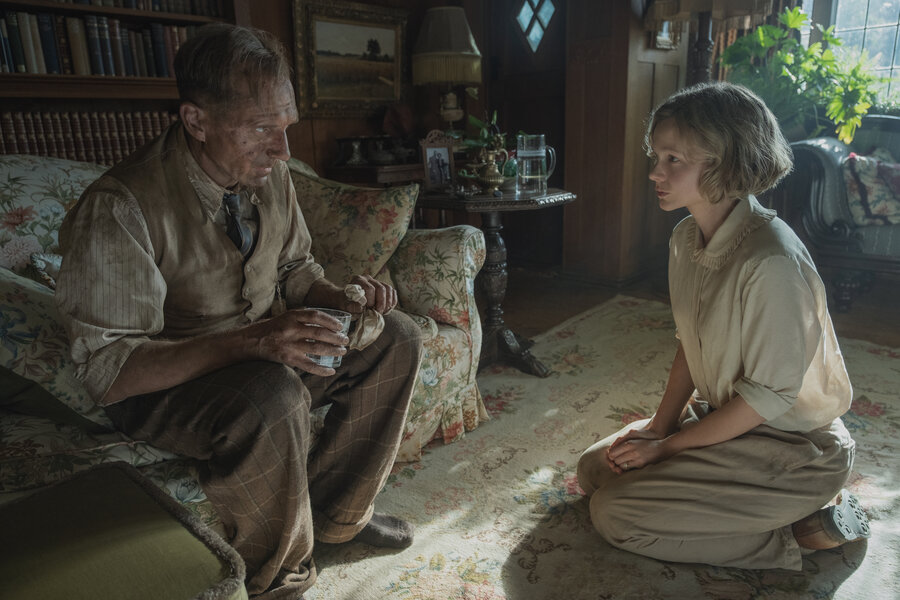
Vexingly, the minute the dig turns up anything of real value, the British Museum and “the man” come sniffing, looking to take credit and ownership. They also take over the dig although no one wanted anything to do with it when it was just a housewife with a hilly backyard; Edith has up until now been self-financing the work.
The 1938 excavation of Sutton Hoo was of course historically significant and netted many revelatory precious artifacts. But for the real people involved, it was a time of personal significance as well. A war is looming. A young boy is without a father. A young woman learns she is not in love with her husband. An old man bonds with a child who isn’t his. A mother learns she will leave her son an orphan. And everyone fights to protect “their” treasure = from the air raids, and the thieves, and the damn greedy bastards. Though history won’t recognize them, Netflix will, assembling a first-rate cast with stand-out performances from Mulligan, Fiennes, and Lily James.
Director Simon Stone’s pacing is exquisite, unfurling a film that is languorous and poetic, unhurried and revealing, with just a tinge of melancholy lingering about the beautiful English countryside. The Dig made me think a lot about legacy – how the people who buried this ship and its treasures left a remarkable historical record for us to find, and in finding it, Edith Pretty et. al became a part of that record too. In some ways, even this film becomes part of this record, dating all the way back to the 6th Century. Of course, our own culture is so materialistic we’d never leave buried anything of great value. If the future isn’t digital, we won’t have left much of an impression, just piles of Chinese plastic. This is why we have such a fascination with archeology; we want to understand our ancestors, to know from whence we come. We’re less adept at telling who we are, and we collectively lack the ability to understand that we, too, might someday be reduced to a few artifacts in a museum. Hubris. It’s a condition of humanity, I suppose, and a film like this, though pretty and competently made, is hardly an adequate defense. In fact, while I found plenty to like about The Dig, it fell short of love, never quite stirring sentiment in the way it clearly expected it would.


 three dads (Colin Firth, Pierce Brosnan, Stellan Skarsgard), Mom’s best friends (Christine Baranski, Julie Walters) – even Grandma (Cher)! But because one party full of old people is pretty lame (could someone tell Sophie that?), the movie is 80% flashback. Meryl Streep’s character is now played by the lush and nubile Lily James, and we get to watch her have all the unprotected, close together sex with three different men (at least!) alluded to in the first movie, which resulted in all the daddy confusion.
 keep up a correspondence for quite some time, and when the war ends, she heads to Guernsey to meet the characters from the letters in the hopes that she may write to them.
 Thompson) who are trying to organize a union that will help the little guys make a living wage too.
 Brendan Gleeson, Timothy Spall, Robert Hardy, and most recently by John Lithgow in The Crown. He is not a saintly figure. He was a great orator but had some problematic positions that hindsight can’t afford to be kind about. Portrayals of him often emphasize his omnipresent cigar, and his particular style of speech (his custom dentures helped cover up a lisp). Gary Oldman is the gentleman tasked with bring old Winnie to life in Darkest Hour, and though he’s seen chomping on the necessary cigars, he turns the performance into something truly remarkable.
 Darling (Eiza Gonzalez), Griff (Jon Bernthal), Buddy (Jon Hamm), and my personal favourite, Bats (Jamie Foxx), personal motto: “I’m the one with mental problems in the group. Position taken.” GUYS, HE’S NOT KIDDING.
 Wright is a phenomenal writer, and Baby Driver is just as quippy and quotable as any other in his oeuvre. The music jangles, sometimes wildly incongruous to what’s developing on screen, sometimes deliciously ironic, but it stitches the film together between Wright’s explosive action sequences. Wright’s films are always kinetic. His own exuberance for film making comes across on the screen, is barely contained by it, in fact.
 Austen left her novel wide open for a zombie attack, having an independent heroine spoiling for a fight and lots of solitary carriage rides through unpopulated areas.
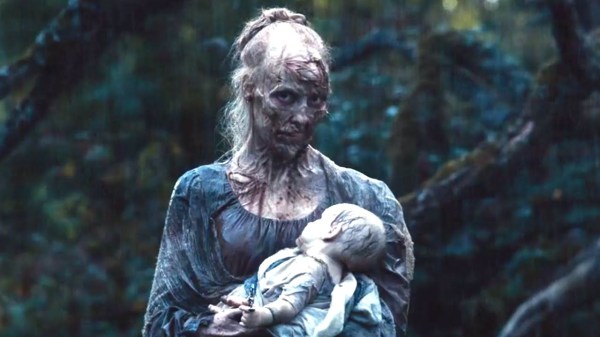 Miss Bennett, and seems to remember that she’s supposed to be having fun. The movie, however, takes itself too seriously and winds up being ludicrous. All the juicy bits of Austen’s writing are MIA and the zombies lack bite (it’s rated PG-13) so it rather fails on both counts. The zombies keep looking for brains, but they won’t find any here.
 ASSHOLES WATCHING MOVIES