
Some villains are internal.
Marc Spector/Steven Grant, Moon Knight

Moon Knight is the sixth limited series from streaming service Disney+ sharing continuity with the MCU. Oscar Isaac pulls double duty as Marc Spector/Moon Knight and Steven Grant/Mr. Knight, two identities or “alters” of a man with dissociative identity disorder (DID). Formerly known as multiple personality disorder, DID is a mental disorder distinguished by at least two enduring personality states. Steven Grant is the quintessentially mild-mannered British gift shop attendant, introverted and socially awkward. Steven suffers from blackouts and flashbacks of someone else’s life, despite chaining himself to his bed at night to avoid waking up in another unknown locale. Discovering his Marc Spector identity, however, is not exactly a relief. Marc is a mercenary with an American accent, a marriage on the brink of divorce, and a magical costume. Both identities become the avatar of Egyptian moon god Khonshu; while Marc is the brutal personality, capable of violence, Steven contributes wit and problem-solving, and the two battle for control of their shared body when things turn ugly. It’s a fascinating portrayal of mental illness enmeshed with mystical powers, but it’s not the first or only time Marvel’s heroes have grappled with mental illness.
David Haller, Legion

In FX’s 2017-2019 series Legion (an underrated, must-see show), Dan Stevens plays David Haller, a man committed to a psychiatric facility for a substance use disorder and a recent suicide attempt. Rescued by a team of mutants, David learns he is the biological son of Charles Xavier himself, and that the voices he hears may not be schizophrenia after all, but his father’s nemesis, literally living rent-free inside David’s head. David’s powers are potentially near limitless, but harnessing his mental illness proves challenging, and his psychopathy blurs the line between hero and villain.
Scarlet Witch, WandaVision

Just three weeks after the events of Endgame, Wanda Maximoff, played by Elizabeth Olsen, suffers from such trauma and overwhelming grief due to the loss of her love, Vision, that she manifests an alternate reality as a coping mechanism. Set in the comforting world of sitcom nostalgia, Wanda lives out the happily-ever-after that she and Vision never got. Episodes are structured around the five stages of grief (denial, anger, bargaining, depression, acceptance) and demonstrate the complexities of mental health. However, some coping mechanisms are unhealthy, and grief is never a strictly linear journey.
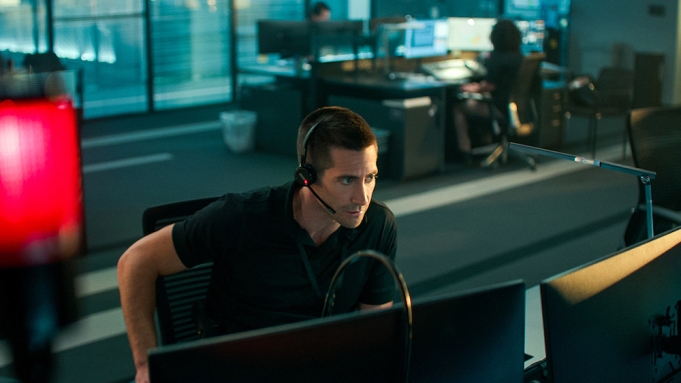
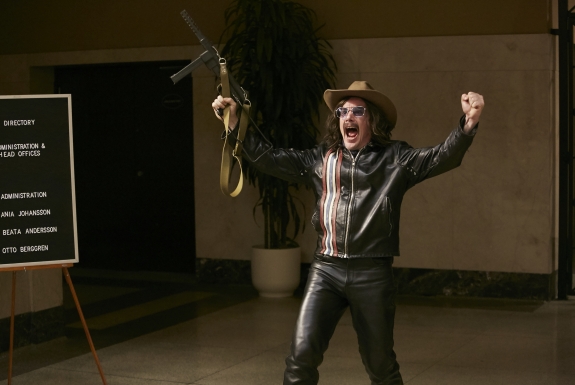
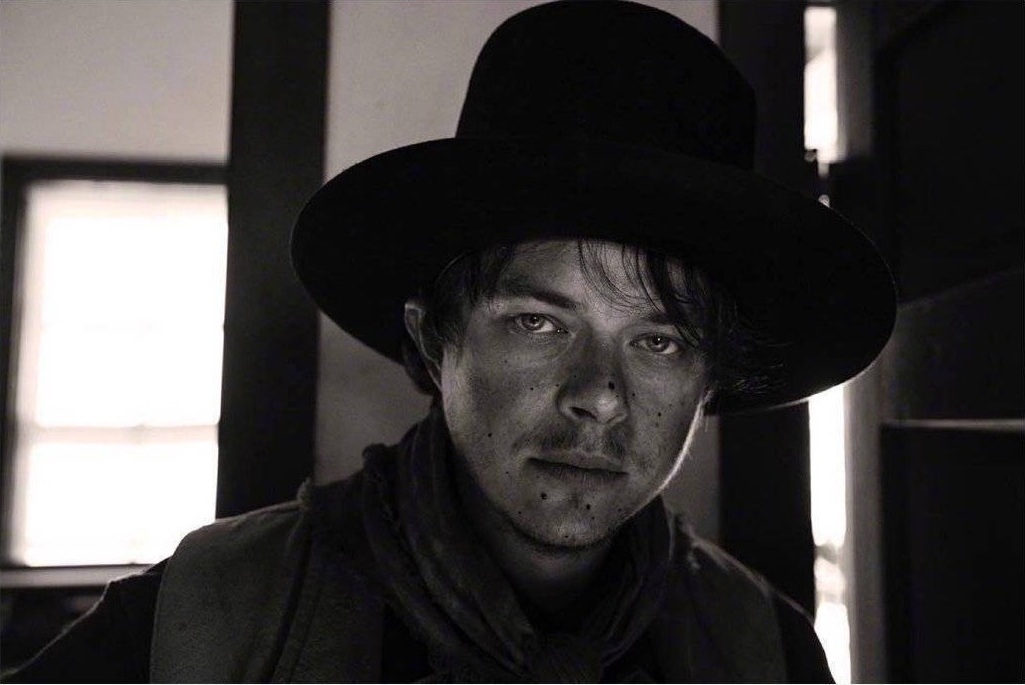
 Tucker Crowe (Ethan Hawke). Tucker is living a quiet life in seclusion, sleeping in his ex-wife’s garage and caring for their son (while neglecting his other children, including the one about to make him a grandfather). They strike up quite a correspondence, an “email affair” she calls it, but don’t worry, Duncan surprises us by having an actual “penis in the vagina” affair first, and so they split up. Which leaves Annie free to meet Tucker – and let’s face it, is there any better revenge than hooking up with your ex’s idol? Although, for Tucker, this has got to be next level groupie shit. She’s the first lady of his fan club.
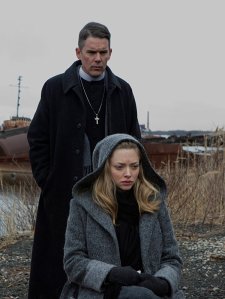 And Michael’s question “Can God forgive us for what we’ve done to this world?” messes him up even more. He defends god, but struggles privately. He takes up Michael’s obsession but continues to pollute his own body, as we watch his physical and mental health spiral downward.
 accessorized his western wear with duct tape and lived in a tree house with no plumbing or electricity. He was mentally unstable, volatile, poor every damn day of his life, and then he got shot in the gut and died. Lucinda Williams called him “a genius and a beautiful loser.” Townes Van Zandt suggested “He’s only gone crazy once. Decided to stay.” The only hits he ever had were when his songs were recorded by other people, and even then lots were posthumous (Merle Haggard, Lyle Lovett, John Prine). And for some reason Ethan Hawke just really, really wanted to make a movie about the guy. So, using Blaze’s ex-lover Sybil Rosen’s book Living in the Woods in a Tree: Remembering Blaze as his guide, he did.
 Maudie (Sally Hawkins) and Everett (Ethan Hawke) are a couple of odd socks – the world has discarded them and they do not belong together but for lack of anything better have somehow become a pair. Their relationship doesn’t exactly blossom into romance but their mutual tolerance and sometime thoughtfulness or generosity does translate into a partnership of sorts, and marriage. And while Maudie may neglect her household chores, she blossoms in Everett’s house as a painter. Her arthritis makes it increasingly hard to even hold a brush but her joyful spirit paints their modest, one-room home in bright, colourful designs. Soon the community around her will embrace her for it. Maud Lewis (1903-1970) is one of Canada’s best known folk artists.
 sense at all. Supposedly, Valerian and Laureline are capable, dependable galaxy-savers, but nothing about either of these two gives the impression of a even the remotest shred of competency. I wouldn’t trust them to house sit for me; if they were in charge of saving my world, I’d be biting down on my cyanide tooth. But this movie wants me to believe that not only are they upstanding employees, but ready for marriage, even though they look like perhaps they’re only just now discovering the growth of hair over various private body parts.
 This is a western where the good guys wear black. Where you cheer for the outlaws, where a woman shoots better than most of the men, and where a black man can be the unquestioned leader of the posse. It is a more multicultural west than we are used to seeing, and it feels natural, like this is how it always should have been.
 All the outlaws he recruits fall into line and work with him and for him, to save a little town that a gold baron has taken
 ASSHOLES WATCHING MOVIES