
In the late 1940s, Prince Seretse Khama of Bechuanaland is studying law in Britain to help prepare for his eventual ascension to the throne back home. As the fates would have it, while he’s there he meets and falls in love with a clerk, Ruth Williams, and they plan to marry. One slight hitch: she is a white woman. He is a black African prince. Hard  to say who their love most angers: her family, his constituents, or the status quo. Interracial marriage wasn’t exactly popular in 1940s England, and her whiteness isn’t even the whole problem: her social status is far beneath that of a prince. But they marry anyway, anticipating disapproval, unprepared for the reality of the diplomatic firestorm and political tumult their marriage would actually entail. His right to the throne is threatened, as is her life. He is threatened with exile, she with ostracism. Still, they persist in their love, not just of each other, but for the people of the new Republic of Botswana.
Director Amma Asante did the film Belle, which I truly loved. In this movie you can feel how earnestly she strove for realism: the real home of Ruth & Seretse was used. Their grandson makes a brief appearance. Botswanans were invited to be cast as extras, with 3000 showing up for the first day of filming! The real hospital where Ruth gave birth is used. And the singing during a pivotal scene in which Ruth finally gains a measure of acceptable from the tribe’s women, that was spontaneous and beautiful.
 David Oyelow and Rosamund Pike play the lead roles and you couldn’t ask for a better acted movie. Oyelow is dignified as this humble prince, Pike strong and heart-breaking. They help strike a balance between the passion of their love and the stark reality of apartheid. It would be easy for one of these plot lines to swallow the other, but Asante manages float above it, entangling both, as would have been the case in real life.
It’s an inspiring forgotten story, tastefully and thoughtfully made, but for me, it just failed to really engage. Such a soaring story should really stir you up in the watching, but I found it a bit boring, the story telling too conventional. It’s still a worthy watch for knowledge’s sake alone, but it lacked a true spark.
 Life Skills and Edgar Wright’s Hot Fuzz, and lent her voice to
  teacher, where he over-praises one student, Alex,(Michael Cera) while simultaneously ripping apart another (Gillian Jacobs). Whether he identifies with Alex or is simply jealous of him I can’t divine, but we know that Isaac’s own acting career is in the toilet, almost literally (just about the only thing he’s up for is an incontinence ad). But bonus: Michael Cera, inexplicably bad hair and all, does earn some serious laughs as a super pretentious thespian who’s always “doing some animal work” or some other crazy-obnoxious thing.
 TV and spying on the neighbours but unwilling to leave the house. She’s particularly keen on spotting eligible men with her not-inconspicuous binoculars.
 The good thing about this documentary is that so many people line up to talk about Frisell: director Emma Franz assembles the likes of Bonnie Raitt, Paul Simon, and more, and the amazing thing is that all of the people have nothing but glowing things to say about the man. The GREAT thing about this documentary, though, is that it contains plenty of live music to love and appreciate, and gosh he’s got a lot.
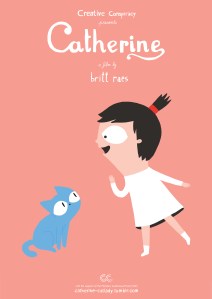 them to suicide) and that seems about right to me. Even though Catherine’s a bit of a hazard, you can’t help but root for her, root for her happiness. I am completely drawn in by the animation by Creative Conspiracy studios – it looks very picture-book friendly, yet the humour within is surprisingly dark. The colours are like candy and used thoughtfully throughout. I always admire short films because to tell a story well they must be economical and equally strong visually and narratively. Catherine (the film) is all of these things wrapped up in a cutesy little package. Catherine (the character) is not so perfect, nor, it turns out, so cute: Catherine grows up. Into a woman who means well but can’t connect with humans. Wonder why? See the film!
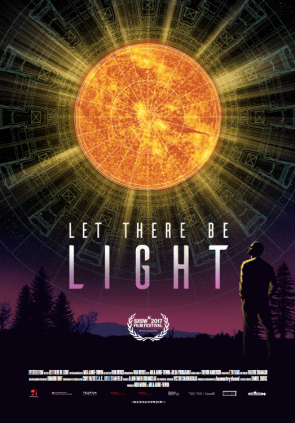 energy from its proponents. Directors Mila Aung-Thwin and Van Royko interview some very charismatic and enthusiastic supporter and collaborators of the project, called ITER (International Thermonuclear Experimental Reactor). It’s pretty much the most complex machine ever designed and the commitment of these people cannot be overstated.
 ASSHOLES WATCHING MOVIES