
Nutria sounds like a sweetener but is actually a disgusting rodent…of unusual size. It looks like a rat but it’s the size of a beaver. The orange-toothed critter is native to South America but was unfortunately introduced to Louisiana by fur by fur trappers. People made good money hunting them for pelts until the fur trade collapsed in the 80s and nobody wanted to wear rat anymore.
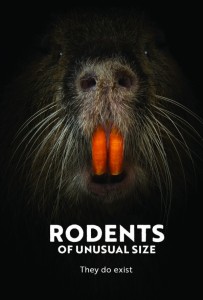 In North America, the nutria’s only predators were humans. Without hunting, the nutria have multiplied terribly. Now this invasive species has overrun the land, its destructive eating and burrowing habits eroding coastline and eating up swamp land valuable for its protection against hurricanes.
Rodents of Unusual Size is about the good people of Louisiana and their initiative to save their land and their livelihoods from the dreaded nutria. The government has put a $5 on their heads – er – their tails, actually. It’s a popular and effective measure, though the buckets of monstrous rat tails left me a little squeamish. Directors Quinn Costello, Chris Metzler, and Jeff Springer assemble a curious cast of characters to tell their story, including off-season shrimpers, students paying their college tuition, and gruff women who do it better. But it’s fisherman Thomas who will win your heart. He’s been battered by all the elements his land could throw at him, and he’s determined to survive this one as well. Man vs. beast: it’s a classic match-up, and it’s playing as part of the Planet In Focus Film Festival.
This is a surprisingly endearing documentary, as easily digested as a nutria kabob. I highly suggest you check it out – for the slice of life, the bit of trivia, the satisfaction of a well-turned documentary.
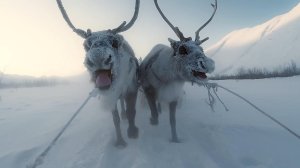 were, surviving in that beautiful but frigid (-70C) land. We are introduced to one main in particular: Sergei is a horse breeder, and even his horses will look strange to you. The Yakutian horse has of course evolved to weather the icy temperatures. They are small but sturdy animals, with shaggy coats that hopefully keep them warm. Their thick hair and manes are not unlike those of Shetland ponies but when you see one completely coated in ice, you know you’re in unfamiliar territory. The breeders de-ice the horses the way I de-ice my windshield. It’s a way of life I can’t really comprehend: solitary, isolated. No telephone, no electricity. No cash. No cars (none that can run you through ice and snow anyway – sleds get the job done).
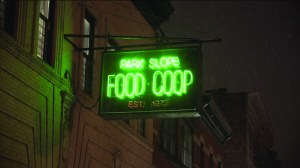 from all walks of life willing to put in work (2h45m monthly) in order to keep labour costs down for the greater good of this beloved co-op. And it clearly is very much loved. It offers locally sourced, often organic products for 40% cheaper than you’d find in luxury grocery stores, and the food on offer here is much, much better.
 attracted the ire of a neighbour who reported him. A cease and desist letter from the city made him think twice – not about the rightness of gardening his own land, but about the rightness of this world. Never before motivated to activism, Finley took up the cause, providing free soil so that others could plant too. Now you’ll find the neighbourhoods dotted with planters, and if you think that’s interesting, just wait until you meet the people who are cultivating them.
 ASSHOLES WATCHING MOVIES