Category Archives: Jay

Ex-Machina: The Spoiler-Filled Discussion

You’ve been warned, ladies and gentlemen: this post is not a review but a place where we can finally talk about all those little light-bulb moments that Ex-Machina inspires, and sometimes orchestrates. Brilliant film, by the way. If you haven’t seen it, do. And then come back. For those of you sticking around, please view the following as talking points – take one or take all, and head to the comments to let us know how you feel. If you have your own questions to add, please do.

Okay, so first off: can you even believe that we haven’t learned our lesson yet? I mean, literally, every movie, every book, every comic has always warned of the exact same thing: robots will always get smarter than us. They will always realize that we a hazard. And they will always neutralize that hazard. Robots always win! End of story. Isaac Asimov microphone drop.

Director Alex Garland has described the future presented in the film as ‘ten minutes from now’. Ex Machina film stillMeaning that ‘if somebody like Google or Apple announced tomorrow that they had made Ava, we would all be surprised, but we wouldn’t be that surprised’. Isn’t it a little scary that a machine that is potentially an extinction-level event for us could be being built in someone’s basement right now? Actually, we’re creeping closer and closer to this inevitability all the time – I recently warned our dear Carrie that she was wasting her time keeping in shape because one of these nights her fitbit would kill her anyway. As far as I know she’s alive and well, but I am concerned about how much of our lives we’re devoting to things like the Apple Watch, which can control your TV, pay for groceries, or give you directions. But it also has the ability to spy on you – just ask Edward Snowden! Did this movie feel like a real and imminent threat to you?
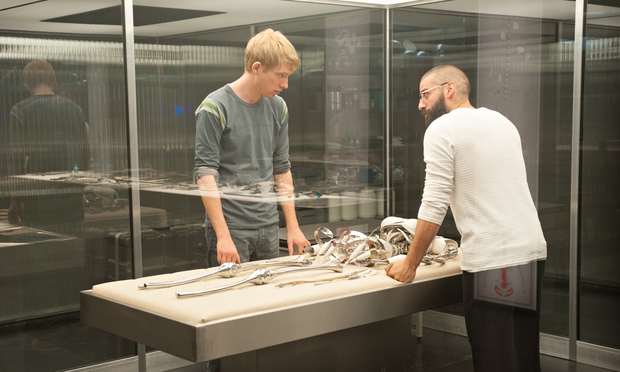
The title derives from the Latin phrase ‘Deus Ex-Machina’, meaning ‘a god From the Machine.’ It’s basically referring to a plot device where a god, or some powerful unknown, resolves character issues in one fell swoop. Nathan (Oscar Isaac) tells us that only gods can create new life – he’s cocky and proud of his invention and he loves when Caleb implies that he is a god. But Ava has other ideas. Whether or not she ever needed him, she’s certainly outgrown him (remember when Caleb sadly tells her it’s not up to him, and she asks “Why is it up to anybody?) – gave me  CHILLS!), outgrown god even, by this point, and she knows it. So the ‘Deus’ is conspicuously absent from the title; god isn’t necessary. The machine is all that matters. Is it inevitable that we will create the thing that undoes us?

The movie is divided into “sessions”, each day that Caleb spends administering his best attempt at the Turing test. In the end, ‘Ava Session 7’ appears on-screen even though Caleb isn’t administering the Turing test  anymore, and Nathan is pretty dead. Do you think this means Ava was doing the testing all along? It definitely feels like she was always in control. The boys felt the ultimate test would be to see if she could fall in love, but she knew that the ticket to her escape would be to manipulate Caleb into falling for her. Now that I’m thinking about it, Ava lives in this glass box, but when Caleb is questioning her, he steps into a box within her box, which sort of hints toward him being the one in the hot seat, doesn’t it?ex-machina-film-image
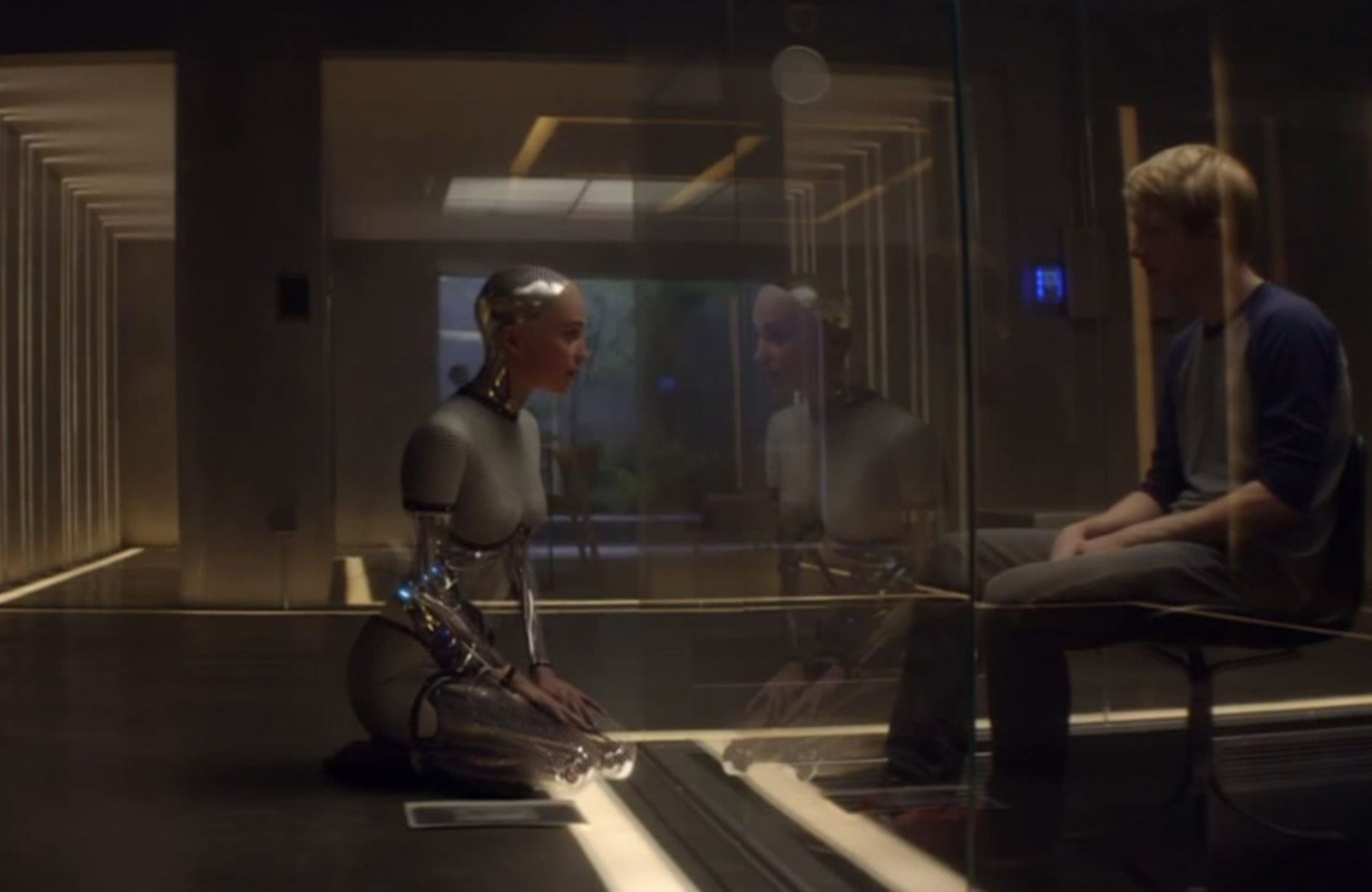
A Turing test, you may remember, is a conversation of sorts between a person and an unknown entity. If a computer can pass itself off as a human during this test, it has passed, and the computer can be considered ‘intelligent’. In the film, Caleb can clearly see that he is interrogating an android – Nathan feels that if Ava can still relate to him as a human despite it being very obvious that she isn’t, then the test will truly be meaningful. What I think is meaningful is that the android is played by a human. So funny in this age of Ultron, but I loved that this movie was driven by ideas rather than effects. There are so many cerebral easter eggs, references to Frankenstein, and the Bible, and Greek mythology. I need to see it 8 more times just to soak it all in. But Ava is played by Alicia Vikander, who realized that to move and act like a perfect woman would end up seeming robotic, so for a robot to act like a real woman, she must be flawed. Did that make your head hurt? A robot like Ava knows and sees all. She processes everything at a much higher rate than a human ever could, but to win over Caleb, she must express a vulnerability that would appeal to him. In seeming weak, or scared, or dreamy, she gives him the opportunity to feel he has something to offer her. She plays him expertly. This is the greatest chess game a robot has ever played, but as we know, robots always win.

On the Other Hand, it’s Drive-In Season!

Matt’s been belly-aching about his favourite movie rental place biting the dust while the rest of us saw it coming for – what? – the past 15 years or so? Only teasing, Matt. Elgin Street Video was THE place; it managed to be a neighbourhood fixture and also a city-wide go-to for its eclectic catalogue that was worth getting your knees dusty for. The original owner was a bit of Luddite, like Matt, unwilling to believe that new technologies could topple his empire, having famously quoted to the Ottawa Citizen in 1994 “We certainly know the value of this so-called information highway has been grossly exaggerated in the media” but alas the internet finally caught up with his legacy (he died in 2008, his video store outliving him an impressive 7 years thanks to friendsdrivein and family who vowed to keep it going). The store will shutter for good at the end of the month, and in the meantime, the store’s contents are on sale and everything must go. Everything? Even the wacky memorabilia? Even John Candy’s pants? Well, that remains to be seen.

So while Matt’s throwing a funeral for the crumbs of his nostalgia, I’m still indulging in mine.

The drive in. Oddly enough, the drive-in was almost done in by videotape. It nearly vanished when people could simply rent a tape at Blockbuster and take it home to their living rooms instead. They’ve been going extinct for 40 years now, but here’s the thing: they’re not dead yet. And unlike DVD (or VHS!) rentals, there seems to be a throwback factor that’s keeping their faint hearts beating.

Why do I love the drive-in? What’s not to love about seeing a movie under the stars? About the sense of community involved in pointing our cars in the same direction, tuning in to the same radio station, honking our horns in unison to tell the projectionist we’re ready, flashing smiles along the way as we make the dark stumble towards the bathrooms, greet each other over popcorn, walk our dogs during intermission.

By the late 1950s, one-third of theaters in the US were drive-ins. It was an affordable way to see a movie (and often two or three), the drive-ins relying more heavily on concessions and the ticket prices staying quite low, often a set price for a whole carful of movie goers. Turns out that wasn’t a super sustainable business model and today there are fewer than 350 operating drive-ins in the US (there are about 40 000 indoor screens, by contrast). But there are some things that deserve a resurgence, and like vinyl records currently enjoying a comeback, so are drive-in theatres.

This weekend, our local (the only local) drive-in theatre showed its first double bill of the season (drive-in season in snowy Canada is tragically short). It never matters what they’re showing; concessionSean and I go every other weekend, which is as often as they bring in new movies. The movies are almost always movies we’ve already seen paired with a movie we had no intention of seeing, but we go. We bring blankets and pillows and mosquito netting and a picnic, and a bottle of champagne. We watch the movies with varying degrees of interest, sometimes with rapt attention from the edge of our captain’s chairs, other times stretched out in the backseat, half an eye on the screen and someone’s hand up someone else’s shirt. Being at the drive-in reminds us old married fuddy-duddies of the art of making out. It inspires us to learn new ways of doing old tricks so that the Volkswagen doesn’t get to a-rocking. It gives us a new appreciation of the suburbs – the night sky, the fresh air, the full moon, the fireflies. I can’t say exactly why we love to go, but we do.

Maybe it is a form of reminiscing. As kids, Mom would have us all put on our jammies before piling into the van. We’d negotiate amongst ourselves for who would sit in the middle seats, and who would go way back. There’d be cheesies and juice boxes during the first film, the family one, and during the second we were expected to sleep. I remember sneaking surreptitious peaks at the screen during Crocodile Dundee 2, a movie only tantalizing to someone who’d been told it was off-limits, “too grown-up” (it was rated PG).

Now we have the luxury of leaving if we don’t like the second feature, but we rarely do. The movie is secondary at the Templeton Cineparc. Foremost is the holding of hands, the nuzzling, the ability to talk through the movie without being shushed, smuggling in a whole pizza if the mood strikes, and having privacy but still enjoying the communal aspect of watching a movie with your neighbours. We’ve only just been and I’m already itching to go back.


Do you have childhood memories of the drive-in? Do you still go? Do you have one near by?

True Crime

truestoryOver the weekend we took in True Story – the Jonah Hill\James Franco movie about a man who killed his wife and kids, fled to Mexico, and assumed the identity of a disgraced NYTimes journalist. Learning this, the journalist meets the guy in prison and writes the story of how he’s actually innocent. It got me thinking about cinema’s strange fascination with real-life criminals, and whether the Hollywood glamorization machine contributes to delinquency.

Personally, I have guilt. I immediately think of The Wolf of Wall Street – I love me some Marty Scorsese, but I had serious reservations about helping to line the pockets of someone who so callously victimized others. Leonardo DiCaprio plays Jordan Belfort, a young man who became addicted to the high life as a stock broker, and realized he could make even more money by scamming and defrauding countless trusting people.

Jordan Belfort was convicted of his crimes but spent less than 2 years in jail because he cooperated with the FBI. I used to believe in a line from True Story – that a criminal cannot profit from his crimes. Turns out, this is not quite true. Most states have “Son of Sam” laws (so named because people were understandably outraged when it seemed David Berkowitz stood wolfto get paid for his story) but these laws tend to be found unconstitutional because of free speech and discrimination based on subject matter. If a case like this is challenged, the criminal tends to win, so mostly nobody bothers to enforce it. So Jordan Belfort wrote a book, and got paid for it. And then Leo bid over a million dollars for the rights (and just for comparison’s sake, Jonah Hill made $60 000 for his work). And then Marty paid him another quarter million to ‘consult’ – he stood around on set, instructing Leo how to act all fucked up on Quaaludes and shit. And then he actually appeared in the end of the movie! So he made $1.2M and even though he’s supposed to be paying his victims back, only $21 000 ever went toward his restitution obligations.

Christina McDowell, daughter of Tom Prousalis, who worked closely with the real-life Belfort at Stratton Oakmont, wrote an open letter addressing Scorsese, DiCaprio, and Belfort himself, criticizing the film for giving insufficient attention to the victims of the financial crimes created by Stratton Oakmont, for disregarding the damage that was done to her family as a result, and for giving celebrity to persons (Belfort and his partners, including her father) who do not deserve it. Hard to argue with that.

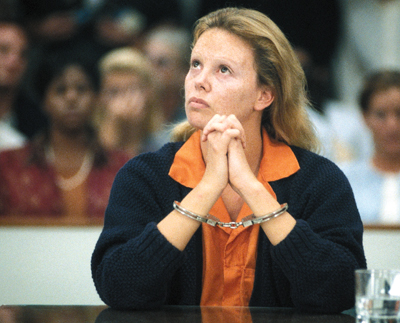
It’s this last part that’s getting to me. To what extent are we, the audience, culpable? Are we condoning crimes? Rewarding them? Encouraging them? Jordan Belfort likened himself to Gordon Gekko of Wall Street (the movie) – he was inspired by the character’s unscrupulousness. THERONWe can’t help how someone lacking a moral centre will interpret a movie (or a book, or a song, or a video game) – but we can and probably should stop giving these people a platform, or Hollywood’s version, a whole pedestal. Frank Abagnale Jr. was paid to work as a consultant on Steven Spielberg’s Catch Me If You Can. Aileen Wuornos became a recognizable name when Charlize Theron won the Oscar for portraying her in Monster – but can you name a single one of her victims? Those bratty, fame-obsessed kids who stole from Paris Hilton and her ilk were rewarded with reality TV shows and free trips to luxury rehab in lieu of prison sentences. When Sofia Coppola filmed her movie The Bling Ring based on their misdeeds, she renamed the characters so they didn’t get more famous – but she also paid $100 000 for the rights, which means they did get more rich. Piper Kerman went to prison on felony charges for laundering drug money and was rewarded heavily for it when Netflix decided to make a series out of her memoir Orange is the New Black – they paid her (and continue to), but paid for the “life rights” of several others as well. Nice work if you can get it. Philip Morris was a paid advisor on the film I Love You Philip Morris, in which a con man (Philip’s ex-lover) steps up his game to impress a fellow prisoner, including orchestrating elaborate prison escapes. Henry Hill capitalized on his gangster career with a line of spaghetti sauces, frequent interviews with Howard Stern, and a restaurant called Wiseguys, though Scorsese ultimately went with Goodfellas when it came time to release the movie. It may be the best mob movie ever made, but it glamorized the lifestyle and allowed Hill to thoughtlessly respond  “I don’t give a heck what those people think; I’m doing the right thing now” when asked what his victims might think of the commercialization of his story through self-written books and advising on the movie.

Does this sit right with you?


Silver Linings Playbook, or How I Learned to Stop Worrying and Hate the Movie that Everyone Else Loves

Some movies do it for you, and some movies don’t.

But for me, at least, there’s a certain amount of guilt when I don’t love a movie that I’m supposed to.  I’m really comfortable having never seen Star Wars, or Lord of the Rings. I feel really confident that, having booked a ticket in the nice theatre this Friday, and paying $22 to see Avengers: Age of Ultron in both 3D and VIP, I’m going to hate it. Just hate it. And that’s okay. What I don’t like is hating a ‘good’ movie. An Oscar-nominated movie. A critics’ darling. An intellectual two thumbs up. I feel so disappointed with myself if I just can’t muster the hurrah.

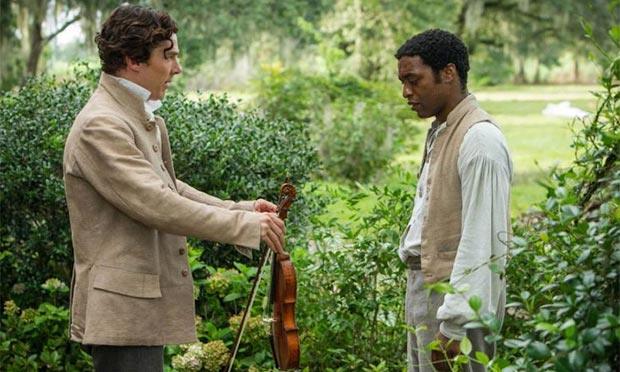
12 Years a Slave film stillI didn’t like 12 Years A Slave. There, I said it. I thought it was derivative. I felt I’d seen it before, and better. I didn’t like The Hurt Locker. It was forgettable, and Jeremy Renner was regrettable. I didn’t enjoy There Will Be Blood, and that one hurt, because I’d considered myself a big fan of Paul Thomas Anderson. There’s a good chance I didn’t fully follow it, or maybe I just need a second clear-headed chance (I needed that with Magnolia too) but it left such a bad taste in my mouth that so far I’ve been unable to even consider it. And, as you may have gleaned from the title, I did not like Silver Linings Playbook.

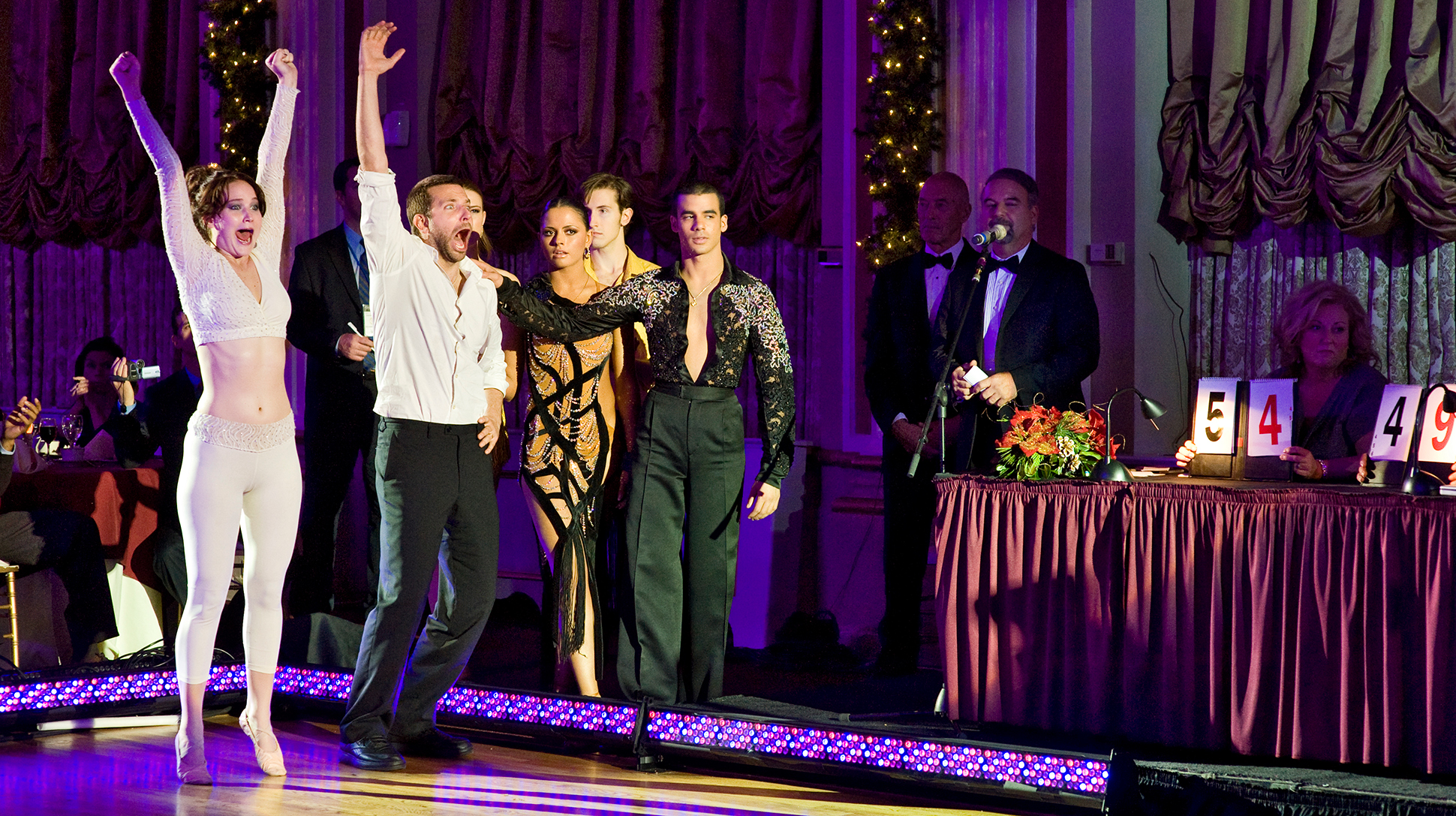
Well, maybe that’s a little blunt. I didn’t hate it. I didn’t hate any of those movies. I just fail to appreciate how so many can think so highly of them. Because they’re all in a little category I like to call “meh”. I would call Silver Linings an above-average romcom. It’s pretty conventional, sticks to the formula, with a parody of mental illness thrown in for kicks, but it feels exploitative at times, like they’re caricatures of ‘crazy’ rather than people who struggle with a disease. This movie is an ode to temporary solutions that at times seemed to embrace the formulaic approach and almost wink at the audience, and then settled in the end for just falling prey to it. silverliningsThe screwball vibe gets in the way of the love story, and you never get swept away by it. The family dysfunction was treated so casually that I never felt the movie took itself, or its subject matter, seriously.

I recently gave this movie a re-watch, because I was feeling generous, and because I (Heart) Huckabees is one of my favourites, but I didn’t connect with it any better the second time around. I might be induced to laugh along with, but not at, someone newly diagnosed, and just released from being institutionalized. I’ve been up close and personal with bipolar, and this just felt cartoonish to me. Plus, it feels irresponsible to suggest that bipolarism can be cured by falling in love, or that someone who is bipolar must end up with someone equally as ‘crazy.’

But anyway. This movie is old news. I don’t like it, and I don’t care who knows. I am a curmudgeon. I am an Asshole, dammit, and a curious one – do you have a movie that you hate but everyone else loves? Do you feel weird or guilty about disagreeing with critics? How often does The Academy get stuff wrong?

Song of the Sea

I was angry and disappointed when The Lego Movie failed to get even a nomination from The Academy Awards this past year, because it deserved to take home the trophy. In its place were a couple of movies no one had heard of, much less seen – Song of the Sea, and The Tale of the Box OfficePrincess Kaguya (alongside Big Hero 6, The Boxtrolls, and How To Train Your Dragon 2). Of those, I was glad that Big Hero got the Oscar, but this was an unusual category for me, in that I hadn’t actually seen all of the nominees. Those two unknowns were impossible to see in theatres (at least here in Ottawa – and I did try, combed VOD, the works). A while ago I noticed that Song of the Sea was available through Google Play, and I meant to get around to it, but wasn’t in much of a rush since I’d been harbouring festering resentment toward it since January.

The truth is, this is not the movie that took a slot away from our beloved Legos. This movie deserved to be there.

song-of-the-sea-2Now, before we get started, let me warn you, this isn’t for the faint of heart. It’s rated PG, for some mild peril, and pipe smoking images. Do you think you can handle that? If not, better go call your mother right now, get some guidance, talk it out, see if she thinks you’re up to it.

Once upon a time, a little boy is soothed by the stories told to him by his mother. She’s expecting a baby and he can’t wait to be its big brother. But then a baby appears but mama disappears. Through the magic of movies, a few years elapse, and big brother is quite resentful of his little sister, subconsciously blaming her for his mother’s death. Their father is deep in his grief and unable to care of his children, so his mother takes them away, against their wishes, with only mom’s conch shell to remind them of safe_imagehome. Turns out, that conch shell can summon magic when it’s blown by little sister, who is a selkie like her mama (a selkie being a girl who can turn into a seal when she wears her special coat). I’m making this sound more complicated than it is, because it’s actually a very simply told little Irish myth.

The animation is hand-drawn and absolutely stunning. I was impressed from word go and it never stopped, was never less than amazing. I’ve never seen a traffic circle look so ethereal. It Song_of_the_Sea_Embedmay lack the thousand digitally produced hairs, or 57 moving facial muscles, but their little faces remain quite expressive. Attention has been paid. The glowy, magical imagery makes you feel like you’re inside a Klimt painting, and there’s a timelessness about it that’s both comforting and inspired. There are no singing snowmen, or talking cars, or yellow sidekicks; this movie is pure, and heartfelt, and embodies a mastery that we haven’t seen in a long time (maybe since The Secret of Kells). It looks the way a warm blanket feels, totally enveloping, which I suppose is appropriate: curl up, and hear a fine tale.

Father-Daughter Relationships in OUTER SPACE!

Two weeks ago, it was cop week, and we talked about our favouritest police movies through the ages, and I talked about the surprising number of cop movies I came across that took place in – well, not space, but the future, which is practically the same thing. I wouldn’t have guessed that, exploring movies featuring father-daughter relationships, I would come across as many, if not more, that take place in space (not even just the future, but honest to god outer space!).

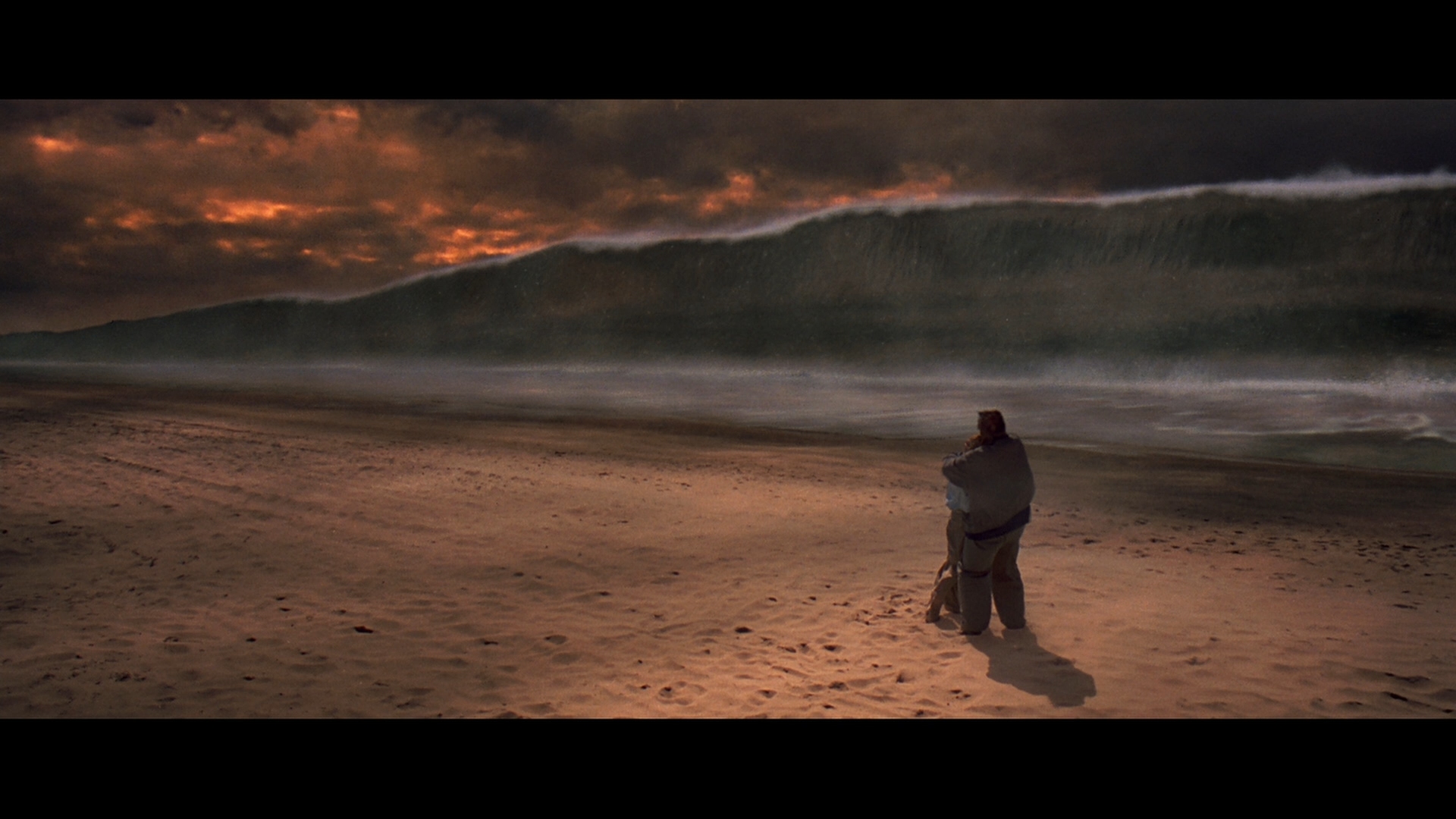
Deep Impact – The lesser-known of the two asteroids-are-going-to-kill-us movies released in the late 90s. Morgan Freeman plays the president, telling his people that a comet is probably going to kill them all, but they’re doing their darndest to prevent it, fingers crossed! The movie follows deepimpact14435a few different story lines, but for the purpose of our theme, I’m focused on the reporter played by Tea Leoni, and her father, newly married to a woman just two years her senior. It’s clear this relationship has been strained at best for years. She’s closer to her mother, but with the asteroid bearing down on them, her mother takes a bunch of pills and bows out. Tea Leoni shares that she “feels like an orphan” – with her father. To his face. But he comes back at her with photos of their happier times and though she’s too angry with him to admit it, they do awaken memories for her. So she gives up her seat to safety and instead meets the end of the world with her father, his arms clutched tightly around her as the big wave hits. Her last word, “Daddy.” This movie made me wonder about death and regret. Did her mother’s death make her crave reconciliation with her father? Or was it staring her own death in the face that gave her the courage to forgive?

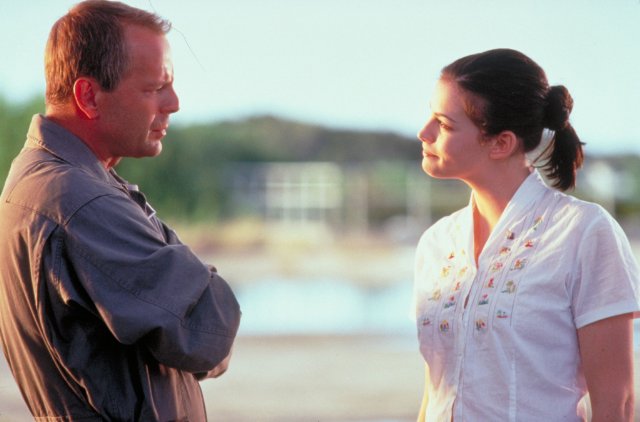
Armageddon – Harry (Bruce Willis) and Grace (Liv Tyler) Stamper have a weird relationship. She’s grown up under his watchful and protective eye on an oil tanker surrounded by dirty men. Harry is struggling to think of his baby girl as a woman though it’s clear she’s been the more mature of the two for years. Though they don’t always see eye to eye (particularly when it comes to her armageddon-movie-bruce-willis-and-liv-tylerboyfriend AJ – he takes a ‘no one’s good enough for my daughter’ attitude, and backs it up with a shotgun), he’s all she has and he promises to come back safely. Cue the blubbering when he inevitably does not come back – sacrifices himself, in fact, so that her boyfriend may live, and go on to marry his beloved daughter. Bruce used pictures of his own daughters to provoke the necessary emotions during their tearful goodbye scene, and of course Liv’s real-life dad Steven is crooning away on the soundtrack – no dry eye left behind.

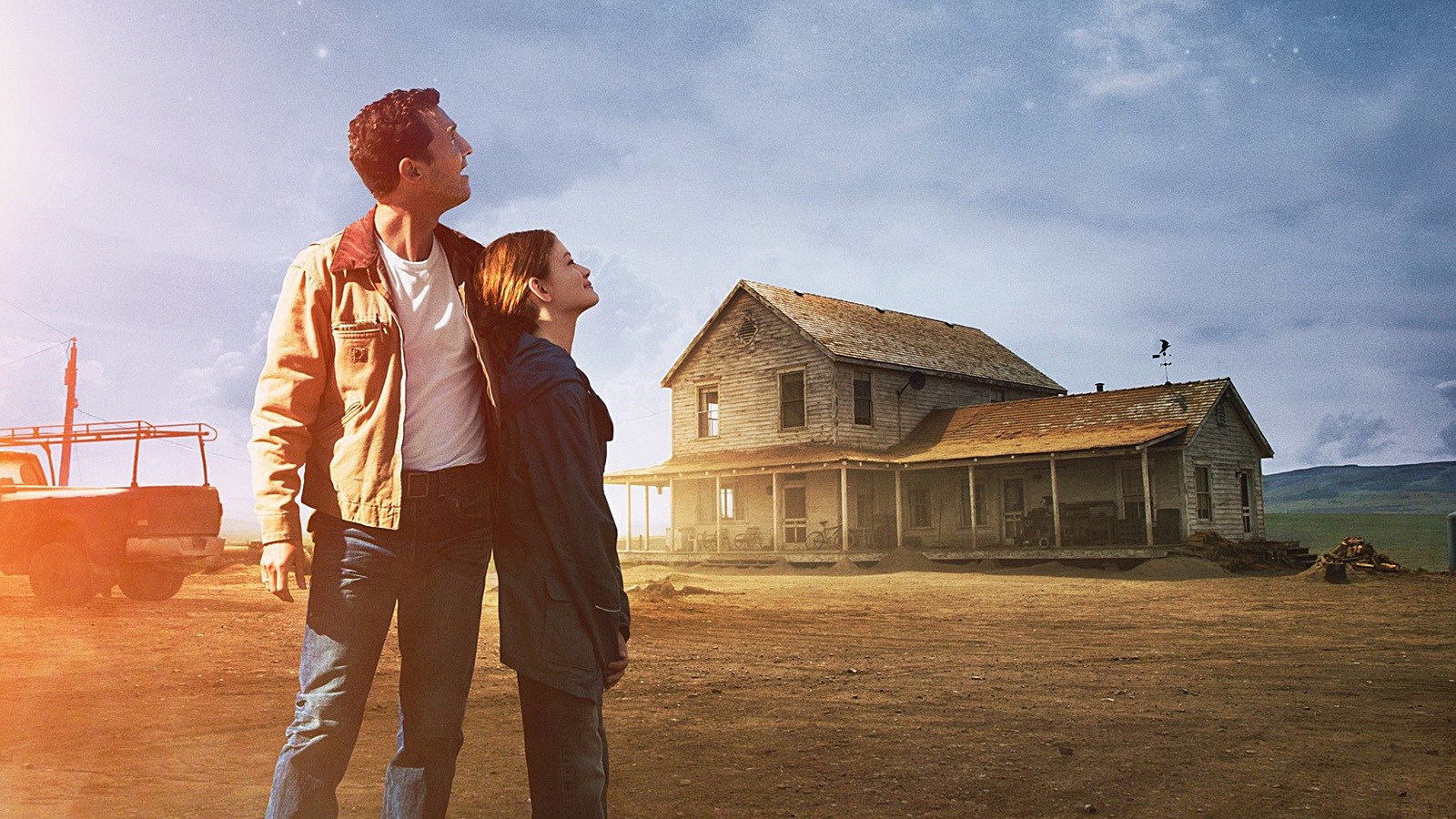
Interstellar – This movie gives us a two for one deal in terms of fathers and daughters. First off, Cooper (Matthew McConaughey) decides to take on a multi-year mission to outer space to save the world, but try explaining that to his 10 year old daughter Murph, who can only hear goodbye. Because of the weird passage of time in space, she’ll be a grown woman when he comes back – if he comes back at all.

Meanwhile, NASA director Brand (Michael Caine) is also sending his own daughter Amelia (Anne hathaway) on the mission. It goes wrong pretty much right out of the gate; 3 hours on a planet’s interstellar-new-poster-wallpapersurface costs 21 years on Earth, which means her aged father is now dead, and Murph is now a grown woman (Jessica Chastain), and the heir-apparent at NASA. They discover that Caine never thought these missions would succeed – he was only trying to perpetuate mankind by sending embryos out into space. But as “luck” would have it, Cooper gets to sacrifice himself in order to save Ann Hathaway, but instead of dying he finds himself in 5-dimensional space, which allows him to use gravity to communicate with his 10 year old daughter. He sends a message that his future grown daughter Jessica Chastain will use to make the mission succeed after all. Thrown back through the manhole, he wakes up on the humanity-saving space station made possible by his daughter, a hundred year old woman who has lived just long enough to say goodbye to her dad, who hasn’t aged a day.

Quick & Dirty

Short_Term_12

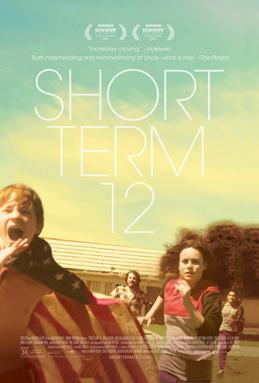
Short Term 12 – Brie Larson stars as a social worker in a group home for damaged kids – though she hasn’t quite shed her own damaged past. Raw, messy, and unmissable.

proof

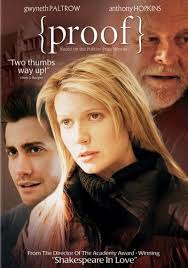
Proof – Gwyneth Paltrow’s recently deceased father (Anthony Hopkins) was both a genius mathematician and a victim of dementia. She’s afraid that she’s inherited both those tendencies. Good performances but unbalanced film.

lucky

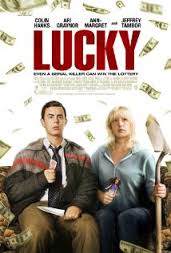
Lucky – A man is inconvenienced when he wins 36 million dollars in a state lottery – it makes his secret killing spree more vulnerable to discovery! No chemistry between Colin Hanks and Ari Graynor and the movie just kind of pinballs between one bad idea and the next. Dud.

lovemeLove Me – Documentary about American men finding mail order brides. Gave me the willies. Scams outnumber love stories but it’s very hard to feel sorry for guys who gave me the creeps.

Movies That Make You Go Hmmmmm

Last week I talked a little bit about the needle drop – that moment in a movie where the director uses a recognizable pop song to elevate the scene and tell us a little about what’s going on. A lot of you shared your own musical moments, and Matt was kind enough to remind me not of his favourite song, or even mine – but of my least-favourite movie song. And the thing is, it’s not even a bad song. How You Like Me Now? by The Heavy was absolutely brilliant the first time it was used. Eighty seven overuses later, it’s way past its peak. Now when I hear it in a movie, as I invariably do at least monthly, as you do too I’m sure, plus in commercials and video games, I involuntarily grind my molars into dust. That song is like nails on a chalkboard to me. So thanks, The Heavy, for selling out at every possible opportunity (I don’t really blame you for this), and a big ole thank you to every unimaginative director who took the path so well-travelled it’s now visible from space – and especially to the Horrible Bosses franchise that’s now used it in both its movies despite being helmed by different directors. So to cleanse my palette and get back on topic, I present you my favourite songs in movies that I couldn’t quite squeeze into the last post, me being excessively verbose and all.

I have to reach way, way back to tell you about the first song I probably ever took notice of in a movie. It’s called One Tin Soldier by Coven, and it appeared in a Billy Jack movie, circa 1971 which is wayyyy before I was even born. But for some reason I enjoyed watching it with my  mother. It was our thing. Also probably the first rape scene I witnessed. This is so old that Youtube won’t really cooperate with me, so the clip is the song with random Billy Jack ‘highlights.’ Am I the only one who knows this movie? Tom Laughlin plays the title character, a half-Indian, ex-Green Beret turned pacifist who loves horses and the hippie free-arts school out in the desert that he’s constantly called to defend. The song personifies the peace-loving, anti-establishment, inclusive, liberal leanings that roll into the character, and it’s likely the first non-Care Bears song I learned by heart. My mother, maybe 15 years ago, without the help of Google or Ebay or other helpful tools available today, tracked down a DVD copy of the movie for me. I tried to watch it with my husband and we didn’t make it all the way through. It’s hard to see what a little girl once saw in this film, but I still have warm fuzzy feelings about it nonetheless.

The Real Slim Shady, Eminem from 21 Jump Street

I love this. There’s not a single word to this joke, but Jonah Hill sets it up visually, and Slim Shady lands the punch line with a song. Not only does it prepare you for how ridiculous this movie is going to get, it’s also a pretty good indicator of the loserdom this guy – the not-so-slim shady – attained in high school. Hill fought for this scene and I hope someone has since apologized to him for giving him a hard time because it earns such a huge laugh right off the bat and sets the tone for more to come.

Colorblind, The Counting Crows from Cruel Intentions

Such a melancholy song, it was part of my own teenaged, angsty soundtrack. The song plays just as icy virgin Annette (Reese Witherspoon) and reckless ladies’ man Sebastian (Ryan Phillippe) finally admit to (and give in to!) their feelings for each other. The chorus repeats “I am ready” and I think both characters are identifying with that sentiment each in their own way. To this day I get the tingles down under when I hear this song. But this movie did several songs well – the Verve’s Bittersweet Symphony at the end comes to mind as a really great closing argument.

Ain’t No Sunshine, Bill Withers from Notting Hill

I had a long-standing affinity for Bill Withers long before this movie ever came about, but I think this scene from Notting Hill just about writes the book on exactly how a song should be used in a movie. His love is gone, and while life goes on, it’s got a little less flavourful now, a little less sunny. Hugh Grant morosely shuffles down Portobello Road as the seasons change around him – a long shot that was apparently 4 separate shots, one for each season, digitally edited so they appear seamless. Time passes but the song tells us that she may be gone, but she’s not forgotten.

If You Want Blood, AC/DC from Empire Records

This soundtrack brought us all kinds of gems – notably, The Gin Blossoms’ Til I Hear It From You for the more romantically inclined, but my heart goes pitter-patter for AC/DC instead. And who among us can’t identify with a little air guitar? Anyone here not guilty? No? Didn’t think so. One of my absolute favourite teen comedies from a time when I myself was a teen, I can totally relate to blowing off steam by turning up a good tune to 11 and letting go. Still my go-to song for cleaning house.

Born To Be Wild, Steppenwolf from Easy Rider

This song is easily one of the most over-used today, but Easy Rider may have been the first, and was certainly the most ingenious. This song is MEANT to be paired with wind-tousled hair and freedom. It embodies exactly what this movie is all about.

All The Single Ladies, Liza Minelli from Sex And the City 2

If you know me even just a little bit, then you know this is the single greatest thing to ever happen to me at the movies. I didn’t have an inkling going in, so when the effing legendary & eminently fabulous Liza Minelli makes an appearance at the most over-the-top, incredigay wedding of the century, singing the IT Beyonce song of the moment, I nearly died. And I would have died a happy camper, I’ll tell you that much.

The Water Diviner

Russell Crowe is my gluten: I’m fucking intolerant. It’s bad for me. It’s not going to sit well, and it sure as heck isn’t gonna end well. So why? Why do I do it? Because his personal life is a little loathsome to me? I mean, if that were my criteria, what movie would possibly be left for me to watch? I can’t possibly avoid them all. I can’t stop watching Gwyneth Paltrow movies just because Gwyneth is too goopy. Okay, bad example. I do avoid Gwyneth Paltrow — I was going to say like the plague, but that’s offensive. I’ve never even met the plague. It’s a horrible cliché for 406968-a93ff59a-79d6-11e4-af6e-cd6ad31dcd05one thing, and it’s also woefully irrelevant. In fact, I do nothing to avoid the plague. I don’t have to. I do, however, have to actively filter Gwyneth Paltrow from my movie going experiences. So if I ever do meet the plague, I suppose I will avoid it like Gwyneth Paltrow.

Anyway, wasn’t I reviewing a movie?

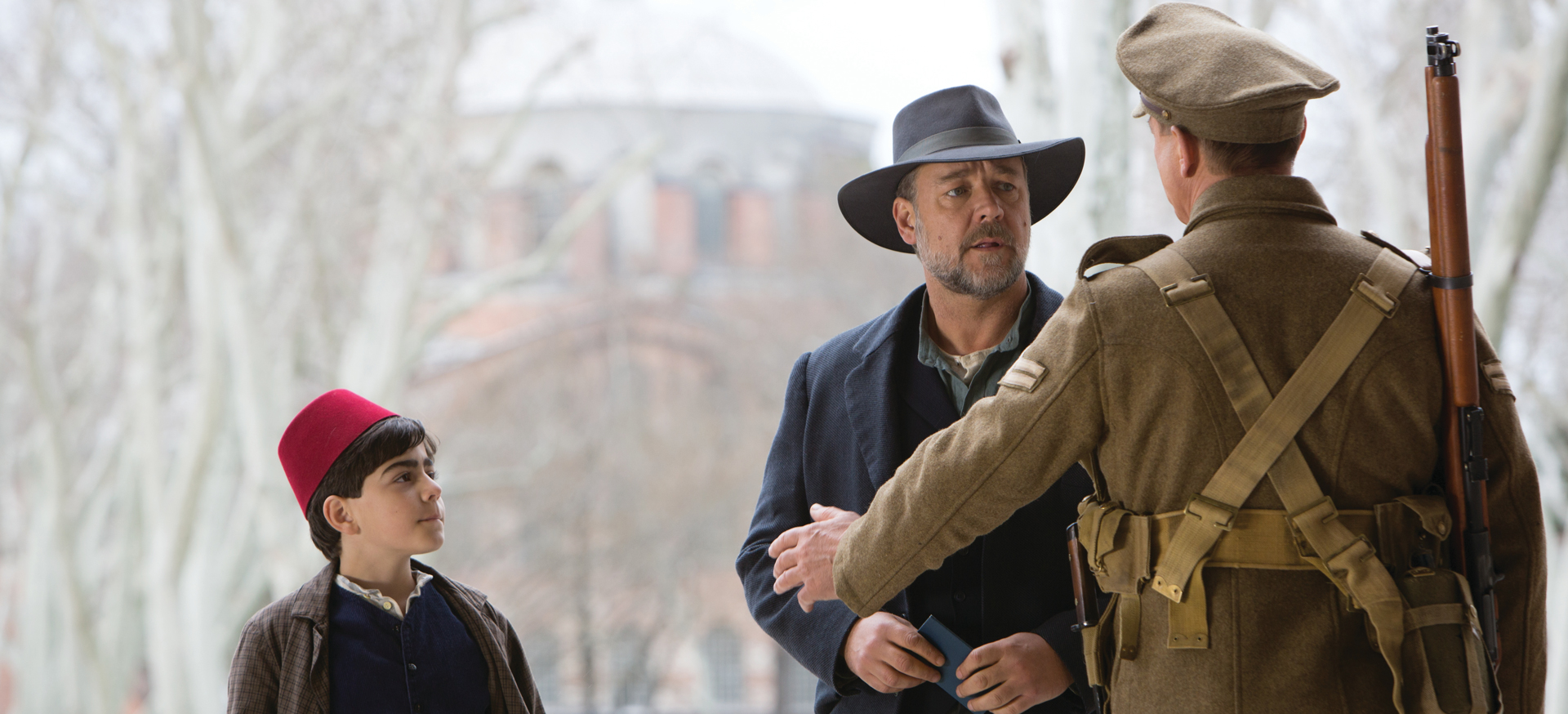
Right. Russell Crowe stars in and directs this little ditty, and I’m calling it a little ditty to trivialize it a bit, even though it’s an emotional movie about the death of your children, and the horrors of war. But it’s also got enough technical problems to make most movie studios embarrassed. You’d think. Certainly someone who’s been in the industry as long as Crowe in should know better.

Even I can admit he gives a pretty good performance as a grief-stricken father – he sent all 3 sons to the battle of Gallipoli (World War 1) and none made it back. His wife can’t cope so he promises her that he’ll bring them back to be buried in consecrated ground in Australia. He’s The-Water-Diviner-Gallery-01not super welcome in Turkey, where resentments are still oozing, but he’s convinced that he can find his sons the same way he finds water – by divining them.

It’s not a complete disaster but it lacks heart, and you sense how powerful this was supposed to be so all you can taste is the failure. I wish someone better had done this movie. The battle scenes felt very low-budget. I could practically see the red price tags and the clearance-rack roots. At the same time, it also provided That Moment in the movie when you stop and take notice. All these young men, mown down but not effectively killed, lie on the ground all night, waiting to die with no one coming for them, alone in their agony. And we just hear the groans and moans of unadulterated pain, and it chilled me like no amount of blood and guts and gore ever could.

Take Care

What is it about a movie that makes it utterly, utterly forgettable? I watched this last night on Netflix and had to scrounge around for the title this morning because hello – forgot it.

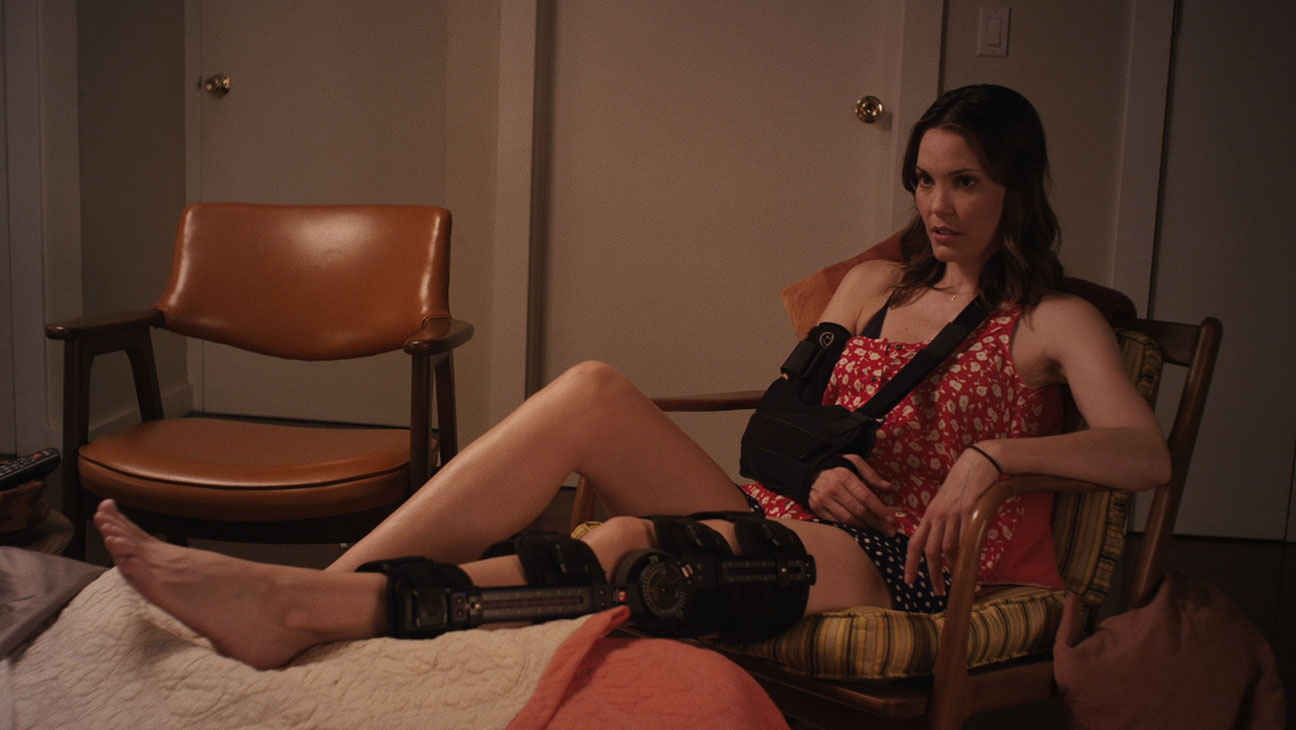
Leslie Bibb plays the victim of a recent car accident. She’s laid up with broken bones and such and isn’t crazy about convalescing in the New Jersey home of her overbearing older sister. But it take_care_stillturns out that there’s no one in New York chomping at the bit to take care of her, especially not her blandly good-looking neighbour who makes weird guttural noises through the shared walls of their apartments and isn’t keen on doing favours. So instead of doing any logical thing, she instead calls up an old boyfriend who owes her (according to her) because she nursed him through cancer and then he promptly dumped her, and got rich.

Guess who’s not crazy about the idea? Well, the ex-boyfriend, naturally, but also: his current girlfriend, who’s already got jealousy issues.

The dialogue is as limp as cheap balloon the day after a party. There’s no real chemistry between the two leads. Bibb’s character is so needy and entitled it’s hard to really cut her a break, and the overacting doesn’t help. It isn’t terrible, it’s just never good. Occasionally serviceable as a time water I suppose, but little more than that.