
Margot and Daniel meet over the whipping of an adulterer in old Montreal (one of this old-timey reenactment thingies). It’s brief, and it’s awkward, but they’re not exactly displeased to find each other sitting side by side on the plane ride home to Toronto. They’re pithy and flirty with each other, and it seems fairly cracking until the split cab ride home reveals two alarming truths: Daniel (Luke Kirby) is Margot’s neighbour, which prompts Margot (Michelle Williams to hurriedly confess that she is married. Happily. To Lou the cookbook writer (Seth Rogen).
Gem Sarah Polley writes and directs, and through her scenes of mundane domesticity, we see a content and comfortable marriage. The detail in their  coupledom, the weird little quirks that pepper their relationship, these things are so specific they feel true. This couple feels solid. But while Margot knows inner contours of Lou’s every thought, Daniel is tantalizingly unknown. It’s hot: both the steaming Toronto summer and the relationship growing between neighbours. Maybe it’s even hotter because they’re trying to be good. Margot’s trying to be married to Lou, who gives her no reason to stray, and yet. And yet Daniel is mysterious and alluring. He’s new. Falling in love is not just about this other person, it’s about seeing your best self through their eyes. Of course Lou still thinks she’s beautiful, but beautiful in the way of a couple who’s been together a long time and hardly notices each other anymore. Beautiful even though he’s seen her bloated, he’s seen her blemished, he’s seen her hangry and petty and wearing sweat pants for 3 days straight. Beautiful in a way that when she’s naked in the shower, he’s more concerned about pranking her than ogling her body. Meanwhile, Daniel is deeply fetishizing her. She’s still a manic pixie girl to him, full of dark corners and intoxicating unavailability.
And here’s the true truth that Sarah Polley eventually gets around to: the grass isn’t greener. Or rather, the grass is greenest where you water it. Don’t take love for granted and don’t mistake novelty for connection. Take This Waltz is bittersweet and filled with melancholy despite having a saturated look about it, with reds that pop and yellows that burn like sunshine. It’s a great little movie that’s depressingly honest – a romance that defies its genre.
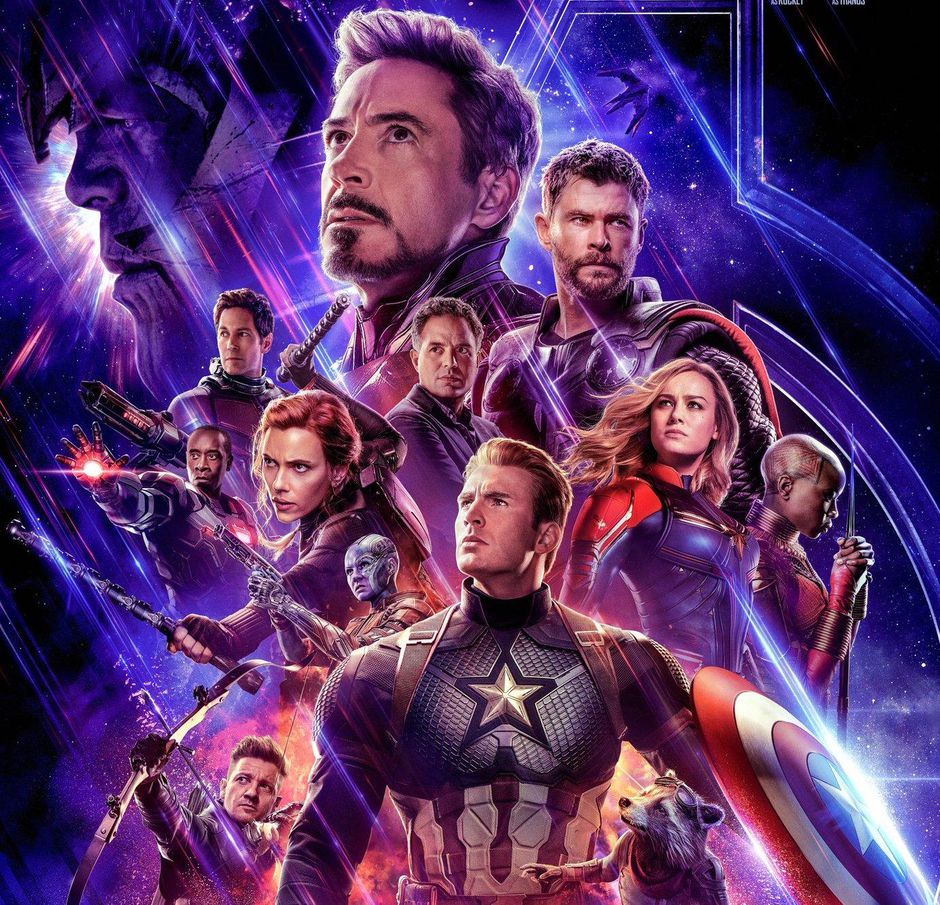
 exactly those issues in better movies than this a hundred times before. And Williams just doesn’t have the allure of Johnny Cash or the talent of Ray Charles or the magnetism of James Brown. He’s just an entitled white dude who made life rough for himself. He made some music and then he died. Hank Williams may be a legend, but you’d never know it from this movie. It makes him seem banal and tiresome. And that’s gotta be hard to do to a man known as the King of Country Music, influencer of Elvis Presley and Bob Dylan, prolific song writer, winner of a posthumous Pulitzer for craftsmanship.
 Teen Spirit is a singing competition, but for Violet, it’ll test much more than her voice. It’ll test the bonds of friendship and family. It will test her integrity and her ambition. Her mettle and her tenacity. And honestly, what teenager could stand up to such a battery of glittering tests? It’s a box full of sin and temptation, just as her mother feared, but Violet can’t wait to rip it wide open.
 tapping into the weird naturalness and closeness of our friendships from early adulthood. Things will change for them, I bet, and soon. I want to tell them to treasure the fuck out of these moments. In fact, these women are on the cusp. They’re nearing 30: careers are taking off, relationships are getting serious. Kids, suburbs, and neglecting our female friendships tend to come next. That sounds sadder than I mean it to because this movie is surprisingly upbeat and fun. So maybe time won’t get away on them, and maybe phone calls won’t go unreturned for months at a time, and maybe they won’t find themselves saying ‘We should get together soon’ and never quite making it happen. Maybe.
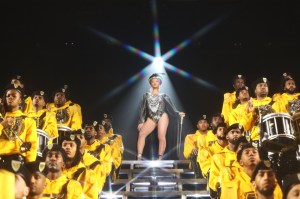 her style and her fame and her talent. She was a successful, powerful black woman, her success and power being so seemingly limitless that they transcended gender and race. And at the height of that power, Beyonce claimed both her blackness and her womanhood in a way that was political, artistic, and impossible to ignore. Now we need a word that is somehow more than Queen, and maybe the only name worthy is Beyonce itself.
 ASSHOLES WATCHING MOVIES