
Elton John has had a life full enough to fill many biopics, but Rocketman shines its spotlight on his most troubled years, as he shot to success and earned the world’s respect and adoration but struggled to know and love himself.
Little Reggie Dwight was a brilliant but shy piano player. His parents were by times abusive and neglectful in their own unique ways, and he retreated into the safe space created by music. As a young man, the self-styled Elton (Taron Egerton) could compose music easily but the lyrics came hard. So his meeting Bernie Taupin (Jamie Bell) was a special gift from the universe – together, they wrote pop songs that would change and infect the world with catchy, raucous tunes.
Elton developed an on-stage persona that was larger than life: in costume he could be brave, and better still, he could be merry. He could play for thousands despite being torn up inside by grief and self-doubt. He was tormented by the possibility that he would never truly be loved – this, even as he continued to seek the approval from parents who could never give it to him, and affection from a man who would use and abuse him.
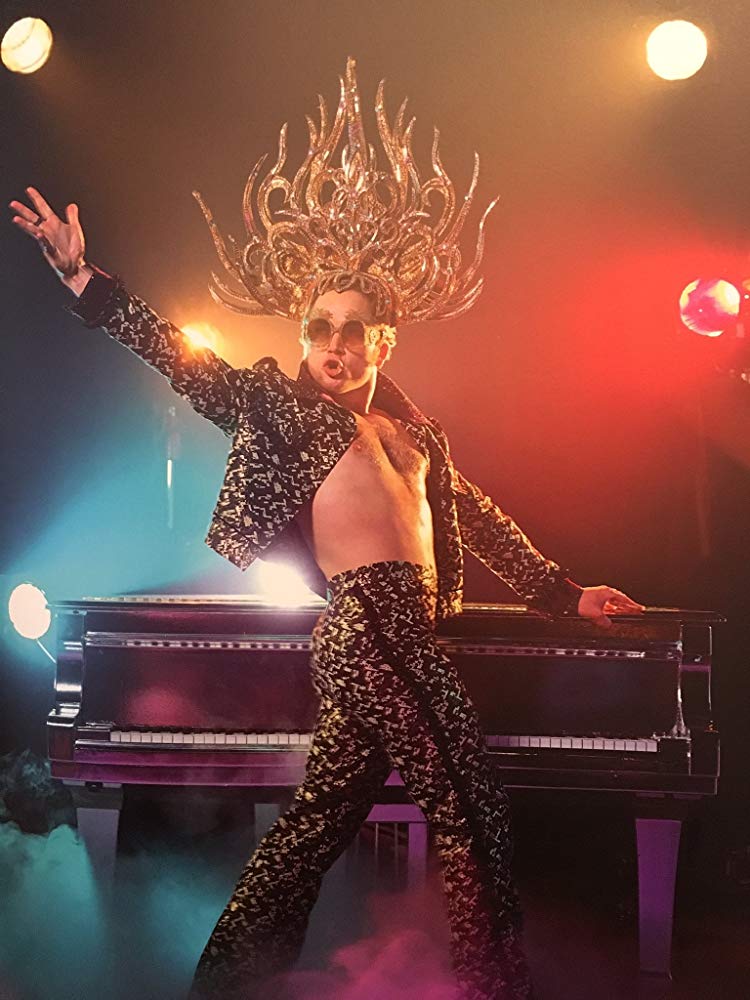
Rocketman chronicles both the highs and lows of Elton’s life, whether plumbing the depths of his despair in group therapy or lifting an entire audience off its feet – this latter shown quite literally through the magic of cinema. These fantastical elements really elevate the material beyond the standard biopic and help establish a sense of the unreal. In other parts, the film’s a little draggy, and though his unhappiness is obviously a recurrent theme in his life, I wish it was a little less returned to in the film.
The monstrously successful, deeply conflicted, young, gay addict Elton is brought to life on the big screen by Taron Egerton, doing all his own singing, dancing, wallowing, and dazzling. He may not be his physical twin, but he embodies his spirit and he nails his tight-lipped grin. He manages both the bravura and the pathos, and nails them both.
Director Dexter Fletcher’s Rocketman is a bedazzled piece of inventiveness and daring. The movie truly thrills when he embraces his creative vision, translating the highest of emotions into visual delights that pair amazingly well with songs we still want to sing along to. While it’s by no means an exhaustive list of his hits, the movie folds them into itself with purpose and delight. It’s easy to get swept along by this engaging, vulnerable, triumphant story.
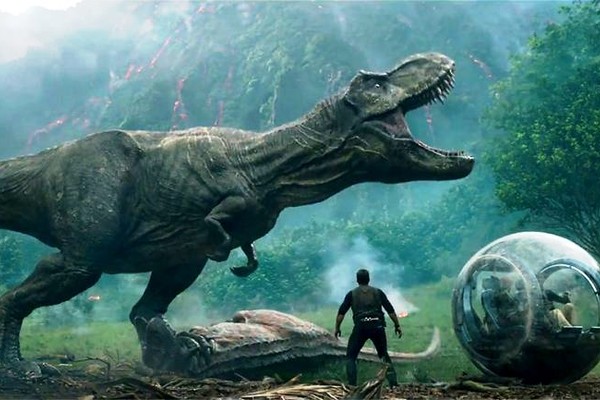 Shouldn’t a sequel feel twice as big as the first movie? And shouldn’t the fifth Jurassic Park and the second Jurassic World feel at least five times bigger than a T-Rex and double the size of the giant fish/dino that ate the Indominus Rex? And shouldn’t Chris Pratt have twice as many raptors on his strike force? And shouldn’t Bryce Dallas Howard be running around in even higher heels than last time? Well, yes, all of that should be happening in Jurassic World: Fallen Kingdom, but instead, JWFK feels really small.
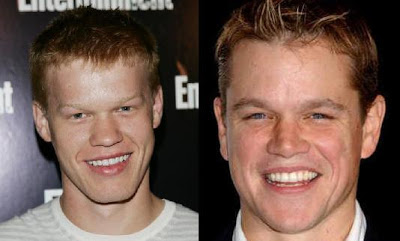
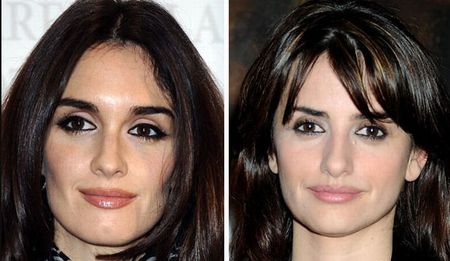
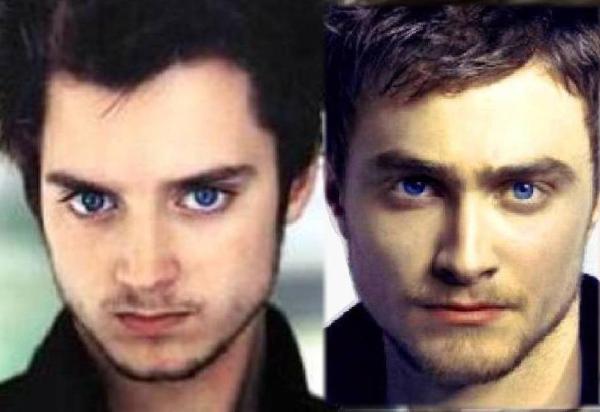
 Javier Bardem and Jeffrey Dean Morgan: are they actually the same person?



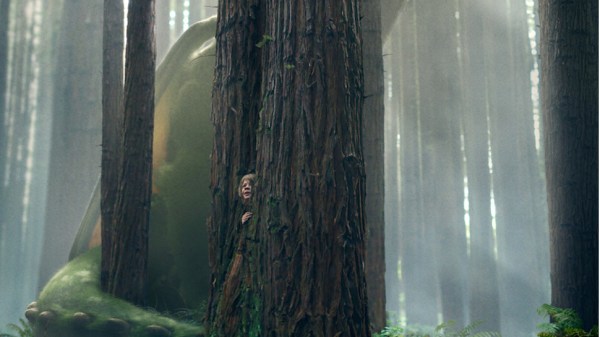 I am old enough to feel like I should remember the original Pete’s Dragon (which was released in 1977). I know that I saw it as a kid but it definitely did not stick with me. Because of that, I would have had no expectations going into the 2016 version of Pete’s Dragon but for the very positive reviews it has been getting. The new Pete’s Dragon did not resonate with me to quite that degree, but it is a good family movie that I think kids will love. It also may make you wish you had a pet dragon.
 Just don’t expect there to be a clear message. Lately, Disney (/Pixar) has been doing well at including big coherent themes in kids’s movies, from



 ASSHOLES WATCHING MOVIES