
I recently sat down to watch 2 biographical documentaries, Amy
Fame and addiction don’t have to co-exist necessarily, but when they do, the fame feeds the addiction. Literally: you and I might have to choose between cocaine and groceries, or cocaine and prostitution, but they have unlimited resources. Couple that with a need and want for approval, of being adored by everyone except maybe yourself, and it makes for a really bumpy road.
That said, I Am Chris Farley is not entirely the bummer you might think. This film asks: can you make small-dick jokes about your dead brother? And the answer is: yes. The Farleys can! Chris may have been th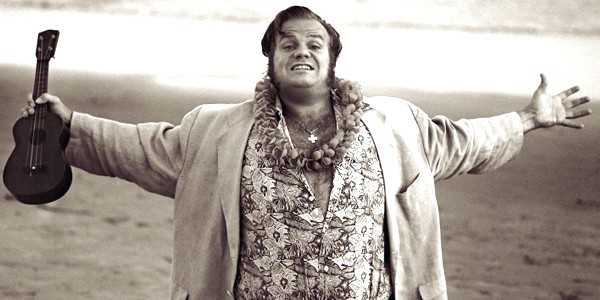 e star, but the funny gene seems to have been a family trait. His brothers recount their idyllic childhood, and their brother’s quick rise to fame, leap-frogging others from Second City immediately toward the father-like figure of Lorne Michaels at SNL, where Mike Myers points out Chris was an instant favourite. Dan Aykroyd likens Farley to his own friend (who met a similar demise) John Belushi, and Lorne Michaels thinks of him as the love child that Belushi and Aykroyd never had.
I first found Saturday Night Live when Farley et al. were at their height. Babysitting late a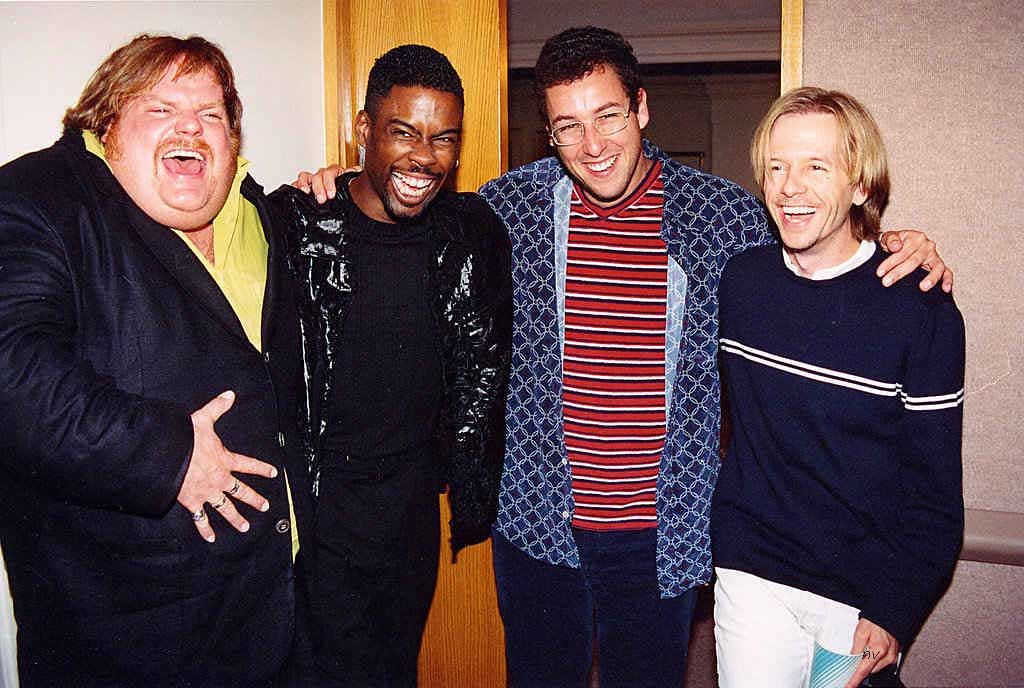 t night, their reruns kept me company.Farley, David Spade, and Adam Sandler were clearly friends who wrote for each other and worked together all the time, and it was magical to watch them (dubbed “the bad boys of SNL” along with Rob Schneider and Chris Rock). Then they got bigger than the show itself and started casting each other in their movies – Chris appeared with Spade in Tommy Boy, and with Sandler in Billy Madison. Shit blew up. They were
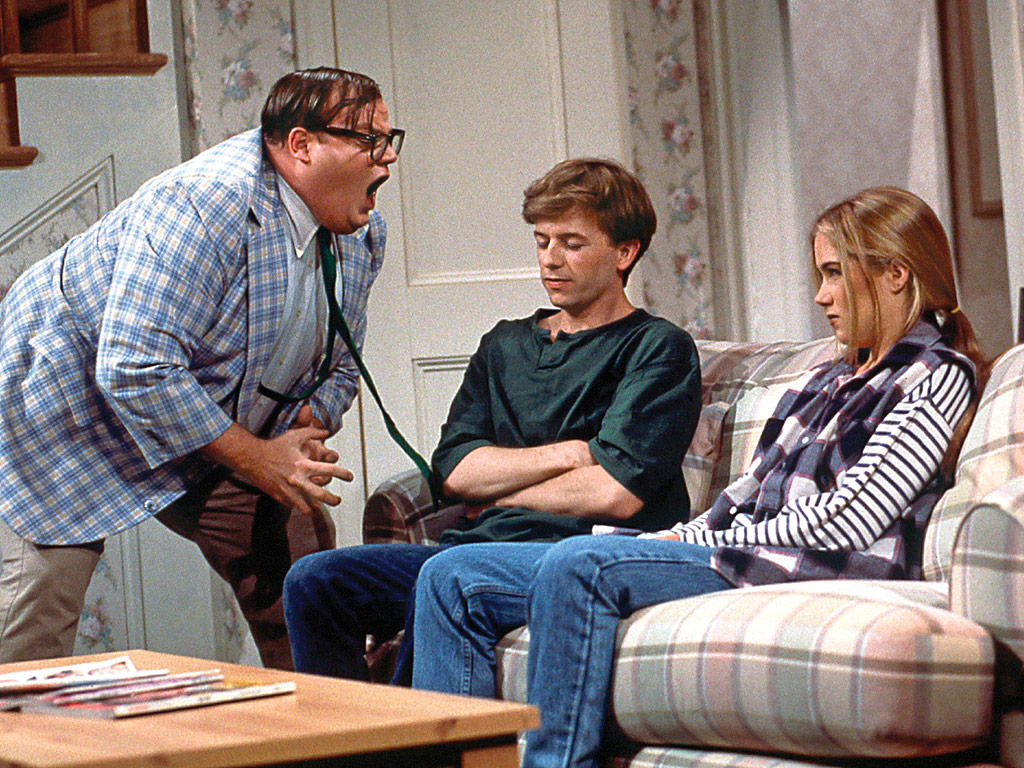 all celebrities. I remember watching the 25th anniversary show in 1999, and Sandler and Spade came back to pay tribute to him just 2 years after his sudden death. Those casts are often very tight, and the remembrances are far too many (send-ups to Belushi and Hartman are equally touching).
Chris Farley had a huge heart and is clearly still missed today.  Interviewees are choked up recalling his problems with drinking and drugs and it’s hard to watch the regret on their faces. Farley didn’t want to die. You don’t go to rehab 17 times because you want to be this way. But his addictive personality was strong and his self-confidence weak, and he died alone on his kitchen floor at the age of 33.
Amy Winehouse died when she was 27. She was messed up before she was famous, she made her fortune on a song that mocked rehab, and it was probably not much of a surprise, but no less a 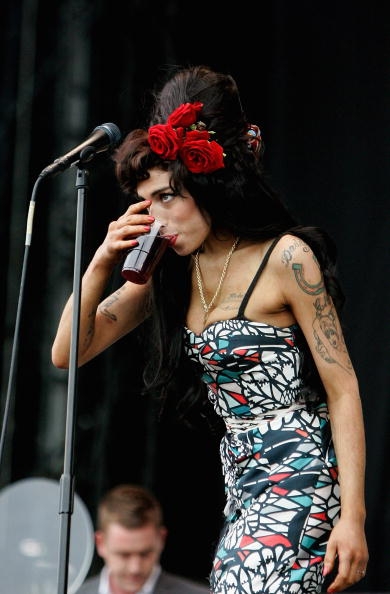 tragedy, when she passed the way she did. Newsweek called her “a perfect storm of sex kitten, raw talent and poor impulse control” while paparazzi documented her wasting away in front of us, in clear emotional and physical distress. It was hard to watch at the time, especially knowing that the people who should have been caring for her were instead treating her like a meal ticket.
In the documentary, all the people in her life come together to speak on her behalf, and theirs – and we’re talking about people who clashed over her in life and defend themselves and their  actions since her death. You really get a sense of what a tangled mess her life was, but it also manages to be tender. It’s just a story that you wish didn’t exist. This woman with an enormous voice and huge talent poisoned herself to death with alcohol in the end, and everyone was too busy trying to make money off her to notice or care. That’s the tragedy. She was a lost little girl insulated by her money and success, and it killed her.










 ASSHOLES WATCHING MOVIES