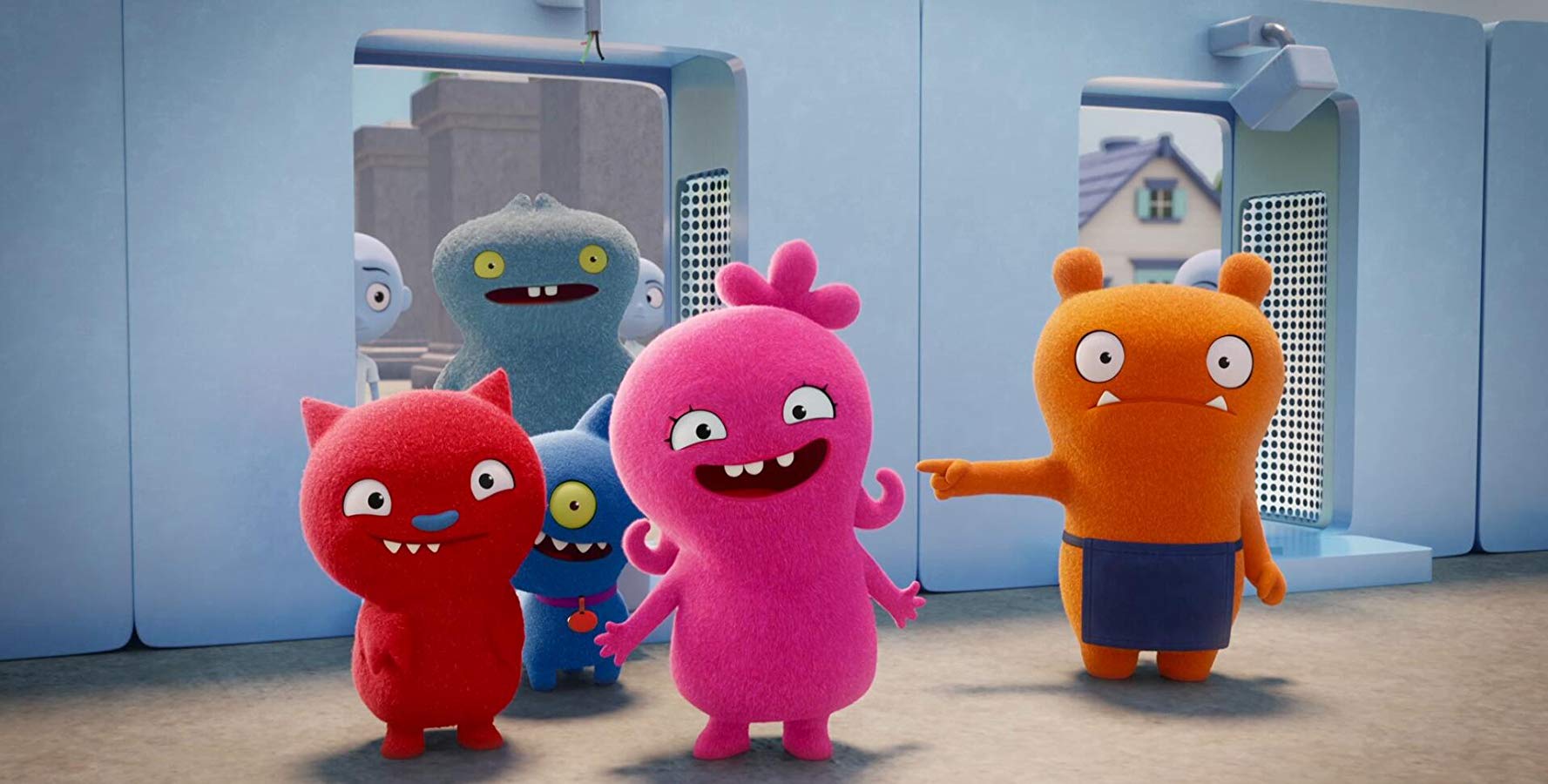
Uglyville is home to some fairly upbeat if misshapen dolls – they’re missing eyes or teeth or limbs – but most seem content. All but one doll, Moxy (Kelly Clarkson), who dreams of going to the “big world” and living with a child who will love her. She gets together a band of misfits (truly the only kind of band that CAN be assembled on this island of misfit toys by any other name), including Lucky Bat (Leehom Wang), Wage (Wanda Sykes), Babo (Gabriel Iglesias) and Uglydog (Pitbull), and together they stumble upon the Institute of Perfection, the last stop between the best dolls and their forever homes.
The Institute of Perfection is run by Lou (Nick Jonas), an alarmingly blonde-haired, blue eyed bastion of excellence. He gets all the beautiful dolls ready to run the gauntlet, the final hurdle to be cleared before being placed in a home. Moxy and gang find these perfect dolls to be outwardly pretty but inwardly ugly – they soundly and definitively and in many cases quite cruelly reject Moxy and friends for looking different.
From the very first frame, you know where this film is headed. We’re teaching kids to embrace differences and to accept imperfections. Sounds nice. But this movie takes an uncomfortably long time getting there and goes through too many catchy songs about the importance of beauty on the way. It makes you really start to sweat all the Hitler references.
In the end, the Uglydolls meet a perfect doll named Mandy (Janelle Monae) who (you may want to sit down for this) wears glasses. And through that hideous physical defect they’re able to bond and together they realize that not only is being weird okay, maybe it’s even possible for a kid to love you that way, in all your freaky glory.
UglyDolls plays like a watered down Toy Story, appealing to only the very youngest of children (my 5 year old and 7 year old nephews preferred to pick up live-action Dumbo over this for a recent car trip, but it was Sean’s recommendation of Shazam that really impressed, which meant we just spent 10 days sequestered in a cottage with kids who couldn’t go more than 5 minutes without singing “Lightning with my hands! Lightning with my hands!” and requesting this new band they’ve just been introduced to through the movie – Queen). Its fuzzy feltness and bouquet of primary colours should serve as a warning that this movie is nothing but saccharine and if you have any other requirements from a film then this one is not for you.
So we’ve run through both Marvel characters and Disney princesses, I guess it’s time we take a look at our Star Wars pals and vote on who’s most likely to succeed. The only problem is that Sean was a nerdy little kid who loved Star Wars while I managed to avoid it for most of my life. So my votes are going to very basic in comparison to his since I don’t know who the heck Boba Fett is even though Sean talks about him (?) all the time. I will probably struggle not to say Chewie every time. God help me. No, YOU help me. Chime in!
Best Hair
Well holy hell. This is hardly fair! And could it really have gone any other way? Chewbacca for the win, but his hair is no joke. Maria Cork was the supervisor of the hair department in creature effects on The Force Awakens, and it was her job to make sure his locks were glossy and gorgeous every single day. Mostly yak hair with a bit of mohair around the eyes, you can read all about his preferred hair tools and products here.
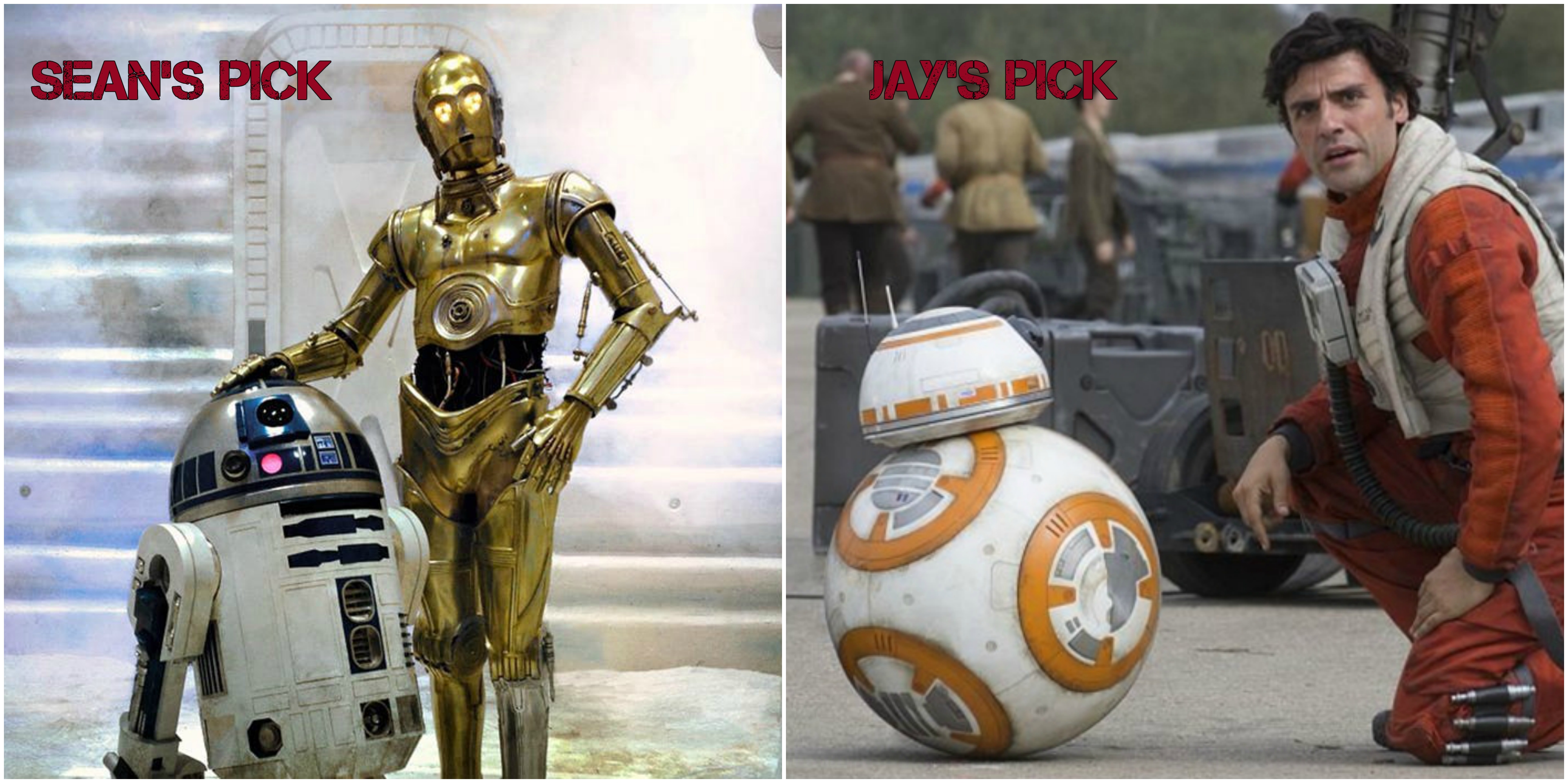
Cutest Couple
No shame, but we’re on the same page again. Is there such thing as being TOO partial to droids? Nah. C3PO and R2D2 are more like an old married couple who bicker all the time but ultimately have a deep and loyal bond. Poe and BB-8 have more of a bromance. We should all be so lucky as to be cherished and valued the way Dameron feels for his droid.
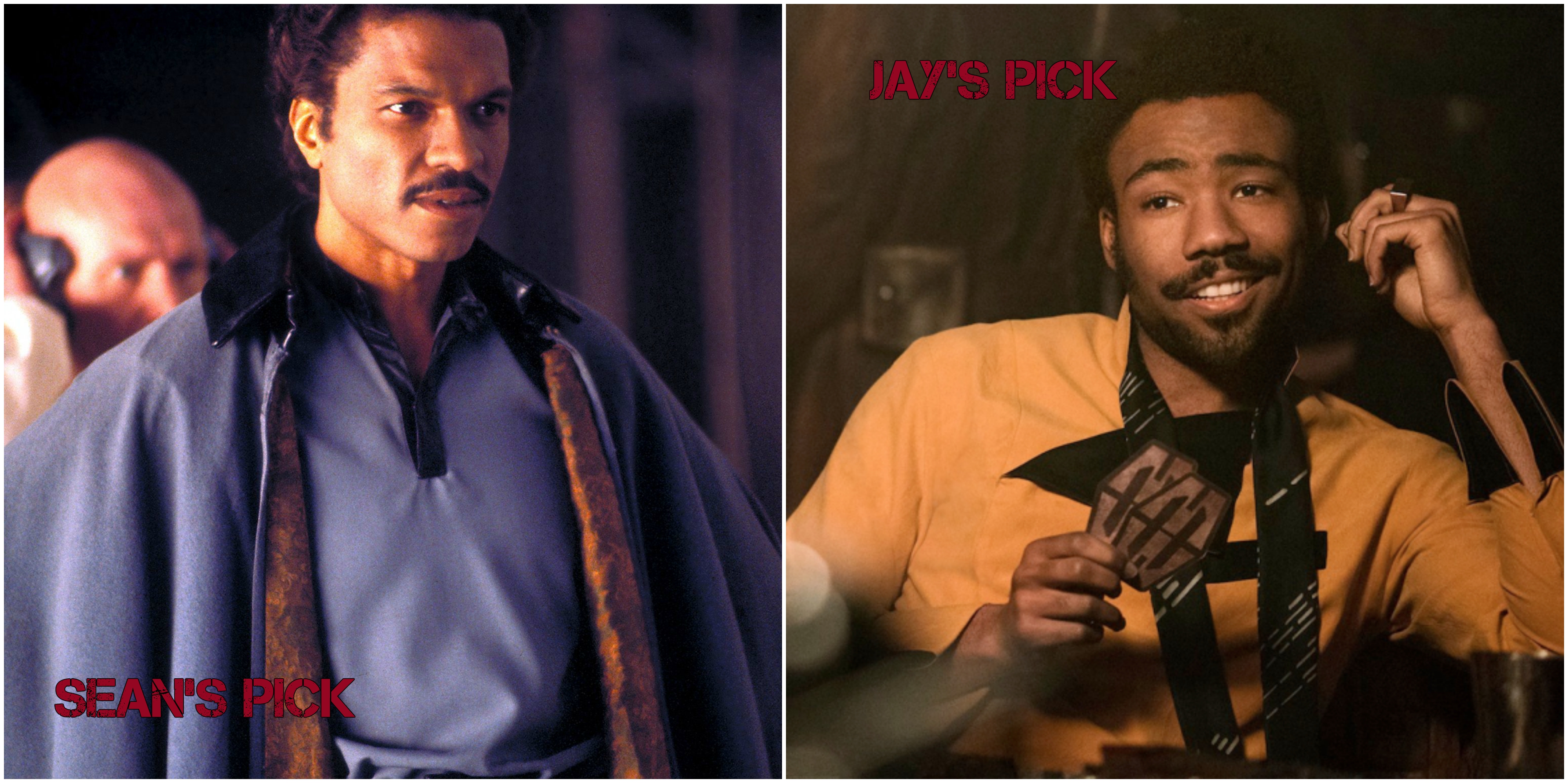
Best Dressed
Samesies again? And I’m not even mad about it! Lando Calrissian is the obvious, and perhaps only choice. He’s stylish and debonair and has a cape collection that an entire galaxy envies.
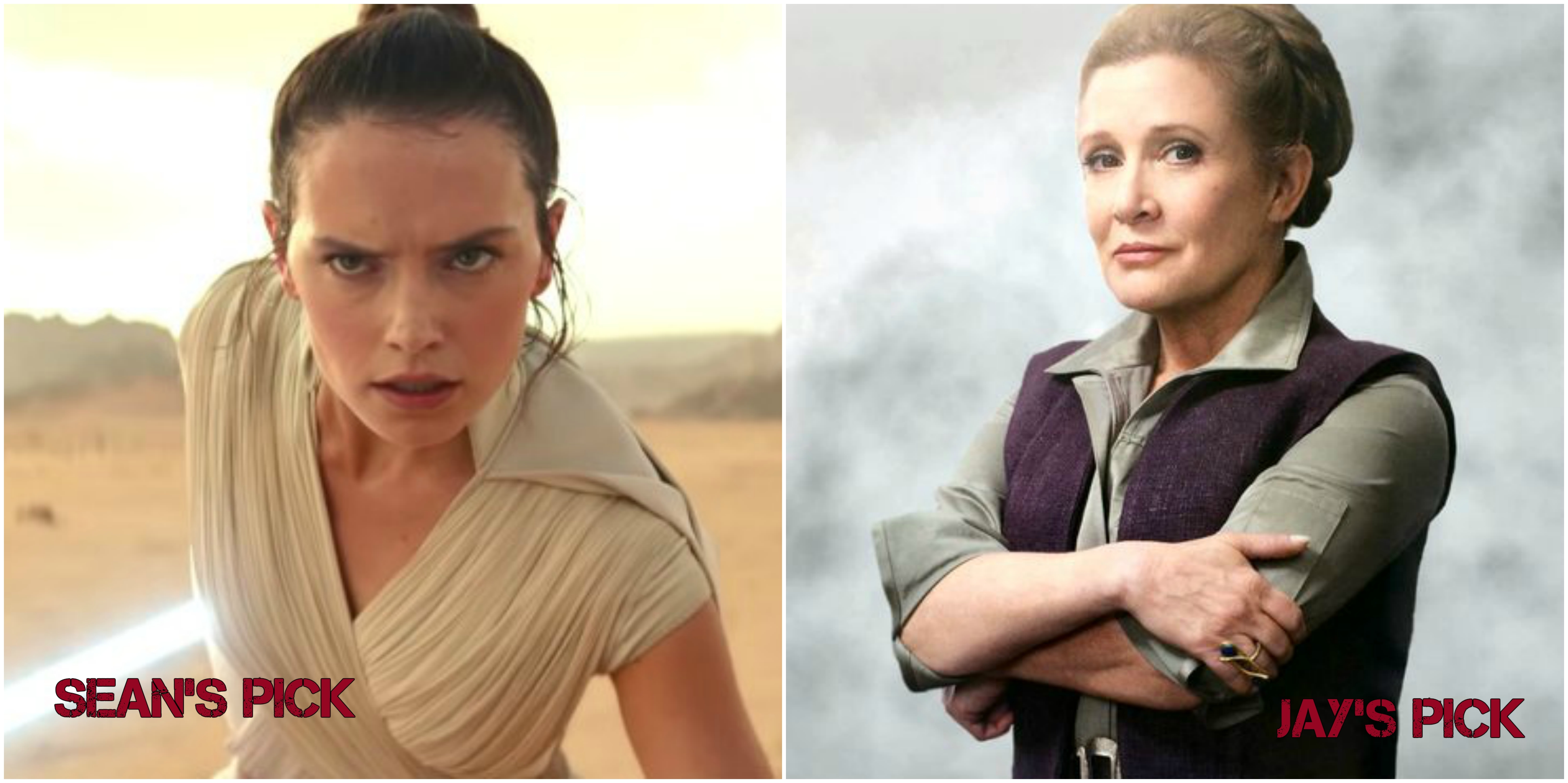
Most Badass
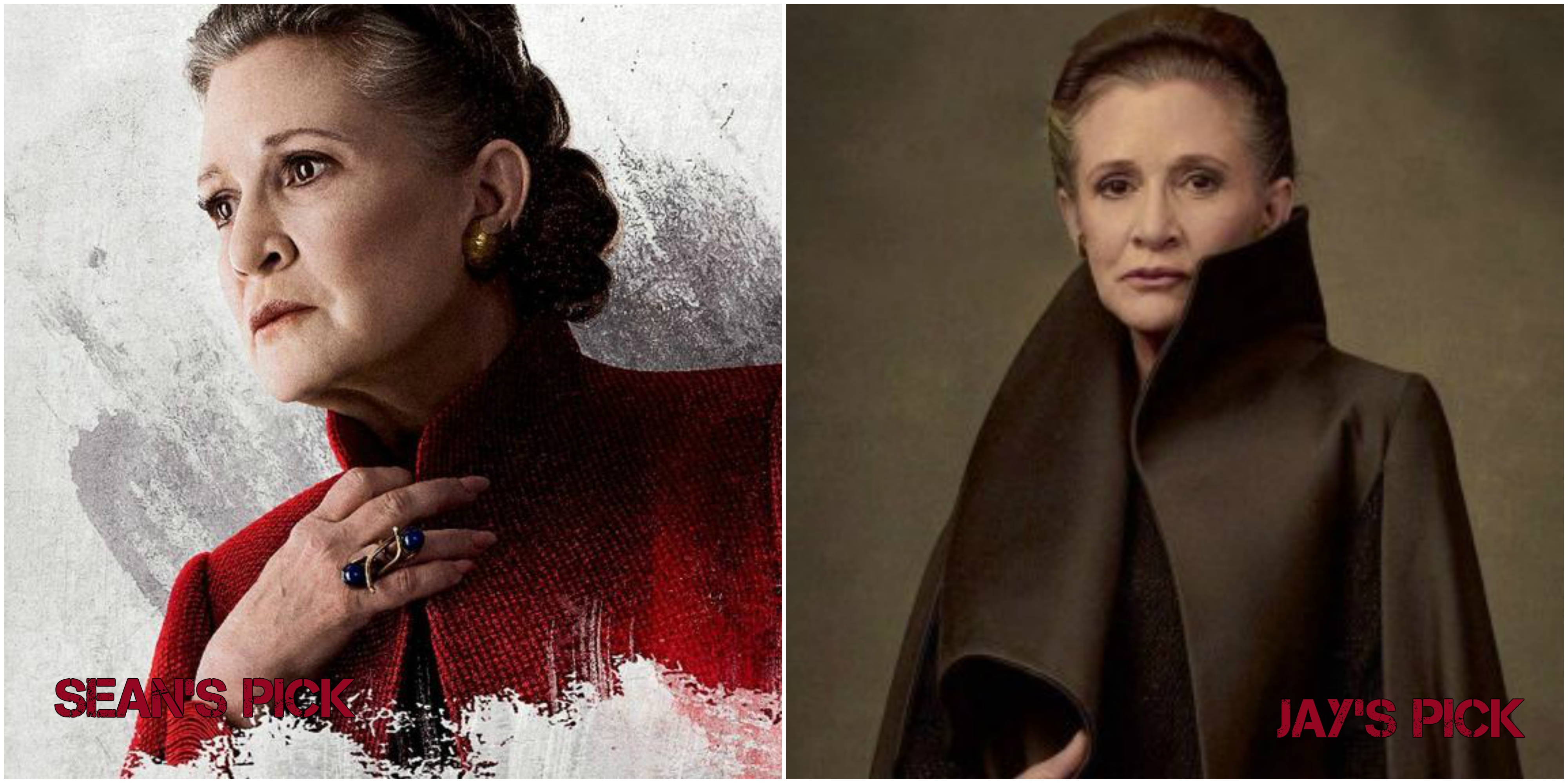
I was startled and impressed with General Leia’s power, her temerity, her cool, her commanding presence. But ultimately I think Sean will be proved right – Rey ain’t nothing to fuck with.
Most Ambitious
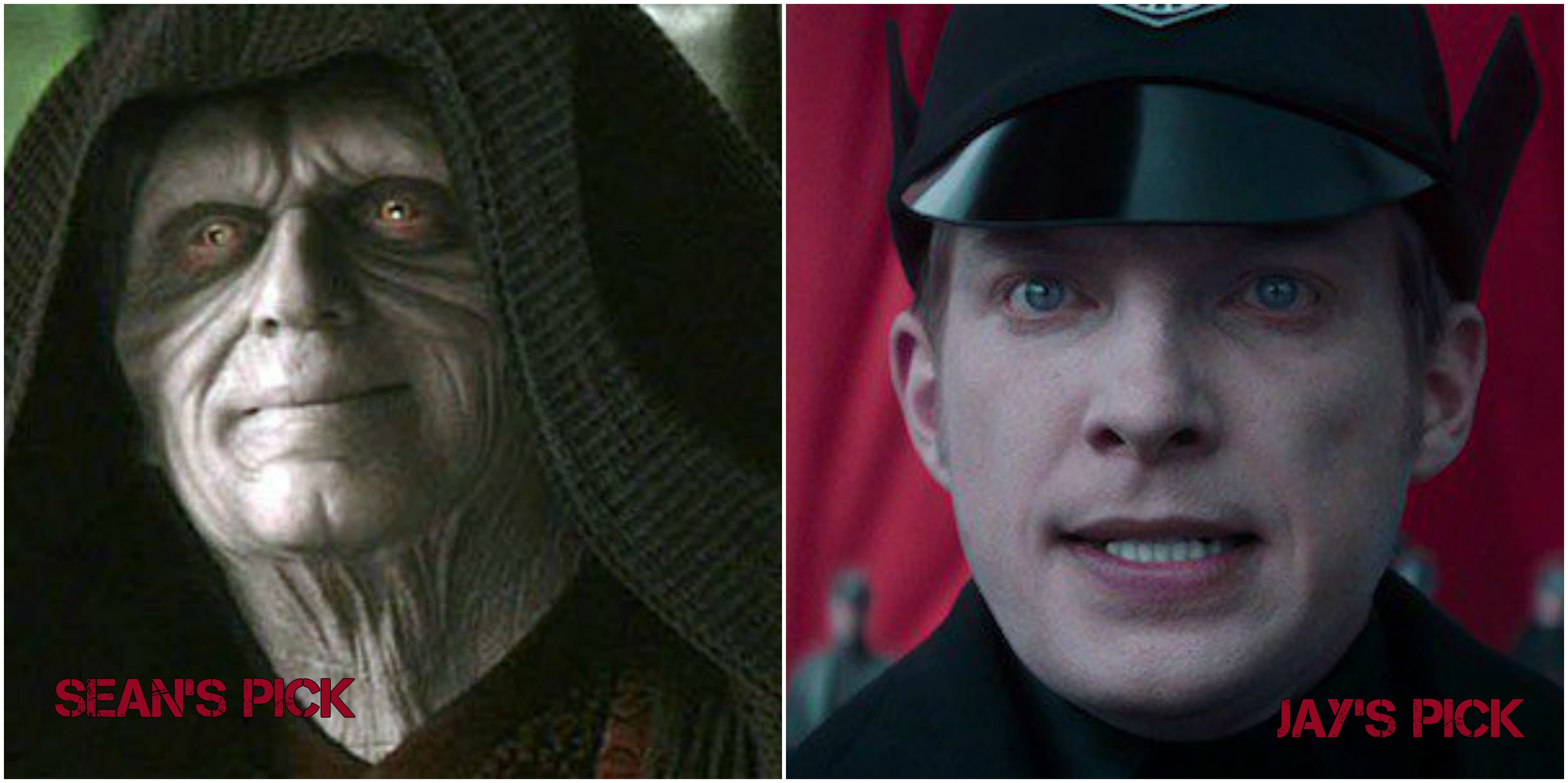
Sean went with Emperor (Palpatine – I think), and I’ll believe him. I can’t really remember the bad guys so I googled Domhnall Gleeson Star Wars guy and the internet reminded me that he was called General Hux, who seems reasonably upwardly mobile.
Biggest Flirt
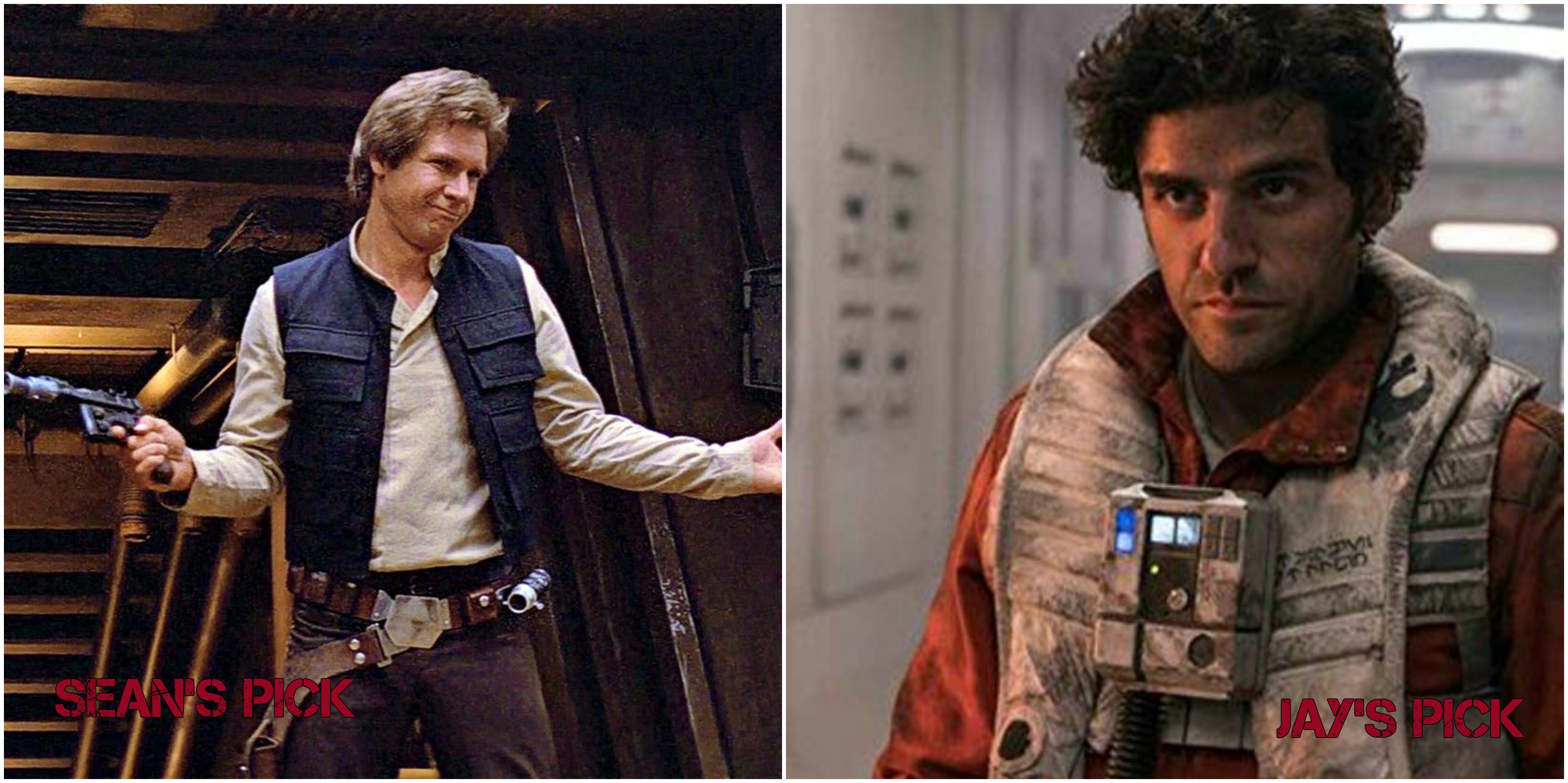
Sean thought Han was the flirtiest but I went with Oscar Isaac because that boy was eye fucking me the whole movie.
Class Clown
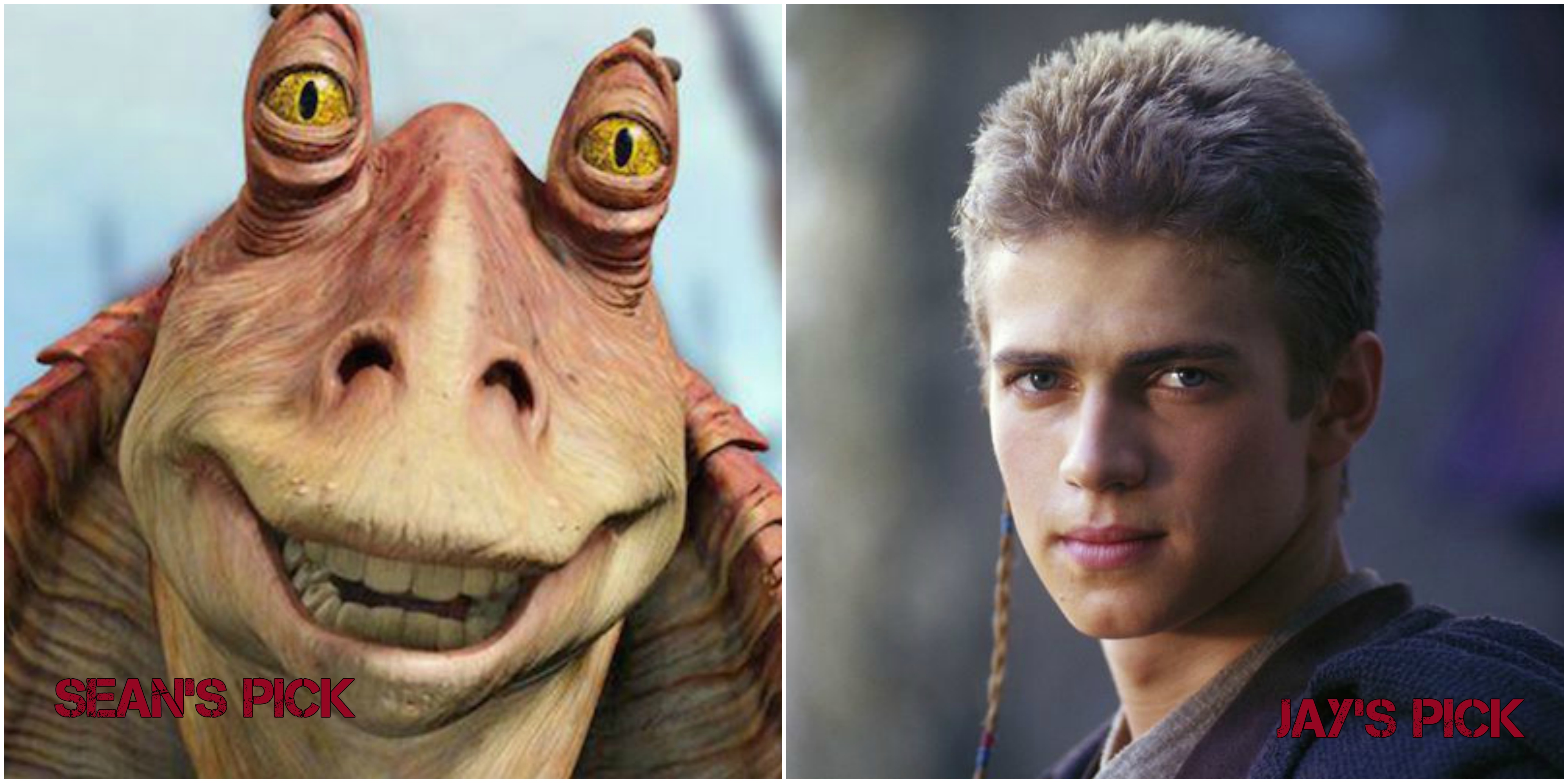
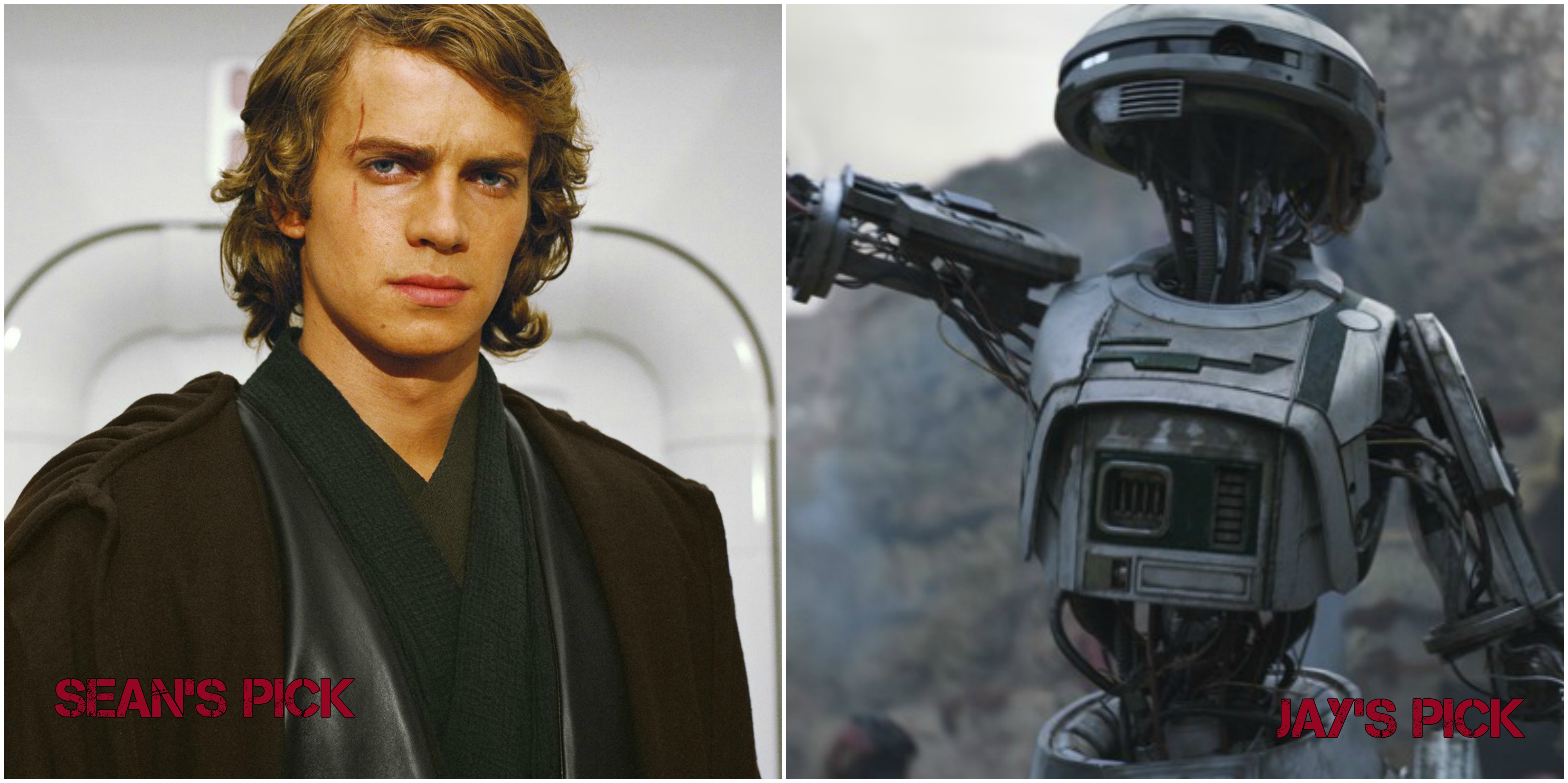
Sean went with Jar Jar Binks and I kind of don’t really know who that is in the grand scheme of things. I chose Anakin Skywalker because that shit WAS funny, even if it wasn’t intentional.
Life of the Party
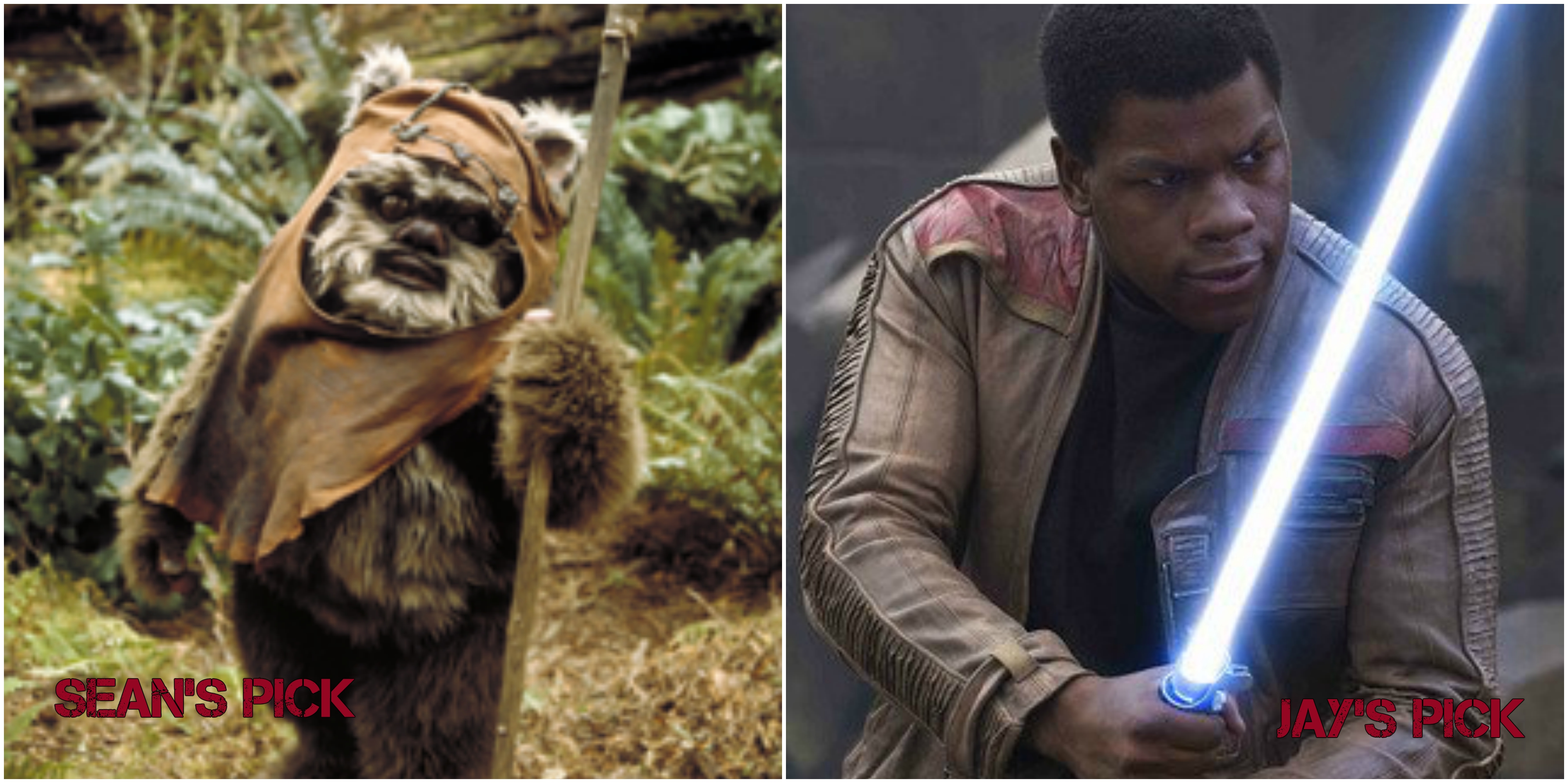
Sean went with Wicket, the Ewok, and to be honest, I don’t know my Ewoks. Is this something I should look into? I went with Finn because I bet there ain’t no party like a storm trooper party.
Best Car
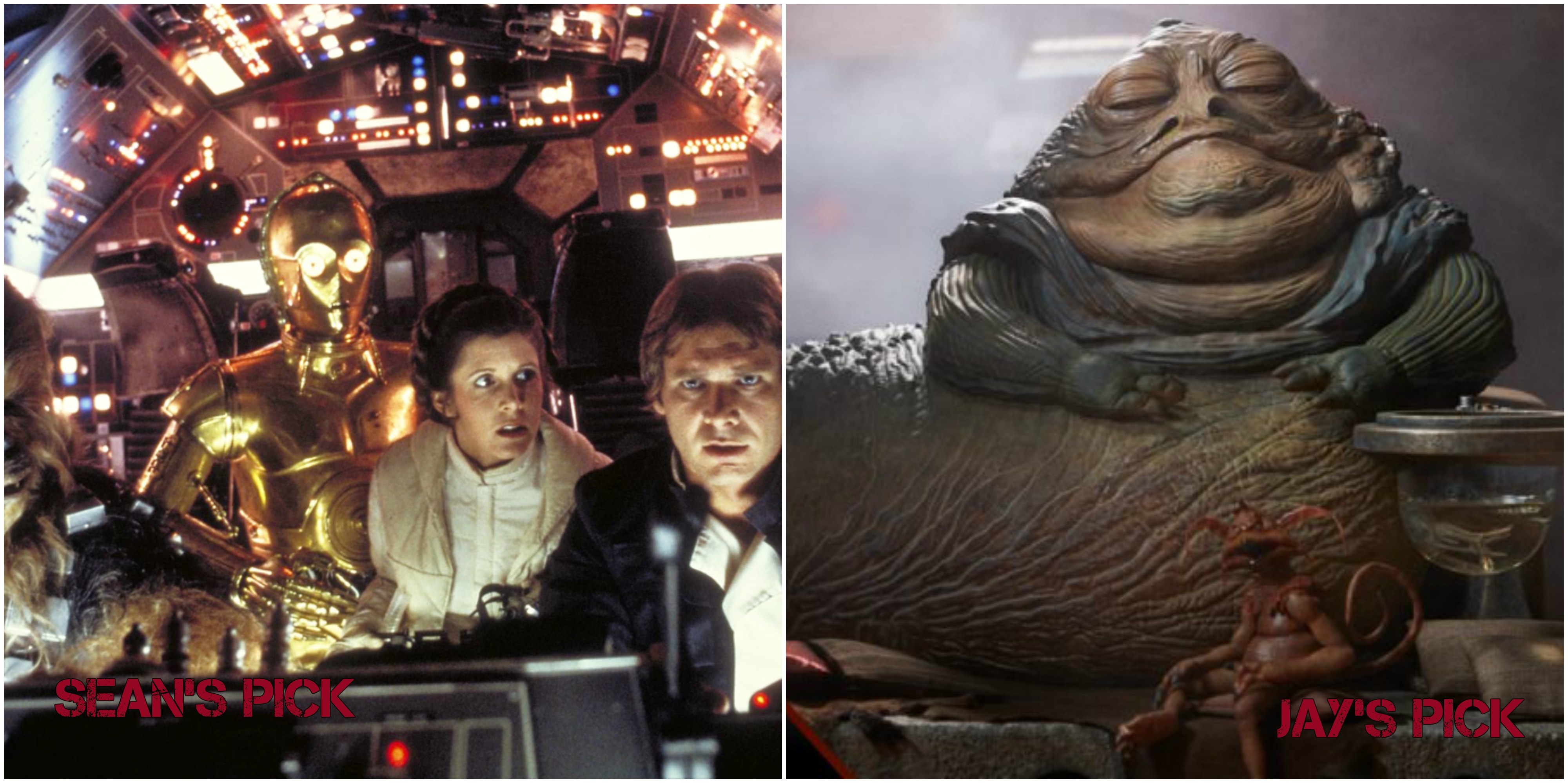
In a move surprising no one, Sean goes with Han and his hunk o junk, the Millennium Falcon. I wanted to pick those AT-AT things but I don’t know who drives them. So I went with Jabba’s party boat, which if course I couldn’t remember what it was called so again I had to ask google: what do I mean by that barge thingie with sails that picked them up in the desert and the internet spit back: Khetanna. It’s like a cruise ship for space villains. Sure it has a blaster cannon but it’s also got room for live music and 500 guests.
Most Likely To Become President
Again the vote goes unanimously to General Leia Organa for president, though let’s be honest – she’s already pretty much attained higher rank than that. President would probably be a demotion.
Most Likely To Get Catfished
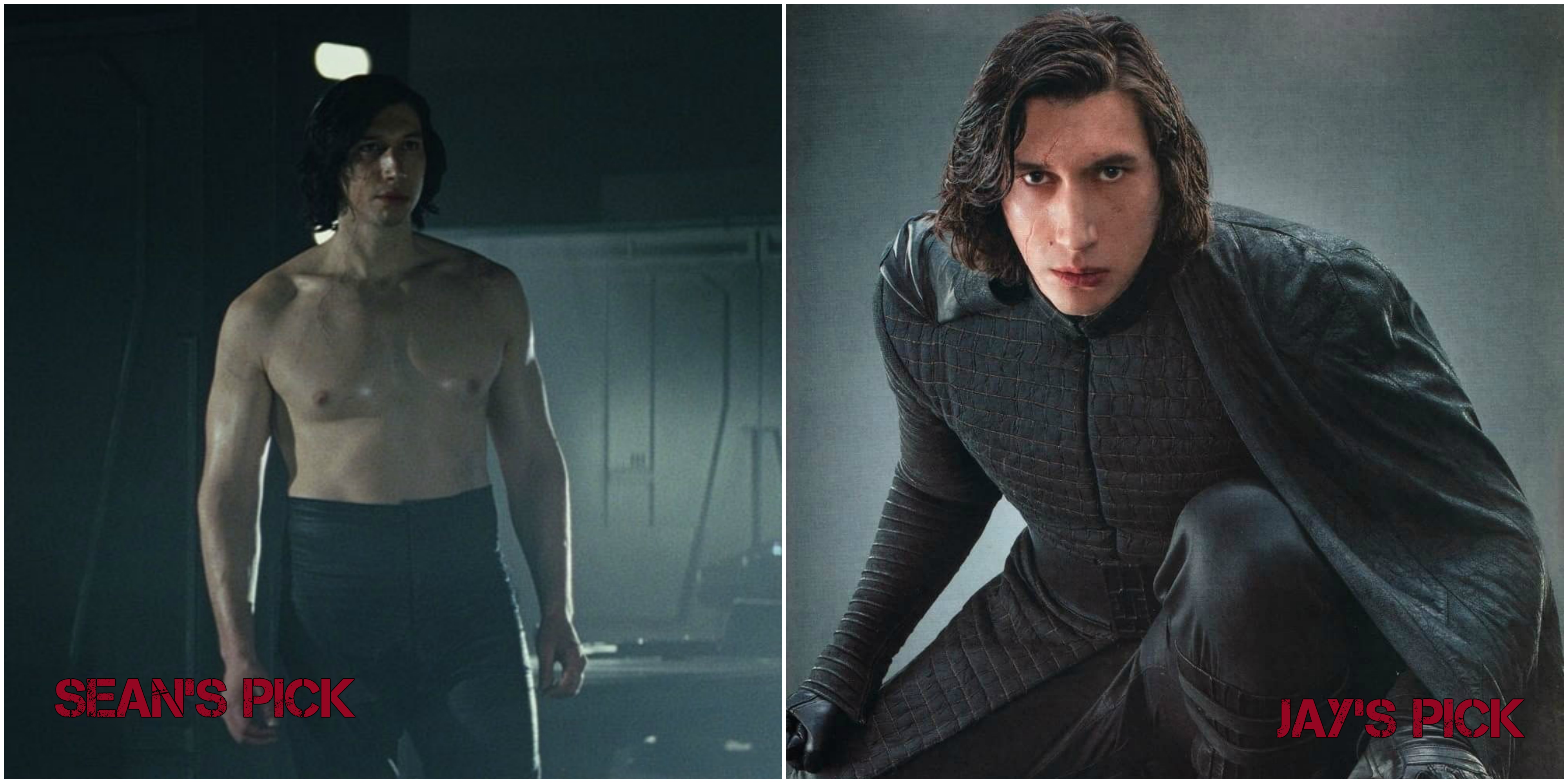
Of COURSE it’s Kylo Ren. This emo dweeb probably has a dating profile littered with My Chemical Romance lyrics, and his profile pic is of him shirtless wearing high-waisted mom jeans, and he still wonders why everyone’s swiping left. He’s probably teetering dangerously in incel territory.
Most Accident Prone
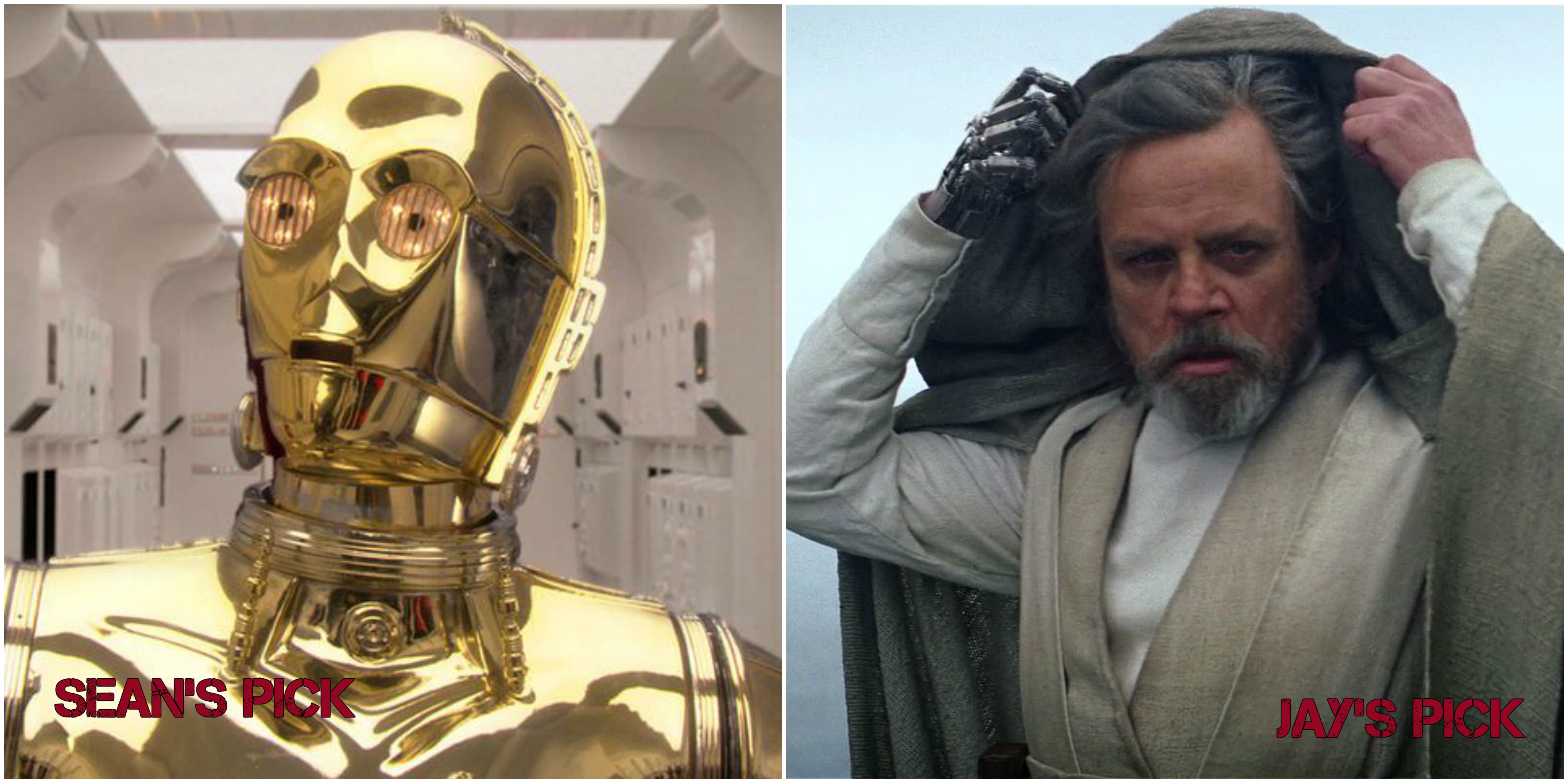
I guess I don’t have any specific memories of C3PO being clumsy, but it sounds right. I went with Luke because the dude is missing a hand!
Most Opinionated
Sean went with Anakin. I went with L3, Lando’s droid from Solo, who was smart and woke and ready to lead her own rebellion.
Most Upbeat
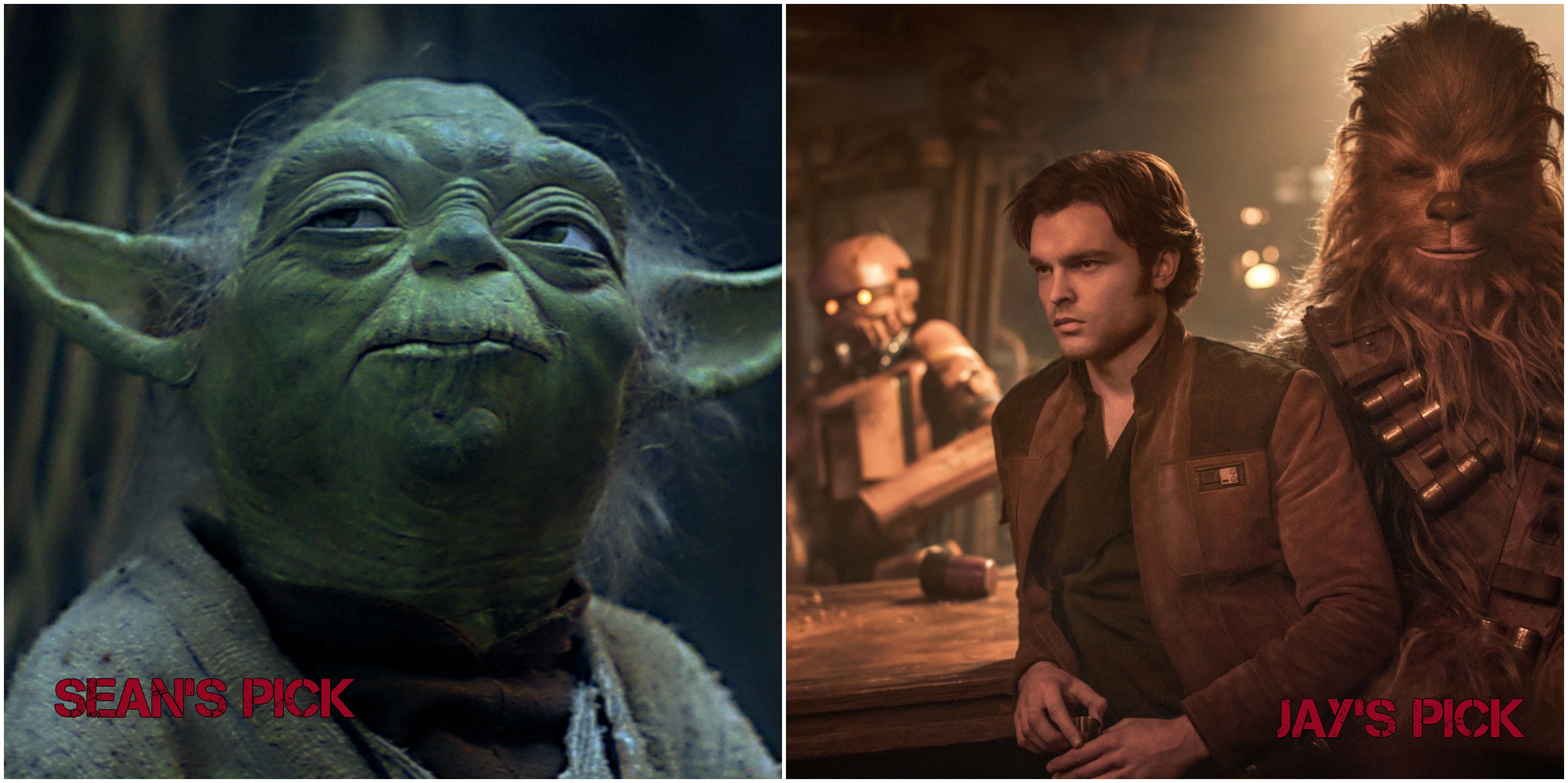
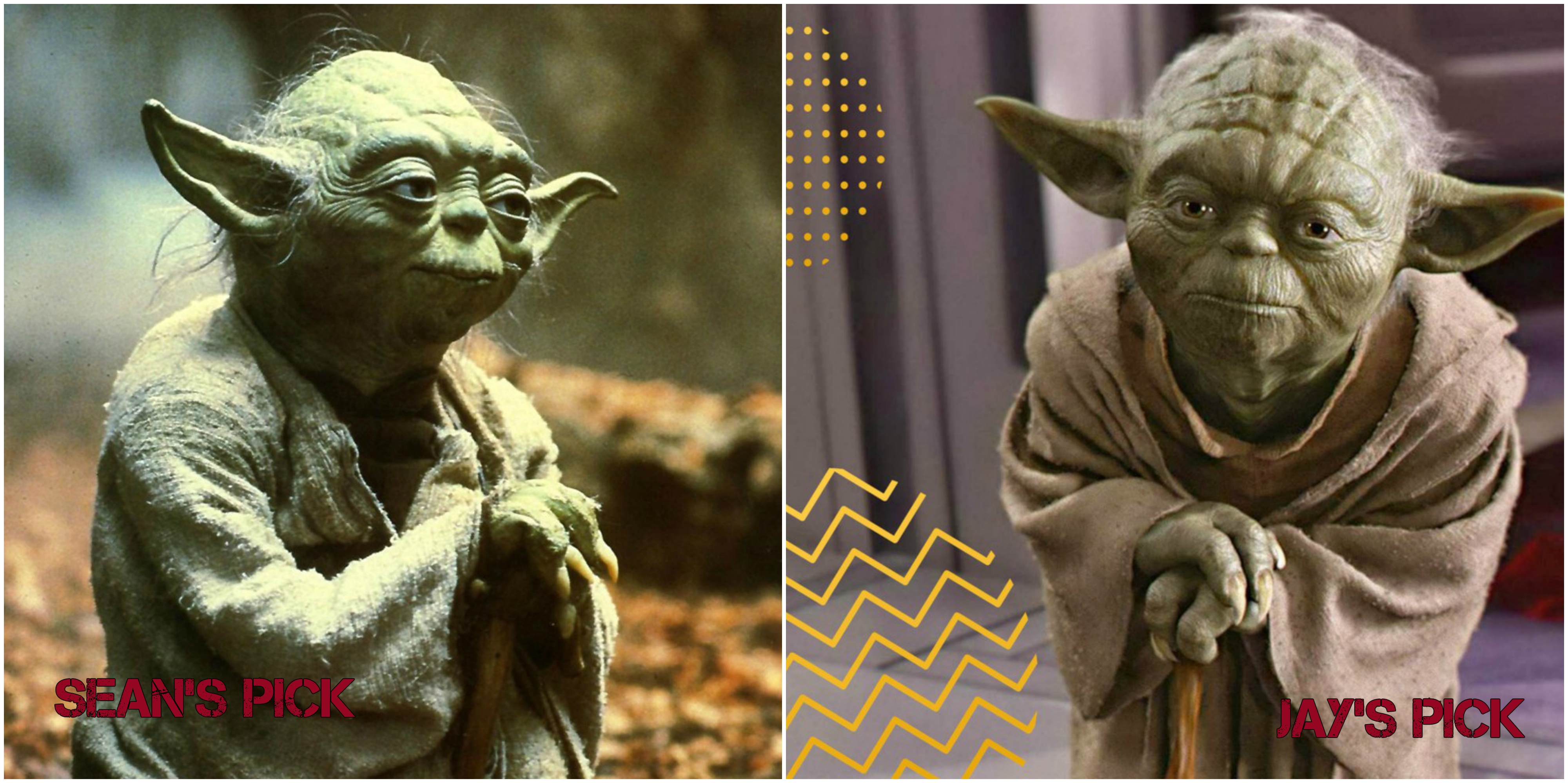
Sean gave most upbeat to Yoda, and I’m glad to see him get some love, especially for his zen philosophy. I went with a young Han Solo – I connected more with him than I ever did with Harrison Ford’s character, which is probably blasphemous, but there it is.
Most Likely To Make Millions
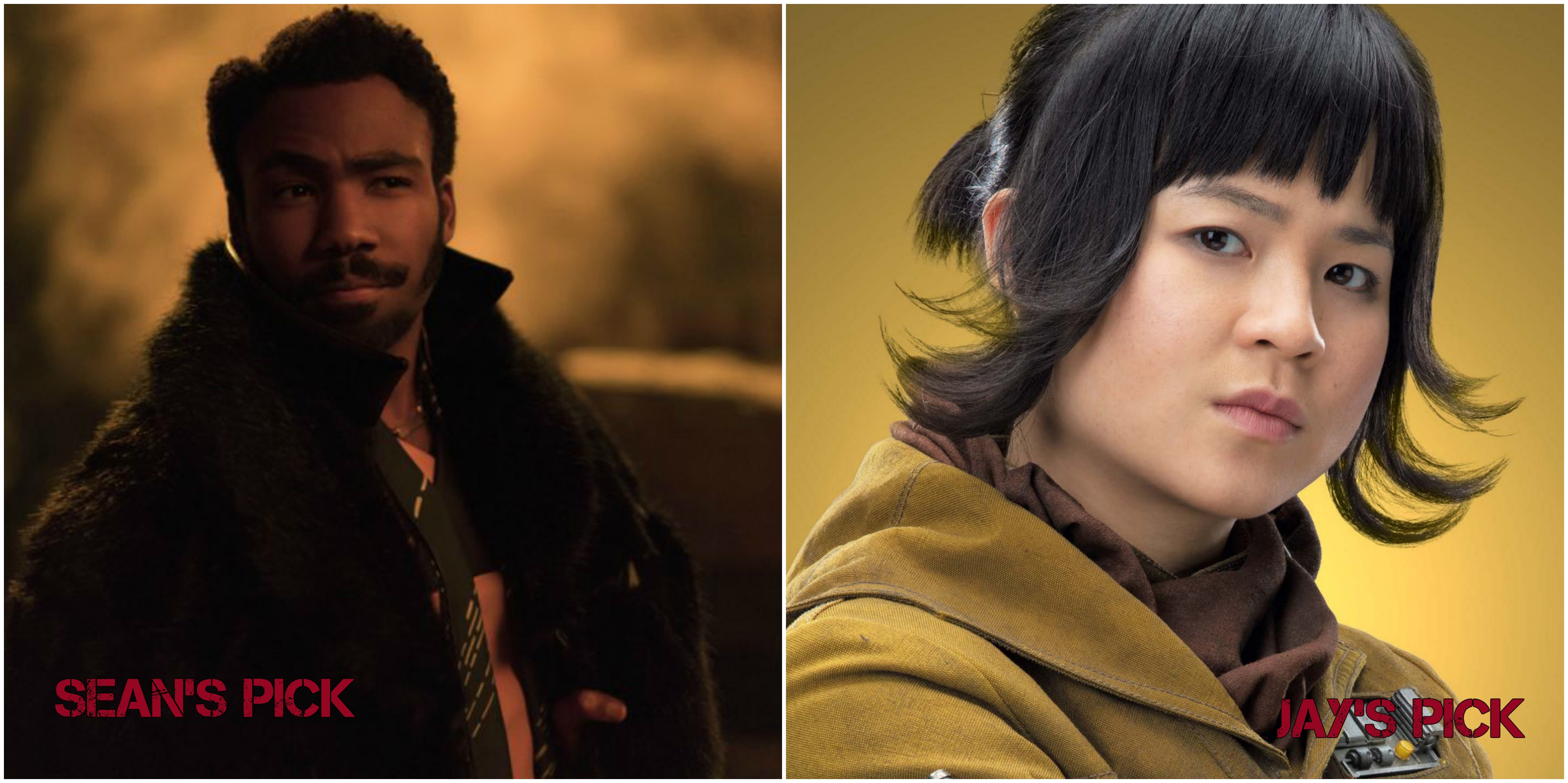
Sean went with Lando for most likely to make millions, and as a chronic smuggler and gambler, he’s a hustler baby, and Sean’s probably right. But I went with Rose Tico. She’s got an impoverished background, having been forced to plunder her own mining community for the First Order her whole life, so I think she’s got the proper motivation to rise to the top.
Most Likely To Star In Their Own Reality Show
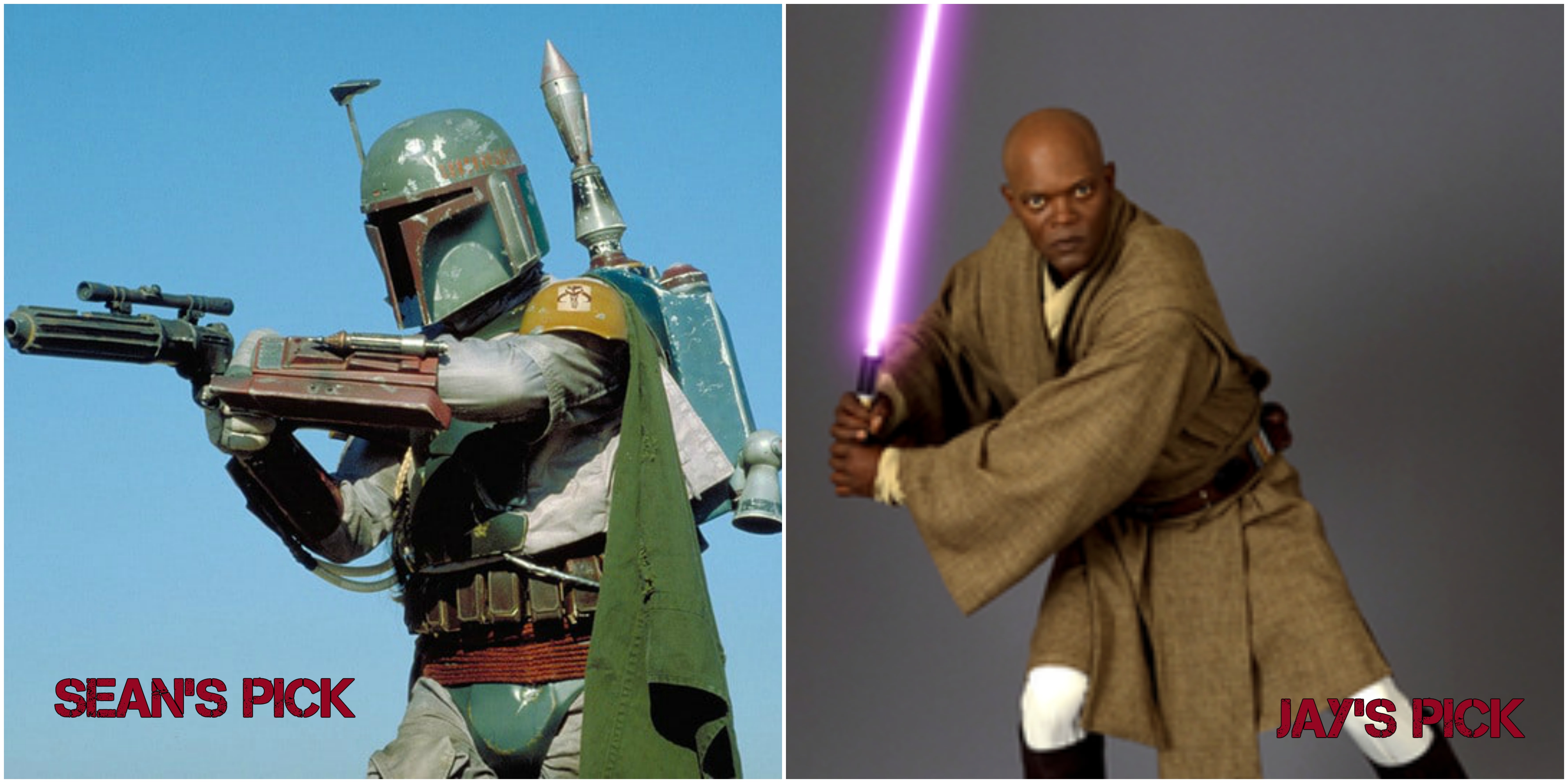
I knew you’d have Boba on here somewhere! I went with Sam Jackson, and I guess I mean that literally. I had to google his jedi name: Mace Windu. I’m really in this for SLJ (the L is for Leroy!).
Mostly Likely To Be Famous on Instagram
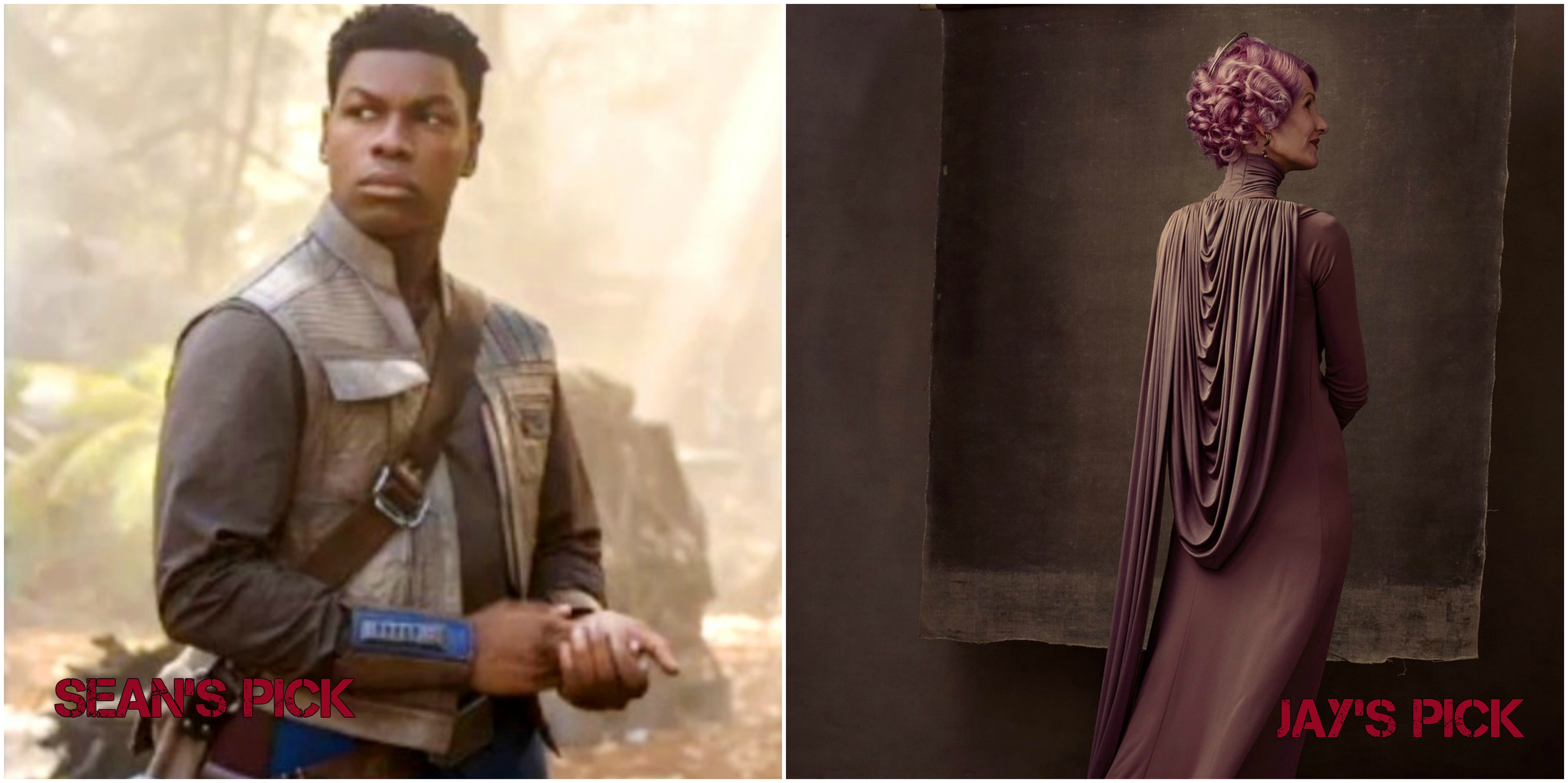
Sean thought Finn would do well on IG but I picked Admiral Holdo because she seems more into hair and fashion and getting her angles right, plus she’s important and well-connected so she’s got lots of famous friends.
Brainiest
Okay fine, we’ll give this one to Yoda, who has an advantage, being a 900 year old jedi master all-seeing ghost.
Who You’d Most Like to Eat Lunch With
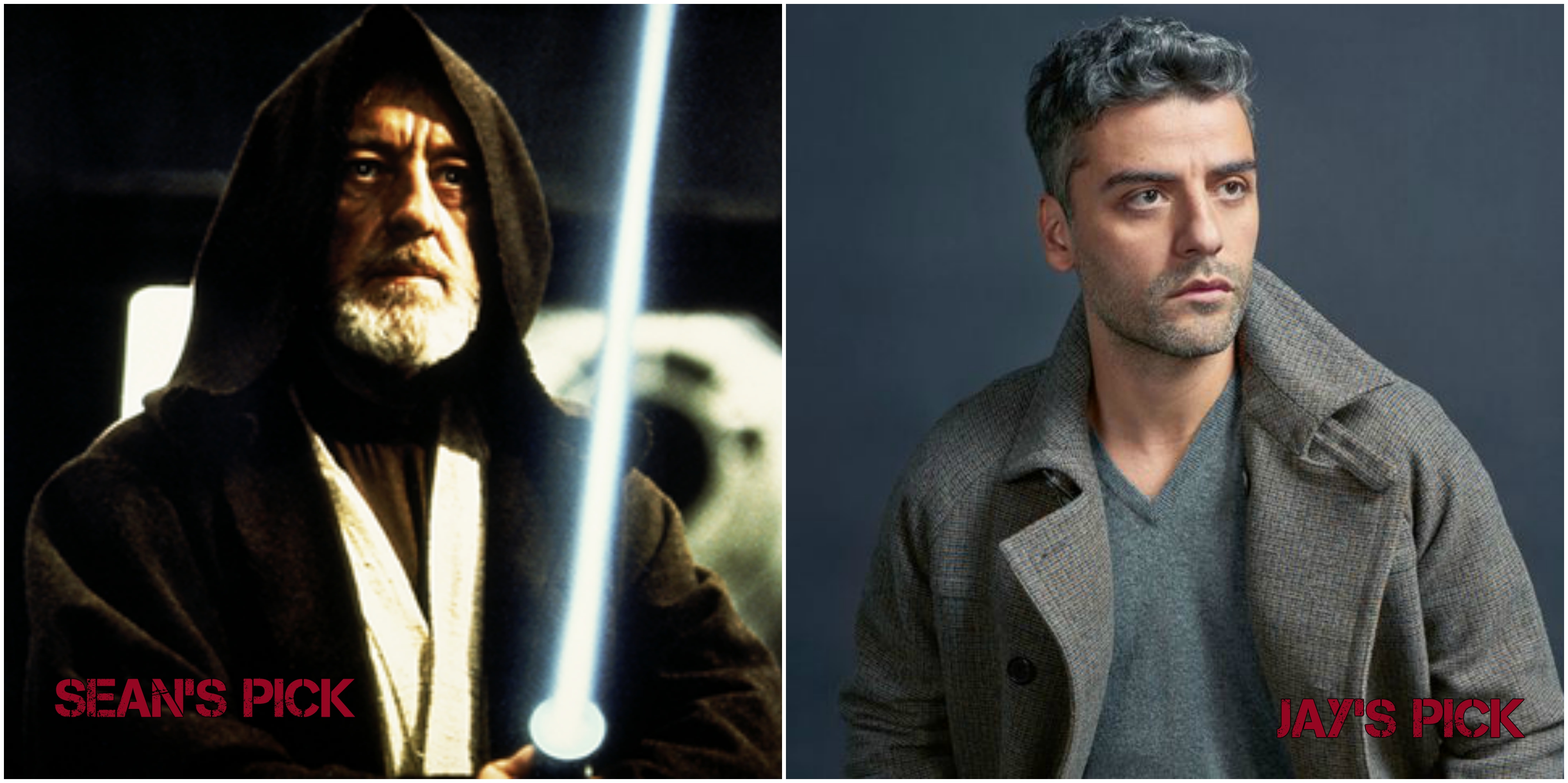
Sean wants to eat lunch with Obi-wan because he’s a big nerd. I want Oscar Isaac FOR lunch.
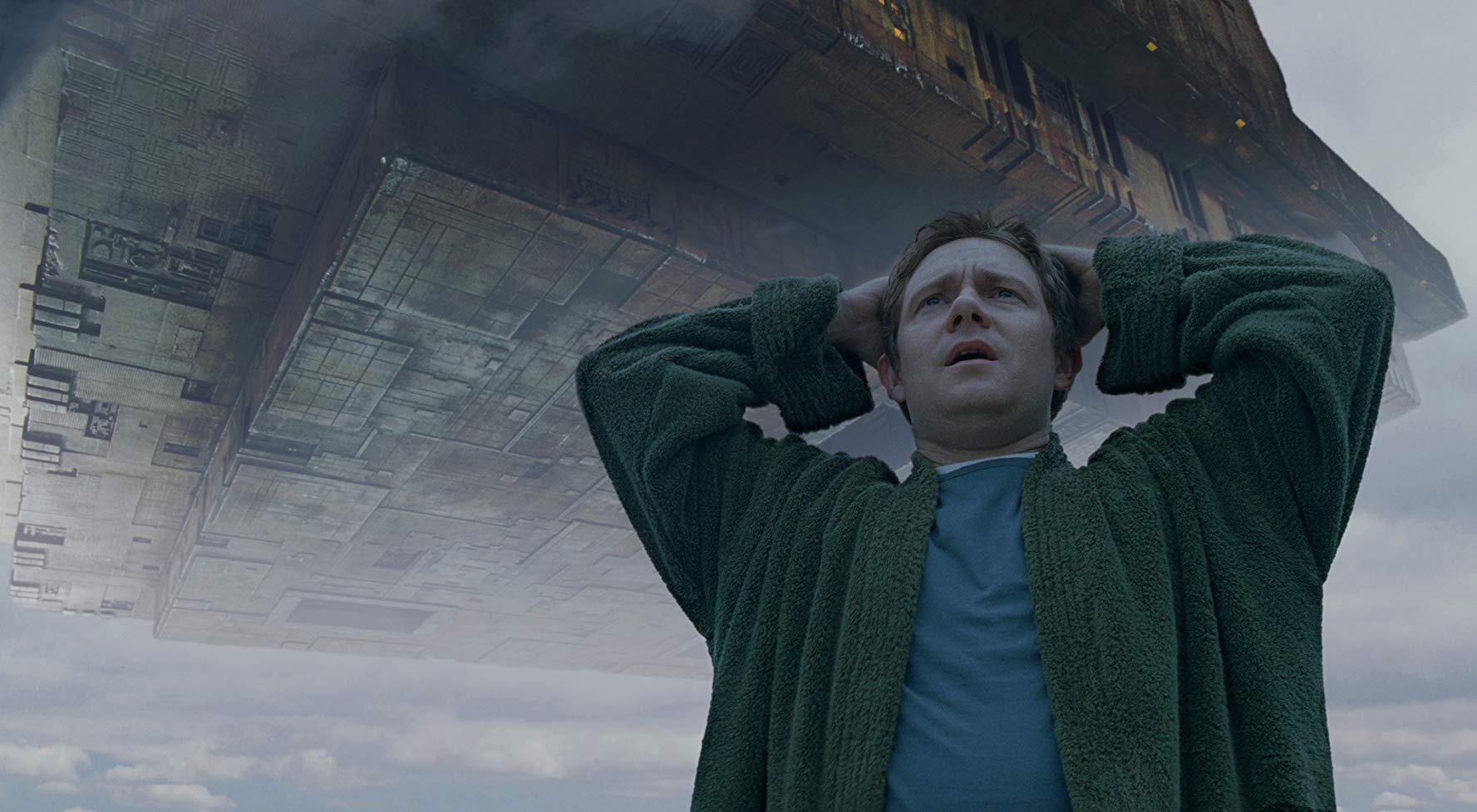
In Canada we have only two seasons: winter, and construction. We are right in the middle of steaming, stinking construction season here in Ottawa, and we’re facing a weekend where the 417, a major highway and our main east-west artery, will shut down entirely. This after a flood season has left our infrastructure crippled and our commutes doubled. Which sort of makes the opening scene of Hitchhiker’s seem a little more likely. In order to make way for an intergalactic superhighway, a little lowly planet called Earth has to be demolished. We meet our hero Arthur Dent (Martin Freeman) just minutes before the Earth’s destruction. He learns that his good pal and towel enthusiast Ford Prefect (Yasiin Bey, then billed as Mos Def) is in fact an alien who can call in a favour to save his friend, but erm, nothing else of human history (don’t worry, the dolphins have already defected – so long, and thanks for all the fish).
They meet up with a clinically depressed robot, Marvin (Alan Rickman), an egomaniacal president, Zaphod Beeblebrox (Sam Rockwell), and most improbably, Arthur’s Earthling crush, Trillian (Zooey Deschanel). Together they’re going to zing around the universe, searching for the Ultimate Question, the meaning of life, a single solitary spot of tea, new chapters for an ambitious encyclopedia, and any remaining shreds of life as they knew it.
Director Garth Jennings bit off more than he could chew trying to adapt Douglas Adams’ influential and beloved work, but you can hardly blame him for trying. Is the movie always coherent? Of course not. If you aren’t familiar with the book, you might find it hard to keep up. If you are familiar with it, there are no doubt bits and bobs that you’ll miss. It is not so much a faithful adaptation as an ode to it, with Adams’ blessing, and mostly by his own invention (such as the sneeze religion helmed by John Malkovich – achoo!). But if it’s a little sloppy, well, what else can you expect from a movie with an improbability drive?
Ivan Reitman and friends actually optioned the film as far back as 1982, thinking it might make an interesting vehicle for Dan Aykroyd and Bill Murray (this is no doubt true). But then Ghostbusters came calling and they were off on a tagent, and Hitchhiker’s languished in development hell, at one point with Hugh Laurie and Jim Carrey slated to appear (I’m less thrilled with that pairing, personally). Douglas Adams wanted Hugh Grant for Dent but I’m so, so glad it went to Freeman instead, who plays the everyman so perfectly he is often overlooked.
In 2005’s finished product, Sam Rockwell steals the show as Zaphod Beeblebrox, basing the character on likely unequal dashes of Bill Clinton, Elvis, and Vince Vaughn. Personally, watching it in 2019, I saw all kinds of his George W. Bush in the role and it gave me a whole new appreciation for a performance I already loved.
Anyway, it’s inevitable that a film adapted from such a great book would fail to live up to it, but I actually give it a lot of credit and find it highly watchable and highly entertaining. So many of the little jokes really do work on the screen, and everyone involved is clearly relishing the opportunity to be involved. It’s hard not to find joy where so much exists.
The Choi family are a family of Korean-Americans split along an immigrant fault line. Mom (Hyang-hwa Lim) and Dad (Charles Ryu) operate a failing dry cleaning business in Flushing, Queens while demanding the best from their American-born children, Hyunny (Yeena Sung), a hard-working professional, and Kevin (Yun Jeong), who is threatening to drop out of college and move cross-country to L.A. to start his own food truck.
Mom and Dad have some very strict values regarding success that their children don’t share. For Hyunny and Kevin, life is measure by more than just a dollar value, it’s about love, and passion. But those are luxuries bought by their parents’ hard work and sacrifice. But then why go through all of that to give your children an American life only to reject American values outright? It’s a hard spot familiar to many immigrant families in one way or another.
Happy Cleaners has a gently beating heart at its centre, but it doesn’t flinch away from the tension and drama that roil beneath a surface of filial piety and respect. Kevin and Hyunny recognize their unique positions, serving as links between the old country and the adopted homeland, and directors Julian Kim and Peter S. Lee are good at finding the nuance and the particularities faced by that first generation born in a new land. This division is intimately mined throughout the film, the family always at tug-of-war over the right way to embrace life and assimilate.
I don’t think Happy Cleaners has anything particularly new or ground-breaking to add to the immigrant conversation, but the film succeeds in its honesty and poignancy. For many immigrant families, this film may feel like a mirror being held in front of their own experience, but for the rest of us, Happy Cleaners is a window into the lives of those just trying to settle and be at peace in a new life.
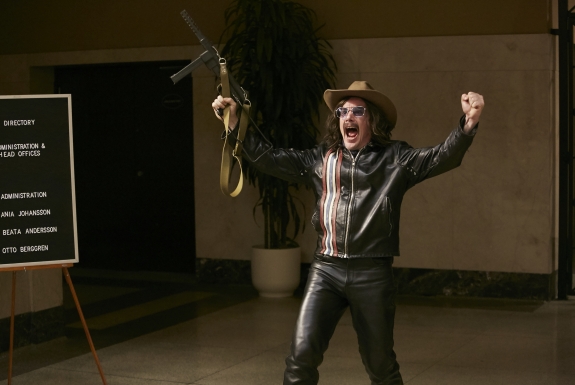
An American cowboy criminal flies to Sweden to host their first hostage situation. I mean, I don’t think he’s particularly interested in setting precedents, which is funny, because as you might have gleaned from the title, he’s about to create a situation that’ll become famous enough to named after it.
Lars Nystrom (Ethan Hawke) holds up a bank in Stockholm, but he doesn’t rob it. Instead, he uses it as leverage to have old buddy Gunnar Sorenson (Mark Strong) released from prison. On a roll, he throws in some extras, like a million dollars cash, bullet-proof vests, and a getaway car – standard bank robber demands. The dude doesn’t have an original bone in his body. He’s also not a planner: he asks specifically for a Mustang, and as someone who has not one but two of them in the driveway, I can tell you, you aren’t fitting hostages in that backseat. It’s a two-door car. When you’re running from the law, you don’t have precious minutes to waste trying to fold up grown-ups into a non-existent backseat.
But anyway. Lars has taken a couple of lovely ladies hostage, which is the kind he prefers. And also a dude, who hid rather than evacuated.
Stockholm syndrome is a condition which causes hostages to develop a psychological alliance with their captors during captivity. Sure it’s strictly irrational, but fear and stress and tension do create a rather specific kind of intimacy. Hostages and hostage-takers may feel like they’ve been through something together. It’s a form of bonding, in a weird way. It doesn’t make sense, but trauma does fucked up things sometimes. Stockholm syndrome is a fucked up thing.
Why would bank teller, wife, and mother Bianca (Noomi Rapace) bond with her captor? Perhaps partly because the cops seem inept. They’re not doing enough to save her and the others. The Prime Minister is not allowing the robbers to leave with hostages, and so they stay, festering in the bank.
Ethan Hawke and Noomi Rapace give terrific performances, but they’re stunted by a script that fails to do justice to the real events it portrays. Egregiously, it fails to sell the syndrome that gives it its title. I never felt a strong bond between captor and captives, certainly not one that would justify the three hostages not only refusing to testify, but fundraising for the dude’s defense. I rarely felt connected to anyone, or moved by anyone and I never felt any definitive chemistry between the characters either. This is not merely a missed opportunity, but supposedly the whole point of the movie, and it’s delivered so weakly it may as well not exist. I will not and cannot recommend what was ultimately a disappointment.
Jane (Caitlin Holcombe) is a heartbroken Los Angeles attorney craving something big to shake her out of her depression. She sets her sights on Hawaii, but not necessarily the one seen on postcards. She’s going to chase lava, so she goes to the Big Island and hires two wannabe tour guides in the shadows of erupting Kilauea.
Locals Po (Randall Galius Jr.) and Dusty (Ka’uhane Lopes) are actually cleaners with tourism-dollar aspirations, but that won’t stop them from tricking Jane into their van, and ultimately their lives as the trio sets out on a Big Island road trip with distinct Hawaiin vibes.
Hawaii itself is the epic fourth character, asserting itself in nearly every scene, from its lush landscapes and hypnotic music, to the spirit of its people and the cadence of the natives’ speech.
Sean and I were lucky enough to visit Hawaii just a few years ago and were unprepared for but completely swept away by the natural beauty of the land and the welcoming hospitality of its people. We toured several of the islands, Big Island included, so it was a real treat to see some familiar sights in this film. But more than that, Stoke (a lava drama) shows us the side of the island little seen by visitors. It’s a reminder that volcanoes don’t perform for tourists, and an eruption has real-life devastating consequences for the people who live there year-round.
Stoke is a bit of a wild ride, embracing its independent roots by taking inventive chances and boldly charting its own course. In a strong cast of actually-Hawaiian Hawaiians (we’re looking at you, Aloha), Galius Jr is a stand-out for his unforgettable smile and screen presence. Directors Phillips Payson and Zoe Eisenberg have put together a thoughtful piece about the healing properties of America’s most beautiful state.
Picture it: Durham, North Carolina. 1971. Ann Atwater (Taraji P. Henson) is a civil rights activist. C.P. Ellis (Sam Rockwell) is the Exalted Cyclops of the KKK (the KKK should clearly not be allowed to make up their own titles). The two are about to clash over school integration.
City council is far from unbiased. Some will physically turn their backs on a person of colour, others will call on their friends in the klan to bolster their numbers. It’s not exactly the kind of town ripe for integration, and it likely wouldn’t have occurred to them had the black school not burned down, forcing some drastic decisions. Bill Riddick (Babou Ceesay) is given the unenviable, perhaps insurmountable task of mediating the two sides to negotiate a compromise, one city council will abide. A charrette, he calls it, though no one’s ever heard of the thing. or a collaborative, intensive community planning session. Riddick is a black man who has the magical ability to earn concessions from either side, but the “sides” aren’t exactly fairly drawn. If black vs white is enough to make your skin crawl, imagine black vs racists, men in hoods who won’t even concede that people of colour are people, who would wish the people sitting beside them dead, and in fact have taken shots at them.
1971 isn’t that long ago. It’s during Henson’s lifetime, and Rockwell’s.
The costume and makeup department have had a whole job of de-sexualizing Taraji P. Henson for this role. Her face is unadorned, her boobs are down to her belt. But her strength and presence are as keenly felt as ever.
The charrette ends up being a fascinating glimpse into a community – in 1971, as an attempt at a solution, and in 2019 as a reflection of the time. It’s a great reminder that it’s much harder to hate people you know. Humanizing the other side is always an eye-opener. These select community representatives spent a week together, discussing the issue, but also eating lunch side by side and taking field trips, sitting knee to knee on a yellow bus.
As interesting as I find the topic, the film itself is a little uneven, and thus, a little difficult to like without reservation. Writer-director Robin Bissell sympathizes with KKK president Ellis enough to give him a full backstory: a disabled son, a struggling business, an ambivalent wife. Meanwhile, Atwater, a real-life grassroots activist who fought the war on poverty, is given much, much less. Still, the two become…friends? Perhaps too strong a word. But familiarity reduces contempt. They are no longer just stereotypes to each other. And the fact is: perhaps this de-segregation thing is better for poor white folks than city council wants them to know.
This is how barriers are broken: regular people just listening to each other as best they can. That’s a lesson that still needs learning. That we have the power to influence each other, not by arguing, but by trying to understand. Sure it takes courage to stand up to your enemies, but it takes far more to stand up to your friends when you see that they are wrong.
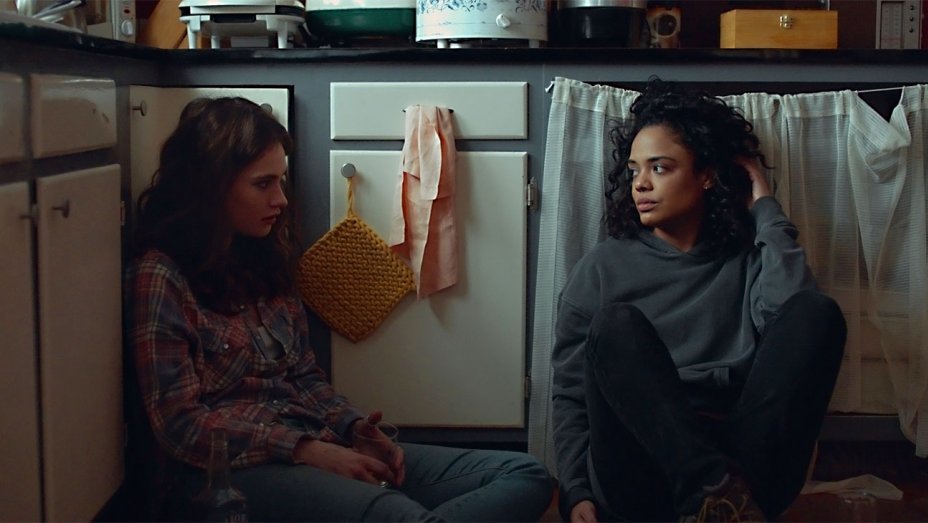
Ollie (Tessa Thompson) lives in a North Dakota fracking town, where the sudden boom has spelled disaster for all of the non-oil residents. She and her sister Deb have been estranged since their mother’s death. Ollie continues to live in her dead mother’s home as she rides out probation for pill running across the Canadian border, but the house is slipping into foreclosure. Deb (Lily James) prefers to live in a cramped trailer with her son, avoiding her volatile baby daddy (Luke Kirby) as best she can.
Ollie is looking for a job out of town, and hopes to leave as soon as she lands one. She’d like to leave sister Deb set up in the house before she goes, but they owe too much to make it work. They’re barely scraping by as it is. But when Deb discloses her pregnancy, Ollie feels driven to look outside the law once again. She’s got pills hidden in the woods. But does this lifestyle ever let you in, or our, easily?
Little Woods is a modern western, a gritty story of boom and bust, of struggle and self-sufficiency. It’s a slow burn, and the sense of place is dizzying and complete. Writer-director Nia DaCosta draws a thoughtful if bleak family portrait. Tessa Thompson takes that portrait off the wall and gives it life. Not just life: she makes it real, she makes it glow, she makes it necessary. Though DaCosta tends toward the economic, every time a scene lingers for just a beat or two, Thompson uses it, makes it hers, owns the space in a quiet, commanding way. Which is a good representation for the film as a whole. It might have crime and intrigue, but that’s almost incidental to the intimacy in knowing the sisters and the world they inhabit.
One small rant: The sisters cross the border to Canada to access our free health care and reasonably priced prescriptions. Deb makes some shitty passing comment about starting to see why people like Canada. Oh really, Deb? But do you see why people hate Americans? Because our “free” health care is actually paid for by our taxes. We pay for it directly out of our paycheques so that when someone is in need, the services are covered and no one has to worry about affording treatment. So when you come here and steal someone’s health card to get those “free” services, you’re stealing from every Canadian. But we look the other way. We feel sorry for you. But don’t think, for one single second, that Canada is only good for its socialized medicine. We’ve also got you beat in gun control, quality of life, education, space, and natural resources. Plus we have Starbucks and HBO. But yes, by all means, come here to steal from us and somehow look down on us at the same time. It’s the American way. End rant.
Ollie and Deb have ordinary, shabby lives. The kind that don’t always make for compelling viewing. Not exactly the kind of heroes we’re used to. But they have a valid viewpoint,and perhaps a familiar one. Thanks to good writing and terrific acting, their toeing of the poverty line feels heartfelt, genuine, and bold. These women have agency if not resources. The film’s hallmark may be harsh desolation, it is not without its sliver of hope. Definitely worth a watch.
We love the internet so much, we sold our souls to keep it growing. There is literally no such thing as privacy online, but we like Facebook and Youtube and Instagram so much, we just kind of shrug our shoulders as we tick those ‘I’ve read the terms & conditions’ boxes without so much as scrolling through. But even if we read all that fine print, and knew exactly how invasively these companies were mining your personal information, we’d still grant that permission because we’re so dependent on social media platforms and apps that walking away at this point feels hardly plausible.
The Great Hack is a documentary that looks specifically at Cambridge Analytica, which is a company that makes its money by gathering and weaponizing your Facebook likes. Data is the most valuable asset on Earth – more valuable than oil. YOU are the commodity and Big Data is doing everything it can to know you, intimately, without you even realizing.
Cambridge Analytica has 5000 data points on every American voter. Think about that. Could you even say 5000 different things about yourself? This company can. It has scanned your private messages, your profiles, your preferences. They know what you watch, what you turn off halfway through, what you share, what you save, what you click on, what you scroll by. We all know that this data has been used for several years to make ads tailored to us. If I’ve been looking into dehumidifiers, suddenly my feed is suspiciously full of ads for dehumidifiers. But Big Data is doing something much more sinister than that. It is using your information to subvert democracy. During Trump’s run for president, his campaign spent one million dollars per day PER DAY on Facebook ads. They knew what you needed to hear in order to consider Trump. They also knew how to turn you against Hilary. They targeted you. They made videos just for you. They made sure you only saw what they wanted you to see. Cambridge Analytica is a full-service propaganda machine, and you don’t get a choice in the matter because they find you wherever you are – in your emails, your online shopping, your dating profile, your mother’s Facebook account.
Facebook Facebook Facebook. You’ve heard that a lot already, and for good reason. Much of this deviousness is happening on Facebook. All these personality quizzes? Data mining. Questionnaires? Data mining. I left Facebook a while ago because I knew I just couldn’t trust it. I try to be smart about my online consumption, but the truth is, it doesn’t matter how smart you are. If a friend of yours does all those personality tests, you’re fucked. Because they give the app permission not just to look into their own profiles, but those of all their friends. And often we know who these people are. I’ll give you a hint: it’s my mother. Just 3 days ago, she shared yet another, one in which she shared answers to questions like # of marriage, of divorces, of children, of pets, of vacations, etc etc etc. Thanks Mom! Facebook OWNS our data, our pictures, every single bit of info we’ve ever shared on there. They own the quizzes you take and the videos you watch. They own my mother’s travel iternaries, and the pictures she posts of her grandkids. They know where she works, where she went to school, who her classmates were, who her neighbours are, where she eats dinner on a Friday night. Because she tells them. She volunteers the information and Facebook allows companies like Cambridge Analytica, which refers to ITSELF as a behaviour change agency, to come in and scrape every last little valuable detail from people’s profiles. And they’re using that information for GLOBAL POLITICAL MANIPULATION. Facebook is DESIGNED to get you to give up your info, it CREATED tools to help companies target you, it made BILLIONS of dollars selling your data to the highest bidder – nay – to every bidder – without your true, informed consent.
Your data is being used against you. It’s being used to shape world politics. It’s being used to stoke fear. And it’s happening in the same place where you share recipes and baby news and dog pictures.
Cambridge Analytica was partly owned by the family of Robert Mercer, an American hedge fund manager who supports conservative causes. STEVE BANNON was their VP. They did work for Ted Cruz, Donald Trump, and Brexit. Through paid advertising on Facebook, it received clicks from 270 000 users. But those 270 000 Facebook users gave the app permission to also mine the data of everyone in their Friends network. From those 270K users, Cambridge Analytica then had access to 87 MILLION people. Are you confident you aren’t one of them? Or do you maybe have a mom like mine, or an aunt who overshares, or a friend who always tags you? Chances are, someone you know loves to do quizzes: What % Billie Eilish are you? Can we guess your age based on your Disney movie preferences? Are you more Miley Cyrus or Hannah Montana?
Anyway. The Great Hack is streaming on Netflix right now, which also knows an unsettling amount about you, if we’re being honest. So it’s important that we start thinking about ways to protect ourselves, personally, collectively, nationally, globally. By the time my mom’s grandkids are adults, they’ll have 70 THOUSAND data points about themselves, and if things continue as they are, absolutely NO rights to them. We can try to stop our data leaks, limit the info we share, but as citizens of the 21st century, there is no way to live completely outside the matrix. So our information continues to be sold, and we continue to be manipulated. What are we going to do about it?
Casey (Jesse Eisenberg) is a meek man. He gets bullied at work by the very clique he wishes most to belong to. He photocopies their favourite tittie magazine in black and white xerox to study it, and by doing so, completely misses the point.
One night, coming home with dog food, he is attacked by a motorcycle gang and beaten within an inch of his life. He survives and decides to make some changes. He signs up for karate lessons at a dojo where we encounter toxic masculinity at its most pungent. He learns punches and kicks, but more importantly, how to be a MAN, a manly MAN: to listen to metal, to learn German rather than French, to replace his beloved wiener dog with a more aggressive variety. He’s also encouraged to beat people as severely as he was beaten. These changes do in fact make him more confident. And also a dick.
Nothing in this film is played for laughs. In fact, it’s delivered largely in deadpan monotone, a stylistic choice applied fairly evenly throughout the cast. It takes a minute to get used to this, or get over it maybe, but it’s also an important clue that we’re investing in satire and critique, and if the film seems a little outrageous, a little over the top, well, that’s the point.
Casey is quickly swept up by the dojo’s charismatic instructor, Sensei (Alessandro Nivola), and hardcore brown belt but second class citizen Anna (Imogen Poots). If it sounds like a cult, good. It is not not a cult. But it’s also kind of karate, a homoerotic, needlessly violent, testament to testosterone. But when Casey gets promoted to Sensei’s mysterious night classes, it’s a whole new world of brotherhood, brutality and a special brand of hyper-masculinity that requires constant proving.
The humour is dry and dark as hell; in this script, a well-chosen word can wound as much as hand or foot. Or gun, though guns are for the weak. Eisenberg is well-suited for the role; he channels nascent neuroses as well as the yearning to be more. Writer-director Riley Stearns is perhaps a little inconsistent, but is brave in his stinging skewering of American masculinity, economic with words but generous with derision. It’s a little hard to take at times, but patience will be rewarded.