The Adderall Diaries

If you dial your memory reel back a few years, you may remember the controversy surrounding James Frey’s “autobiography” A Million Little Pieces. Oprah, having endorsed the book, came down particularly hard on him for fabricating many of the juiciest bits of the book.

Stephen Elliott is a lesser-known memoirist with a similar fate: one night at a reading for his book in which he details the death of his mother, his father’s abuse, the group homes and addictions, living on the streets, and ultimately his father’s death as well, his father stands up from the crowd and declares himself alive.

adderall-diariesHm. Okay. Elliott’s publisher and agent are not terribly impressed. Book deals crumble. His integrity’s in shambles. And so he falls down a deep dark hole called writer’s block.

Before we move on, let me just state: all of this may or may not be true of the real Stephen Elliott. Elliott’s a real guy who sold the rights to The Adderall Diaries to James Franco for a good heap of money, but has since said that the material is so altered it seems strange, and dishonest, that they still call the character by his name.

Elliott’s father did heckle him at a book reading though. And he left a nasty trail of Amazon reviews to Elliott’s books. Their relationship is certainly strained, and now matter how you slice the cake, the dude has been through some shit. Writing has helped him cope, acting as a release valve for all the hurt and anger he carries around.

When faced with a bad case of writer’s block, Elliott dealt with it by a) taking Adderall, a drug for people with ADHD and b) attending the murder trial of Hans Reiser, who used a “nerd defense” to no effect and was convicted of murdering his wife. The book is subtitled A Memoir of Moods, Masochism, and Murder, and all three are are intertwined messily in the film.

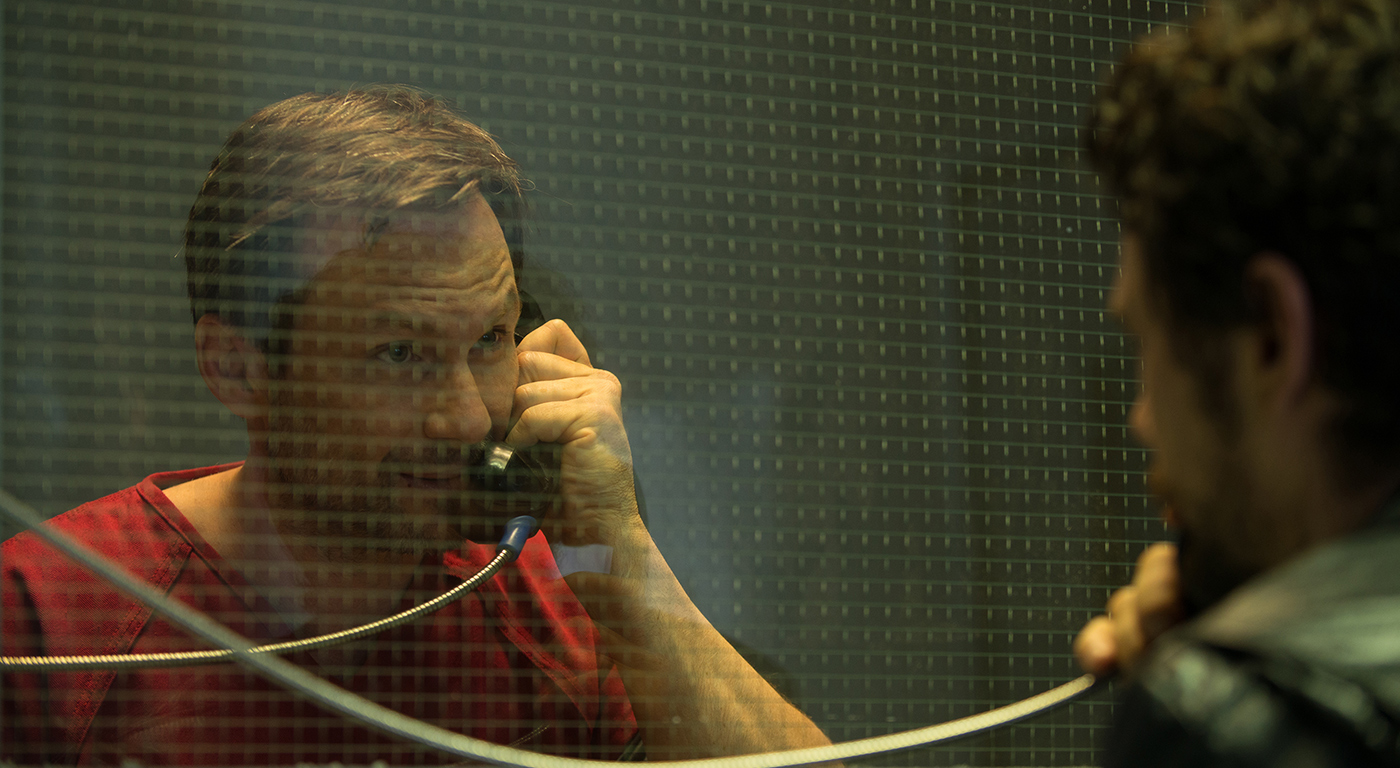
Lots of famous faces lined up to take part in The Adderall Diaries: Franco as Elliott of course;adderall-diaries-1 Amber Heard as his girlfriend; Cynthia Nixon as his agent; Ed Harris as his father; Christian Slater as the accused murderer. Unfortunately, the “story”, such as it were, is a jumbled mess, and you can’t make much sense of the conflicting plot lines. And James Franco just wants to swagger through it all, convinced it’s his chance to play a badass in a leather jacket when actually he’s supposed to be playing a man stunted with pain.
The film, Pamela Romanowsky’s directorial debut, neglects to make much of an impact, though it does have some interesting stuff to say about trauma’s effect on memory. But on true crime, family, forgiveness, and addiction it widely misses the mark. It’s too bad. I think there was a better film in there somewhere, between the daddy issues and the flouncy flashbacks. But it just feels ironic that a book about “retrieving memories and reordering information” gets a movie treatment that illustrates how slippery truth can be by obscuring the most basic of facts.

You can watch The Adderall Diaries on Netflix, and judge for yourself, but be warned: the only thing more subjective than truth is art.
Charlie Wilson’s War

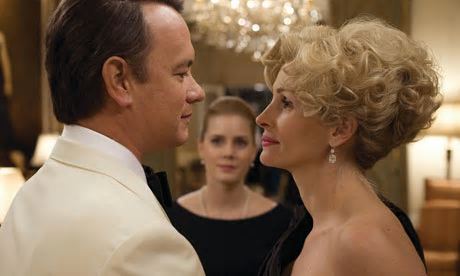
Charlie Wilson (Tom Hanks) was a Texas congressman, a jolly womanizer but otherwise fairly low-level until his good friend former beauty queen Joanne (Julia Roberts) convinces him to take time away from his hot tub shenanigans to make a little trip to help the Afghan people.

In the early 80s he visits the Pakistani president who is frustrated with inadequate American support in opposing the Soviet Union. Pakistan is flooded with Afghan refugees (a fifth of them!), but thousands of others have been slain. They send Wilson to a refugee camp and he can’t help charliebut be moved by what he sees there. Going home a changed man in his heart, he rallies around the cause. His personal life, though is still a shambles: US Attorney Rudy Giuliani is leading an investigation against him for allegations of cocaine use.

Philip Seymour Hoffman provides brilliant support as a maverick CIA guy who is leading the covert US effort in Afghanistan. Wilson ultimately multiplies the American contribution by a hundred fold, and it becomes a huge part of the foreign policy of the time, but there aren’t exactly a lot of easy answers here and Hoffman’s crazy windmilling arms tell us a lot about the near-impossibility of his job.

Julia Roberts is of course poised as hell, the perfect choice for a controlled, smart, beautiful woman who knows what she wants, and how to manipulate men to get it. The few scenes she shares with Amy Adams, playing Wilson’s administrative assistant, are quite punchy, their rivalry crackling. Emily Blunt makes a brief appearance in her underwear as well, which means I didn’t know who Emily Blunt was back in 2007 when I would have seen this for the first time.

Tom Hanks is commanding as always, but I have to wonder whether he was the right man for the role. Some of the juiciest material of this “true story” seems to have all but disappeared, his drug use played down (have we ever seen Hanks snort cocaine?), his DUI unmentioned, and his worry about what happens when the US inevitably disengages from Afghanistan only vaguely alluded to.

The truth is, there were unintended consequences to this involvement. When Afghanistan lay in ruins, the US pulled out, washed their hands of death and destruction they had funded, and this left a vacuum for Osama bin Laden to emerge as a power player. I have read from multiple sources that Tom Hanks couldn’t deal with the 9-11 implications, so they were largely written out, with just the identifiable sound of a plane flying over Washington hinting at what was to come. The film is quite good, almost great, but I do wonder if someone else was bringing it to life, could it have maybe been a Dr. Strangelove for a new generation? I guess we’ll never know.

Doctor Strange: IMAX 3D Sneak Peek

Last night I got to see what amounted to an extended trailer for Doctor Strange, in IMAX 3D.  At one time not too long ago, 3D movies were a real draw to me.  I remember dragging Jay to several 3D re-releases of movies we’d seen a million times before (but only in boring old 2D).  After intensive therapy (mainly arm punches from Jay), I’m mostly over that phase.

strangeeye

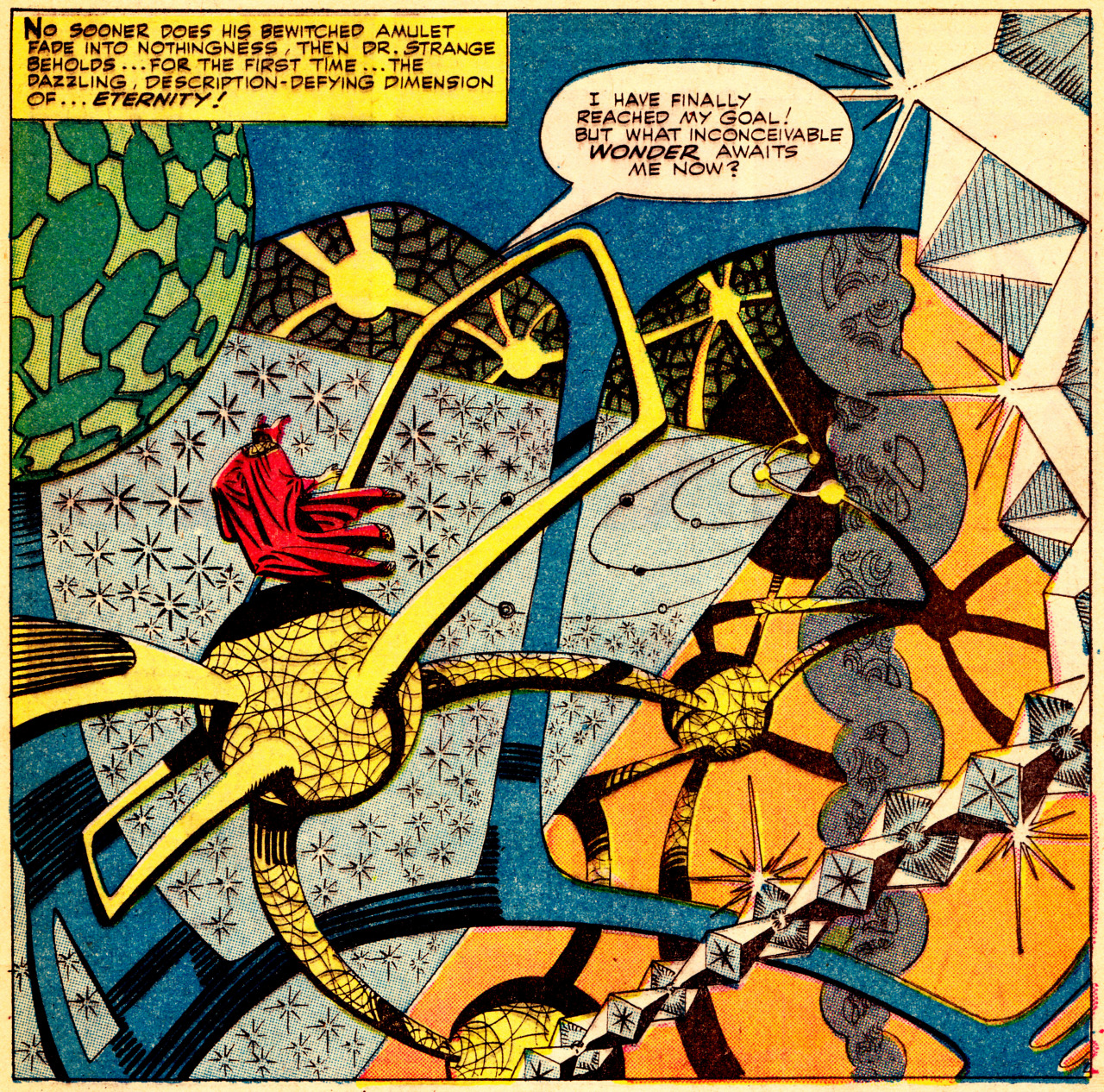
Nowadays, I usually see movies without the dopey extra glasses, but after last night’s sneak peek I am convinced that I should see Doctor Strange in 3D, punching be damned.  The visuals are trippy enough to live up to Steve Ditko’s acid trip 60s backgrounds, depicting all the crazy dimensions that Doctor Strange passed through on his adventures, and that’s a high bar!

The preview’s centrepiece was an absolutely incredible city chase sequence, with gravity changing constantly, New York City collapsing onto itself, and destruction raining down on all sides as copies of buildings collide with each other.   Other scenes included nightmare dimensions full of grabby baby hands, fractal patterns expanding and contracting as Doctor Strange plummets through them, and a bunch of other stuff I can’t even begin to describe.  doctor-strange-comic

Marvel has done a great job of translating its characters to the screen while retaining the soul of the comic, particularly for second tier characters (with Iron Man and Guardians of the Galaxy being the best examples).  Doctor Strange seems set to follow that same path and with those other movies having paved the way, seems destined to depart at least a bit from the tried and true formula that we have seen way too often.

Whether the movie actually ends up being worthwhile is yet to be determined, but with a stellar cast (including Benedict Cumberbatch, Tilda Swinton, Chiwetel Ejiofor and Mads Mikkelson), an hour of IMAX-specific footage, the report that Marvel had to adapt the visuals to make the 2D version make sense, and the amazing effects in the preview, IMAX 3D is the clear platform of choice to view Doctor Strange’s adventures when the film opens November 4th.


Side Effects

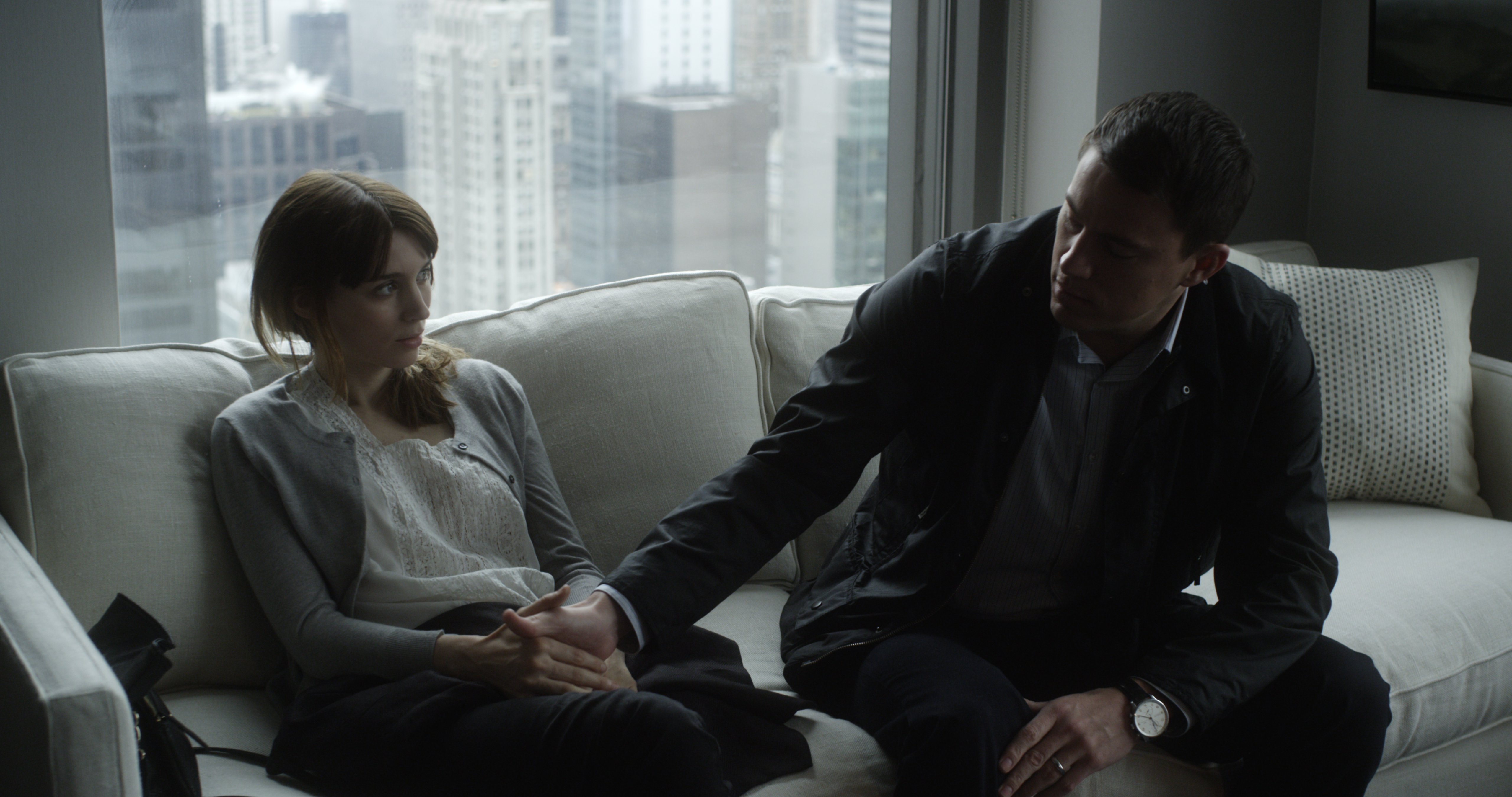
Emily Taylor (Rooney Mara) is trying very hard to be happy. Her husband (Channing Tatum) is newly released from prison and they can resume their lives together. But happiness isn’t coming easy: Emily is depressed, and suicidal. She begins seeing a new doctor side-effects-A032_C011_0101LT_rgb1(Jude Law) who prescribes an anti-depressant called Ablixa. Ablixa’s causing some strange side effects though. Worrisome side effects. Violent side effects.

Side Effects is a smart, well-crafted thriller by Steven Soderbergh. He’s heavily influenced by Adrian Lyne’s Fatal Attraction and hits all the right marks for a taut, twisty little thing. He’s not big on making a statement about pharmaceuticals or psychiatry or mental illness, any of which might have been appropriate.

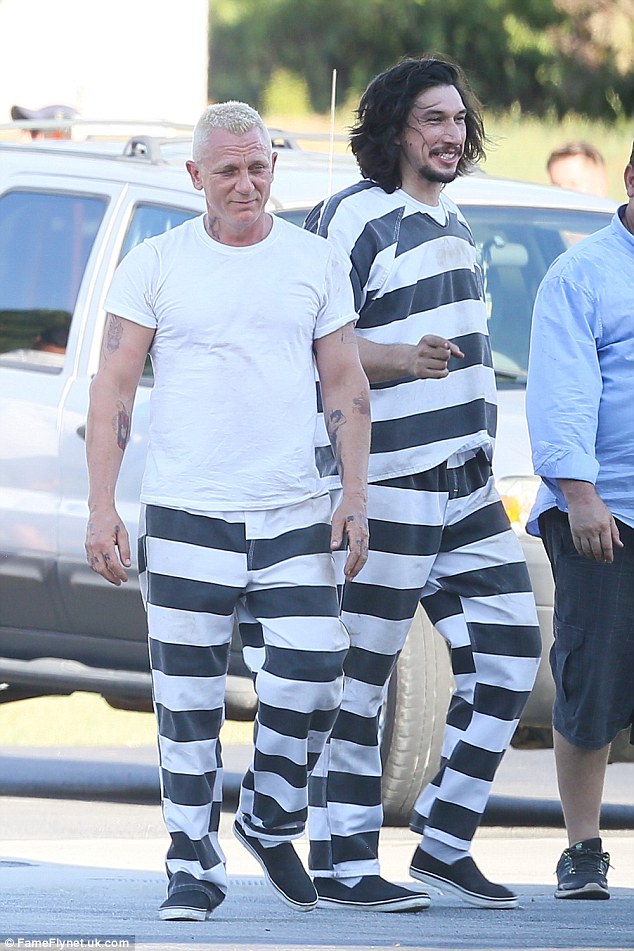
I forgot how much I liked this movie. It was supposedly Soderbergh’s last, 37B68FB400000578-3766104-image-a-41_1472601500752and it seemed one he could be proud to go out on. TV stuff notwithstanding. But now, at the ripe old age of 53, he’s “come out of retirement” to do Logan Lucky, the new Daniel Craig\Sebastian Stan\Channing Tatum\Katherine Heigl\Adam Driver\Hilary Swank Nascar-heist movie.

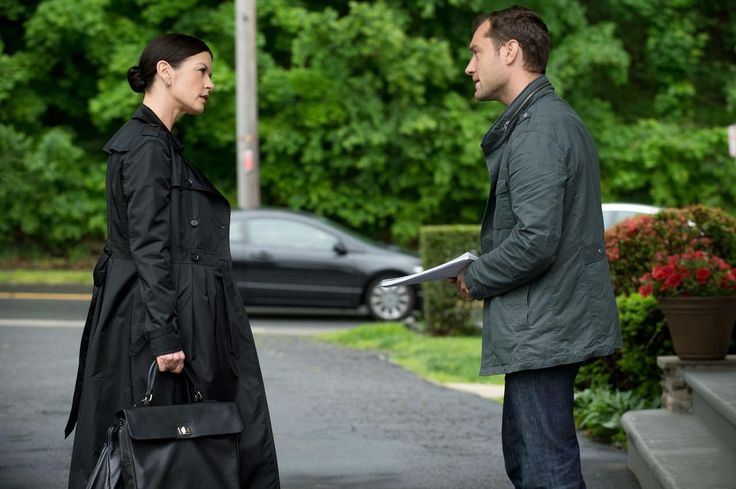
But back to Side Effects. The first half is about guilt and mental health: how they interact in a doctor’s office, and in a court of law. The second half is a little more Alfred Hitchcock than Adrian Lyne. Things come unglued. The second half is less successful than the first but a fun, b4b4cec15c78289caf1c4442df99b616engrossing watch. The anxiety is ratcheted up expertly, with Soderbergh always in control. Rooney Mara is a terrific actress and she coasts ably over any rough terrain. Catherine Zeta-Jones and Jude Law keep up. Soderbergh stays at the top of his game as well – true, he circumnavigates truth and exploration in favour of entertainment, but it’s forgivable. It’s always forgivable when it’s this fun to watch.

13th

13th

(1) Neither slavery nor involuntary servitude, except as a punishment for crime whereof the party shall have been duly convicted, shall exist within the United States, or any place subject to their jurisdiction.

(2) Congress shall have power to enforce this article by appropriate legislation.

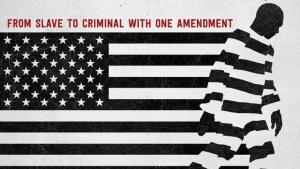
That’s the Thirteenth Amendment to the Constitution of the United States of America.  You may have seen a few movies dealing with it.  As a Canadian, I don’t know the ins and outs of the U.S. Constitution, so it’s always interesting to learn a little about how the U.S. system works.  Yesterday I learned that the U.S. system has an extremely dodgy concept of freedom from slavery.  13th is a documentary from Ava DuVernay that sheds some light on the systematic oppression of black people using the gigantic loophole in the middle of the Thirteenth Amendment.

The Thirteenth Amendment clearly states that slavery is allowed as punishment for crime.  Not coincidentally, once slavery became illegal, former slaves were rounded up, arrested for petty offences, and imprisoned.  As these methods slowly fell out of favour, the tactics to oppress former slaves became a little less obvious.  For example, Richard Nixon’s “law and order” methodology was designed to target black civil rights activists in order to gain white support in the south.  Guess what?  The plan worked exactly as intended, quelling the movement for equality by killing or imprisoning tons of black leaders.

Similar results were obtained through Ronald Reagan’s “war on drugs” (which imposed harsher penalties on crack than cocaine in powder form) and Bill Clinton’s 1994 “tough-on-crime” legislation (a crackdown on violent crime enacted during a period when such crime was decreasing).   Donald Trump perfectly illustrates how the same approach is alive and well today.

Since the abolition of slavery, it has been terrifyingly easy for politicians, backed by corporations, to continue to oppress an entire class of people.

Worse, continuing this oppression is economically advantageous and politically effective, because it keeps prisons stocked with cheap labour and earns votes from people who wish we could turn back the clock to simpler times.

Worst of all, the Constitution not only allows prisoners to be treated as slaves, it also permits prisoners to be permanently stripped of the right to vote.  That’s right: VOTING IS NOT AN INALIENABLE RIGHT IN THE UNITED STATES.  Living in the wrong state can cost you your vote, forever, because of a crime you committed and served time for.  That fundamental failure of democracy has occurred more than five million times over in the “land of the free” and, of course, disproportionately affects minorities because that’s who the system has targeted for imprisonment since the abolition of slavery.

Bottom line: the U.S.A. is broken.  Your elected officials aren’t interested in fixing the problem.  If anything, Corporate America is lobbying to worsen the divide.  Change must be demanded by the voters, and for that reason alone 13th is a must-watch.  It’s available on Netflix.  Add it to your list.

The Ex

Is this movie worth watching for Paul Rudd’s douchey earring?

Jason Bateman plays a dick very well. Unfortunately, Zach Braff plays a dick very naturally himself. Like, even when he’s not supposed to. Even when he’s supposed to be the sympathetic character. Does anyone actually like Zach Braff?

Tom (Braff) is a NYC cook who loses his job on the very day his wife Sofia (Amanda Peet) gives birth. As punishment, they move to Ohio where Tom mv5bmtkyodq0njk4of5bml5banbnxkftztcwnzc2ndywna__v1_cr025266150_al_ux477_cr00477268_al_will work with Sofia’s dad at some new-agey ad agency while she stays home to care for the baby. Tom is mentored at work by Chip, the son his father in law never had, and incidentally Sofia’s ex-boyfriend. Chip (Jason Bateman) is a grade A ass but for some reason only Tom (and we) see it, possibly because Chip is in a wheelchair and kind of milks that for all it’s worth. But as hard as Bateman tries to steal the scenes with smug, smarmy schtick, he just can’t keep this stinker afloat.

The Ex has been disowned by nearly everyone who made it. The credited screenwriters, David Guion and Michael Handelman, insist that most of what you see isn’t really their material, nor the director’s, come to think of it. “It was unfortunate because the director, Jesse Peretz, is great and very talented, but the movie was ultimately taken out of his hands.” I’m not sure if that’s true – certainly there’s not a lot of evidence of capable direction in the film. It feels half-cooked, sitcomy, and oddly truncated, like someone was just washing their hands of it rather than actually finishing it. And yet it’s been presented to audiences like it’s a real film that you should watch. And it just isn’t (despite the fact that I’ve seen it twice now). Viewer beware.

The Other Sister

I have 3 sisters, all younger, not that I usually admit that. We look nothing alike (one makeup artist once had the audacity to question our mother’s fidelity) and we act even less alike – personalities, politics, habits and hairstyles. We are DIFFERENT.  With a mere 5.5 years between the oldest and youngest, I still feel oddly protective of 0f606ab50a1c97cfb33ffa49c80c7804them and it’s mind-boggling to think that they’re not in fact little girls anymore, but women, and 2 of them mothers with babies of their own. Not dollies, babies. And not even babies: one nephew is already a dinosaur expert, another an enthusiastic soloist, and a third a stunt bike rider. They’re all 5 and under and as handsome as they are smart (which is inherited from the aunt, right?).

I’ll be on my way to see them this weekend since it’s Thanksgiving and all, the holiday where we honour the tradition of my mother being an almost adequate and fantastically bland cook, the upside being we all manage not to overeat.

I have 3 sisters (and 3 sisters-in-law) but I do not have an Other Sister. The Other Sister (as in the movie, and the character) is Carla, the sister who has a mental disability. Played by Juliette Lewis, Carla was sent away as a child when her disability proved too big a 7eaaec97eb82cb540938d3880e982006disability for her family to handle. Now a young woman, she’s moved back home and is trying to assert her independence. Her mother, played by Diane Keaton, has never really known how to parent her. Her sisters (Poppy Montgomery, Sarah Paulson) didn’t grow up with her. It’s making friends with someone with his own challenges (Daniel, Giovanni Ribisi) that inspires Carla to aspire to a larger life.

All of the sisters in The Other Sister are celebrating Thanksgiving in the film, an especially auspicious holiday because it’s the date Daniel and Carla choose to consummate their love. Turkey makes any anniversary more special, as you can imagine. And pie is always good post-sex. Post-nearly-everything. I’m not sure if any of my sisters are marking similar occasions, and I bet I won’t even ask. Instead I’ll say thanks for all the blessings in my life, even the teeny tiny ones like my pink headphones that let me watch sappy movies at work. Happy Thanksgiving to you too.


Zero Motivation

You probably know, somewhere in the back of your brain, that Israel has mandatory military service. When you turn 18, you get drafted into the army. Men serve 3 years, women usually about half that. But have you ever thought about what exactly that entails? Picture, for a moment, the flightiest girls in your high school. Now put them in uniform. In bootcamp. In a latrine.

Zero Motivation does just that: it puts us into a remote outpost in the Israeli zero_motivation_web_1desert and gives us female soldiers for company. Some of them have been given jobs in name only (Daffi is a “Paper and Shredding NCO” who spends most of her time beating the high score in Minesweeper) and most are counting down the days until they return to civilian life. Their officer, Rama, however, is trying to make this her career…

There’s something of the dorm life at play, the cafeteria, the shared accommodations, the communal showers, the flirting. Only with guns and uniforms. Director Talya Lavie makes the most of the slightly absurd circumstance and the comedy is irreverent, and often quite dark.

Zero Motivation is tonally inconsistent, often catching you off guard. You’re meant to feel a little unsteady, building on a commentary that’s sharp and almost post-feminist in its regard. There are plenty of movies that have something to say about the inanity of military life, but this one offers a shockingly fresh perspective

The Girl on the Train

I felt such an affinity for Rachel, the main character in The Girl on a Train, that it was easy for me to love Paula Hawkins’ novel. Partly, it’s because I’ve woken up with a hangover more times than I’d care to admit with an instinct to immediately check my email, text, and call history to see if I need to apologizing to anyone. But, just as important, I love people watching and especially enjoy speculating about the lives of strangers.

So Rachel (played in the film by Emily Blunt) wakes up from a night of drinking to find that her favourite stranger to watch (Haley Bennett) has gone missing and she may have seen something that could help find her. If only she can remember what it is. As the story unfolds, her behavior is frequently frustrating and not always easy to empathize with but I’d be lying if I said that she didn’t feel completely real to me. A great protagonist is really all you need to make even the simplest murder mystery seem gripping and, told from Rachel’s point of view, I found this one nearly impossible to put down.

The best film adaptations are able to identify what worked best from their source material and build a story around those elements that suits the medium. Because the film version of The Girl on the Train is a shitty adaptation, director Tate Taylor and screenwriter Erin Cressida Wilson try to pack in as many of the events of the book as possible without seeming to give any thought to how well the structure would play on screen. Neither seem interested in Rachel’s state of mind.

These may seem like the typical “the book was better” complaints but I can’t imagine the movie would impress anyone who hasn’t read the book either. Considering the popularity of the novel, the roll that Emily Blunt has been on lately, and the fact that just two movies ago Tate Taylor directed a Best Picture nominee (The Help), The Girl on the Train feels surprisingly TV-movieish. For a book that was marketed as an edge-of-your-seat thriller, its film is curiously boring, talky, and whiny.

The good news, as you may have heard, is that Blunt is terrific. She makes Rachel a lot easier to sympathize with even when her actions risk making her unlikeable. She plays the various levels of drunkenness quite well. But her efforts are wasted in a boring, lazily structured movie.

Sam

Somebody really set out to make this Sam character absolutely despicable. He’s a caricature of the worst kind of womanizer – a pig, sure, but an all-around jerk with no redeeming qualities. He only seems to get ahead at work because his boss is nearly as greasy and gross as he is.

Perfect women are described as “skinny, stupid, and mv5bnjqzmzywmzu4ov5bml5banbnxkftztgwmdg2otyxote__v1_uy268_cr120182268_al_drugged out of their minds” – models, of course. So how do we punish such a misogynist? We turn him into a woman of course. Yup, it’s an identity swap movie, and there’s not even a cute cat in it to make it remotely palatable. And the worst part is that once “Sam” is turned into a woman, the misogynist bullcrap is ramped up because it’s somehow funny to have a cute girl spouting utter shit. I might, might, look past this if there was anything remotely non-disgusting in the script but in fact, all the men are dogs and all the women are shrews. Like real life! And then there’s all the implausible bits.

Anyway. It made me think about what it would be like if my friend and fellow asshole Matt talked to me like the dudes talk to each other in the movie. If Matt were to always refer to Sean as “the old ball and chain” and mocked me openly for being in a relationship with such a “ball buster” and refused to do anything with us as a couple because Sean is insufferably beneath us.

So do you know anyone like this? Someone who openly denigrates marriage and talks about women like all they’re all either secretaries or temptresses, or better yet, both?

And do you think that your workplace would ever accept a random cousin of yours mysteriously filling in for you if you ever disappeared without notice?