
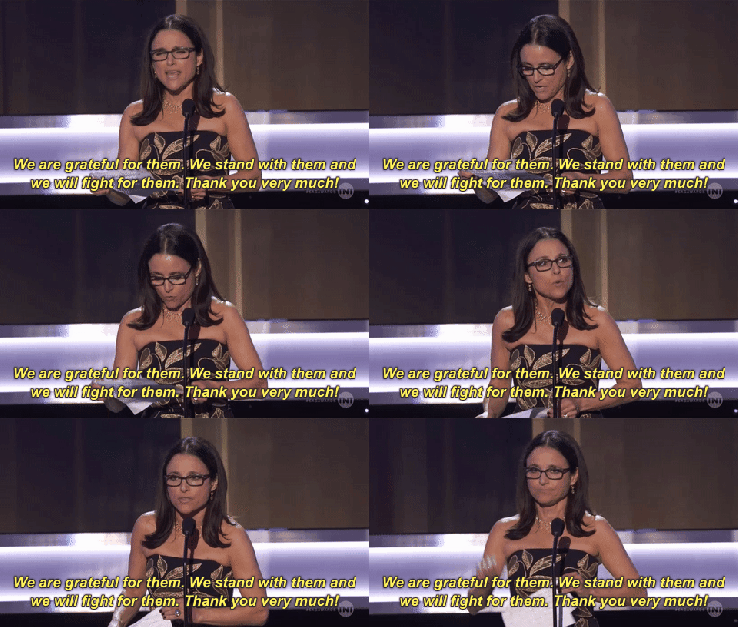
This past weekend, Donald Trump signed a deliberately hateful and ignorant document into law, making racism and Islamophobia national policy. Critics derided it as 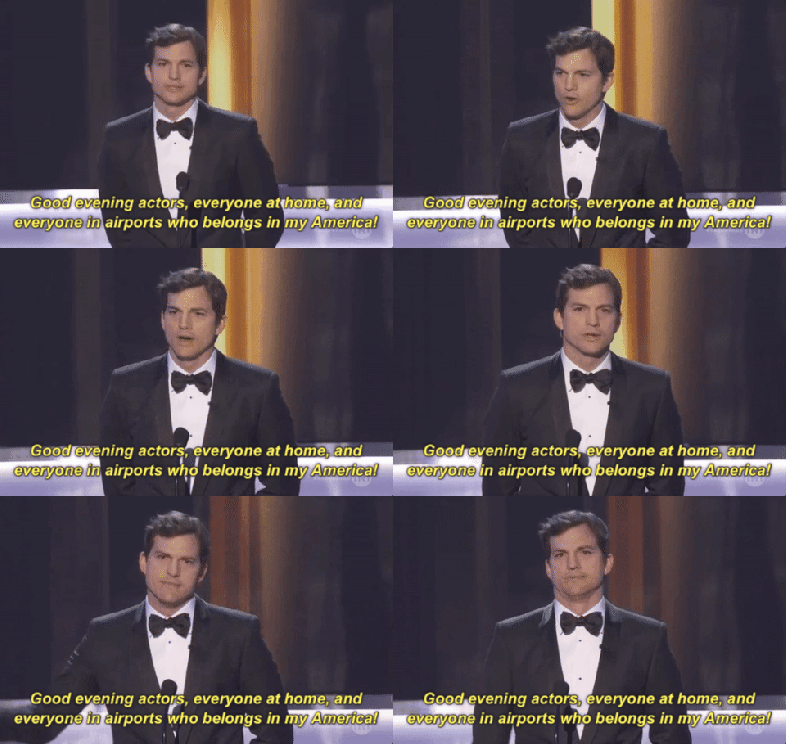 UnAmerican, and yet it was America who voted this buffoon into presidency just a few short months ago. In the face of one man’s cowardly discrimination, however, were many more acts of love and fraternity. American citizens stormed airports with signs of welcome and solidarity. Lawyers littered the floors working pro-bono around the clock. And a group of actors at the SAG-ACTRA awards used their acceptance speeches to give voice to millions of people who say: Not my America.
Over the next 90 days, visas will not be issued to nationals from Iran, Iraq, Libya, Somalia, Sudan and Yemen. Existing visas will not be honoured. People who boarded planes intending to legally enter the country, even those with green cards, were detained for hours, questioned, and deported.
In the face of this injustice, it seems almost petty to talk about the Oscars, but since this is a movie review site, this is what we will do.
Asghar Farhadi is the Oscar-winning director of A Separation; it made awards history in 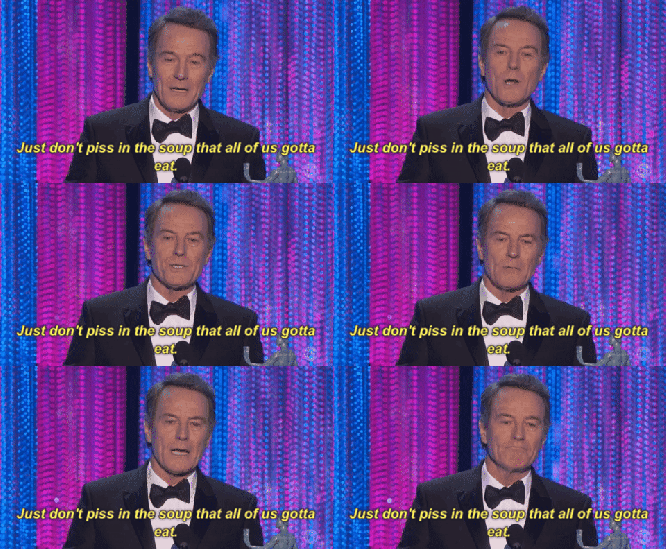 2012 when it was the first Iranian film to win an Oscar. This year he has toured the festivals with The Salesman, and won Best Screenplay at Cannes. Iran submitted it to be considered in the foreign film category at the Academy Awards and it won a nomination. Asghar Farhadi will not be allowed to attend the ceremony because of Trump’s “Muslim ban.” This is who his ban keeps out – not terrorists, but people who come here to work, to study, to visit friends and family.
The star of The Salesman, Taraneh Alidoosti, one of the most acclaimed actresses in her country, will boycott the Oscars in order to protest Trump’s racist ban. “I decided not to go even if I could, because it hurts me deeply to see ordinary people of my country being rejected for what might be their legal right to have access to their children abroad or to their school classes as students,” Ms. Alidoosti told The New York Times in an interview.
In a statement, the Academy of Motion Picture Arts and Sciences said it was “extremely troubling” that Mr. Farhadi and the cast and crew of “The Salesman,” could be “barred from entering the country because of their religion or country of origin.” I’d say that’s a bit of an understatement.
Meanwhile, Asghar Farhadi had this to say on the subject: “I hereby express my condemnation of the unjust conditions forced upon some of my compatriots and the 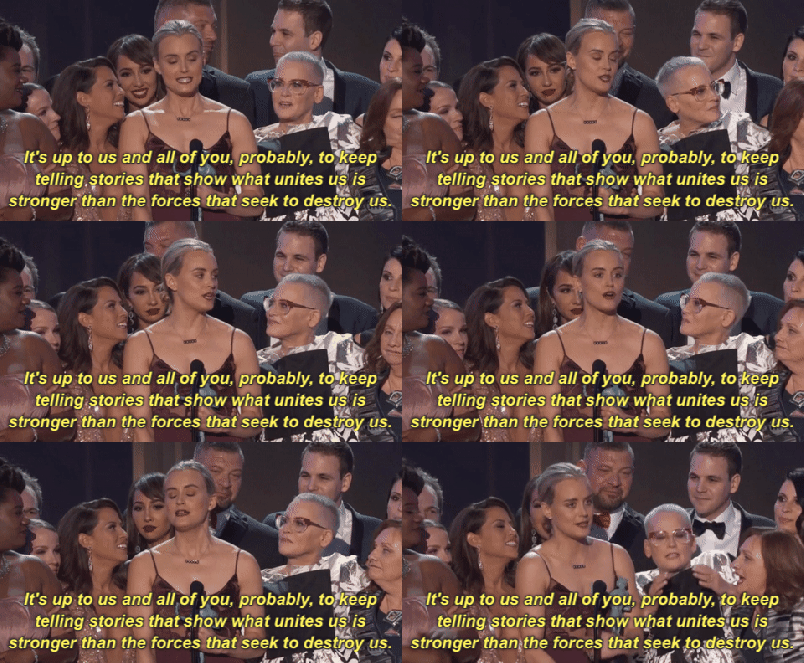 citizens of the other six countries trying to legally enter the United States of America and hope that the current situation will not give rise to further divide between nations,” Farhadi said. He’s not the only one with this fear on his mind: “Our most important allies in the fight against ISIL are the vast majority of Muslims who reject its apocalyptic ideology of hatred. This executive order sends a signal, intended or not, that America does not want Muslims coming into our country. That is why we fear this executive order may do more to help terrorist recruitment than improve our security” [italics are mine]. It wasn’t Bernie Sanders or Obama who said that, it was a joint statement from two Republican senators, John McCain and Lindsey Graham.
It isn’t just Farhadi who will be affected by this ban come February 26th (Oscar broadcast).
The filmmakers behind The White Helmets, a film about Syrian volunteer first responders in that country’s bloody civil war, had planned on bringing two representatives of that group to the ceremony, but Trump’s travel ban – which impacts Syria – will prevent that from happening. The White Helmets, mind you, have been nominated for a goddamned Nobel Peace Prize, and yet Trump sees fit to keep these heroes out. Producer Johanna Natasegara said in a statement “These people are the bravest humanitarians on the planet, and the idea that they could not be able to come with us and enjoy that success is just abhorrent.”
 The Syrian family at the heart of Watani: My Homeland, another short documentary up for an Academy Award, is also unable to attend the Oscars due to the travel ban, even though they are now German citizens. But movies and stories like this, and Fire At Sea, which tell the human story of refugees are even more vital at a time like this. Watani director Marcel Mettelsiefen said “We must reconnect with the common humanity of the refugee experience and we must all remember that the founding story of America is dependent upon people who have fled war, hunger and poverty in search of a better life.”
“I think this whole notion that somehow we can just say no more Muslims, just ban a whole religion, goes against everything we stand for and believe in. I mean, religious freedom has been a very important part of our history and where we came from.” These words were not spoken by “overrated” actress Meryl Streep but by Dick Cheney, who was vice president at the time of the 9-11 attacks.
Muslims are our friends, neighbours, and colleagues. They may serve you street food from a food truck or treat you in your local emergency room. They’re also in movies, sometimes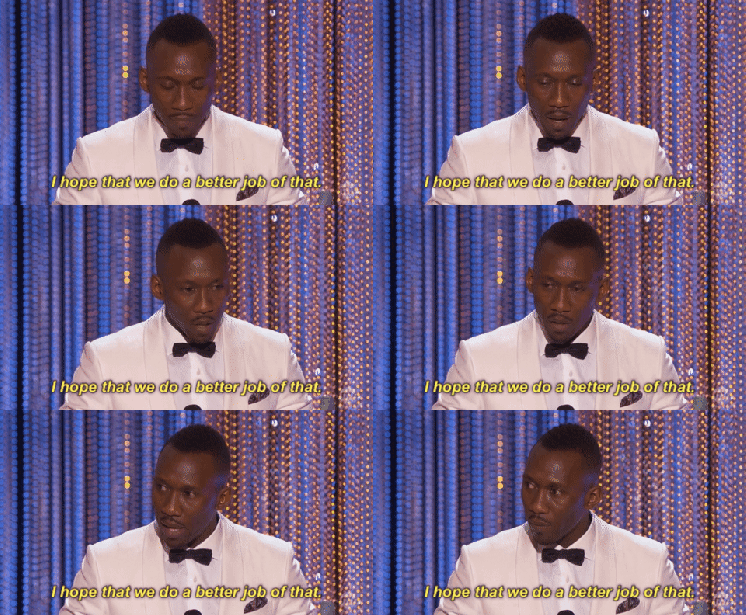 entertaining us, sometimes helping to tell urgently important stories. Oscar-nominated (and best supporting actor heir presumptive) Mahershala Ali is Muslim (Moonlight, Hidden Figures). Rogue One’s Riz Ahmed is Muslim. So are Dave Chapelle, Ice Cube, Mos Def, Amal Clooney, Omar Epps, Janet Jackson, Aziz Ansari, Ellen Burstyn, Muhammad Ali, Shaq, Kareem, and some of my favourite members of the Wu-Tang Clan. Muslims are not terrorists. Muslims are terrorized by terrorists, who use any reason, including religion (including Christianity) to do evil.
 Taraneh Alidoosti, an actress known to very few over here in the west, is boycotting the Oscars. Wouldn’t it really mean something if others did as well? If the Oscars had to broadcast hundreds of empty seats, each tagged with the name of a celebrity who didn’t come because the thought of Trump’s America was so unpalatable that it’s better to stay home than to schmooze and be lauded by one’s colleagues? If they stood in solidarity with fellow film makers who are just as deserving but are prohibited from celebrating just because of their religion? Now that’s a story worth telling; let’s continue to take part in it.
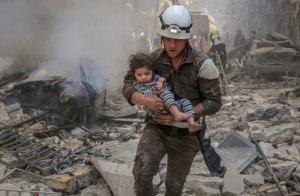 known for the white helmets they wear while rushing into the crumbling buildings and raging fires left after an airstrike. They live in and around Aleppo, and are committed to saving as many of the innocent but somehow still targeted civilians that get attacked every single day in Syria.
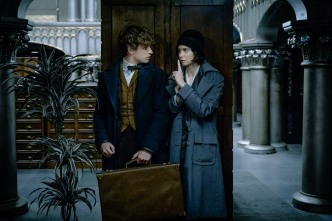 we’re used to, and the Magical Congress of the United States of America (MACUSA) is riding the barrier between magical and non-magical as well as they can. Scamander, however, believes that the beasts in his case are harmless and deserve a chance to be safe and free. This attitude puts him at odds with the MACUSA in general, and Graves (Colin Farrell) in particular. Luckily, a young woman a little lower on the chain, Tina (Katherine Waterson), takes him in, and a non-maj (non-magical person, or muggle) who’s been caught up in the whole thing as well (Jacob, Dan Fogler).
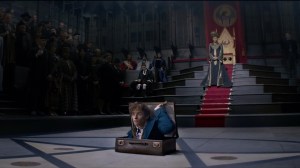 day world and theirs. There’s a whole subplot involving the evil things that happen when someone tries to suppress who they truly are.
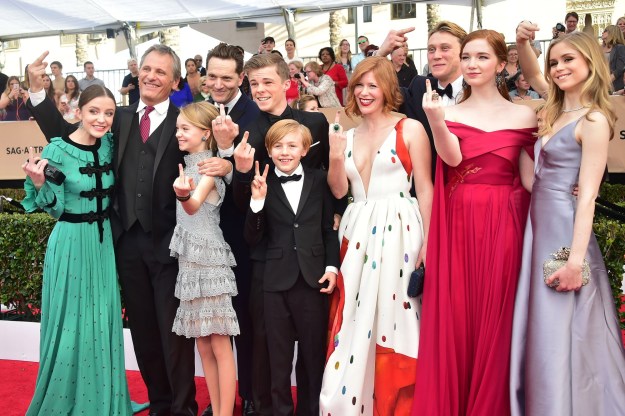
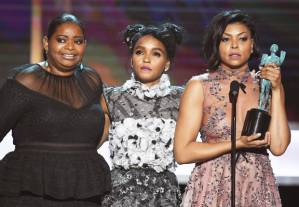 Outstanding performance by a cast was won by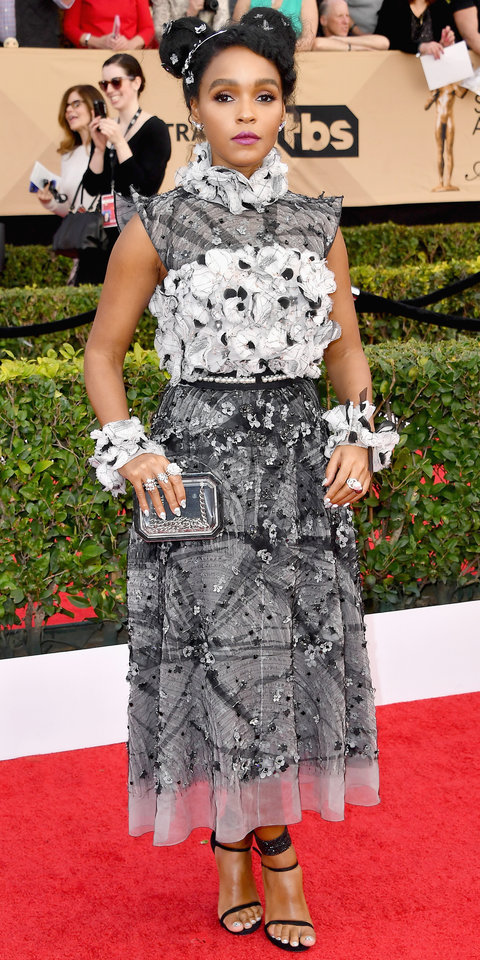

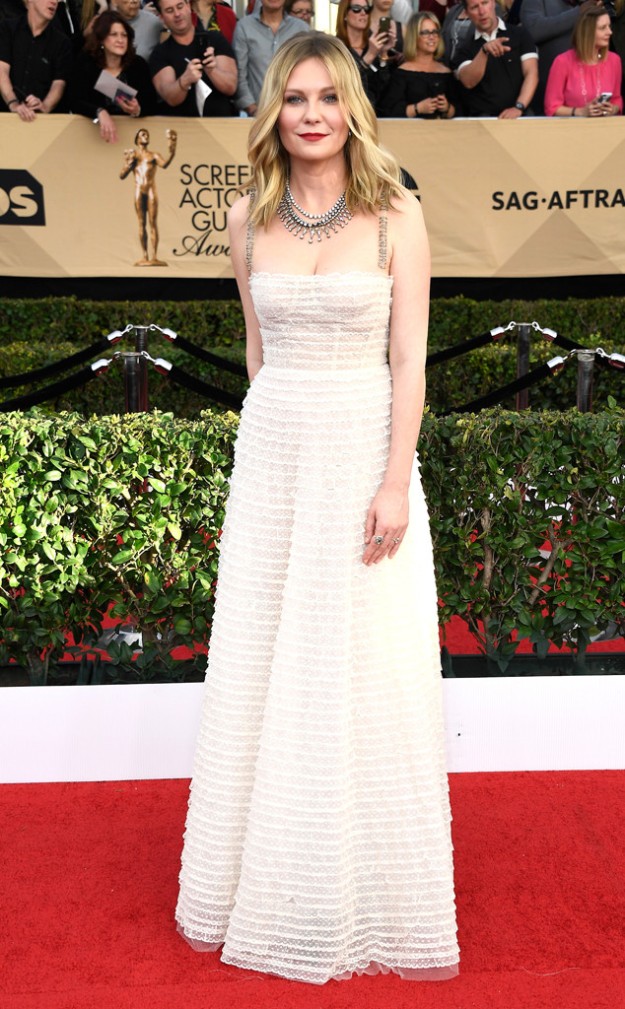
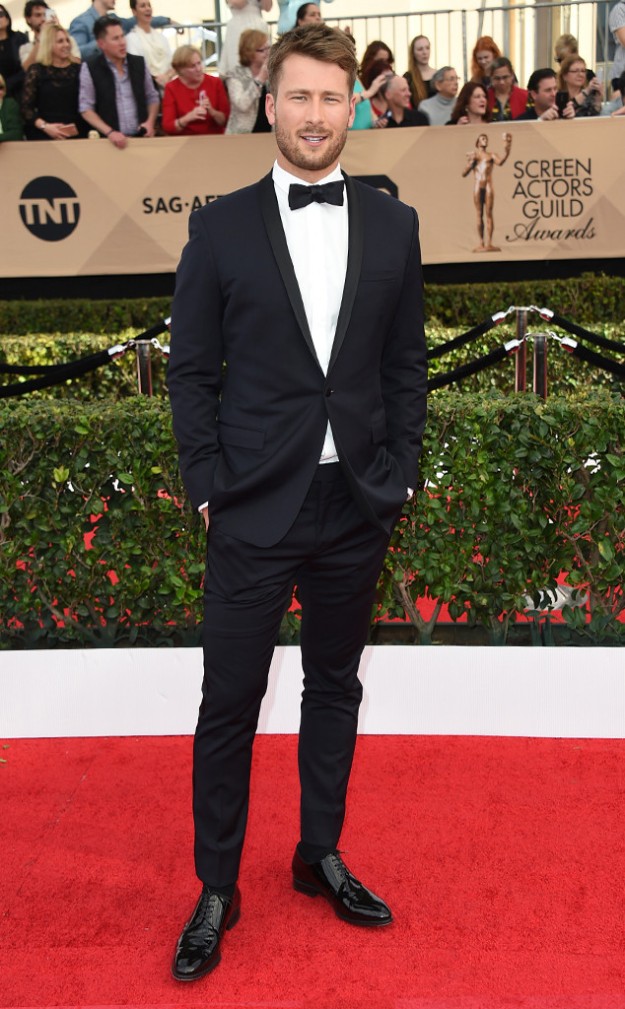
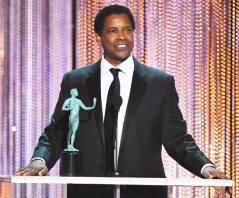 means Casey Affleck for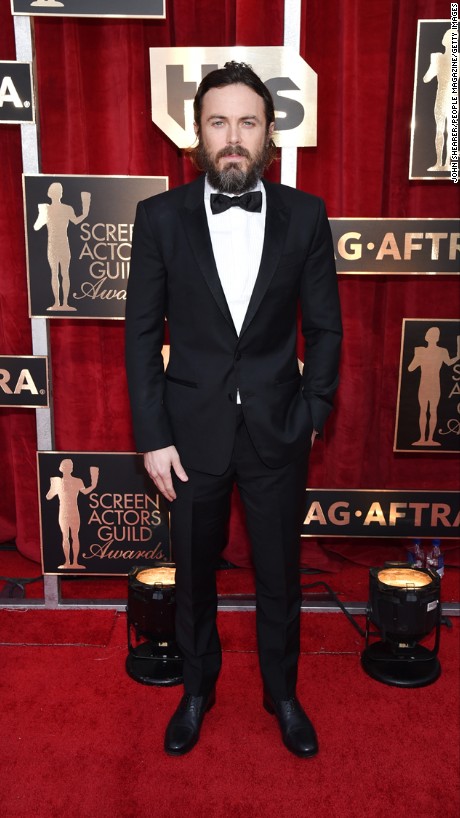
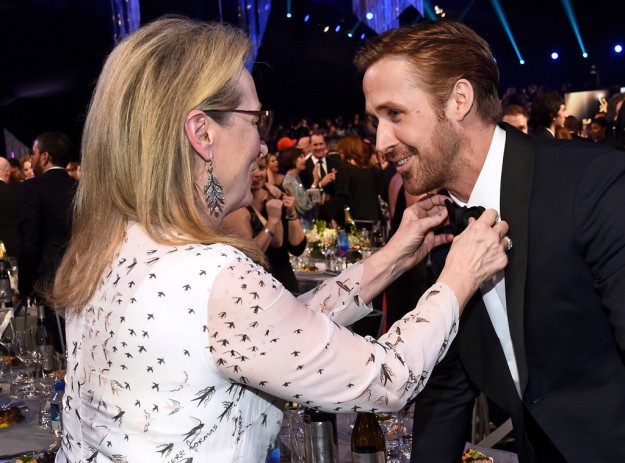

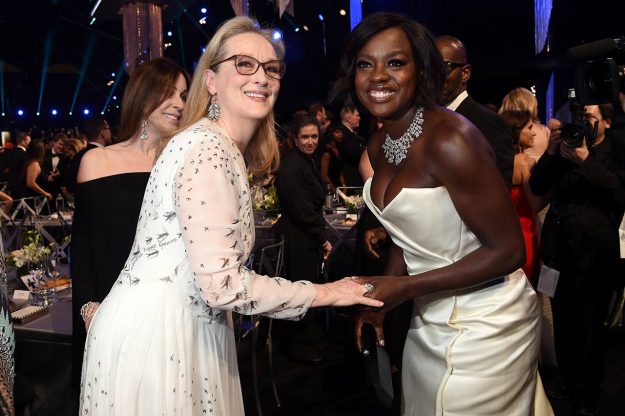
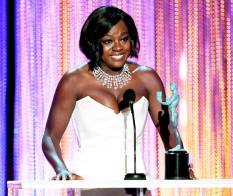 Viola Davis won for supporting actress for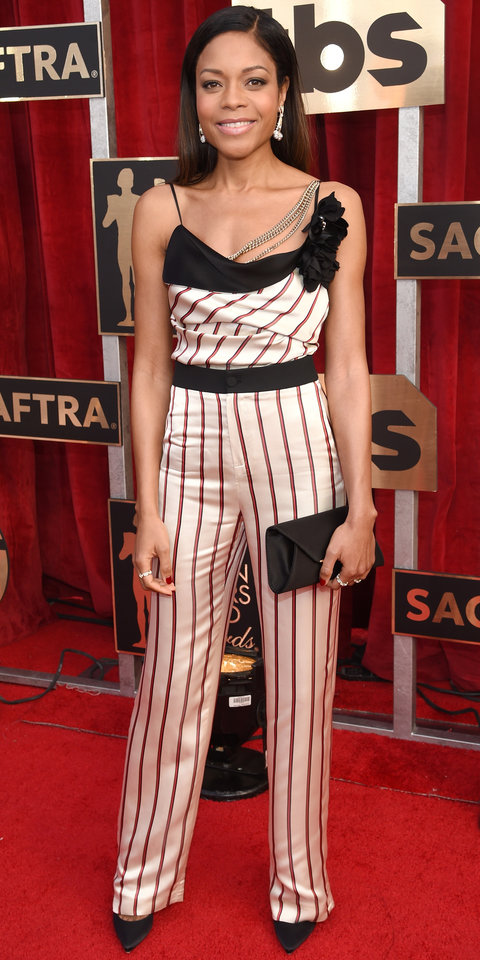
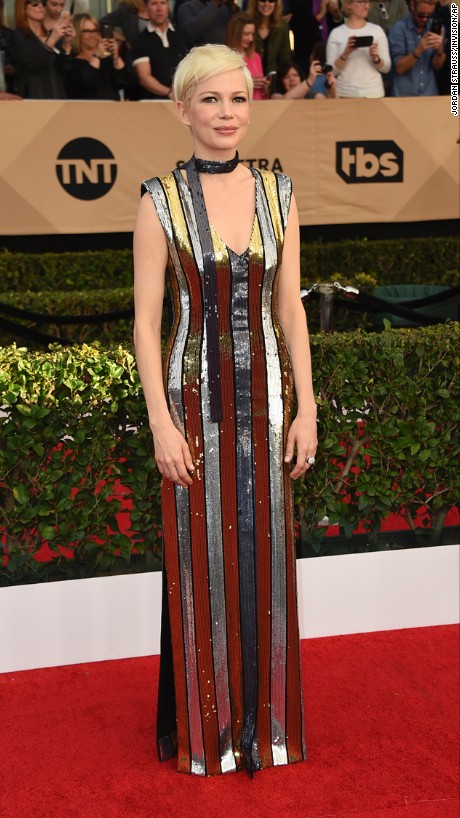
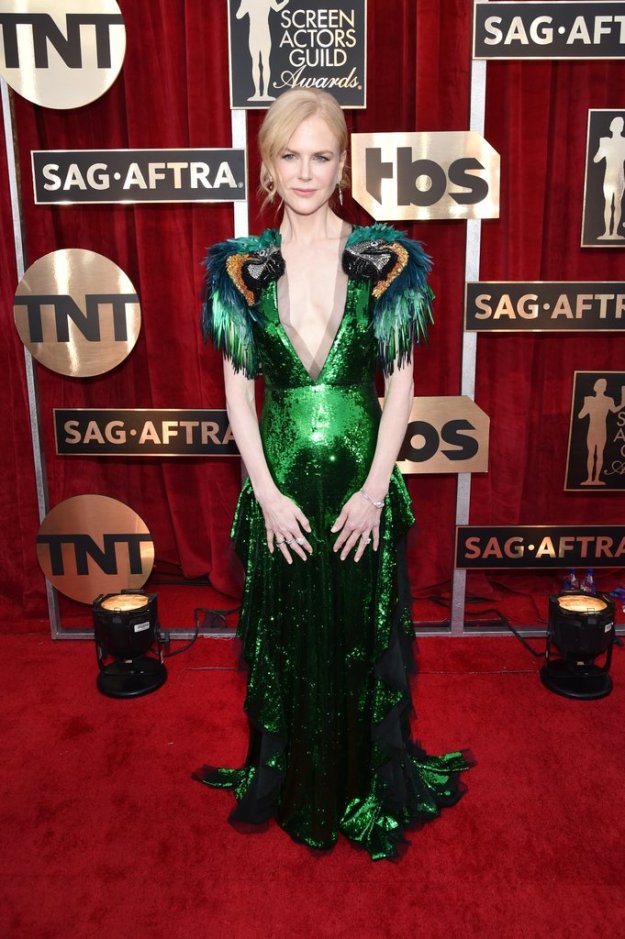



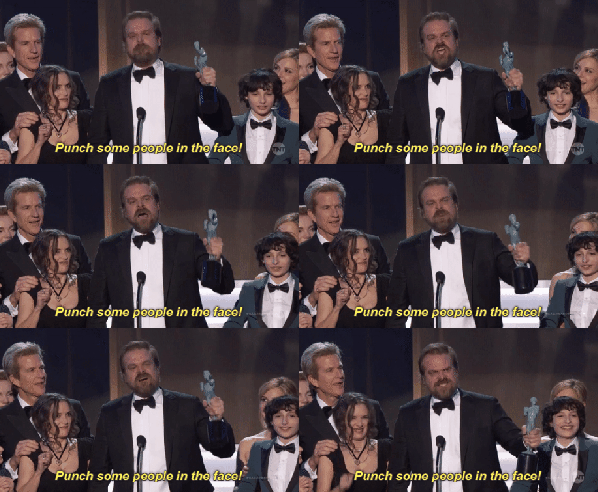
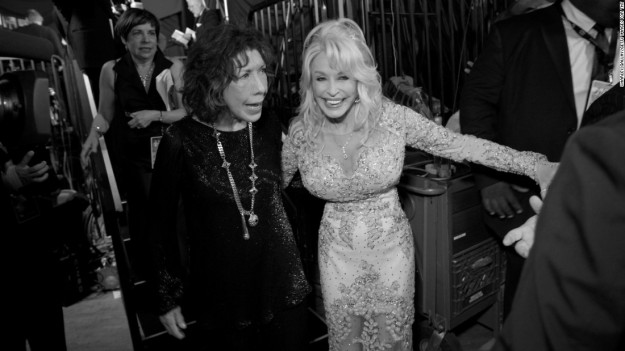
 Award, presented by Dolly Parton and Jane Fonda. Amid the many political speeches of the night, including digs against Donald Trump and his insane ban on Muslims, Tomlin quipped What sign should I make for the next march?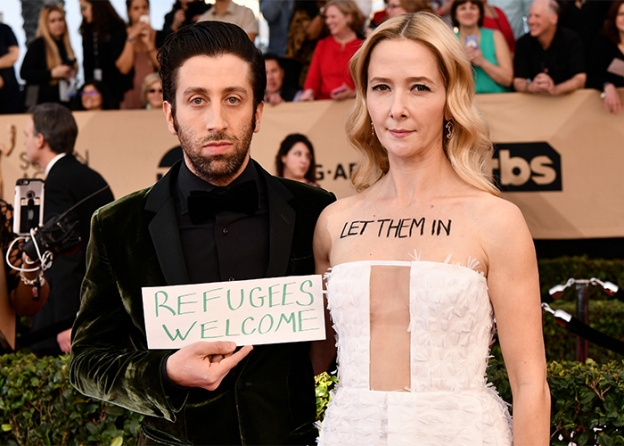
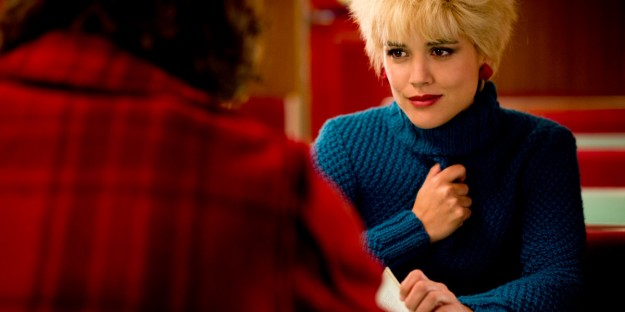
 mother. She has exes, lovers, and erotic fixations. Some of them may surprise you. She reminds us that there are many ways to respond to this kind of violation, and none of them are necessarily wrong. But victimhood does not sit well with Michèle; Michèle plots revenge. Michèle’s complexity is a welcome layer to this psychological thriller, and it’s superbly executed by Isabelle Huppert. Huppert won the
  footage and deliberate storytelling that allows us to consider what documentary can do. It is urgent, imaginative and necessary filmmaking.” Meryl, love ya, but I respectfully disagree.
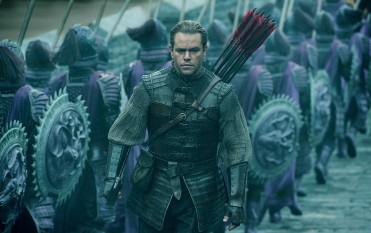 the ambiguous white guy who’s been roaming around with a group looking for black powder. Lots of his men have been picked off and they should have turned back, but instead the remaining men run into a scary beast that eats all but two. Then William and his pal get picked up by the Chinese army near the wall and are more or less taken prisoner, but it seems only so that the white guys can be really impressed by all the Chinese ingenuity.
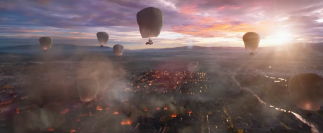 Certainly director Zhang Yimou has a visual flair but this movie overly relies on effects and imagery at the expense of literally everything else. Zhang Yimou’s special spice blend is missing. There’s no subtlety. There’s no sensitivity. And the story is just plain lacking. It starts to feel repetitive even within its 104 minutes. But it’s gloriously explody. It is that. Kaboom.
 just taught, but tested. Melanie (Sennia Nanua) is test subject #1. She’s a very sweet young girl until flesh is nearby, and then her jaws start chomping involuntarily.
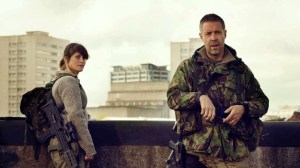 human. Newcomer Sennia Nanua is very compelling in her role; Melanie is a monster, but Nanua gives her a sense of humanity that transforms this horror film into something more urgent, more terrifyingly relatable.
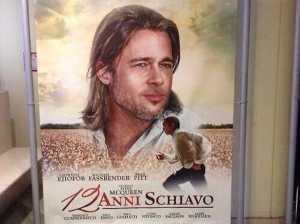 Okay, sometimes it’s a bad thing. Brad Pitt was in
  extra; he manages about 18 minutes across the entire trilogy mind you, and only got that much when fans seemed to really respond. Mark Hamill got second billing in Star Wars:
 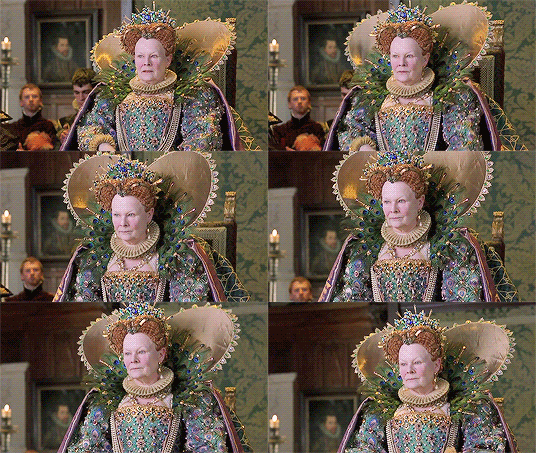 Judi Dench will see your 17 minutes, Michael Keaton, and she’ll raise you: she won a best supporting actress Oscar for only 8 minutes of a role. She played Queen Elizabeth I in Shakespeare in Love and clearly made quite an impression from her modest 6% of the film. Accepting the award, she joked “I feel for eight minutes on the screen, I should only get a little bit of him.” I’m sure that was some consolation to the likes of Lynn Redgrave and Kathy Bates, who lost to her.
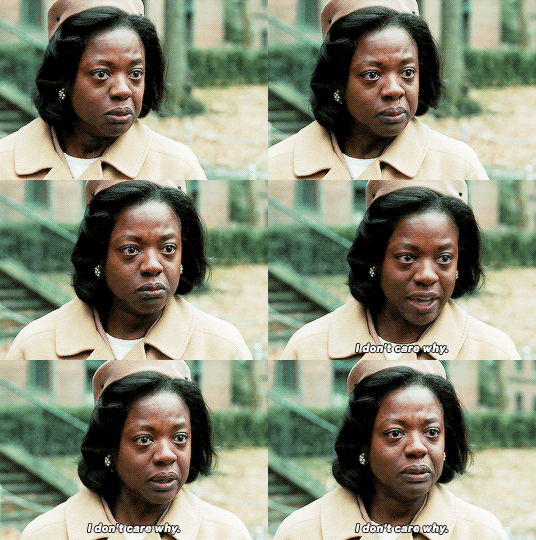 minutes were consistently under there. She plays the mother of a young boy who may or may not have been molested by a priest. She goes toe to toe with Meryl Streep and doesn’t just hold her own – she steals the scene, earning a supporting actress nomination to boot.
 ASSHOLES WATCHING MOVIES