
Free hugs. Free hugs for everyone, because I regret to inform you: you’re absolutely going to need them.
The Father is unintentionally the perfect film to have released during a global pandemic which has meant many things to many people, but has put a particular emphasis and burden on caregivers. Sean lost his Granny last spring; though her death certificate doesn’t state COVID as the cause of death, hers is one of many likely hastened by mandatory isolation (not that she was alone: she received wonderful care at her residence, but these have been lonely times, and particularly hard on people living with dementia). My own grandparents moved into a nursing home for the first time not many months ago, my mother unable to cope as their sole carer any longer. My grandfather’s failing health has meant he’s in and out of the hospital quite frequently, and must always be quarantined upon his return. He’s in the hospital right now, in fact, unable to return to his residence which is suffering an outbreak of a variant. His hospital bed is not far from the one in which his younger brother died last week, yet he was unable to go to him for one last goodbye. But it’s his wife, my grandmother, who suffers from dementia, and my mother who has to tell and retell all this news to her, news of a constantly changing world and its new and evolving rules which many of us hardly keep pace with ourselves. My mother’s only break has been courtesy of her own mandatory quarantine, having also been exposed to the variant at their residence.

The Father is a duet between father and daughter; the experience of dementia from both the victim’s perspective, and the caregiver’s. It is impossible to say who suffers more. Anthony (Anthony Hopkins) is a charming and vibrant old guy who values his independence even though daughter Anne (Olivia Coleman) judges it no longer sustainable. Anthony is defiant in the face of the carers she presents, resents even their implication, though both the script and Florian Zeller’s direction make their necessity abundantly clear to us. Anthony confuses people, names, faces, conversations, places, time, reality, even his own identity.
The film is of course extremely empathetic to Anthony’s plight, but it allows us to truly know this character, and perhaps even the disease, by donning his slippers and showing the truth, warts and all. As his world tilts and blurs, Anthony reacts variously, sometimes sad and scared, sometimes angry and aggressive. We see him self-possessed one moment, asserting his role as homeowner and head of household, and completely depleted the next, sobbing and unsure. It’s heartbreaking, not just to see a man reduced to such disparate elements, but because so many of us can easily recognize our own loved ones in this man, in his simple needs, his volatile moods, his disappearing self. Anthony Hopkins is doing incredible work in this film. He’s no spring chicken himself, but he’s in complete command, a psychological/emotional contortionist. Give him all the awards.
Caregiver Anne is living in her own hell. Since her father can’t remember one conversation to the next, nor even parse one sentence after the other, reasoning with him and negotiating with him are completely off the table. Often unable to even recognize her, he’s certainly not able to appreciate that these tough decisions are for his own good, his safety, his well-being, and her peace of mind. She has clearly sacrificed much of herself to be his carer for as long as she has, and it is a mostly thankless job, Anthony’s twisted mind more likely to be suspicious or critical than to recognize the time and patience expended on his behalf. He is not a bad person, just a sick one, and his daughter is losing him bit by bit, disguising her grief even though it’s happening right in front of him, as he lives and breathes. Coleman is of course absolutely fantastic, a portrait of anguish under a mask of affection. But Anne isn’t a saint, she’s just doing her best under complex circumstances, and with less support than she deserves.
The film is as ruthless as the disease it describes; it will break your heart. It reminds us not just of dementia’s devastation, but of its humanity. The Father is a damn fine piece of cinema.

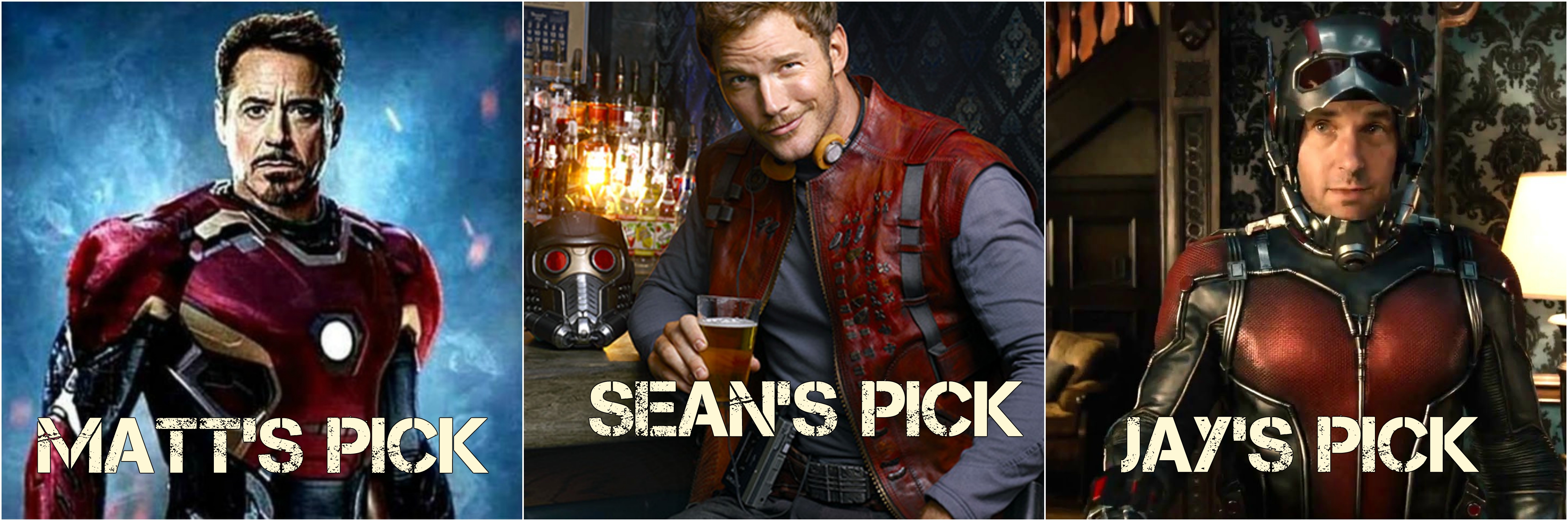
 Hey, we all picked from the same movie!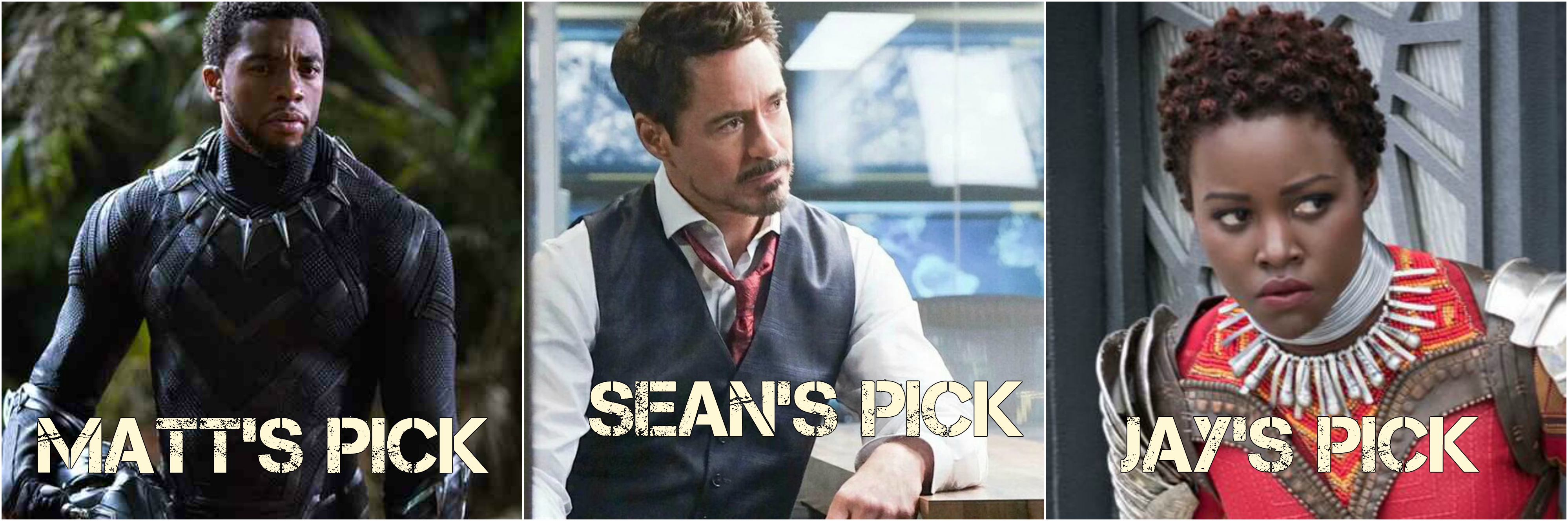
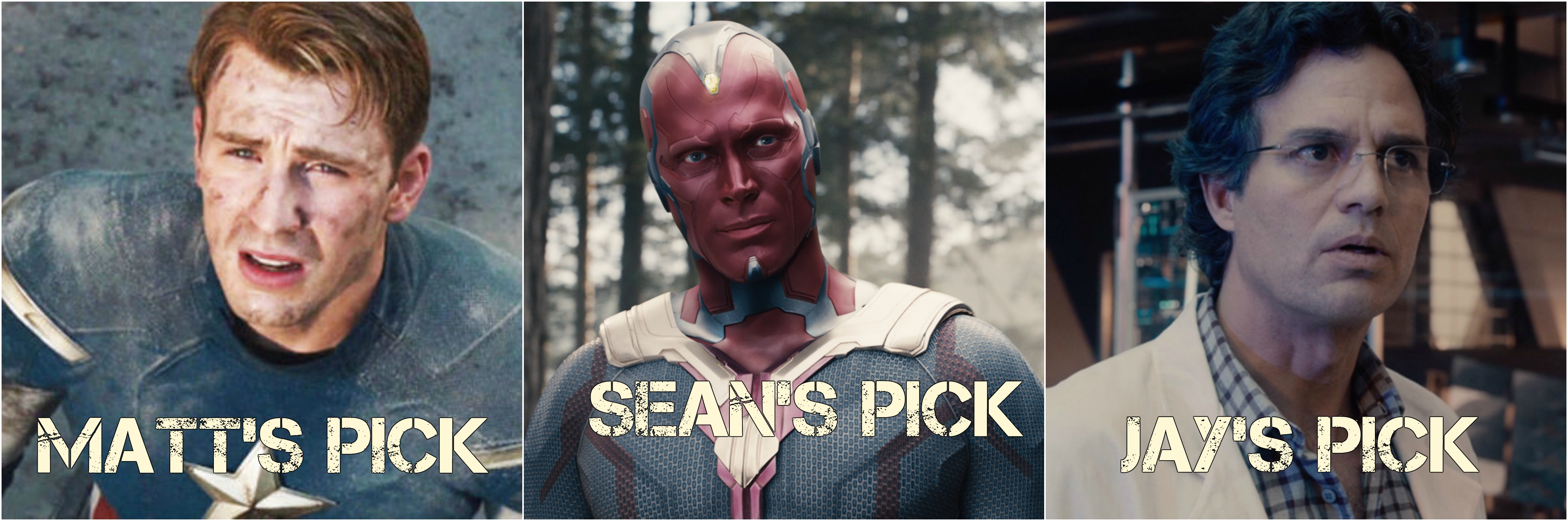
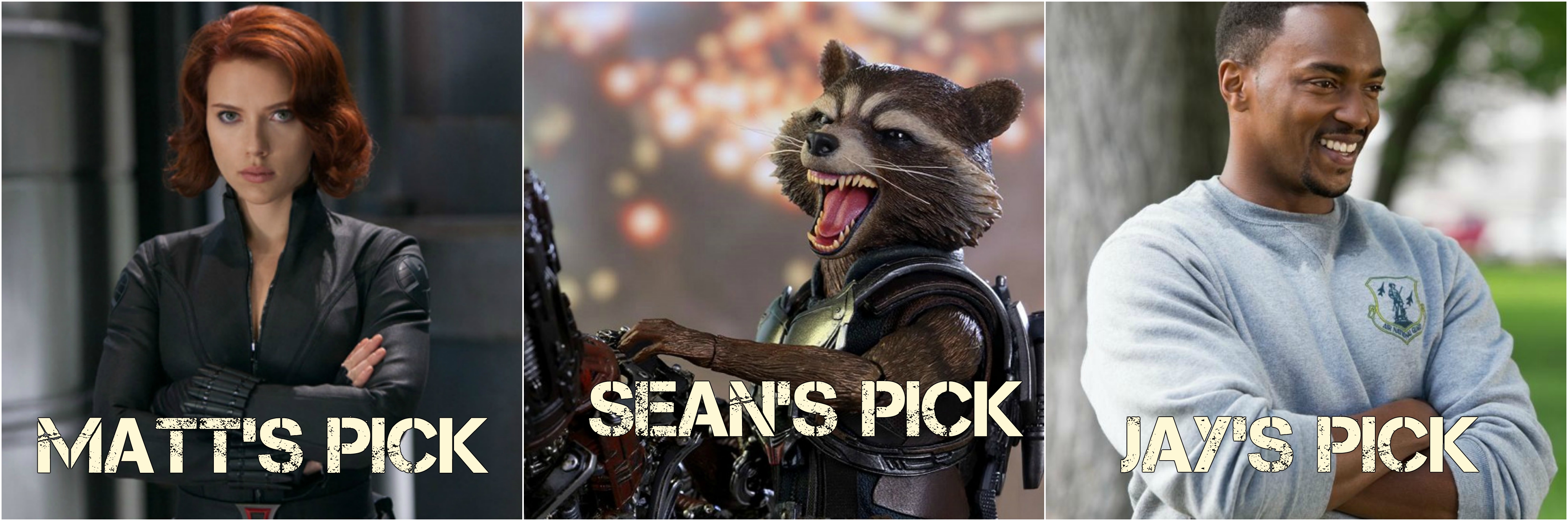
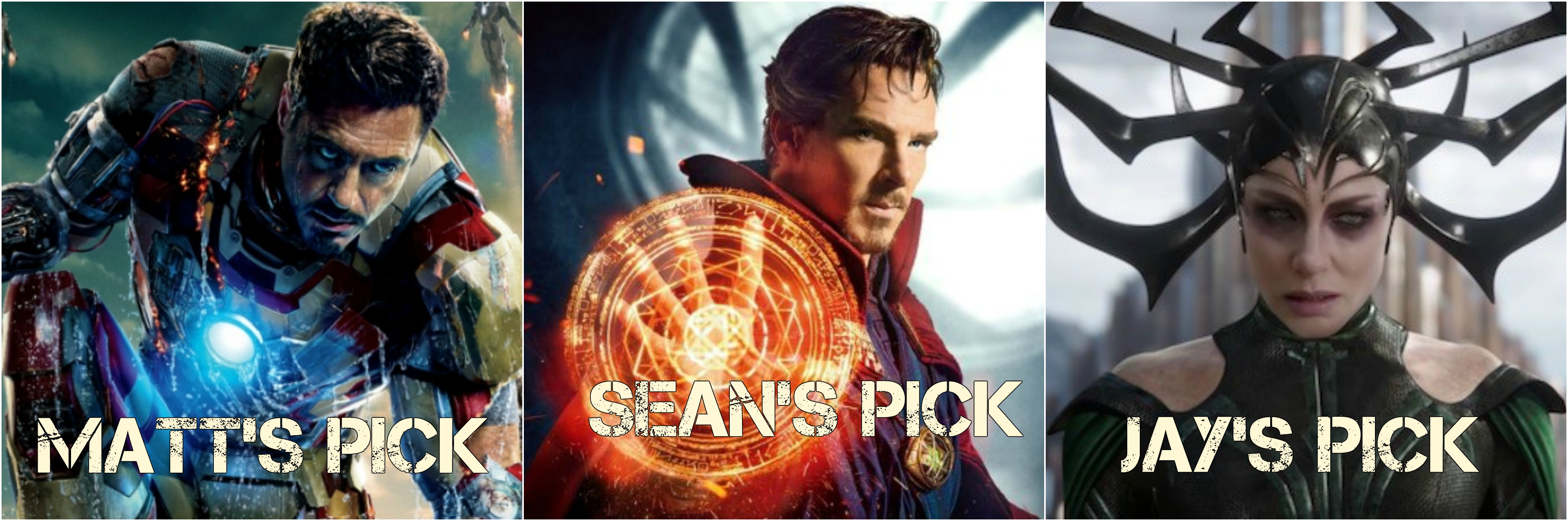

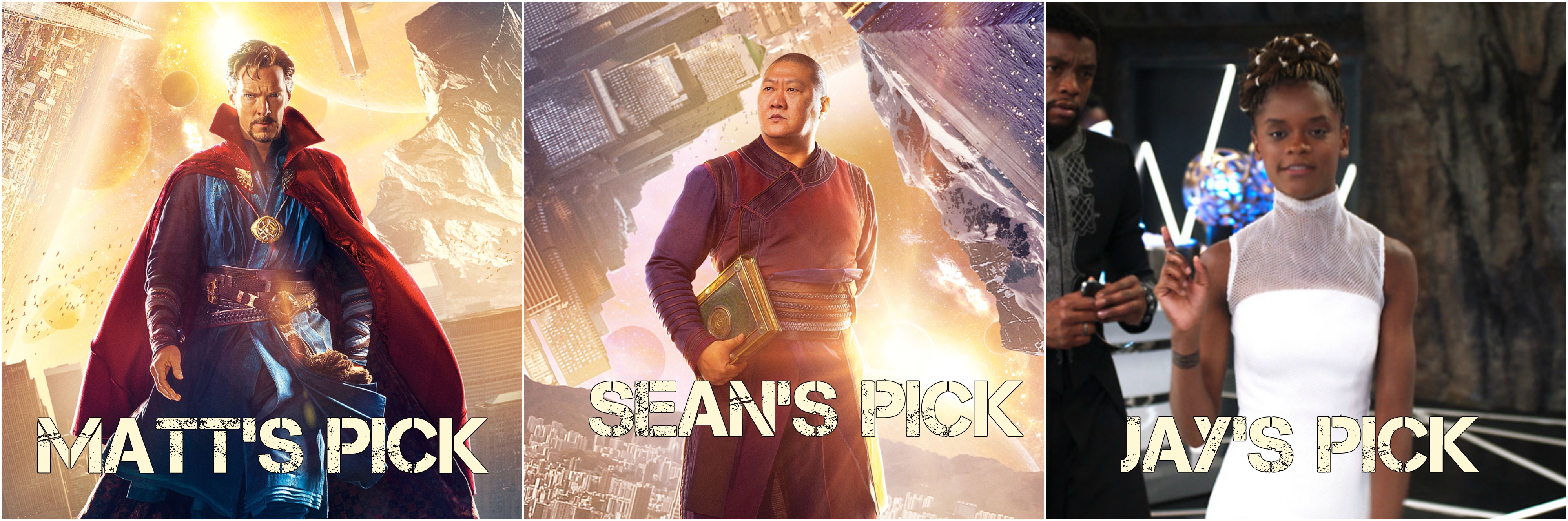
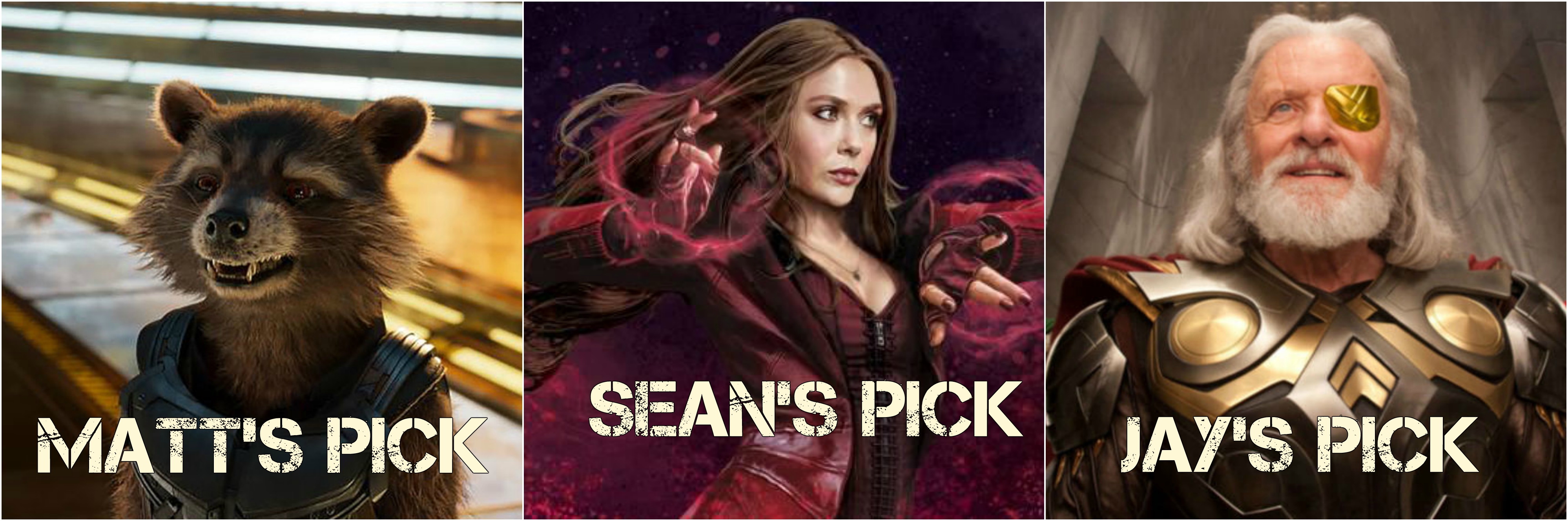
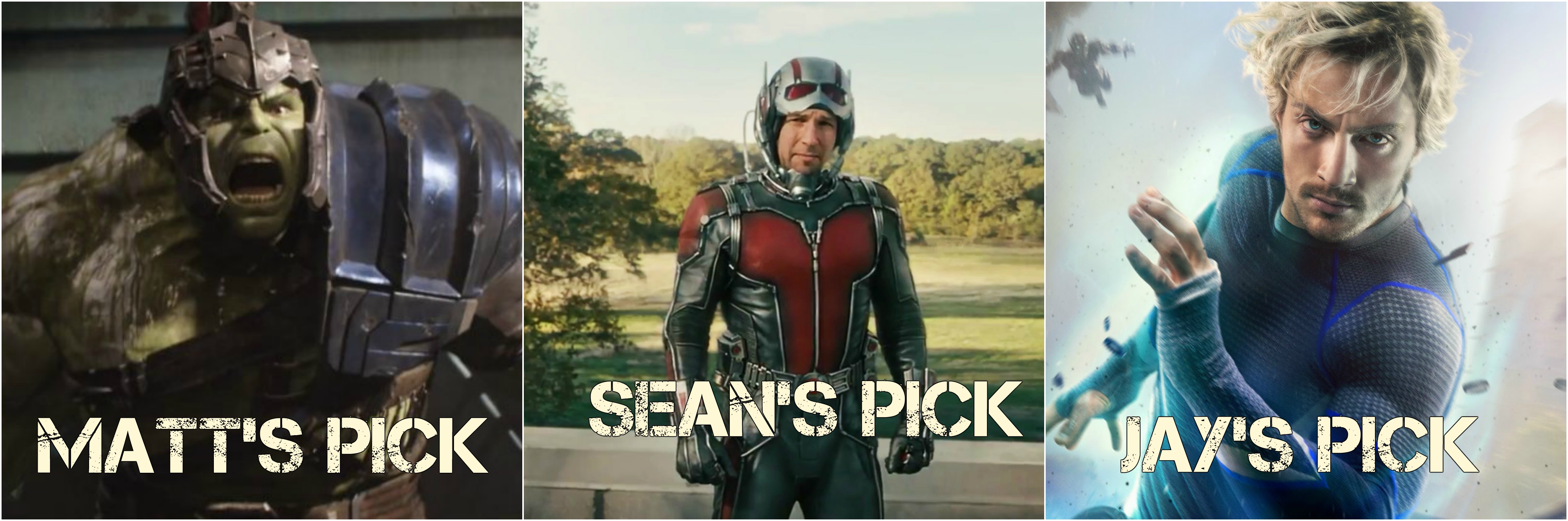
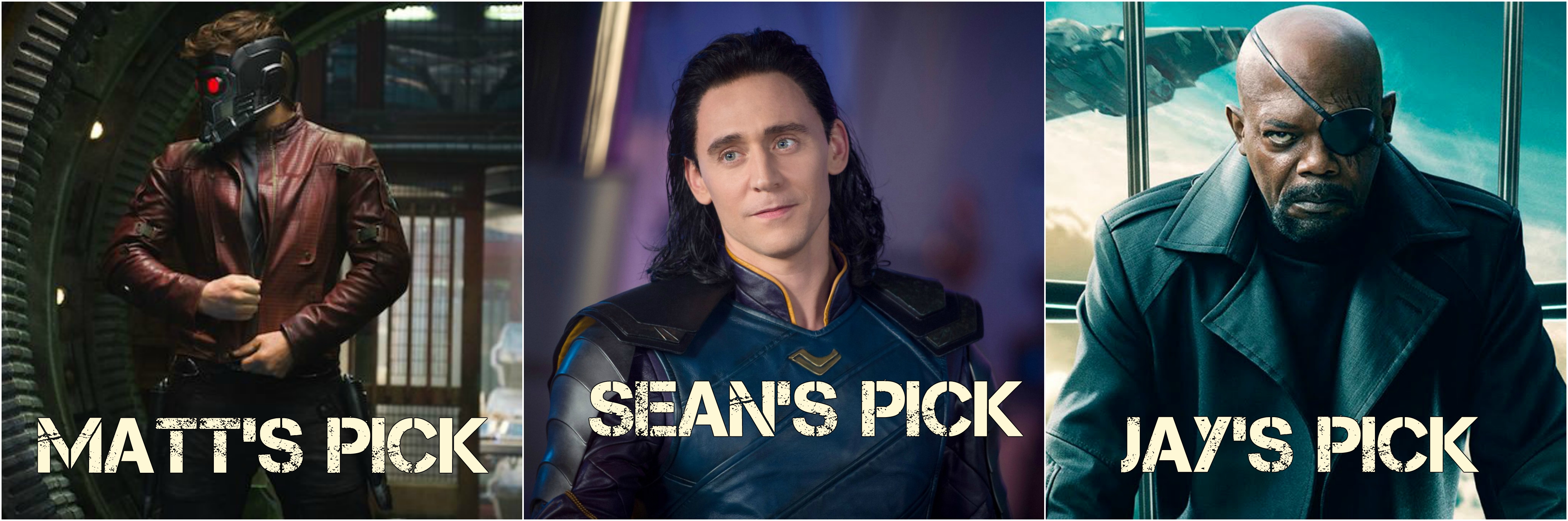
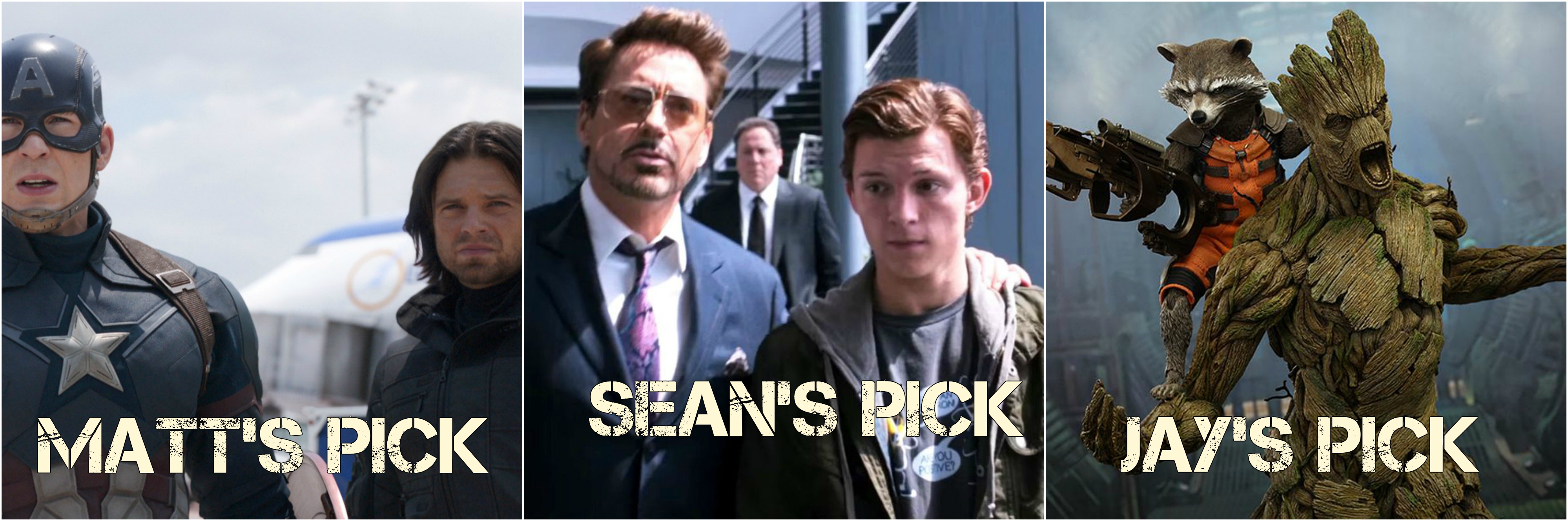
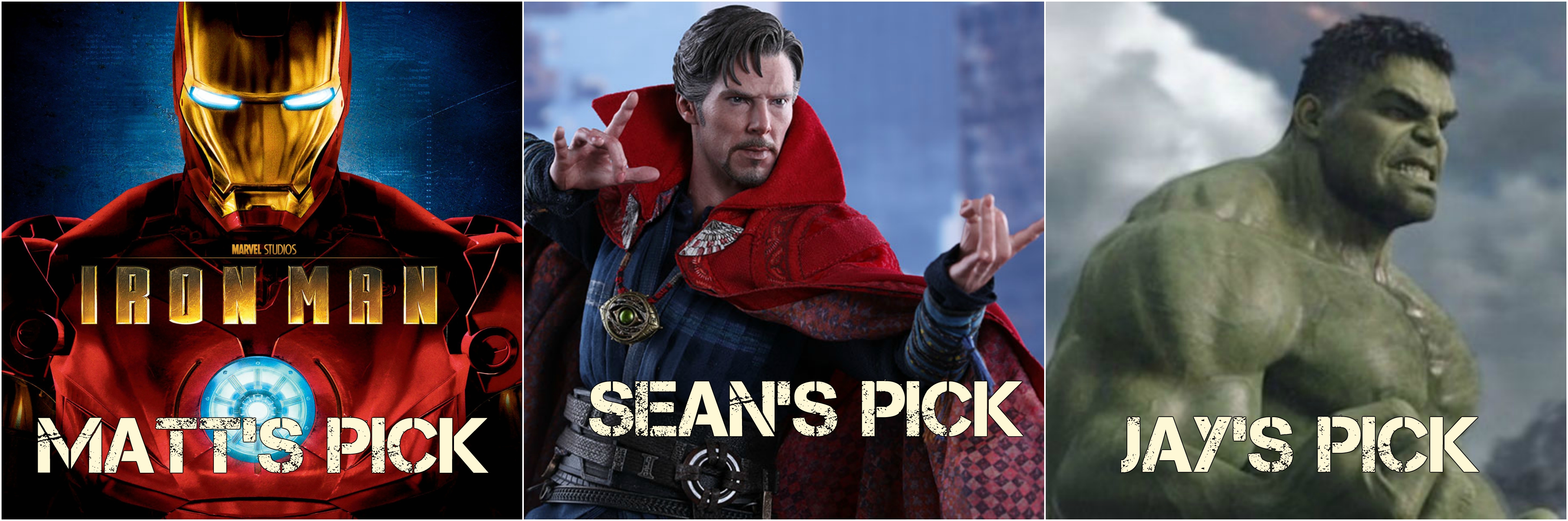
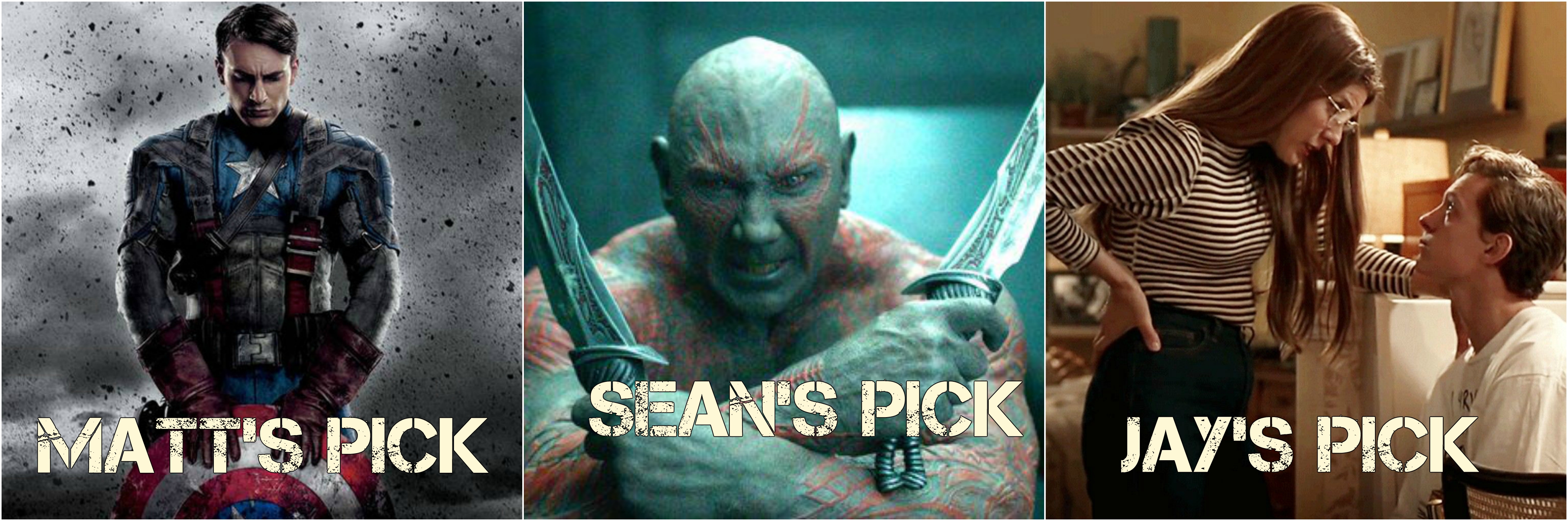
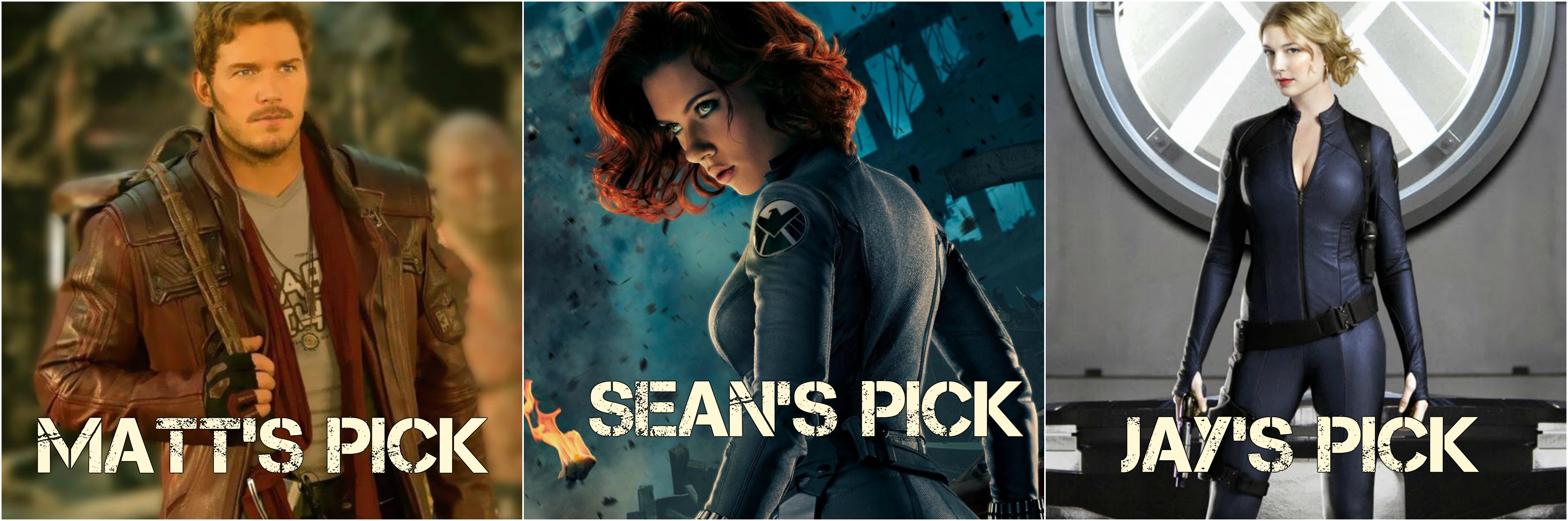
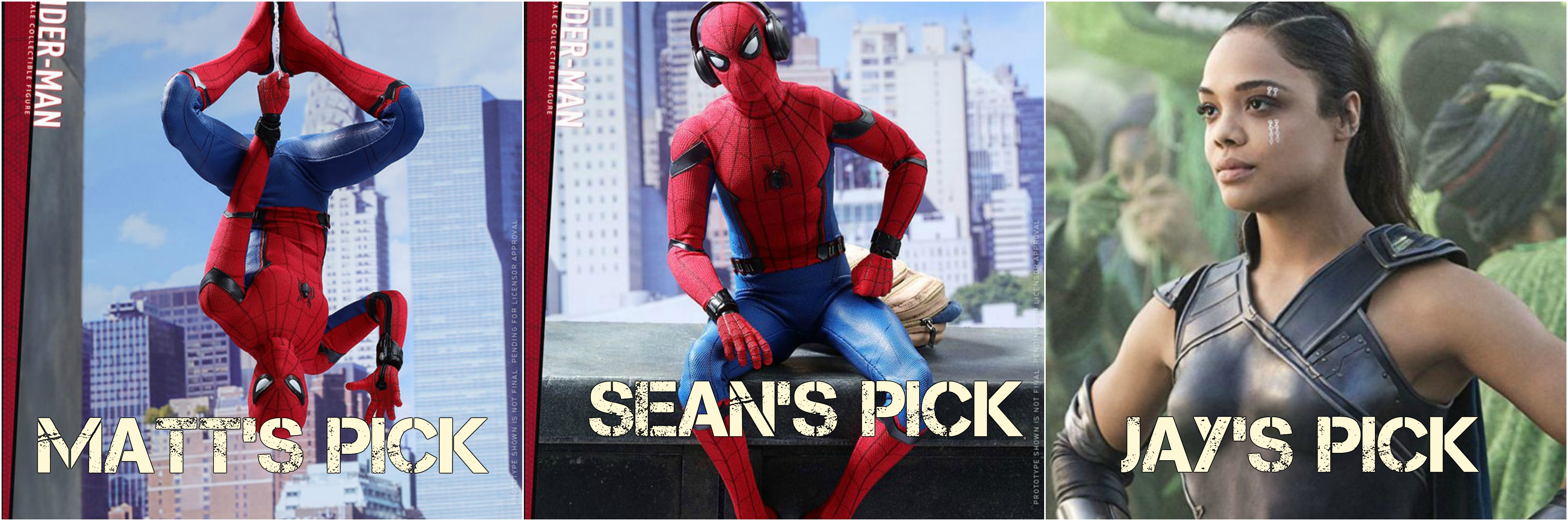
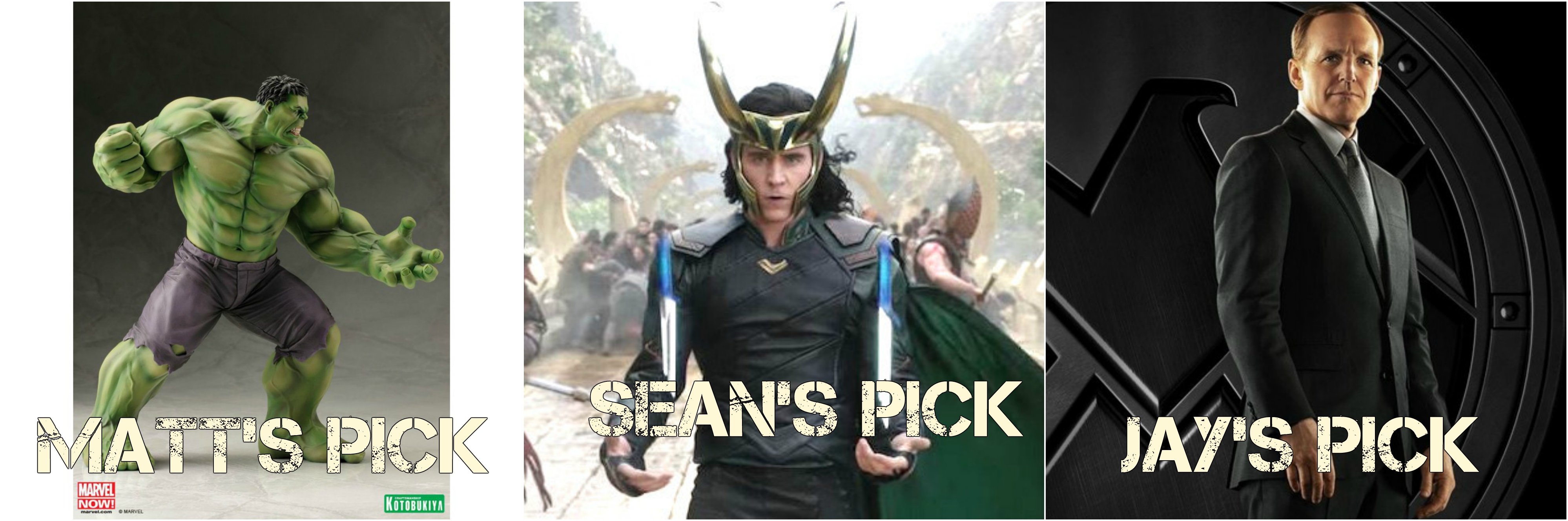
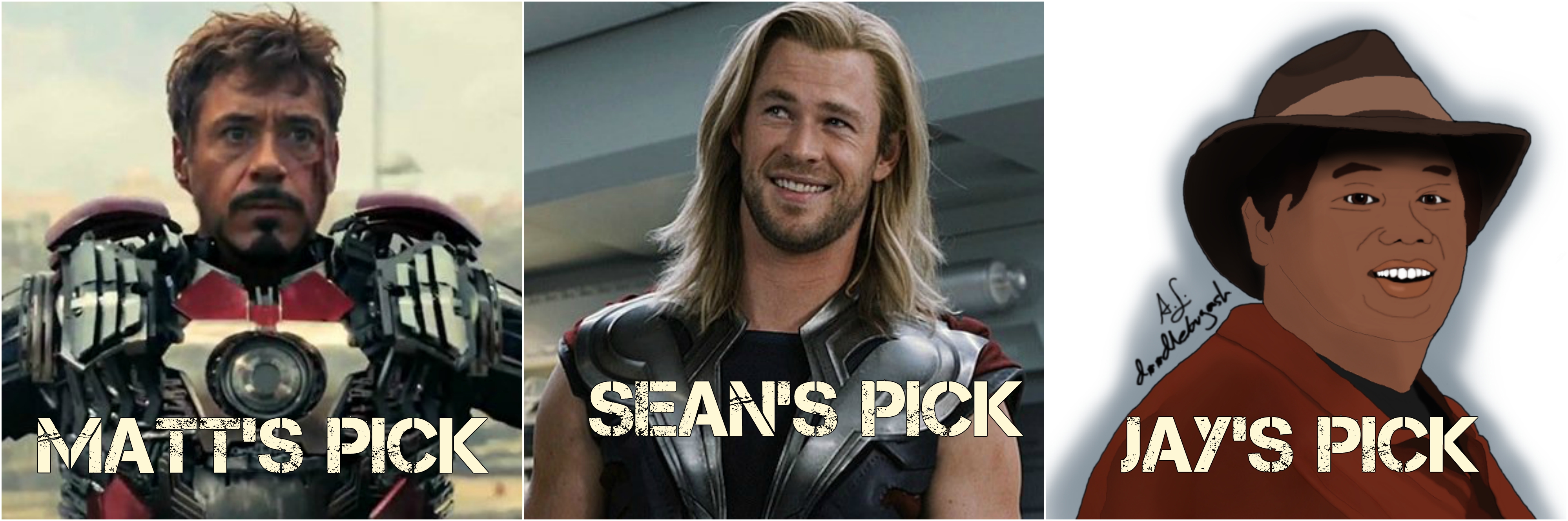
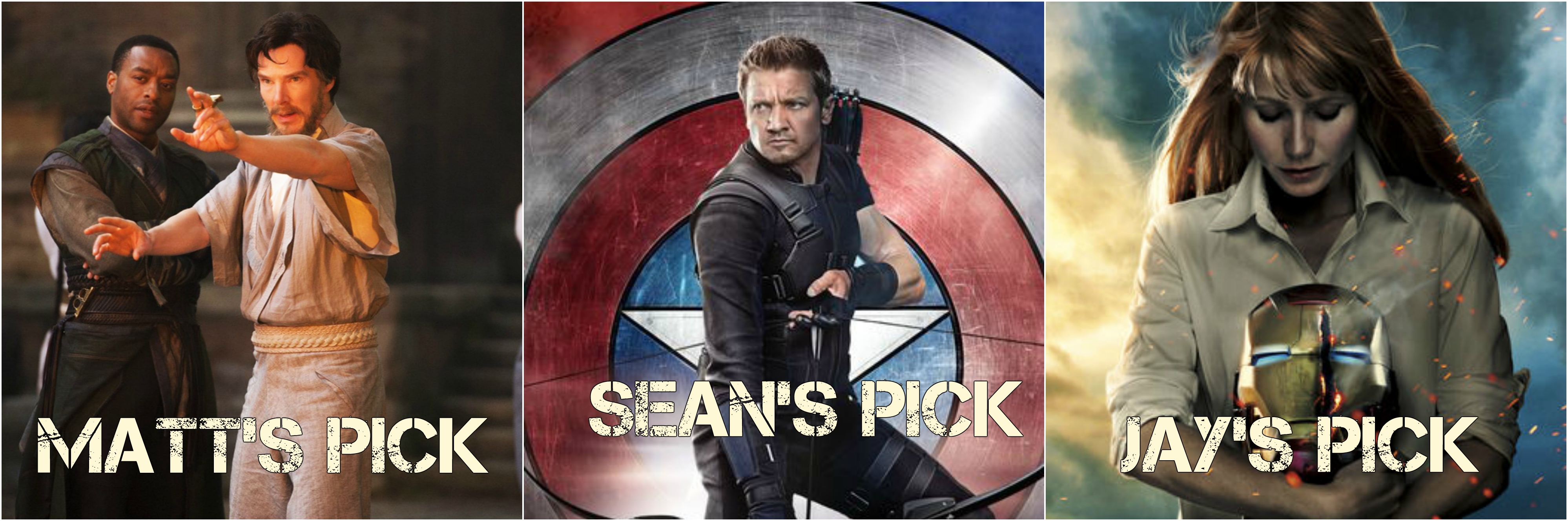
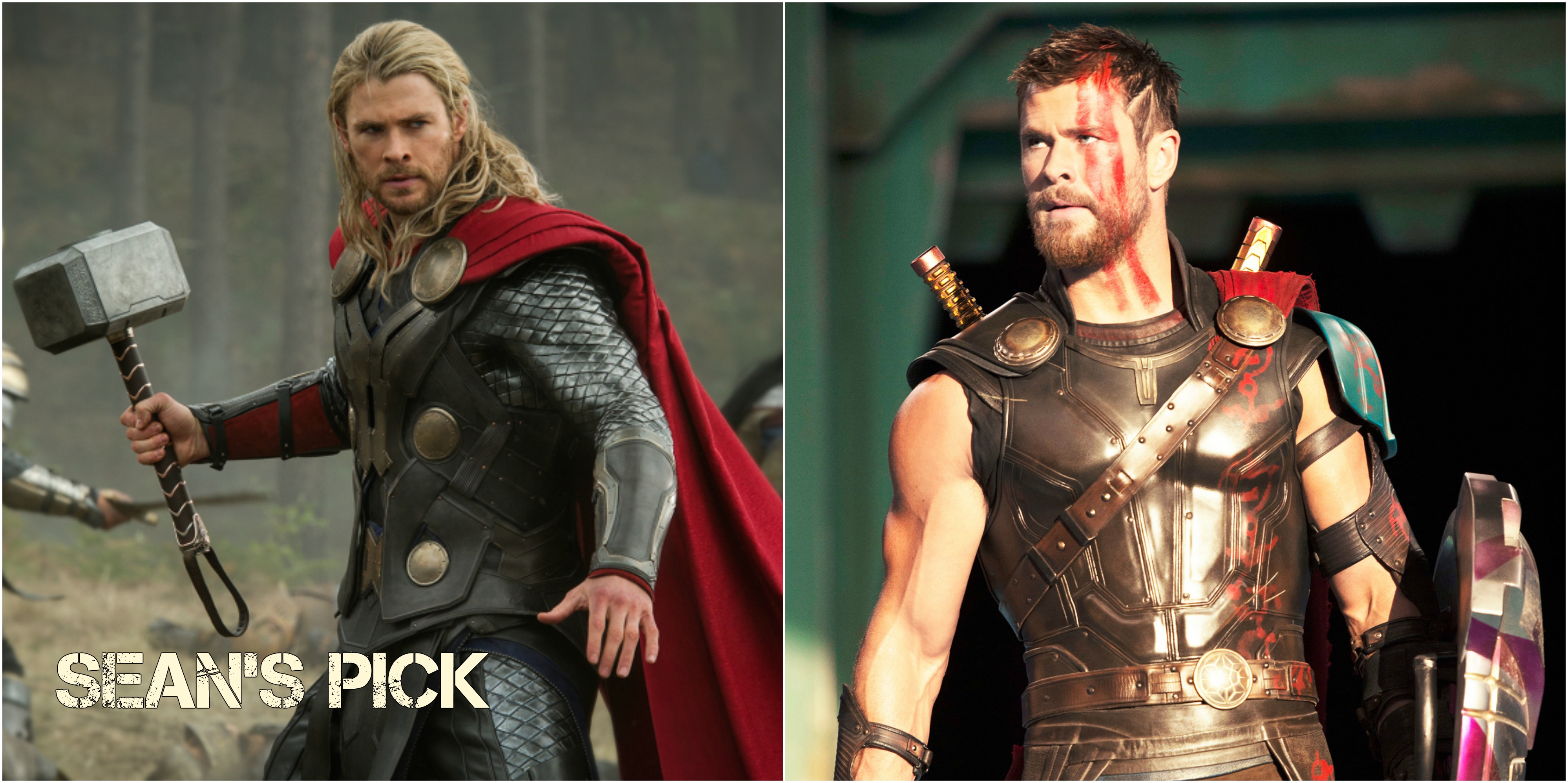


 The Marvel Cinematic Universe is so bloated by this point that it’s a full-time job to keep up with what’s going on. Thankfully, Thor: Ragnarok doesn’t get bogged down in what’s come before. Instead, the third installment in the Thor franchise tells a self-contained story and shifts Thor’s segment of the universe from dreary fantasy mode to action-comedy mode. From a cameo by Matt Damon that I totally missed, to a Taika-Waititi-voiced blue rock monster, to Hulk and Thor arguing over everything and anything, Ragnarok is the funniest apocalypse movie you will likely ever see (sorry, Zombieland!).
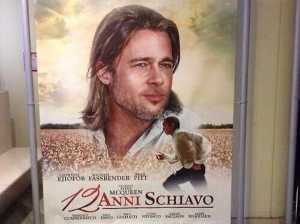 Okay, sometimes it’s a bad thing. Brad Pitt was in
  extra; he manages about 18 minutes across the entire trilogy mind you, and only got that much when fans seemed to really respond. Mark Hamill got second billing in Star Wars:
  Judi Dench will see your 17 minutes, Michael Keaton, and she’ll raise you: she won a best supporting actress Oscar for only 8 minutes of a role. She played Queen Elizabeth I in Shakespeare in Love and clearly made quite an impression from her modest 6% of the film. Accepting the award, she joked “I feel for eight minutes on the screen, I should only get a little bit of him.” I’m sure that was some consolation to the likes of Lynn Redgrave and Kathy Bates, who lost to her.
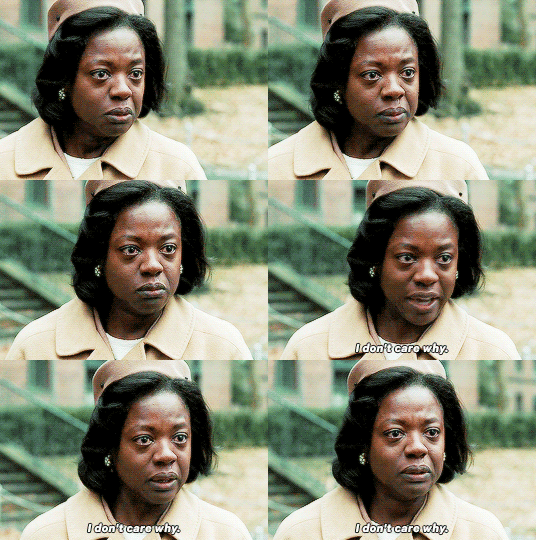 minutes were consistently under there. She plays the mother of a young boy who may or may not have been molested by a priest. She goes toe to toe with Meryl Streep and doesn’t just hold her own – she steals the scene, earning a supporting actress nomination to boot.
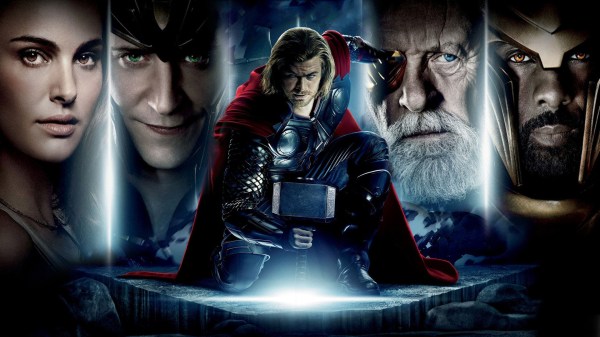 I finally saw Thor and to be honest, I’m not entirely sure what happened. I know Thor got hit by Natalie Portman’s car a couple of times after being banished to Earth for being a dick. Then he learned a lesson and could pick up his hammer again, so he smashed a rainbow bridge to save a planet. But then he couldn’t see Natalie anymore because he wrecked the bridge.
 ASSHOLES WATCHING MOVIES