Tag Archives: Half-assed

Films in this category have something to offer but also have one or more flaws that detract from the experience. Still, these movies are probably better than most of the shit on Netflix.

Netflix Double Feature: Slow Learners and People Places Things

If you’re recovering from surgery like Jay is, it’s nice to have Netflix available to pass some of the time.  The trick is finding something worthwhile among all those options.

Last night we tried twice to find a hidden gem, with mixed results.

The first movie we tried was Slow Learners. Starring Adam Pally and Sarah Burns, Slow Learners tells the story of two geeky teachers who make a pact to change themselves over their summer vacation in order to improve their dating lives.  Naturally, it gets super awkward, super fast, to the point where Jay couldn’t bear to watch Burns attempt a southern accent to make herself more interesting.  We eventually fast-forwarded through that part, after initially stopping the movie.

The fact we came back to this movie after stopping it is something positive, but that’s really the best that I can say about Slow Learners.   It’s not terrible and there are a few good bits, but overall it’s really shallow, really predictable, and only moderately watchable.   I give Slow Learners a score of four random literary quotes out of ten.

While we were on a break from Slow Learners, we took a look for something less awkward and settled on People Places Things, starring Jemaine Clement (Netflix recommended the movie because we watched Slow Learners, oddly enough).  Jemaine does his usual quirky Kiwi thing in People Places Things, and I for one find him hilarious almost no matter what else is going on.

In People Places Things, Jemaine plays a semi-starving artist who understandably has a hard time coping after discovering his spouse is cheating on him (which happens in the middle of their twin girls’ fifth birthday party, no less).  We catch up with him one year after that party as he tries to move on or make up or…really, he’s not at all sure what he wants and I liked that.  People Places Things is clearly more about Jemaine’s journey than his ultimate destination.

I’m happy to report that the journey is entertaining, fairly cliche-free, and full of interesting characters.  I really liked watching the discovery process play out for Jemaine’s character, and I enjoyed this movie all the way through.  I give People Places Things a score of seven trips to Astoria out of ten.

The Peanuts Movie

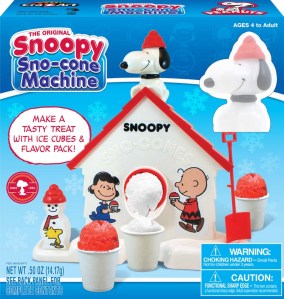
Charles Schulz’ Peanuts is a comic strip that I grew up with. Charlie Brown and his trademark shirt, Lucy and her advice stand, Linus and his blanket, Schroeder and his piano, and Snoopy and his doghouse – these images are forever ingrained. I expect most of you had the same experience, as the Peanuts were everywhere, including lunchboxes, greeting cards, TV specials, pajamas and sheet sets, and everything else possible. Snoopy Sno-Cones, anyone?

Snoopy Snow Cone final

Charlie Brown says, “I hope you like red flavour, because otherwise you’re just eating ice cubes!”

The heart of the Peanuts empire was the comic strip, and the love that went into that makes it impossible for me to be too cynical about all the rest of the merchandise that was churned out. Charles Schulz loved these characters and as a result, I loved reading about their little adventures from the day I was old enough to locate the comics in the newspaper index, to the day I moved out of my parents’ house. The Peanuts was a landmark comic strip from start to finish, as Jay wrote about in an excellent piece a few months back.

That was way back on The Peanuts Movie’s opening weekend. It has taken until now for me to get around to watching it, mainly because despite how good it looked visually, I kept hearing that The Peanuts Movie didn’t have the comic strip’s heart. The heart that made the Peanuts so special. And now, having seen The Peanuts Movie for myself, my takeaway was that the Peanuts’ heart stopped beating when when Charles Schulz’s did (RIP).

The Peanuts Movie is not bad. It’s well animated and there’s a basic, tolerable story guiding us through the 80 minute-ish run time. And during those 80 minutes we see and hear lots of things we would expect to find here, like the adults’ trombone voices and the characters’ relationships, like Lucy loving Schroeder and pulling the football away from Charlie Brown. But those are the highlights and it quickly became clear that the best parts of this movie are good mainly because they remind you of the comic strip.

Seeing all these old standbys tied together by a basic plot felt strangely similar to Star Wars: The Force Awakens, and my complaint here is the same.  Making me nostalgic is neither enough to make me enjoy your movie, nor enough of a reason to have made the movie in the first place. I would have been better off thumbing through a trade paperback of old strips than watching The Peanuts Movie.

So that’s what I would suggest to you: skip The Peanuts Movie and go straight to the source, Schulz’s old comic strips. Because those strips are pure magic while The Peanuts Movie only scores six zig-zag striped shirts out of ten.

Concussion

Concussion makes you sick with guilt for being an NFL fan.  As the movie unfolds, the names and stories of these tormented souls bring back memories of news articles you’ve read, and you know that even if some of the details are fictionalized, all the important ones are true.  And even though Sony’s leaked emails reveal they toned down the movie to avoid kicking the “hornet’s nest” that is the National Football League, the watered down version is horrifying enough.  Concussion makes you feel dirty for ever having watched a Super Bowl, let alone having bought a ticket, because involvement as a fan means you actively contributed to the destruction of so many lives.

Mike Webster really died in his pickup truck.  Justin Strezelczyk really died in a fiery crash because he drove into oncoming traffic while being chased by the police.  Terry Long really drank antifreeze.  Andre Waters really shot himself in the head.  Dave Duerson really was an NFLPA executive who fatally shot himself in the chest so he could

US PRESSWIRE Sports Archive-Historical

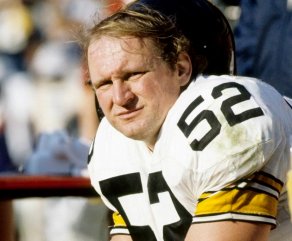
The real-life Mike Webster.  RIP.

donate his brain to science (and Junior Seau really did the same).  All of these former players were 50 or younger when they died.  All have been diagnosed with chronic traumatic encephalopathy (CTE), which is a degenerative brain disease that causes symptoms of dementia including memory loss, aggression, confusion and depression.  The scariest thing is that these are just a few of the former players who have died from CTE, or are living with CTE-like symptoms (a CTE diagnosis cannot be confirmed until after death), and there are thousands more who almost surely are living with the same symptoms and/or other neurological conditions like Lou Gehrig’s disease, Alzheimer’s, Parkinson’s or dementia.

That alone would have been enough for Concussion to make me uncomfortable but a personal connection made these issues all too real.  Growing up, I was a good athlete but my brother Bryan was better.  He was good enough to be playing both basketball and rugby on provincial teams at age 16, and then it was time to make a choice.  He chose rugby because he loved hitting people (which makes sense because he’s kind of an asshole too).  Focusing on rugby made him even better at it, and after high school he went out west to play for the Canadian junior national team.

And then everything went south in a huge way.  His first concussion was well in the past, suffered at age 14 while playing quarterback.  We didn’t think of it at the time but as the hits piled up, every big hit hurt him more and took him longer to recover from.  By the time he was playing national-level rugby, and getting hammered repeatedly by other 6’5″, 240 pound monsters like himself, he was also experiencing blackouts, memory loss, chronic pain and who knows what else.  When he came to at the top of a mountain and had no idea how he had gotten there (turns out he ran the mile from his house then continued all the way to the top), it was a rude awakening in more ways than one.  That was the end of his rugby career but only the beginning of his suffering.  He lost years to pain, headaches, and nausea, he lost his desired career as a firefighter, and he almost lost himself.

Bryan’s story has taken a better turn lately, as he has found treatments and medications that help him manage his pain and live his life. But for me, Concussion was a terrifying reminder that Bryan could have been Mike Webster.  He may still be.  Bryan’s only 36, which is how old Justin Strezelczyk was when he drove into a tanker truck.  Mike Webster was still playing football at 36, so 50 is still a long way off for Bryan and countless others.

Will Smith is decent in the role of Dr. Bennet Omalu, the coroner who autopsied Mike Webster and brought a lot of these issues to light after so many years of darkness and denial.  His accent is not as distracting as in the trailer but I couldn’t escape the feeling that the script was designed to include the phrases that Smith was better at saying in an African accent (“Tell the truth.  Tell the truth!”).  The same accent probably would have been more palatable coming from an unknown actor but does this movie get made or seen if Will Smith isn’t starring?  So while I probably wouldn’t have nominated him for a Golden Globe, I can see how he got one.  He is obviously trying here and maybe that was the problem for me.  In my view Albert Brooks (as Dr. Omalu’s mentor) and Gugu Mbatha-Raw (as his wife) both gave better performances than Smith.

Concussion makes sure to note the similarity between the NFL’s treatment of concussions and big tobacco’s treatment of cancer, and the comparisons are apt.  They still ring true, especially when the class action settlement between the NFL and 4,500 former players was conditional on the NFL never having to admit what it knew about the danger of concussions, or how long it’s known.  It’s easy to read between the lines.

The hits these players took (and gave) are going to kill many of them.  And we watched and cheered.  For me, Concussion made me realize that I’m long overdue to stop cheering and stop pretending that any of this is okay.

For that, I’m glad I saw Concussion.  I’m not sure the movie works as well as it should, because it seemed at times to soften its message in an effort to not seem too preachy.  I’m thinking particularly of a speech Smith’s character gives where he says he doesn’t hate football after being persecuted by the NFL for his research, which to me rang false.  Still, despite that scene and a few similar missteps, Concussion got to me and made me think, and that’s worth something.

Concussion gets a score of seven (six for the touchdown and one for the PAT) out of ten.


Star Wars: The Force Awakens (An Extremely Non-Spoilerrific Review)

Sean’s from the 70s.  Jay is an 80s chick. Sean is kind of a nerd.  Jay, not so much.  Sean saw Star Wars: A New Hope (though he still just calls it, “Star Wars”) at least 20 times before his eighth birthday.  Jay had never seen any Star Wars movie until this past weekend.  So what did they think of Star Wars: The Force Awakens?

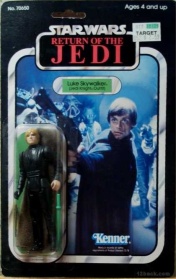
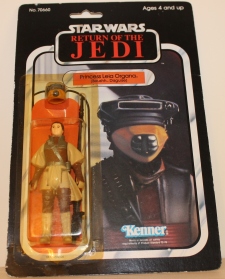
Sean: As a kid, I always loved Star Wars.  I’m at the younger end of the Star Wars generation since I never knew a world without it.  Too young to see the first two in theatres, I caught up by Return of the Jedi thanks to the miracle of VCRs and HBO showing Star Wars around the clock in 1983 (and I kept watching it over and over every chance I got).  Star Wars felt like it belonged to me since it was happening just as I was growing up and learning what movies were.  And because of my age I was still young enough to not be at all cynical about product placement or Ewoks by the time Return of the Jedi rolled around.  To my seven year old self, it was all positive that Return of the Jedi served firstly as a mechanism to manufacture more toys and second as a conclusion to my favourite movie series.
luke skywalker return of the jedi

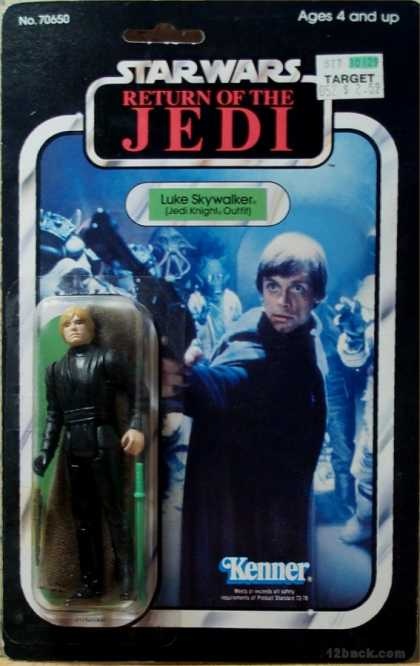
My two favourites: Luke in his Jedi robe (though I kept losing the lightsaber)…
leia return of the jedi

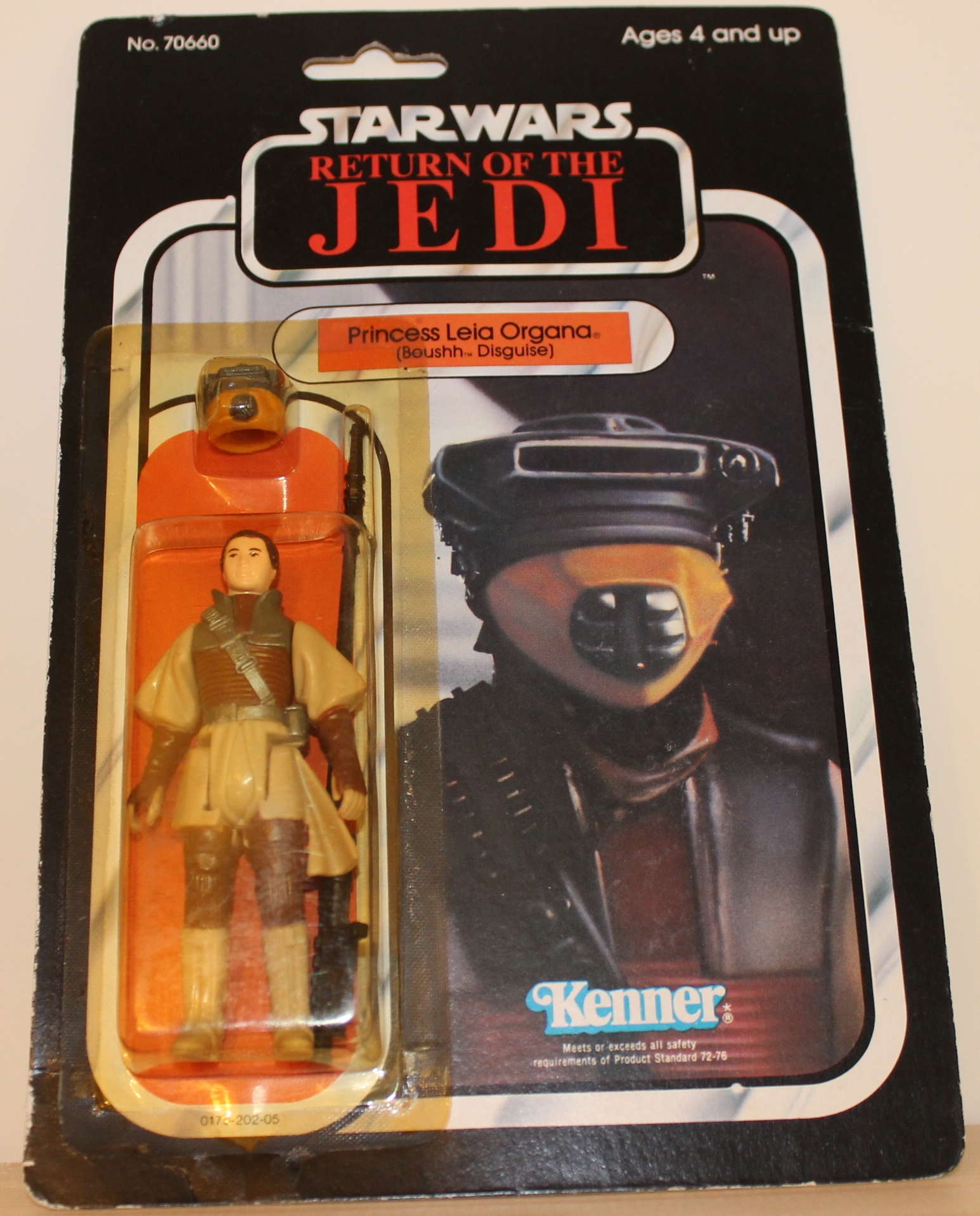
…and Leia as a bounty hunter (though I always was looking for that goddamn helmet too)!

The only negative was that I had to convince my parents to buy all those action figures and vehicles, but fortunately I was a very spoiled kid so I got more than my share (but sadly, not the amazing Imperial Shuttle, though I’m over the disappointment, I swear).  It helped that I was willing to do pretty much anything to “earn” more toys, whether it was mowing the lawn or painting the deck or saving my proofs of purchase from other toys so I could send away for the Emperor!

The prequels were a whole other matter.  I was so disappointed to see how boring Darth Vader’s backstory was on screen, as opposed to how awesome it had been in my head, having patched it together through whatever references were offered by the original trilogy.  And I don’t think it was the 16 year gap in between, since even in university I was perfectly happy to watch the original trilogy over and over (and I wasn’t alone, my roommates and I would often spend Saturday afternoons watching all three back-to-back-to-back).   Anyway, even though I was still am mad about the prequels’ wasted potential, I watched all three, even seeing the last one in theatres.

Which leads us to Star Wars: The Force Awakens.  Having really enjoyed J.J. Abrams’ Star Trek reboot, and since chronologically we could sort of forget the prequels ever happened, I have had high hopes for The Force Awakens ever since it was announced.  And Jay was nice enough to track down tickets even though she could not have been less excited to see it.

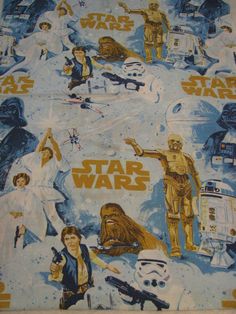
Jay: The only exposure I’ve had to Star Wars was a set of sheets I inherited from my cousin Tim, who’s a decade or more older than I am.
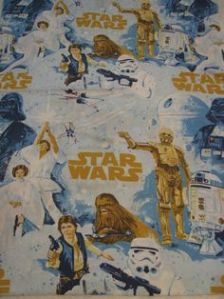
The infamous Star Wars sheets. I also had a flannel blanket but we buried my dead dog in it.

The infamous Star Wars sheets. I also had a flannel blanket but we buried my dead dog in it.

I guess he grew out of his single bed so I got his sheets, and spent a good deal of my youth sleeping with Harrison Ford. Plus, I exist in the world. I haven’t seen the movies, but I’ve seen plenty of stuff that references them, so I almost didn’t have to. I can never remember if C-3PO is the big gold robot or the little blue and white one, but I know it’s a robot. It’s just that the Star Wars universe never appealed to me. Science fiction will always have to work harder to convince me, and so will movies with talking animals, green aliens, and make-believe weapons.

So no, I hadn’t seen Star Wars, and I really didn’t care to. My life felt perfectly complete without it, and to be honest, I think 2015 is already way too inundated with movies that are meant for young boys but consumed by grown men (I’m looking at you, Marvel). But I could see that this movie meant something to Sean. It was a revival of his childhood, a tribute to his youthful imagination, and a chance for the franchise’s redemption after the last trilogy sullied things up. Kevin Smith said he cried when he visited the set of the Millennium Falcon because it reminded him of that feeling he’d had for it as a child. And how many times do we really get to recapture those magical feelings once we’re grown up? Not too damn many. It did nothing for me, I wasn’t even curious about it, but I resolved to be by Sean’s side when the portal to his boyhood opened up on the big screen before him.

And you know what? I didn’t hate it. I was enchanted by John Boyega’s Finn and the arc of his character. I had fun slotting together the puzzle pieces of Star Wars trivia I’ve picked up over the years (mostly from The Simpsons, I think) and seeing how they translated 30 years later. I was charmed by Harrison Ford’s rapport with the furry beast Chewbacca. And I felt the momentum of the piece really drove me forward and kept .facebook_1450656563309me interested despite the fact that I was jumping in blind for movie #7. So I was feeling pretty juiced about it, squeezed Sean’s hand during all the parts I thought he must be loving, and had plenty of follow up questions for our car ride home. But you know what? When the credits rolled and I looked over at Sean expecting to see rapture, he shrugged his shoulders. It was okay, he thought, but not great. Not even as good as Creed – not even as good as “The Avengers” he said – “Wait- there was an Avengers movie this year, right?” He couldn’t even remember if there was an Avengers movie this year, but if there was, it was better than this.

Ladies and gentlemen: Sean’s lacklustre response FUCKING BROKE MY HEART. Here I had drummed it up as this Big Fucking Deal and it’s not even going to crack his top ten this year.

Sean: I had no idea Jay was so invested in this, for my sake.   And she’s invested in everything I’m interested in, she’s amazing like that.  I liked Star Wars: The Force Awakens.  My complaints about it are minor and spoilery so I won’t get into them here, but it’s a solid movie and objectively I would rank it third out of the Star Wars movies, behind A New Hope and The Empire Strikes Back (yes, ahead of Return of the Jedi as a standalone movie).  That seemed like a ringing endorsement but Jay was expecting more and after reading her thoughts above, I understand why.

let's blow this thing and go home

“You’re all clear, kid. Now let’s blow this thing and go home.” BEST. SCENE. EVER.

This should have been my thing, it should have taken me back to my childhood, it should have sucked me in and made me talk about it for days, and it didn’t.  As a gateway/jumping on point for the next generation of fans/consumers, The Force Awakens works really well.  As fan service, it ticks all the boxes and I don’t think that anyone who anticipated like I did will leave the theatre disappointed, exactly.  But you know what?   This all felt like something I’ve seen before (twice) and I’ve seen it BETTER before (twice).  I’m not trying to be a contrarian asshole (just a regular asshole) when I say that if J.J. Abrams was shooting for greatness, he missed the mark here.  Paying tribute to the feelings I had as a kid is not enough to give me those feelings all over again.  And if you pay tribute by imitating something beloved, the fact the script includes ironic acknowledgements of the imitation does not help make the imitation great.  It only tells me that the imitation was a conscious decision and you went this way rather than coming up with something new.  That’s not reassuring to me in any way and it didn’t invoke nostalgia within your movie.  It just made me wish I was watching the original trilogy and that took me completely out of what was happening on-screen in yours.

second death star explodes

Not quite as epic but still awesome, and the afterparty made it a classic (original footage of the afterparty not found and there will be no Hayden Christensen cameo here).

Maybe it wouldn’t have been enough for The Force Awakens to take a new path.  Maybe my expectations were too high.  Because again, The Force Awakens is a good movie and I enjoyed the ride, but I couldn’t truly love it when it felt so much like a remake.  To quote Jimmy Johnson for the first (and hopefully last) time in my life, “Do you want to be safe and good, or do you want to take a chance and be great?”  The Force Awakens is safe and good, but it’s not the great movie I was hoping for, and that’s why I can’t put it in my top ten for the year.

I give Star Wars: The Force Awakens a score of seven Kessel Runs out of ten.  Seeing that score is as painful for me, Jay, as it is for you.

Jay: What the fuck’s a Kessel Run?

Sean: Oh Jay, we absolutely have to watch the original trilogy.  Something tells me I still hold all those magical feelings from my youth, but the path to them is through the greatness of Episodes IV, V and VI rather than trying to recapture those feelings through something “new”.  There will always be room for new Star Wars stories, but for me I don’t think the originals will ever be topped.

Jay: I think you of all people should be a little more open-minded about sequels. You are, after all, husband #2, and you’d better hope I don’t court warm fuzzy feelings toward “the husband of my youth.”

 

This Changes Everything

I have a confession to make. Lately, I’ve been sick of the Earth. Or at least sick of hearing about how we’re ruining it.

Before you judge, you should know that I make a monthly donation to a Save the Planet charity that shall remain nameless (because I’m about to talk shit about them). In fact, some guy from the organization called me last year and told me that my annual donation was in the 95th percentile of their donors, which now that I think about it can’t possibly be true. But they still want more. Not more money, believe it or not. They want my time. They want me to read their emails about whales, tar sands, and our old Prime Minister and how hell-bent he was on destroying the planet. They don’t even ask for more money. They just want to say hi and tell me how bad things are getting.

So I’m burnt out on the topic, I’ll admit it. And, apparently, so is Naomi this-changes-everythingKlein. Klein, narrator of This Changes Everything and author of the book on which it’s based, opens her climate change documentary with a confession much like mine. She doesn’t usually like documentaries about climate change. She can’t bring herself to care much about polar bears and she feels she’s heard it all before. “Is it possible to be bored with the end of the world?” she asks.

It’s the perfect setup for yet another climate change documentary. I literally AM bored with the end of the world and, if this is going to be the climate change documentary for people that are, then I’m keeping an open mind. Although skeptical at first, I was surprised to find myself thinking, “Okay, I’m with you so far”.

So, for 89 minutes, I decided to set aside my boredom with the end of the world and just let myself relax and be bored by this movie instead. Klein’s thesis, that global warming isn’t about polar bears or statistics but a story that we’ve been telling ourselves for four centuries, makes sense to me. For the last four hundred years (although, in fairness, I’m only willing to accept any personal responsibility for the last thirty), we have stopped seeing nature as something to be respected and revered and started seeing it as something to be conquered and manipulated for our own ends.

this changes everything 2While I admire her for reframing the problem of climate change as a story that we keep telling ourselves, Klein and director Avi Lewis lose some points for telling us the same story over and over. This Changes Everything is structured in five short segments that take us to Canada, the United States, Greece, India, and China, documenting the consequences of corporations’ attemtps to conquer nature and the concerned citizens who are actively trying to make a change. Because Klein seems to be making the same point with each segment, the impact of these stories diminishes with each new chapter.

All kidding aside about how I’m kind of bored with the end of the world, we are without question killing this beautiful planet that we are so lucky to have found ourselves on. I finally got to see The Martian last night and it only reconfirmed my feeling that of all the planets in our solar system, we got the best one. Climate change IS very sad, even if I too often feel numb to it. If corporations are allowed to keep doing what they’re doing, disaster is inevitable and, if you doubt it, I’d recommend this movie or Klein’s book or, better yet, I’ve got lots of informational emails from charities that I’d be all too happy to get off my hands. But if you’re already part of the choir, maybe it’s okay sometimes to get tired of listening to the preacher.

Band of Robbers

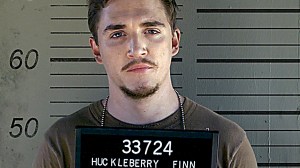
Some things never change? Huckleberry Finn and Tom Sawyer are childhood friends, scamps, hunting for buried treasure. They get into trouble. Huck gets caught, repeatedly, and winds up in prison. He doesn’t rat on his friend though, his partner in crime, so Tom keeps out and becomes a cop. Upon Huck’s release, Tom is only too happy to recruit him maxresdefaultinto his Band of Robbers, where they can make “bad guys pay” and get a heck of a pay day for themselves.
Not exactly the Twain you remember? The directors describe it more as “fan fiction” and no, it doesn’t quite hit the high mark they’ve aimed at, but there’s fun to be had in the trying. The script is uneven but there are enough little giggle-nuggets along the way to sustain you. The movie doesn’t quite keep to its original momentum, but I have to admit, I wanted to find out how it would play out.

Adam and Aaron Nee both wrote and directed this thing but only Adam stars – as Tom. The first half of the film is coated thickly in their love for the source material and fans of Mark Twain will be rewarded with winks and nods aplenty. But someone less familiar will still find plenty to enjoy in this little indie caper. The Nee brothers are sometimes lumped into the Mumblecore movement often attributed to that other famous pair of sibling filmmakers (The Duplass brothers), but some would argue the cinematography in their films alone elevate them beyond such distinction.

No matter how you slice it, it seems pretty clear that this is a talented duo on the rise. Discover them now.

SPECTRE

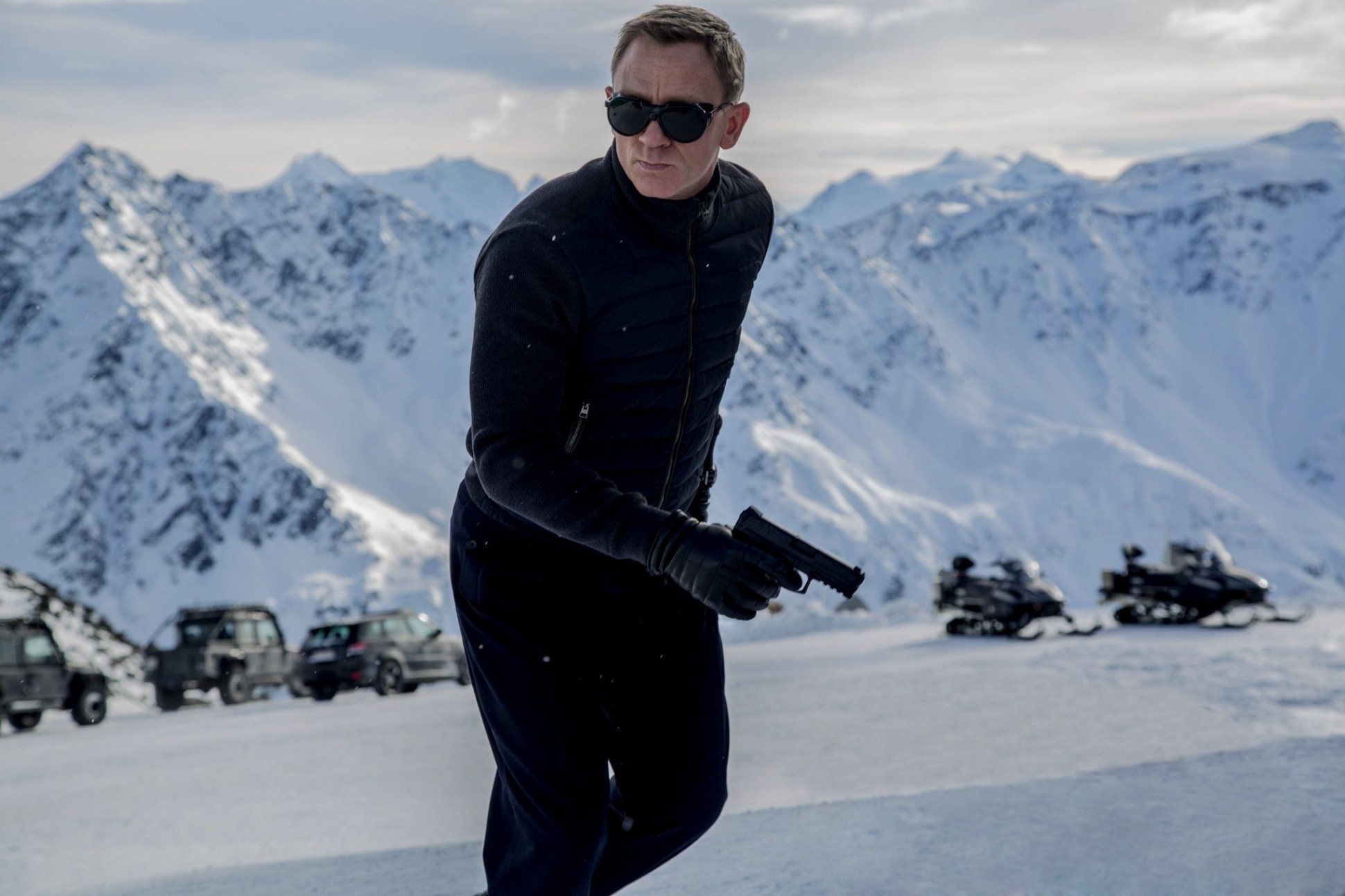
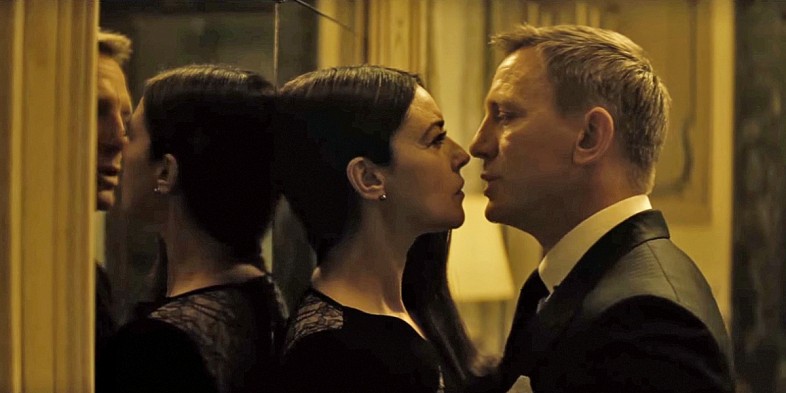
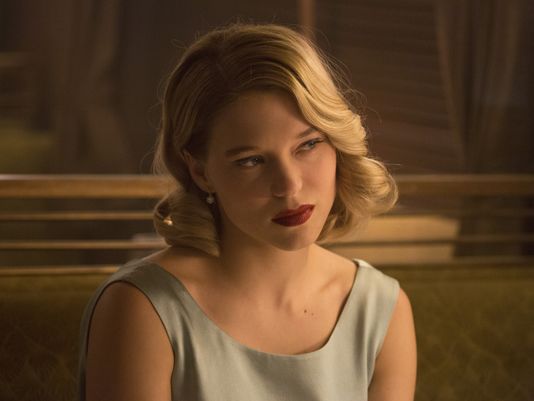
SPECTRE is, without a doubt, the dullest, most phoned-in Bond movie since Daniel Craig took over the part in 2006’s Casino Royale.

How bad SPECTRE, the 24th in the series, really is is a matter of personal taste. Personally, I will SPECTRE 3always prefer the tone of the Craig films – even the worst (Quantum of Solace, SPECTRE) of them – to even the best of the campy Roger Moore pictures or the silly Pierce Brosnan outings. Given my admitted preference for a rougher and angrier 007, I am still submitting SPECTRE as one of the better (well, Top 10) entries in the franchise.

My expectations going in were high. First of all, I had been dying to order a 007 martini at Cineplex’s VIP Experience ever since it opened earlier this year and had been saving it for this movie. “Oh, that’s the perfect drink for this movie,” my waitress informed me, as if my ordering it had been a coincidence. More importantly though, my eager anticipation of SPECTRE reached new heights once its title had been released.

SPECTRE had always been my favourite part of the old Sean Connery classics and I couldn’t wait to see what the 21st century reboot would look like. Back in the 60s, the organization known as SPECTRE would always be trying to trick two superpowers into going to war with each other. And MI-6, Bond included, would always fall for it for the first half of the movie until the inevitable revelation that would invariably lead to what I consider to be one of the most iconic 007 lines “Of course. SHHHPECTA”.

SPECTRE 2Because SPECTRE reimagines Bond’s first dust-up with the nefarious organization, I probably should have known that I would not be hearing my favourite line. Which isn’t to say that the latest 21st century Bond film isn’t without its share of silliness. With the success of Casino Royale and Skyfall, the creative team seem more confident than ever and allow themselves licnese to have some fun with the material that Craig’s earlier and darker installments would have never allowed. SPECTRE is a return to Bond’s glory days, featuring exploding watches, secret societies, elaborate torture devices, and unkillable villains.

It’s mostly fun to watch. Craig’s performance, continuing to redefine Bond’s signature charm as SPECTREa brave face against deep psychological scars, balances the less restrained elements nicely, making it easier to just sit back and enjoy the insanity without rolling our eyes as much. Bond’s close-quarters fight with the indestructable Hinx (played as the strong silent type by David Badista) aboard a train is particularly reminiscent of the best Bond brawls from the Connery and Moore days and was a definite highlight for me.

Unfortunately, director Sam Mendes and company have also taken Skyfall’s success as license to rest on their laurels a bit. The chases too often feel uninspired and familiar, even from – as Jay pointed out – earlier in the movie. Other scenes resort too often to a kind of melodrama that Craig’s earlier films were mostly successful at avoiding.

Still, SPECTRE looks great and is well-cast (although Christoph Waltz isn’t nearly compelling as a Bond villain as Mads Mikkelsen or Javier Bardem were) so is only disappointing when compared with Bond’s best missions.

And the martini was worth the wait.

Experimenter

As you may have noticed, we recently caught The Stanford Prison Experiment in a Bytowne double-bill.  As you also may have noticed, we are at the New Hampshire Film Festival this weekend taking in a ton of films and discovering we may not be festival-ed out yet!  It helps that the NHFF, in its 15 year, is a complete change of pace from the frenzied, big city, line-up centric, atmosphere of TIFF.  Here, you show up ten minutes before each movie and walk right in, and the program/map included with your pass (which I’ve looked at about a thousand times already) makes clear that at most it will be an eight minute walk between theatres, and so far we haven’t even had to go that far to catch four movies yesterday.

One of those four movies was Experimenter, which tells the story of Stanley Milgram, who will be familiar to anyone who has taken a post-secondary science course or two.  Dr. Milgram was the genius behind the obedience experiment.  To refresh your memory, or bring you up to speed, the experiment on its face purported to test the effect of negative reinforcement on learning.  Two subjects came in together, with one being randomly assigned the role of teacher and the other being the student.  Put in adjacent rooms, the teacher spoke through a one-way microphone and gave multiple choice questions to the student, who then got an electric shock for every wrong answer, with the strength of the shock increasing every time.  To give the teacher a taste of the effect, the lowest-level shock (of 45V) was given to the teacher before the test began.  Every teacher thought even that low-level shock was painful.  Throughout the test, the teachers could hear the student through the wall, howling in pain and begging to stop.  Though all teachers were visibly uncomfortable with the students’ anguish, 65% of them proceeded all the way through the test, with the last shock being administered to an unresponsive student (as a lack of response was considered a wrong response).  The teachers were never forced to administer a shock though they were told it was a necessary part of the experiment and asked to keep going.  And they did, even though the last shock was 450V!

Then the curtain was pulled back.  This was not a test of the student, it was a test of the teacher.  The student was always the same person, i.e., one of the experimenters.  He was not being shocked but instead had been recorded making anguished noises. The experiment was designed to examine why humans are so willing to give in to authority, as demonstrated particularly by the Holocaust.

It was a controversial study at the time and still remains so to this day.  For me, I think it’s fascinating and necessary.  The deception has to happen in order to get past the natural instinct that we all have, namely that if we were put in that scenario we would not shock the person.  But over and over this experiment and its successors have proven that more than half of us are lying to ourselves.

Experimenter is worth seeing for that experiment alone.  It’s a brilliant illustration of our latent defects and brings to light the evil even “good” (/normal) people are capable of, and what we need to fight against when we are subjected to authority, in order to keep our humanity.  That experiment is rightly where Experimenter puts its focus, but unlike The Stanford Prison Experiment, Experimenter looks at a lot of Dr. Milgram’s other work, which was equally brilliant (Six Degrees of Separation!).  That extra material was welcome to me but it’s just a taste of it, as there simply isn’t enough time to give the other experiments much attention.  Still, I think their inclusion was a good choice in order to show us Dr. Milgram was not a one hit wonder, and also give us a sense of the extent to which the obedience experiment monopolized Dr. Milgram’s professional and personal life despite his best efforts to move on.

I had some issues with the manner in which this story is delivered to us, though.  There are quite a few uneven parts of Experimenter, and some distracting choices made here in bringing the story to screen.  Two items stood out the most to me.

First, Dr. Milgrom speaks directly to us, which I think sped up the delivery of a lot of material to us but took me out of the cinematic experience and turned me into a student rather than a moviegoer.  Perhaps that was the intention but I think it detracted from the experience for me.

Second, there are several scenes with roughed-in backgrounds that clash directly with our foreground characters (e.g., a visit to a mentor’s house where our protagonists sit on furniture that has inexplicably been placed in front of a black and white 2D living room backdrop).  I could not figure out why this was happening during the movie and trying to figure out the reason distracted me throughout the movie (and that was not the only scene that had me thinking similar thoughts).  Afterward, Jay mentioned that maybe it was roughed in for the time being with the intention of being replaced, and I hope that is the case.

Despite those minor issues, this movie is so worthwhile.  I think you will find it fascinating and it does a great job of capturing the effect of the obedience experiment on everyone that it touched, whether directly or indirectly. and as a bonus gives us a bit of insight into a brilliant scientist who opened our eyes to a truth that is hard to for us accept, but an integral part of our nature that we need to know about in order to resist.

I give the Experimenter seven dangerous shocks out of ten.

TIFF 2015: Spotlight

spotlight

My Asshole compadres and I were enthusiastically discussing and comparing notes on all the wonderful films we’ve seen at TIFF over guacamole and cocktails when I raised the question of how difficult it can be to stay objective through TIFF-coloured glasses.

TIFF is exciting. I’d forgotten how exciting. The red carpets, the thrill of seeing eagerly anticipated movies before anyone else, and the frequent false alarm celebrity sightings (I could have sworn I saw Hillary Clinton last weekend outside TIFF Bell Lightbox but began to doubt myself when I heard her speak with a Ukranian accent) all make for as thrilling a trip to the cinema as you can get. Separating the quality of the film itself from the experience has been- I’m not going to lie- a challenge.

The anticipation I feel going into a TIFF screening and the focus I keep at all times at what’s happening onstage and onscreen made it particularly surprising that the couple sitting next to me at Monday’s international premiere of Spotlight, the true story of sexual abuse at the hands of Catholic priests, were making out through the beginning of the movie. That’s a TIFF first for me.

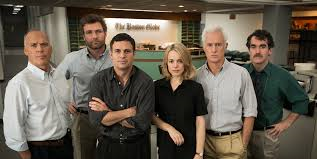
So you’ll excuse me- I hope- if I was a little distracted for a little while at the beginning. Luckily, the urgency of Spotlight soon caught even my neighbors’ attention and we could all sit back and enjoy the show. Well, maybe “enjoy” is the wrong word. Mark Ruffalo, Rachel McAdams, and Michael Keaton play real-life Boston Globe journalists who exposed the Catholic Church’s cover-up of sexual abuse at the hands of approximately 90 local priests. It’s not always an easy movie to watch. The interview scenes where survivors disclose the details of the abuse are harrowing and stomach-turning and the extent of the corruption on the part of the Church and so many others who turned a blind eye is infuriating.

Last week, I named All the President’s Men, The Insider, and Zodiac as my three favourite films about journalism. All three are based on real journalists and maintain suspense throughout while mostly avoiding melodrama. Spotlight works for many of the same reasons as those films did but doesn’t quite measure up to my favourites. It’s not always as tightly written as those  films and even drags a little in the middle but Keaton- who can’t seem to believe his luck getting great parts two years in a row– gives a passionate performance that always keeps things moving. He may get his second shot at Oscar with this film.

TIFF 2015: Freeheld

freeheld

I was moved- and pissed off- by Freeheld, as I’m sure director Peter Sollett and screenwriter Ron Nyswaner intended and I can only imagine what it must have been like to attend the premiere the night before.

Freeheld tells the true story of veteran police officer Laurel Hester’s battle for the right to pass on her pension benefits to Stacie Andree, her same-sex partner, when she’s diagnosed with lung cancer. Justice doesn’t come easy. Some cops have a big problem with a domestic partner having the same benefits as their wives do and those that don’t are too afraid to speak up. Some freeholders, despite having the legal right to honour her request, refuse on the grounds of their own religious beliefs.

This movie made me mad. “God will be mad” as an excuse for withholding from others what is rightfully theirs, has been getting old for a long time. How gay marraige affects straight people in any way is something I will never understand. Still, the right finds ways to insist that their own rights are being violated. So, yes, I rooted very strongly for these characters and against those who stood in their way and I could tell that Monday’s TIFF audience did too.

Freeheld succeeds admirably as a piece of Preaching to the Choir, even if not necessarily as a piece of cinema. Nyswaner’s script seems carefully designed to beg for as many Oscars as possible, with almost every character being given their Big Speech Oscar moment.

He pretty much gets away with it too. Julianne Moore, Ellen Page, Michael Shannon, and Steve Carell elevate the lazy writing, nail their speeches, and each bring something special and unique the the project. The outstanding acting and undeniably interesting and important story go a long way in saving this otherwise conventional drama.