
In 1840s England, acclaimed but overlooked (translation: female) fossil hunter Mary Anning (Kate Winslet) reluctantly agrees to act as a caregiver to Charlotte (Saoirse Ronan), the sickly wife of a wealthy man, prescribed a convalescence by the sea.
Every morning, Mary prowls the beach by her home in Lyme Regis, a town in West Dorset, searching for and carefully unearthing fossils. She dons rough clothes and men’s boots and has permanently roughened knuckles and a rime of clay under her torn fingernails. It is unusual work for a woman; Mary is an unusual woman. She is not exactly pleased when Charlotte joins her on the beach. Charlotte’s health is as dainty as the heels on her boots, her frills and lace a liability, her bonnet as prim as the purse of her lips. No one is more aware of the difference between their class and social status as Mary is, but Charlotte’s ill health and Mary’s careful caregiving put them on more equal footing. At one moment they’re peeling vegetables side by side, the next they’re having frantic sex.

It sounds as abrupt as it felt. Touted as a period lesbian romance, there isn’t actually a whole lot of romance to the affair. The two women are chronically lonely. Charlotte’s primary ailment is probably grief, and unhappiness, while Mary is burdened by a simmering anger. There isn’t a lot of chemistry between the two, nor any passion outside quick (and quiet -mom’s down the hall) trysts in the bedroom. There isn’t a flirtation or a sweeping exchange of intimate secrets. There is toil, there is the unyielding sound of crashing waves, there is a muddy crust at the hems of their skirts.
Of course, in the 1840s, there is no happily ever after for a couple of “opposites attract” lesbians. Charlotte has her grief to get back to, not to mention a husband. Mary has her work, her resentment, her private anguish. Their brief love affair will have certainly changed them, but at what cost?
Writer-director Francis Lee sets his movie against a backdrop as bleak and as muted as the fine performances by Winslet and Ronan, both at the very top of their game. Their brief connection has no bearing on the unrelenting sea, and no comparison to the 195 million year old bones buried in the cliffs. Theirs is the briefest of blips, inconsequential in the face of the endless ocean. Lee tends to introduce the landscape as the third character in his love stories. His style is sparse but tactile, the environment more alive than even the love between Mary and Charlotte.
And of course the ubiquitous ammonite, a particular fossil of extinct cephalopods found in marine rocks. They are so abundant Mary polishes them and sells them to tourists; the shelves of her modest curio shop overflow with them, Lee finding the metaphor quite irresistible. What is a fossil but an organism that has become petrified over time? Mary was perhaps once a vibrant and content organism but life has hardened her, leaving behind only the impression of someone who once lived – really lived. She is briefly reanimated with Charlotte, but a fossil is also something resistant to change, and Mary is nothing if not set in her ways.
Ammonite has much to admire but far less to actually like. With so little to hold on to, it was hard to be invested in such a thin relationship. With no burning passion to sweep us away, I felt oppressed by the heavy skirts, the lack of privacy, the ceaseless work and the grime. It is a long, slow slog with so little reward that even Winslet’s ferocious work doesn’t seem worth it.
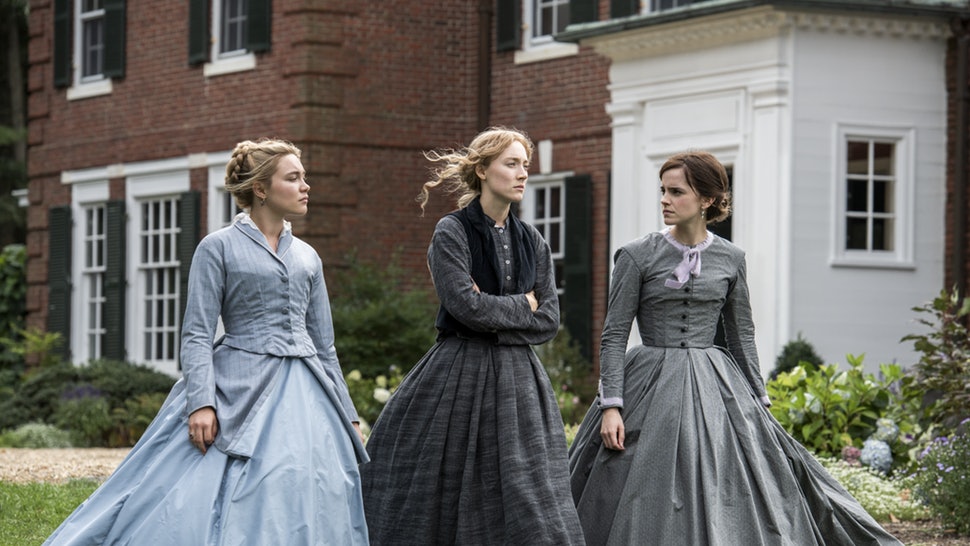
 Elizabeth I (Margot Robbie) and Mary (Saoirse Ronan) are not that different. Elizabeth is said to have ruled by “good counsel,” relying on trusted advisors. History depicts her as moderate, cautious, and perhaps indecisive. Mary, on the other hand, was more forward, and clever, not that that stopped her own regents of plotting against her. She pushed Elizabeth to name her England’s heir presumptive. Elizabeth retaliated by proposing her trusted childhood friend as Mary’s next husband; Elizabeth felt she would be able to control him. Mary was too savvy to refuse outright but the relationship came to nothing.
 they have a history! Their courtship was often influenced (often negatively) by their pasts, by their families, by what they know and what they don’t. Sound familiar? That’s probably because it’s true of absolutely every human who has ever lived. So how did this movie get made?
 TV show that looks and sounds a lot like Clueless. It’s about the very coolest of high school students, and stars adults who don’t quite pull off their roles. Among them – Stacey Dash, a crazy lady who was 28 when she played Dionne in Clueless and 40 when she reprised the role of too cool for school adolescent in this film. Paul Rudd, only a couple of years younger, turns up in this one too, playing a teenager on set and the role of younger suitor to Rosie, who is mortified. And, of course, flattered, and maybe interested.
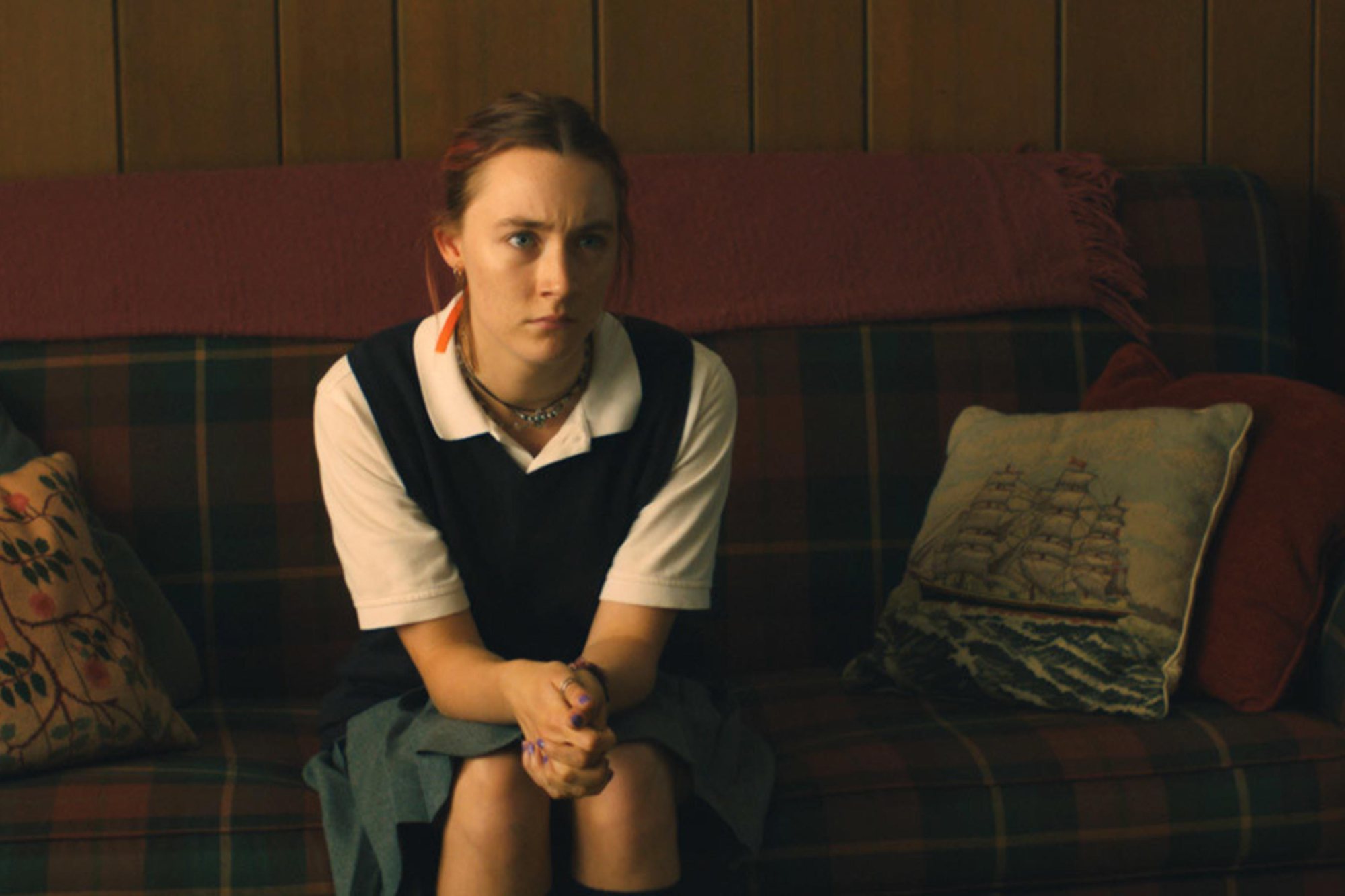 In making a coming of age film about a high school student, Greta Gerwig has come into her own – as a writer, as a director, as a woman with a voice.
 written, was returned, so the post master sends his son to deliver it. The post master is fully aware of the special relationship between Vincent and his brother, Theo, and is adamant the letter be placed in his hands, or in the hands of the doctor who cared for him in the last months of his life.


![Main Quad_AW_[26611] Grand Budapest](https://assholeswatchingmovies.com/wp-content/uploads/2014/12/characters.jpg)
 ASSHOLES WATCHING MOVIES