
Few things are more ubiquitous than a group of old men chatting about life in a local barbershop. Cornered in Molenbeek starts innocently enough as it drops us, seemingly randomly, into one of those barbershops. Sure, the customers are speaking Arabic, but they are also speaking about things that I might talk about with my barber (sorry, stylist).
The shop closes for the day and then, in an instant, everything changes. News breaks of a terrorist attack on Paris. It’s November 13, 2015 and when the  dust settles, 130 people are dead and 413 more are injured in a series of coordinated attacks at a number of locations throughout the city. The investigation quickly determines that the attackers are from Molenbeek, Brussels, the very neighbourhood where this barbershop is located. Of course, the attack becomes the main topic of conversation here, just like it was everywhere else.
Not surprisingly, this barbershop collective has no real answers as to what made the attackers do what they did. Because guess what? I have no real answers either. The lack of answers here is revealing, though, particularly as the collective’s attempt to find an explanation weaves through a wide variety of possible causes, often looking for someone or something to blame, such as government, poverty, and the attackers themselves, with one notable exception: these people do not try to place blame Muslims as a group for these attacks, because they are Muslims themselves. Contrary to the torrent of right-wing nationalist propaganda that is so often shouted at me online by a host of faceless idiots (oh, and also by the President of the United States), this group of Muslim acquaintances in this barbershop are just as innocent, just as angry and just as confused about the attacks as the rest of the world, and maybe more so because their religious and geographical association with the attackers draws them personally into the aftermath, exposing them to significant consequences that most people don’t have to worry about.
The phenomenon of terrorism is worthy of examination, and it was a refreshing approach to do so through the familiar lens of this barbershop, which otherwise would be functionally closed to me as a uni-lingual white Canadian (Arabic and French are the only two languages being used in these conversations). The film’s structure serves to enhance the fly-on-the-wall feeling by letting us experience the barbershop’s normal environment before the attack happens. The stark contrast in what is being discussed before the attack as opposed to afterward clearly shows that these types of attacks affect everyone regardless of their religion or native language, and really, we all need to be involved in this discussion on terrorism in order to stop it. Cornered in Molenbeek does its part to start the conversation, and it’s up to us to keep it going.
 Cameron Yates focuses on the unusual relationship between mother and son. Meg McGarry allowed her son to drop out of school to focus on his passion. Now, nearing 16, he’s ready to move away to pursue his career. As a mother, we see helicoptering, permissiveness, indulgence, and an incredible amount of creative nurturing. But we also find a woman who has lost herself in her son’s shadow. Pursuant of her son’s great passions, she’s forgotten hers, and now that he’s ready to leave her behind, what will become of her?
 little…sticky. And perhaps in the days before a serious surgery, The Hollars could use a little less hollering and a lot more making amends.
 based on conspicuous consumption. She held jobs that real life women were still dreaming about. She wasn’t saddled with kids. She drove her own car and owned her own home, independently, without the help of Ken, who was little more than another accessory. But no matter how many astronaut Barbies existed, she was still tall, blonde, blue-eyed, thin, with impossible, top-heavy measurements. Sleepover Barbie came with a scale permanently stuck at 110lbs and a diet book that simply said “Don’t eat.” Needless to say, real-life feminists could never quite embrace her, even as their own daughters flocked to toy stores to buy her up.
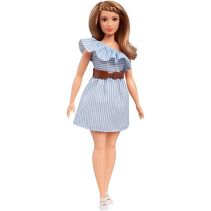 including tall, petite, and curvy. Curvy Barbie has a thicker waist and no thigh gap. It seems like a no-brainer now, but for the people working at Mattel, it was ulcer-inducing times. Would feminists finally be appeased? Would they be derided for waiting too long? Would children embrace a “fat” Barbie, one that didn’t fit into the outfits they might already own? They were anxious to steer the narrative but were wise enough to know that social media would own them – and that a Time cover story would largely dictate her early adoption or lack thereof.
 documentary. It was hard not to have a knee-jerk reaction to this thing that felt wrong, felt maybe even racist, though we couldn’t quite articulate why, other than the fact that it necessarily deals in stereotypes. But on paper, it’s harder not to see her point. And in practice, it’s impossible not to feel compassion for her children who are being punished for the sins of their mother.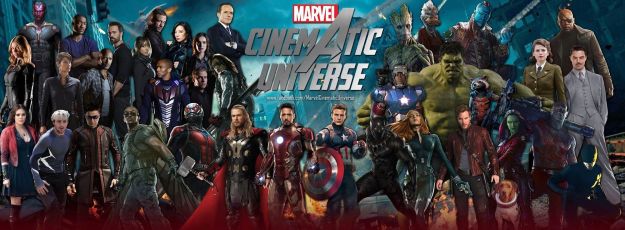
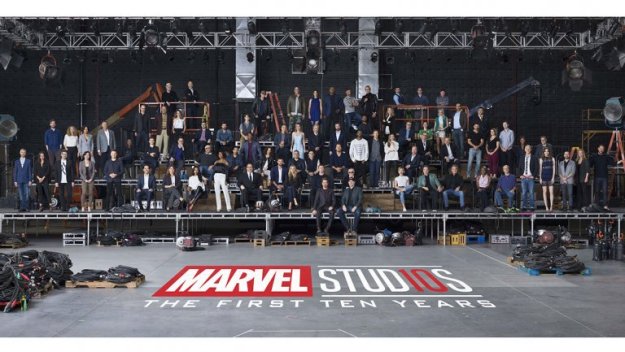
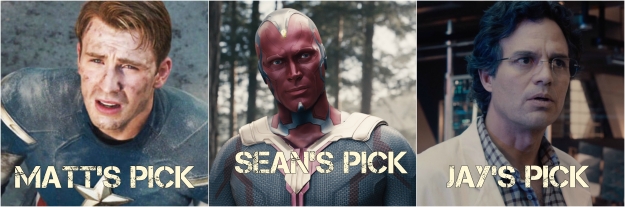
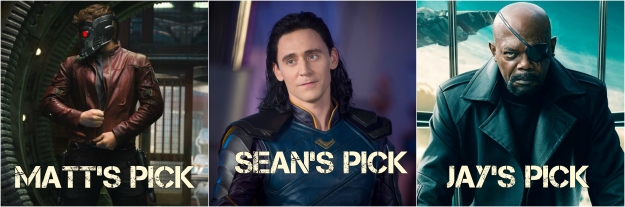
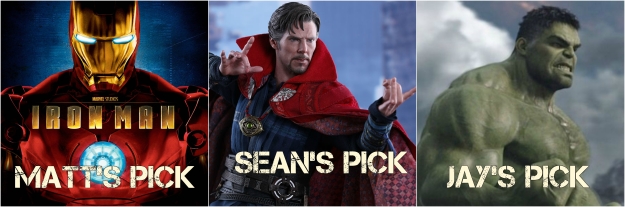
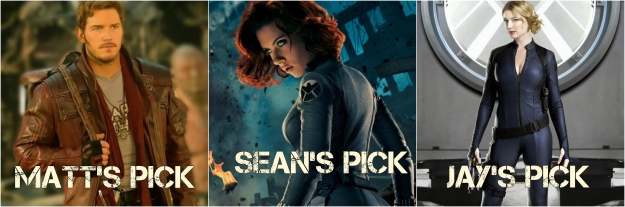
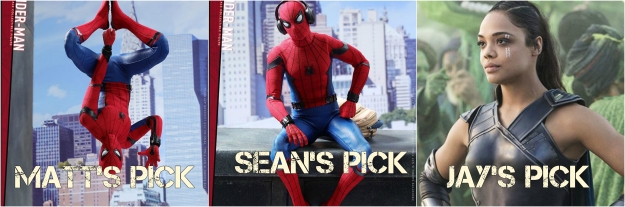
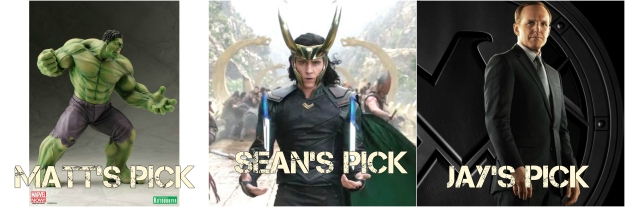
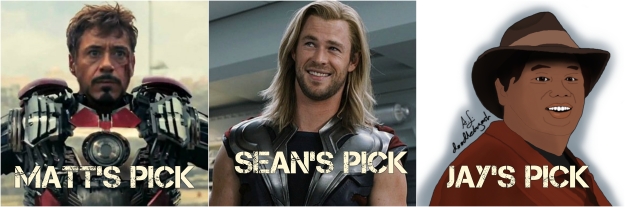
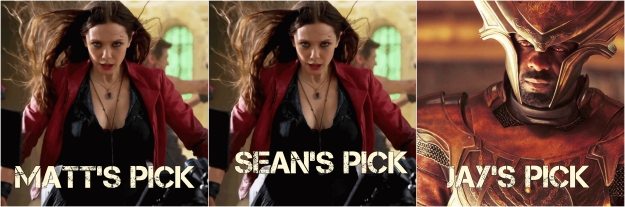
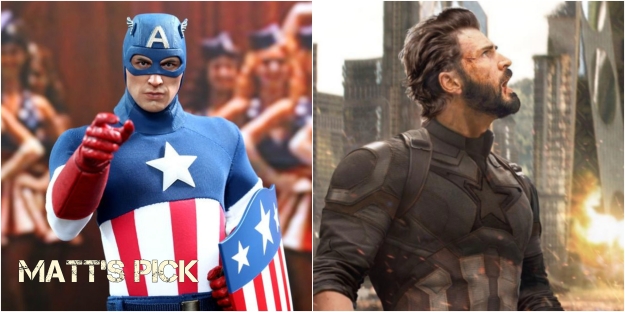
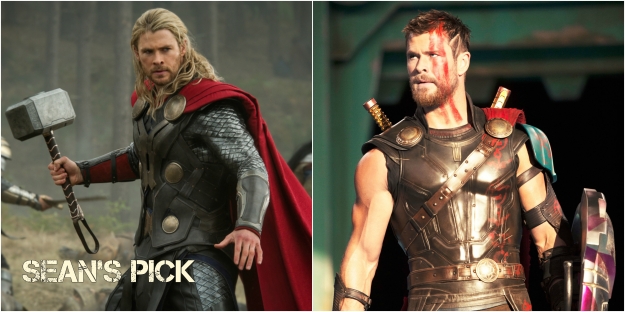
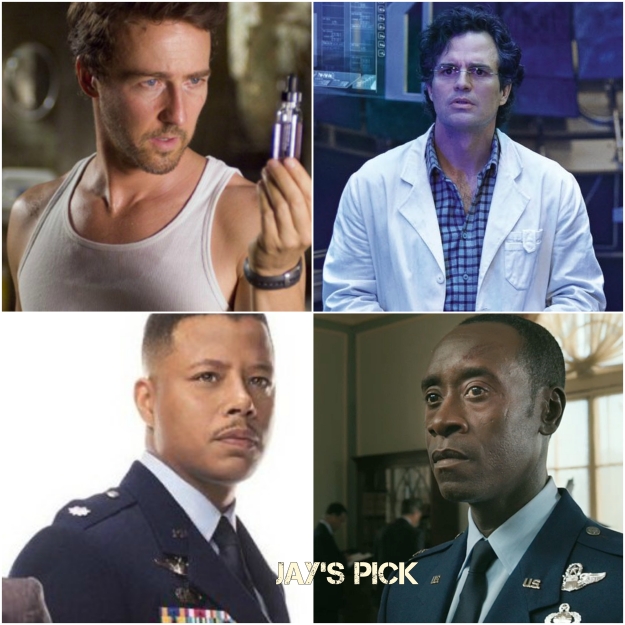
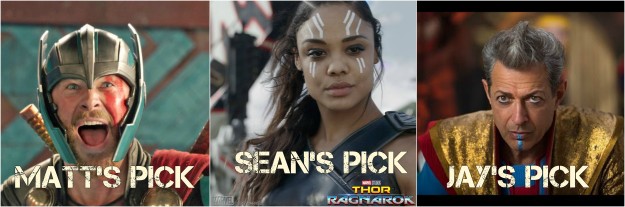 Hey, we all picked from the same movie!
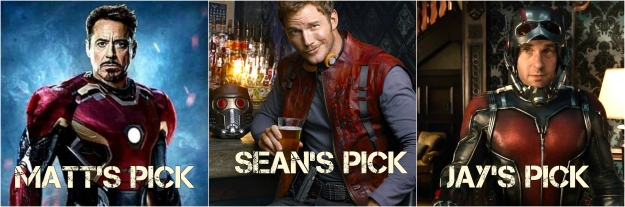
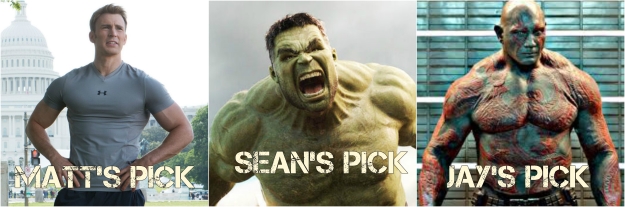

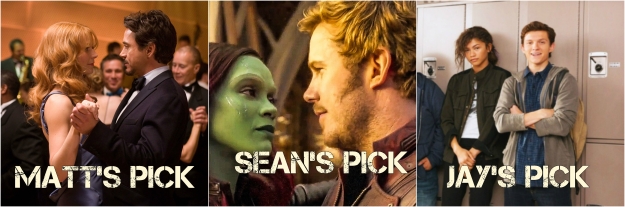















 school. Apparently debate is now mostly loud, fast shouting. Like auctioneer fast. The arguments are spit out in such a high-speed string that they are not even distinguishable. So it’s really not all that fun to watch. As in, not remotely fun, so I wonder if the director just invented the fast pace in order to basically fast forward the most boring parts of his movie. Which is not exactly a vote of confidence, is it?
 money in order to assemble the biggest nuts in your family just to see which ones will crack under the pressure. And oh my god they crack in such spectacular fashion. I bet your own wedding was not without disaster: tell us about it in the comments! But every wedding has its own brand of chaos, and with Sandler co-penning the script, you know you’re in for some moans and groans, if perhaps not of particularly imaginative variety.
 Assholes Assemble!
 ASSHOLES WATCHING MOVIES