
Richard Linklater managed to get his hands on best-selling source material (the book, by Maria Semple, spent a year on the New York Times bestseller list) and systematically removed everything that was good and charming and unique about the novel to produce a bland and facile piece of film.
In the book, Bernadette is a reclusive but loving mother who suddenly disappears. Her husband and daughter believe her to be dead. Her teenage daughter Bee more or less narrates the story, mostly told through uncovered documents of her mother’s, piecing together her mother’s life, and discovering hidden depths and wells of sorrow. In the film, Bernadette’s whereabouts are never in question – we witness her escape and follow her on her adventure and see things through her eyes. You can hardly blame Linklater for this transition; with Cate Blanchett in the role, it would feel almost sacrilegious not to. But it does change the nature and structure of the story significantly, not to mention negates the mystery completely.

But that’s hardly the film’s only problem. I mean, the characters are just not likable. Bernadette, of course, is not meant to be likable – she has retreated from society, she burned out on humanity and doesn’t suffer fools, or many non-fools either. But her husband (Billy Crudup) is a workaholic, disloyal asshole. Her neighbour (Kristen Wiig) is an entitled twat. Her assistant is a scam artist. His assistant is a homewrecker and a gossip. Their therapist (Judy Greer) is an unprofessional over-stepper. It’s an unrelenting parade of unappealing characters, the only bright spot daughter Bee (Emma Nelson) and we’ve already discussed how Linklater chose to shine the spotlight elsewhere. Oof. But only a few of these characters are without sympathy. Mostly the problem is that Linklater never takes a stance. His indecision is stamped all over this movie. He clearly wasn’t up to making the book spark on screen so he neutered it, shot it very conventionally, and then acted surprised when no one was overly impressed by his mess.
Where’d You Go, Bernadette is actually about what happens to a creative genius when she stops creating. That’s the core theme in the book: Bernadette lost her creative outlet and just started wilting. But in the movie, she just comes off as a crazy lady who has a mental breakdown and then flees to Antarctica on some hair-brained mission. And her husband makes so many poor decisions you just wish someone would throw him overboard and give the narwhals a hearty lunch.
The only thing that remotely saves the movie is Cate Blanchett, who is luminous and quirky and vibrant, doing much of the heavy lifting that realistically, both Linklater and a solid script should have done for her (and frankly, for us). She is a delight to watch but you never shake the feeling that this film should be so much more than it is – and that’s true even if you haven’t read the book and you aren’t watching it next to me, a person who is loudly bemoaning the very substandard adaptation. Where’d You Go, Bernadette is sadly lost in translation.
 riding Vikings that live in the island village of Berk, and that’s where things get interesting.
 resolves to flee in the middle of the night, he finds the house to be very uncooperative. Turns out uncle Jonathan and Mrs. Zimmerman are a couple of witches, and the house is indeed haunted by the previous owner, himself a warlock, or at least haunted by the clock that he left in its walls. Every night, Jonathan searches the walls for the clock that’s driving him nuts, but so far no luck.
 everything they see and touch and feel, and are surprised not be welcomed with open arms whenever they attempt to colonize new lands. The jungle was never meant for humans, and almost everything about the jungle makes that abundantly clear. Anyway, the dead humans leave behind a baby, Mowgli, who is accepted by and raised by a literal pack of wolves. Mowgli is mentored by a black panther named Bagheera (Christian Bale), and a bear named Baloo (Andy Serkis). They try to teach him the ways of the jungle, but they also know the strange animal called man is edging in on their territory, and it can only be an asset to have one of them among them.
 partner Lou (Cate Blanchett) who doesn’t need much convincing. The plan is not to rob the museum, but to rob the neck of famous actress and red carpet savant Daphne (Anne Hathaway) of the 6lbs\$150 million dollars worth of diamonds that will be hanging there ever so tantalizingly. Who could resist? Debbie and Lou assemble a crack team including a jeweler (Mindy Kaling), a hacker (Rihanna), a soccer mom fence (Sarah Paulson), and a master of the sleight of hand (Awkwafina) to pull off the ultimate crime.

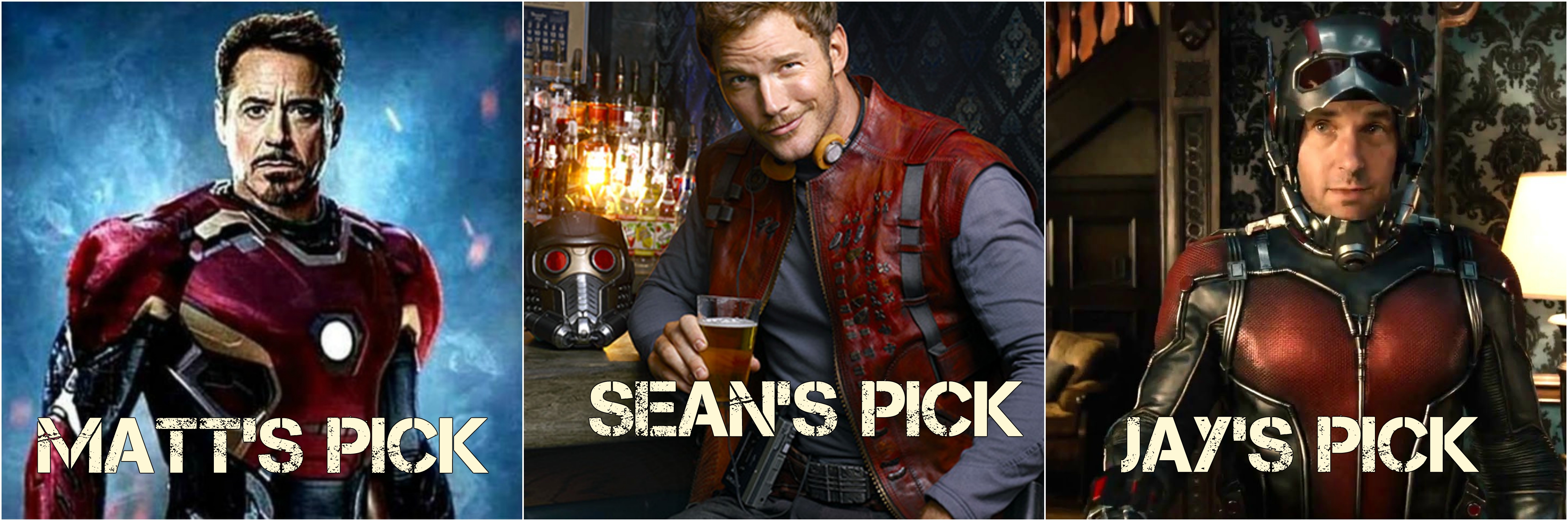
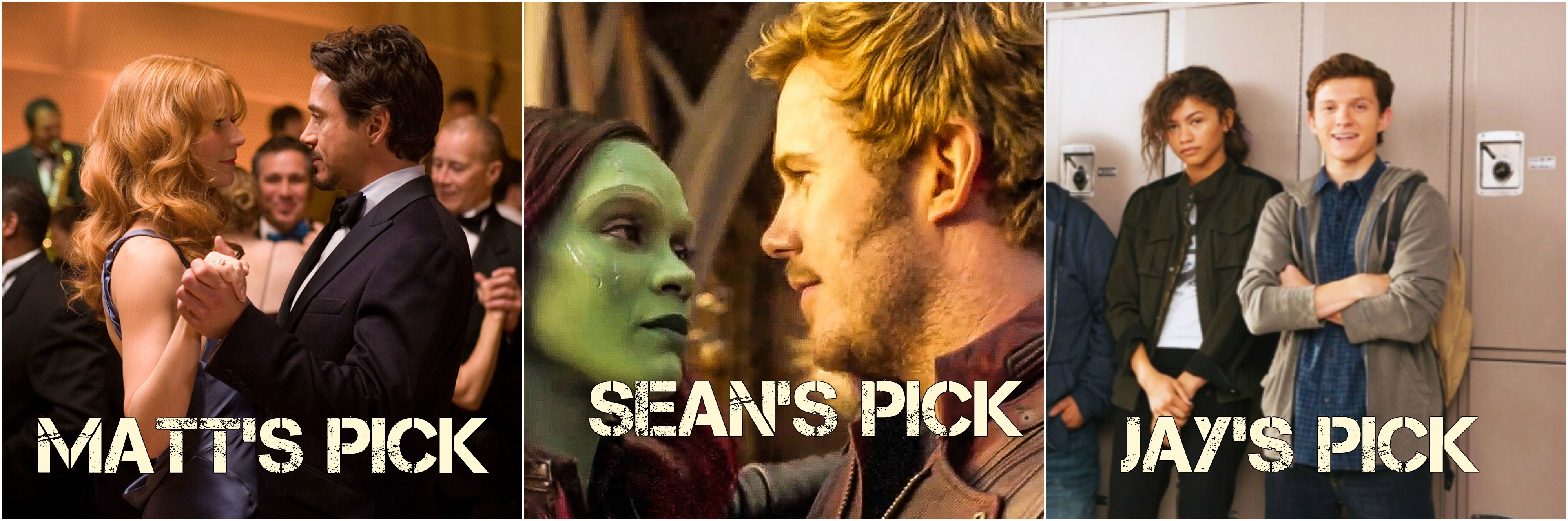
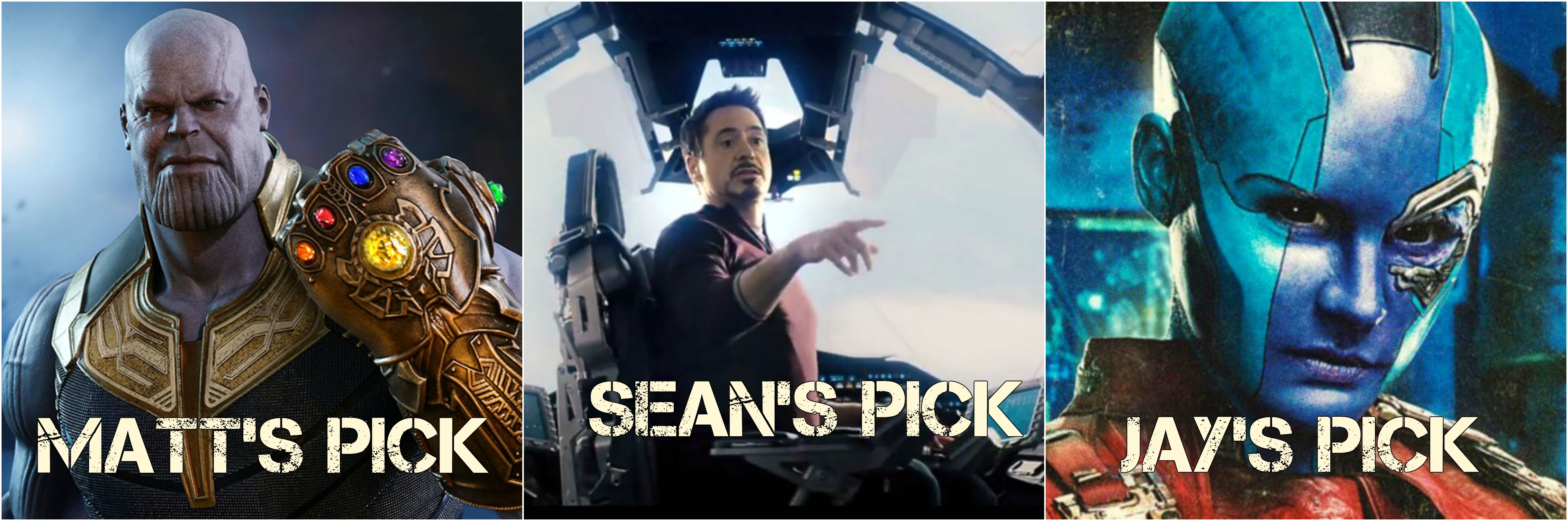
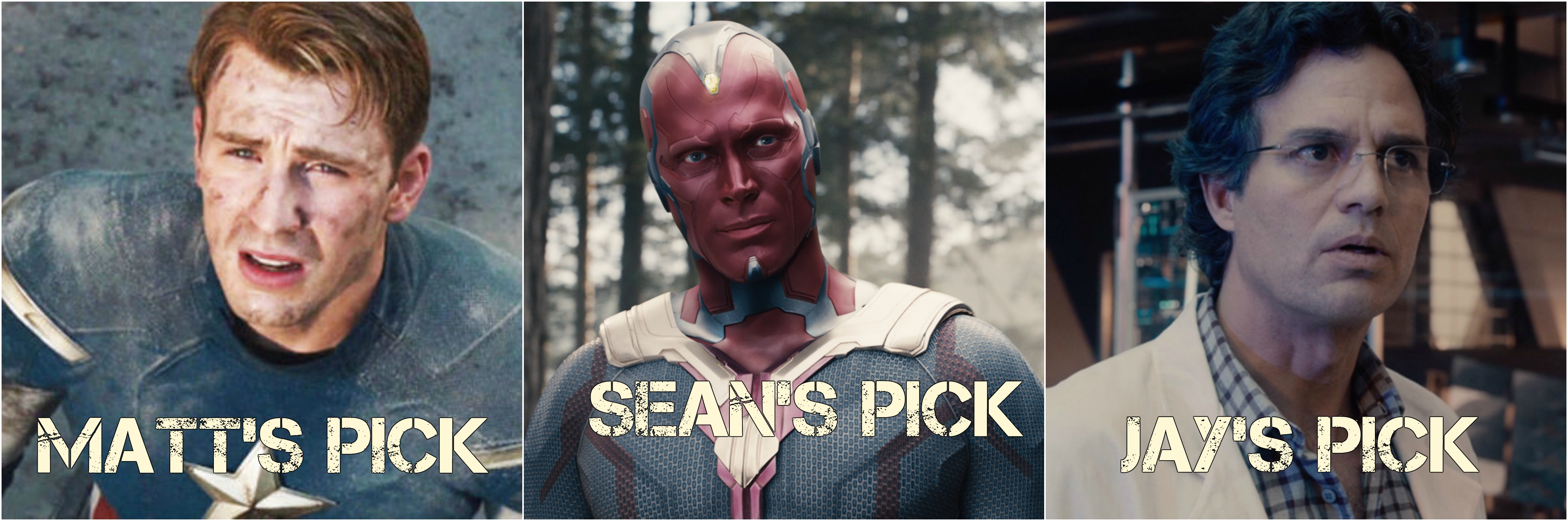
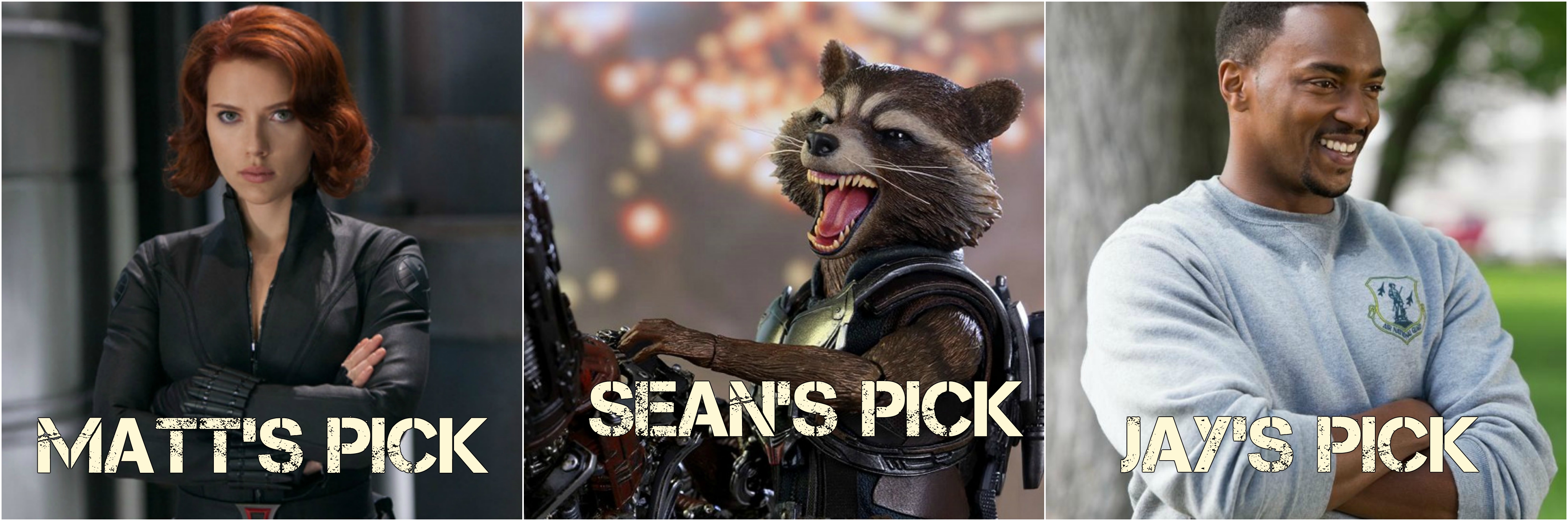
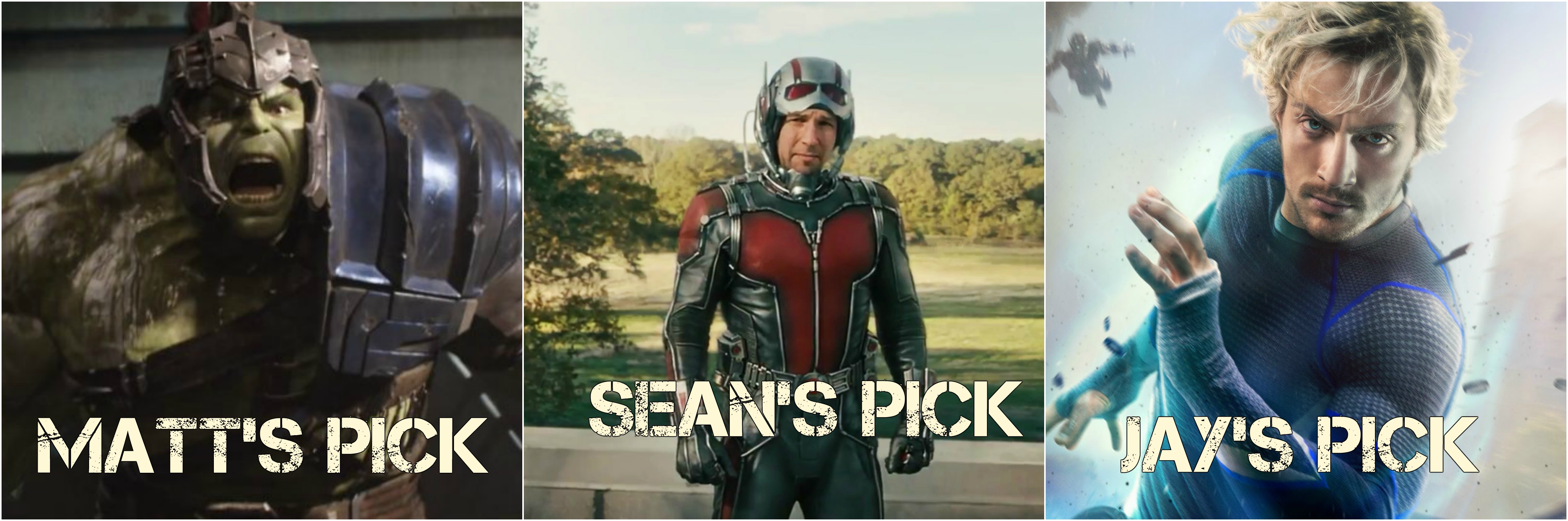
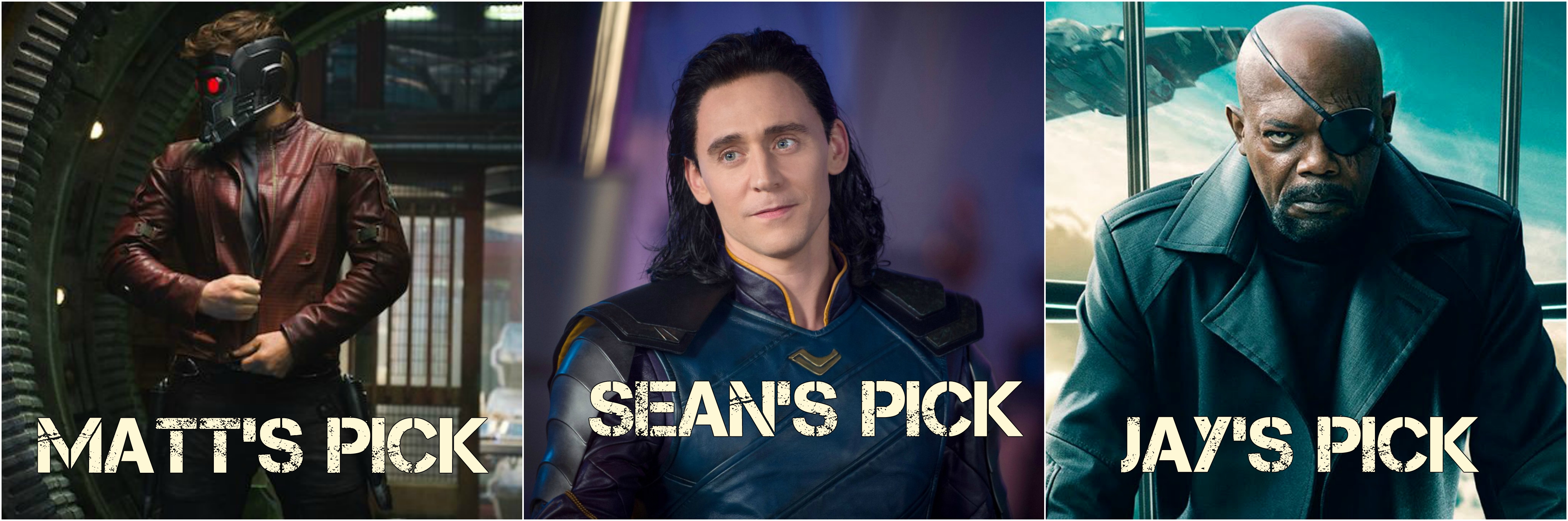
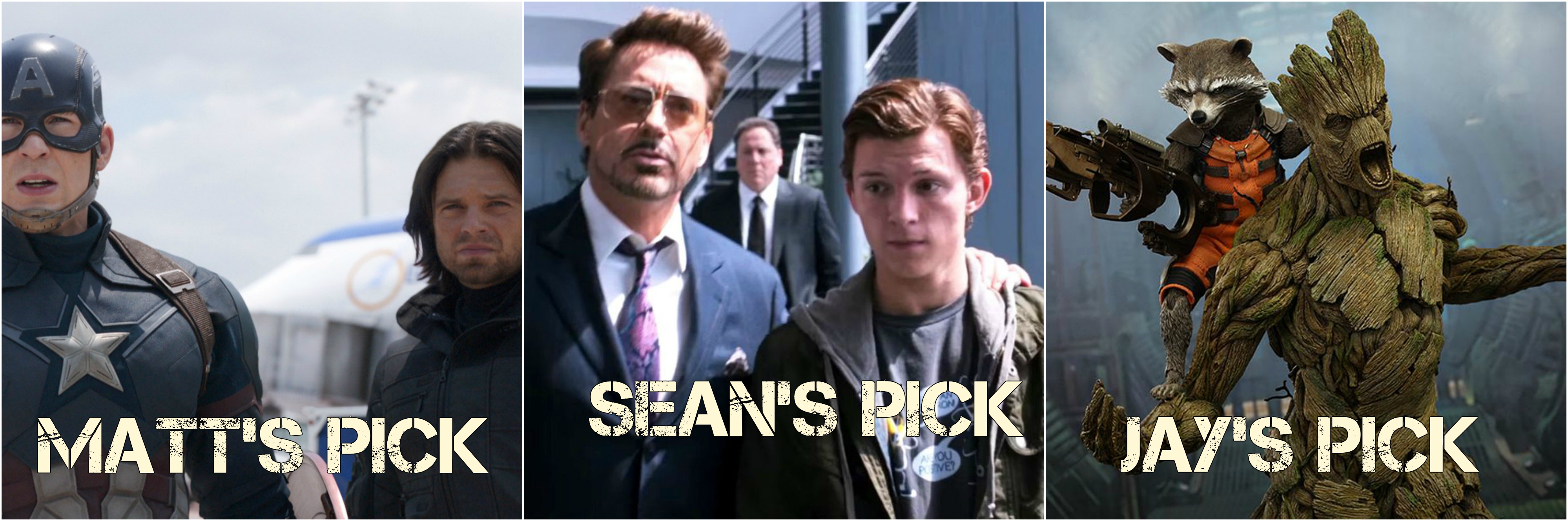
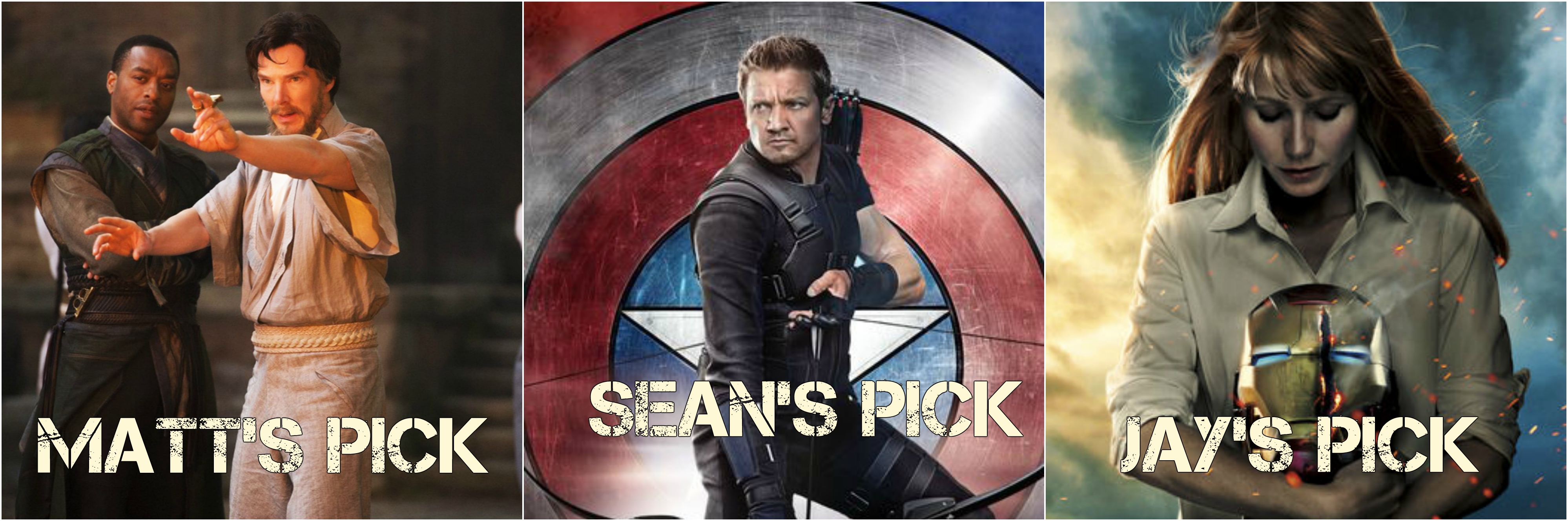
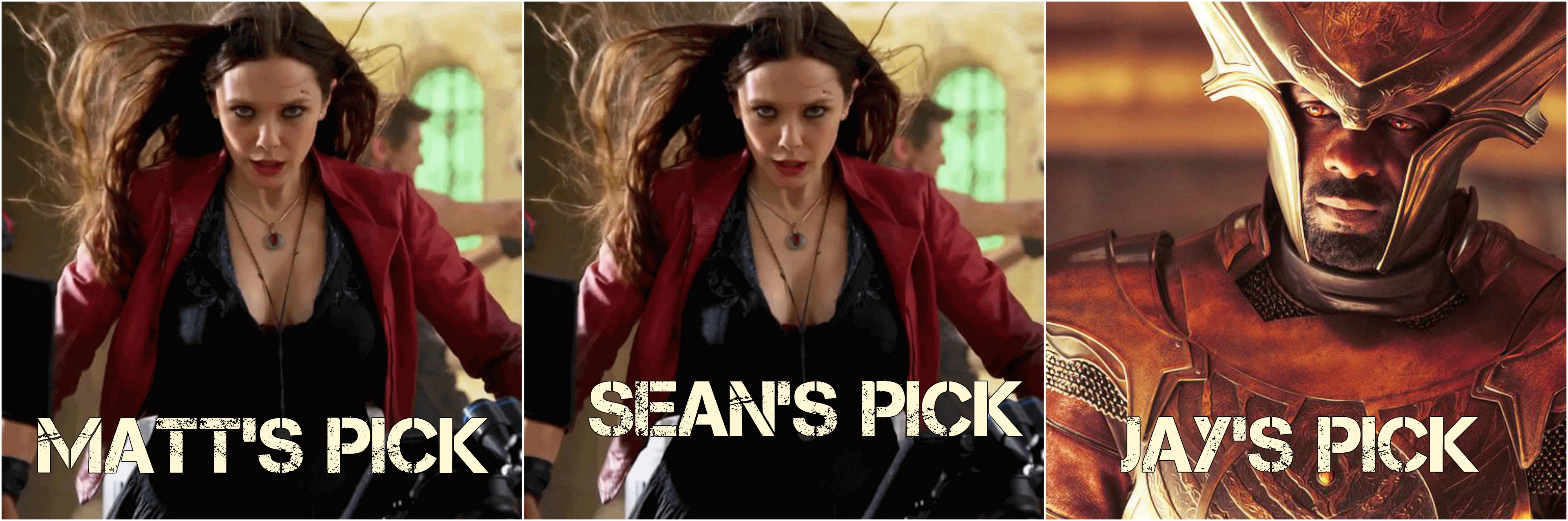
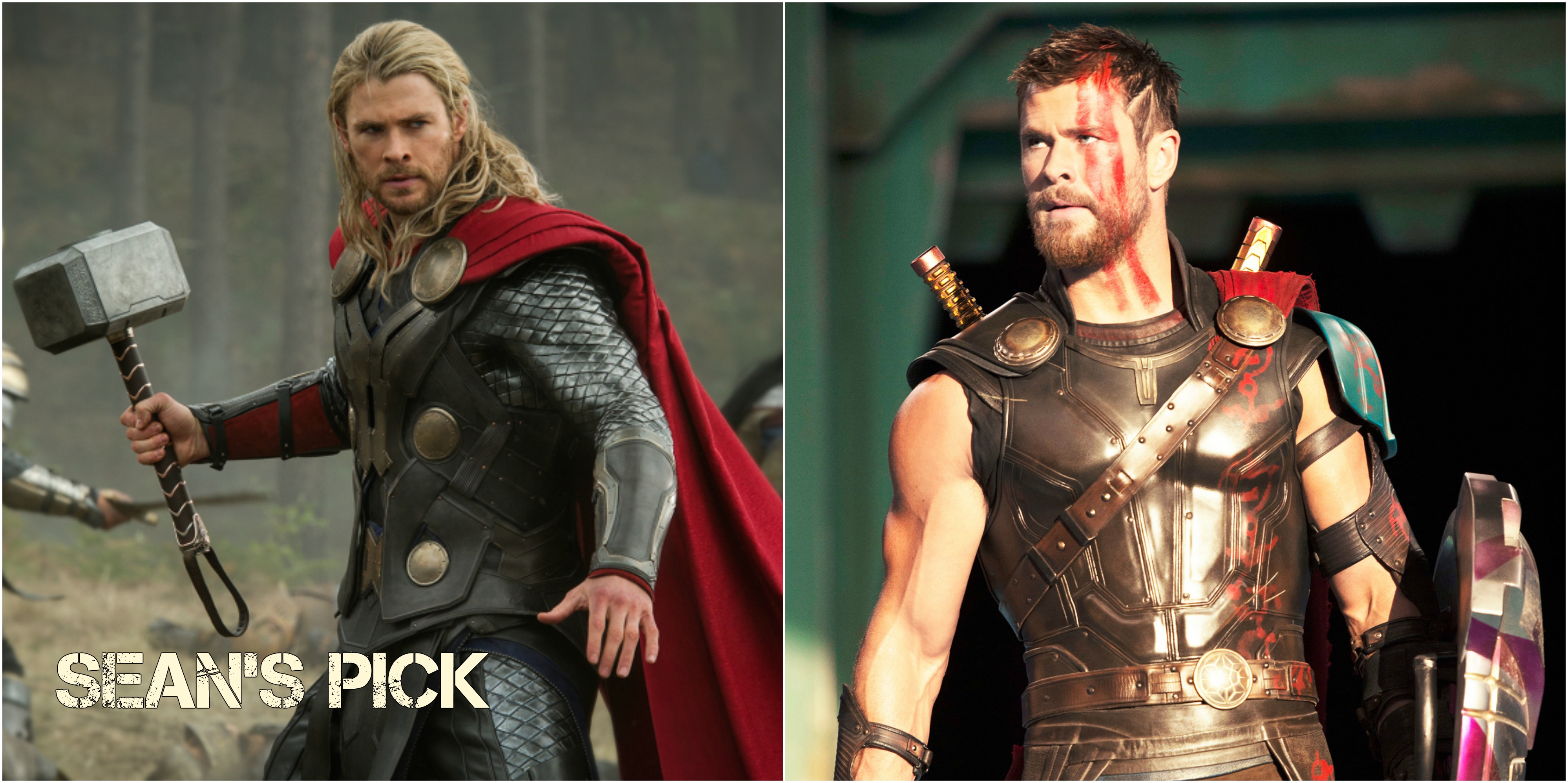
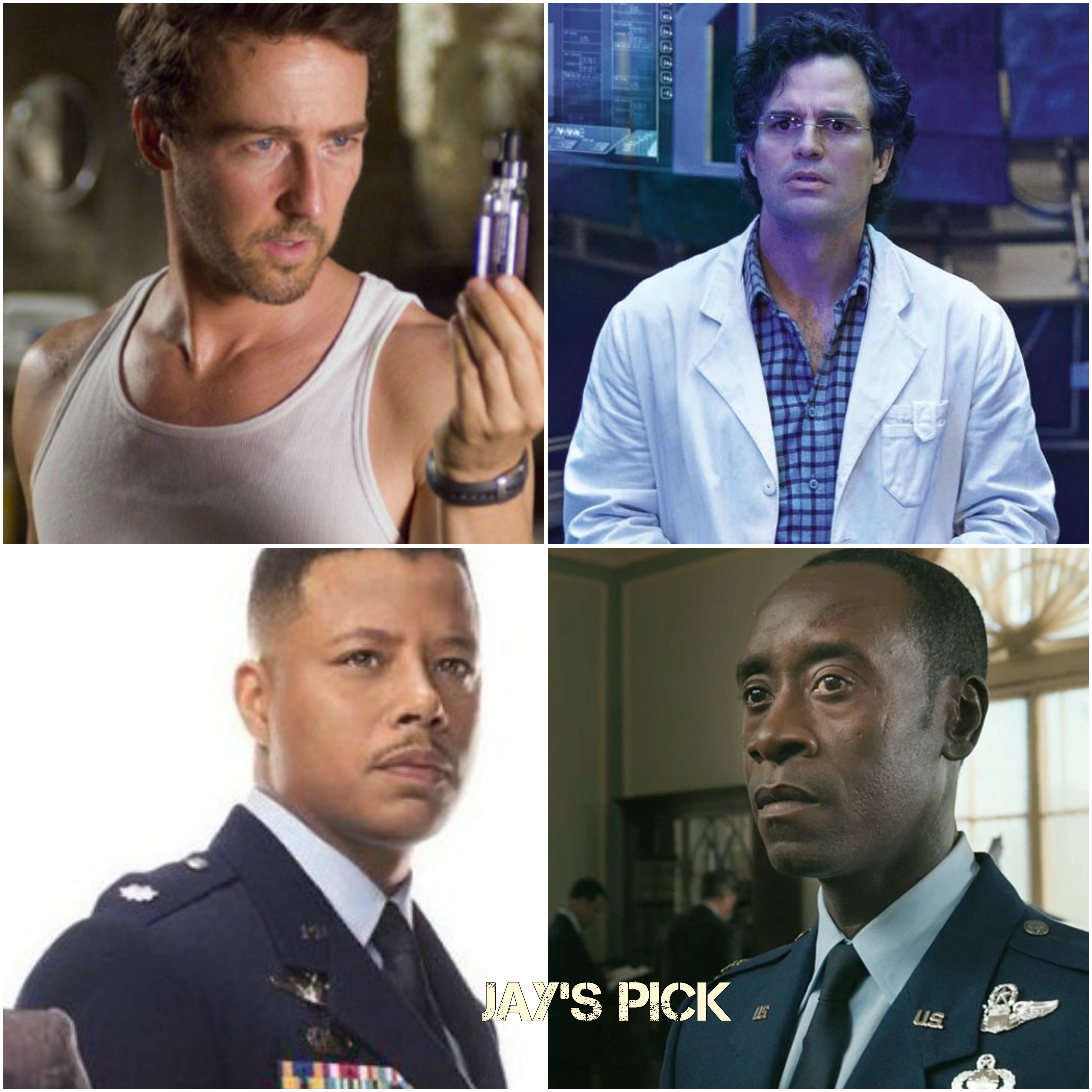
 Hey, we all picked from the same movie!












 The film was among the first to film in New Orleans after Katrina, enticed by tax savings that made up a good chunk of their budget. Director David Fincher praised the city’s rehab efforts and filmed in both rural and urban settings. The film pays tribute to Katrina by having the flood threaten just as Daisy lays dying.
 which would serve to ground the fantasy, but it wasn’t an easy get. The owner had evacuated for Katrina, and had refused every previous request by movie crews. She turned down Fincher too – twice. Fincher combed over 300 other locations and ruled out every one. Finally the owner relented, and she moved into a condo so her home could be made to fit the period. She never did move back in: she evacuated again when hurricane Gustav threatened, and while away she passed, without ever seeing the movie filmed in her home of over 60 years.
 The Marvel Cinematic Universe is so bloated by this point that it’s a full-time job to keep up with what’s going on. Thankfully, Thor: Ragnarok doesn’t get bogged down in what’s come before. Instead, the third installment in the Thor franchise tells a self-contained story and shifts Thor’s segment of the universe from dreary fantasy mode to action-comedy mode. From a cameo by Matt Damon that I totally missed, to a Taika-Waititi-voiced blue rock monster, to Hulk and Thor arguing over everything and anything, Ragnarok is the funniest apocalypse movie you will likely ever see (sorry, Zombieland!).
 To be fair, Terrence Malick is practically a hometown boy, and a huge local crowd turned out to see his latest film, which happens to be set in that very same town – Austin, Texas. The film is set against a backdrop of Austin’s vibrant music scene and SXSW is at the forefront of that music scene. Those factors attracted many people who’d never otherwise flock to a Malick film. Sean and I don’t consistently like them either (who does?) but at least we had a better idea of what we were getting into (we saw a Terrence Malick documentary narrated by Brad Pitt at TIFF this year).
 by the way, I also lived here at the time, and yet: Rebecca BitchFace. I’m sure she’s a lovely girl.) Where was I? Oh yes.
 board but the result isn’t science at all. It’s conceptual; more contemplative than comprehensive. No science teacher will ever show this in class – but a yoga teacher might. Getting the gist? It’s a thing of beauty, often thoughtful, but far from educational.
 ASSHOLES WATCHING MOVIES