
Chicago, 1927. Welcome to a single recording session of Ma Rainey’s Black Bottom. Ma (Viola Davis) is running late, of course, cause she’s the star. The band is rehearsing in the “studio,” a dank basement room that’s not big enough for the egos it’s asked to contain. Levee the horn player (Chadwick Boseman) in particular is testing everyone’s nerves with his outsized ambitions and his new $11 shoes.
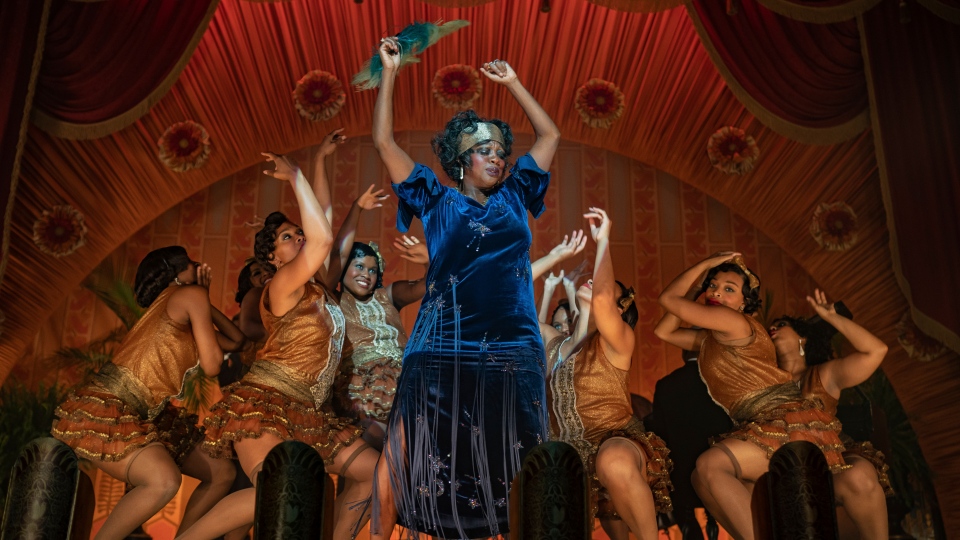
When Ma arrives, tensions mount. Levee is trying to rearrange her music, and she’s got to show him his place. But she’s also battling the (white) management, who are subtly trying to push her in different directions, disrespecting her status as the mother of the blues, trying to control a product they don’t fully understand. The other band members – Cutler (Colman Domingo), Toledo (Glynn Turman), and Slow Drag (Michael Potts) – try to run interference, but they know their place and are loathe to stray from it.
Ruben Santiago-Hudson adapts from August Wilson’s excellent play. You may know that Denzel Washington intends to bring all 10 of Wilson’s “century cycle” plays to screen, starting with Fences, for which David received an Oscar, and following this one with The Piano Lesson, for which he’ll cast his son, John David Washington. Of course, he wasn’t far off in casting Boseman for this one; Boseman was his longtime protégé; Washington had sponsored him at Howard University, paying his tuition so he could take Phylicia Rashad’s coveted acting class. Ma Rainey’s Black Bottom is Boseman’s last role. He was secretly receiving treatment for the colon cancer that killed him earlier this year while filming.
As far as legacy goes, Ma Rainey’s Black Bottom is about as good a final role as you can hope for. He’s magnetic, vital, crackling with suppressed rage, electrifying and dangerous. Opposite him, Viola Davis’s Ma can afford to be a little more confident, a little more sedate. Perhaps because of her career she has more experience dealing with the white man’s power struggle, but she holds her own, knows her worth and insists on it.

August Wilson’s play is urgent and alive (I personally prefer this one to Fences). Director George C. Wolfe does an excellent job of making us feel every inch of that tiny recording studio’s claustrophobic walls. It’s hot, it’s crowded, there is little room for maneuvering (physically and symbolically) and plenty of potential for mistakes. Egos and tempers are bouncing off each other in desperate and menacing ways. Meanwhile, the white managers and producers sit comfortably upstairs, dictating how the session will go, depriving even their star of a 5 cent bottle of Coke.
This recording session is a microcosm of the Black experience in America in the early 20th century. Generational trauma, informed by racism, religion and violence, is evident in every note sung in the blues, and white men stand by to monetize and profit from it. It is no wonder that this session may turn explosive at any moment, and very telling that when that escalating pressure so carefully cultivated finally does release, the lateral violence is just another heartbreaking blow to an already wounded community.
 Hey, we all picked from the same movie!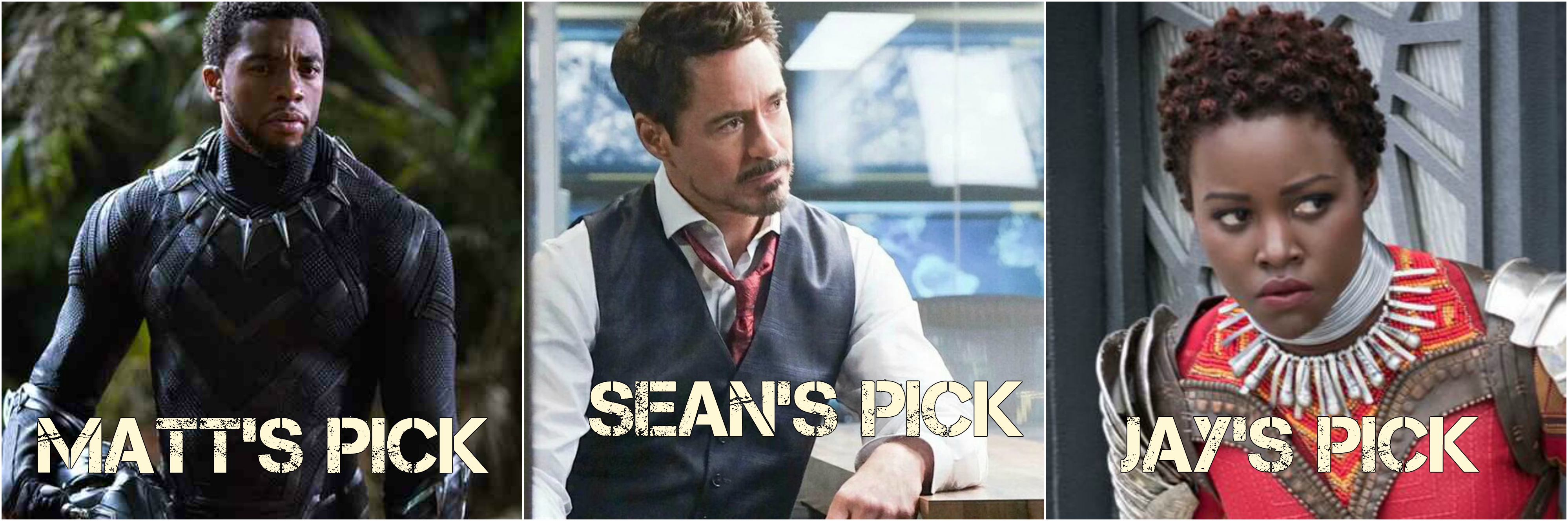
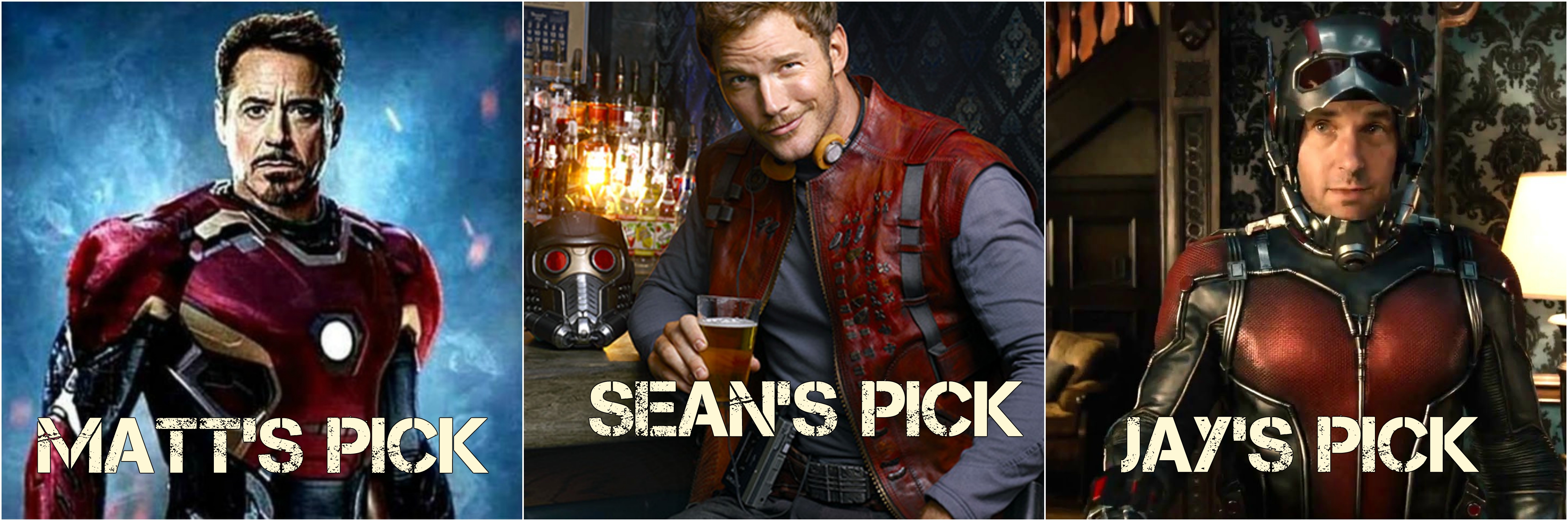
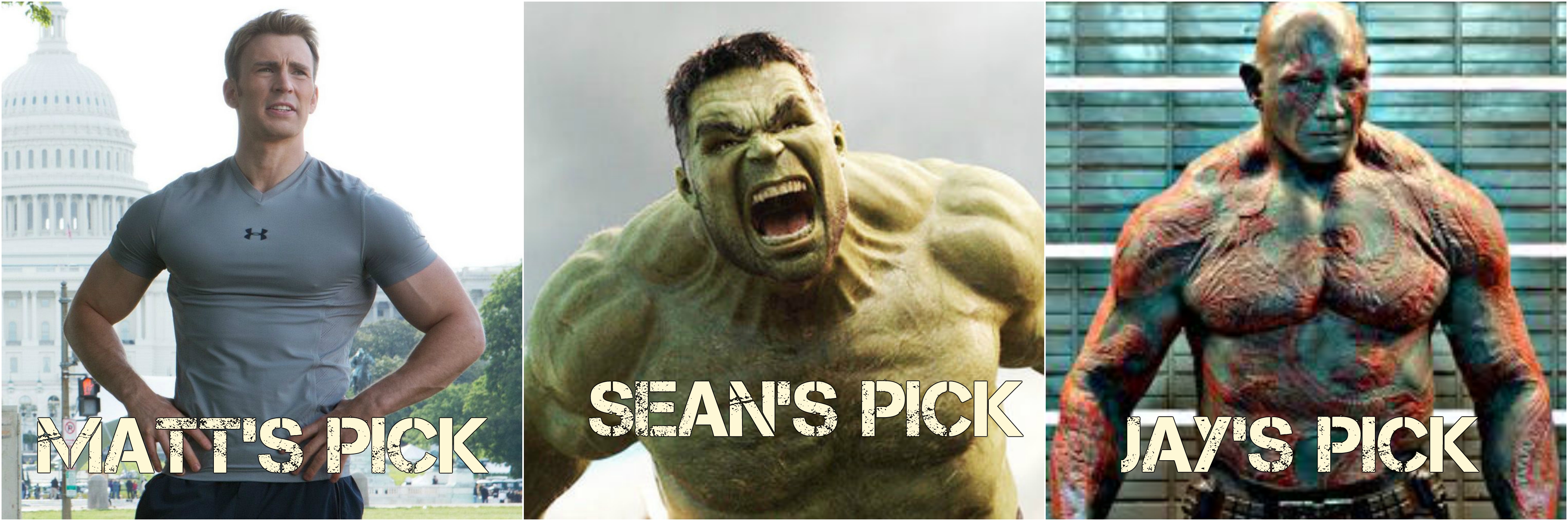

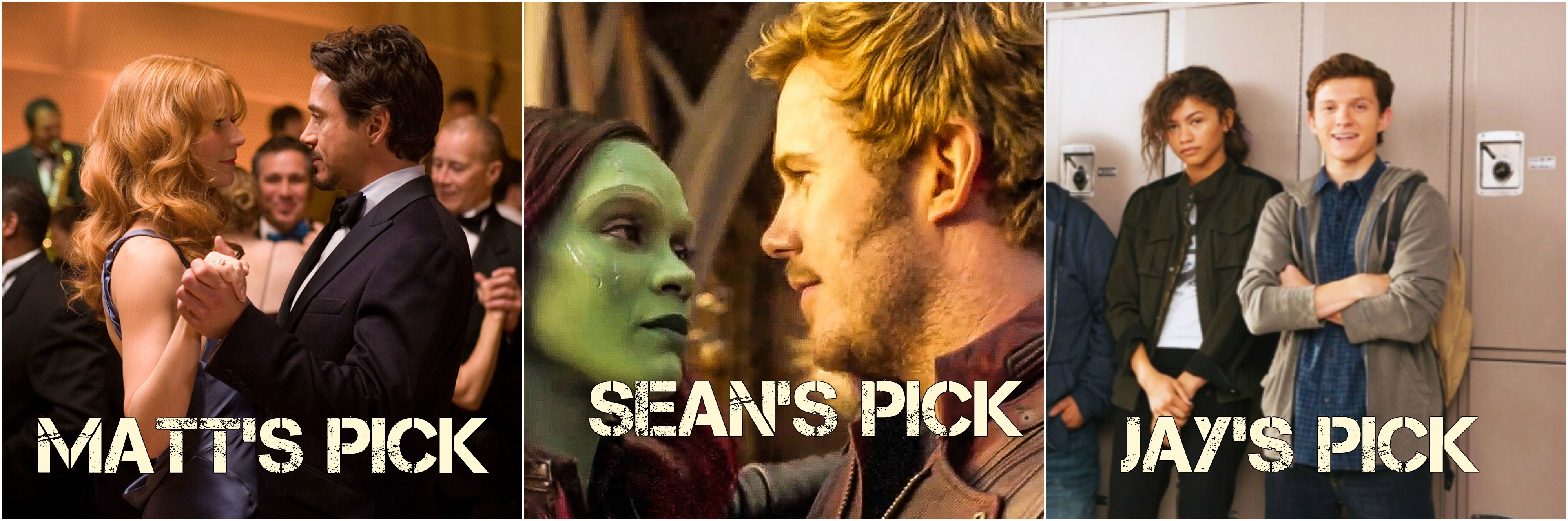
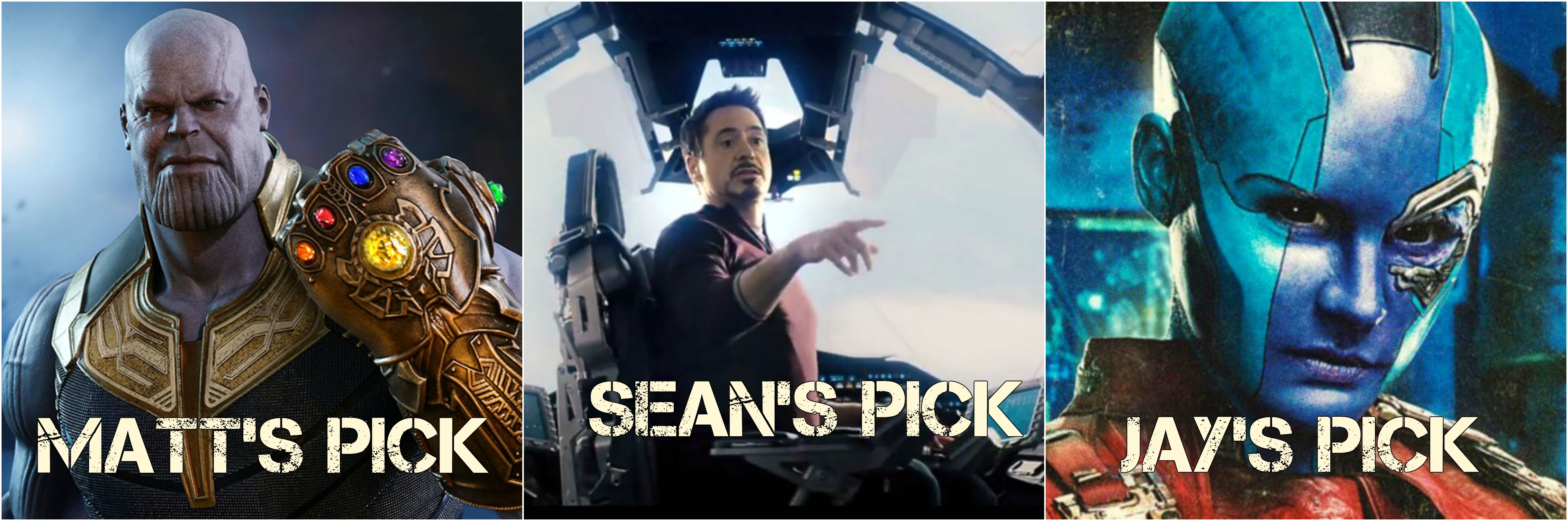
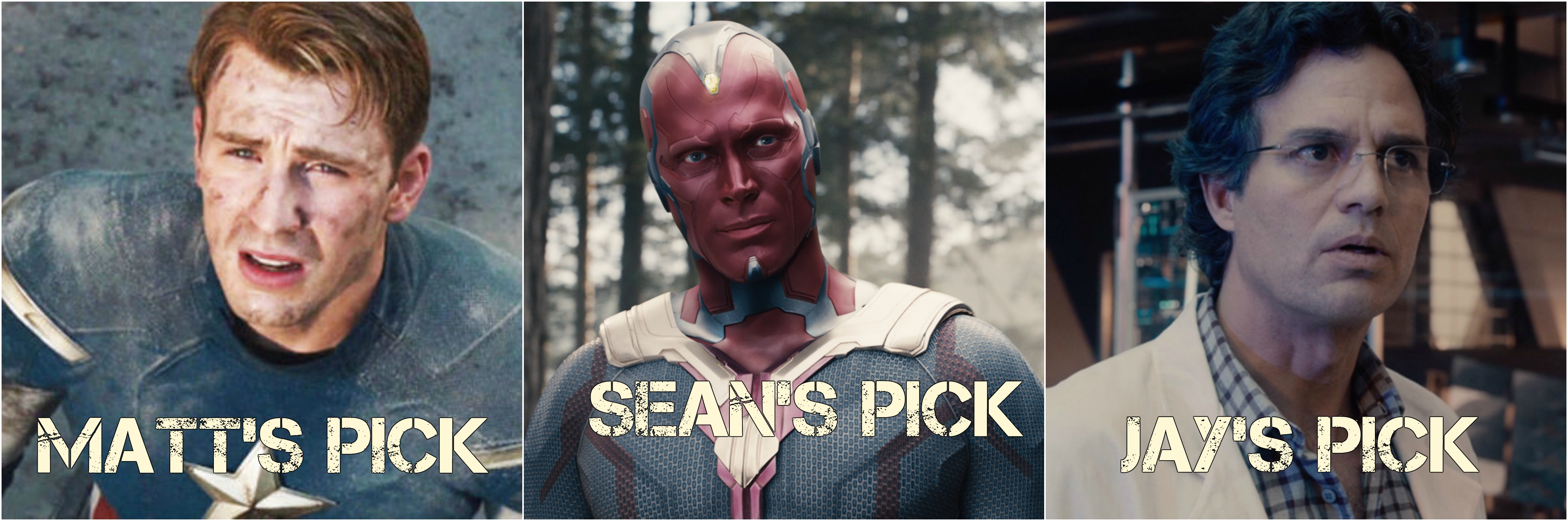
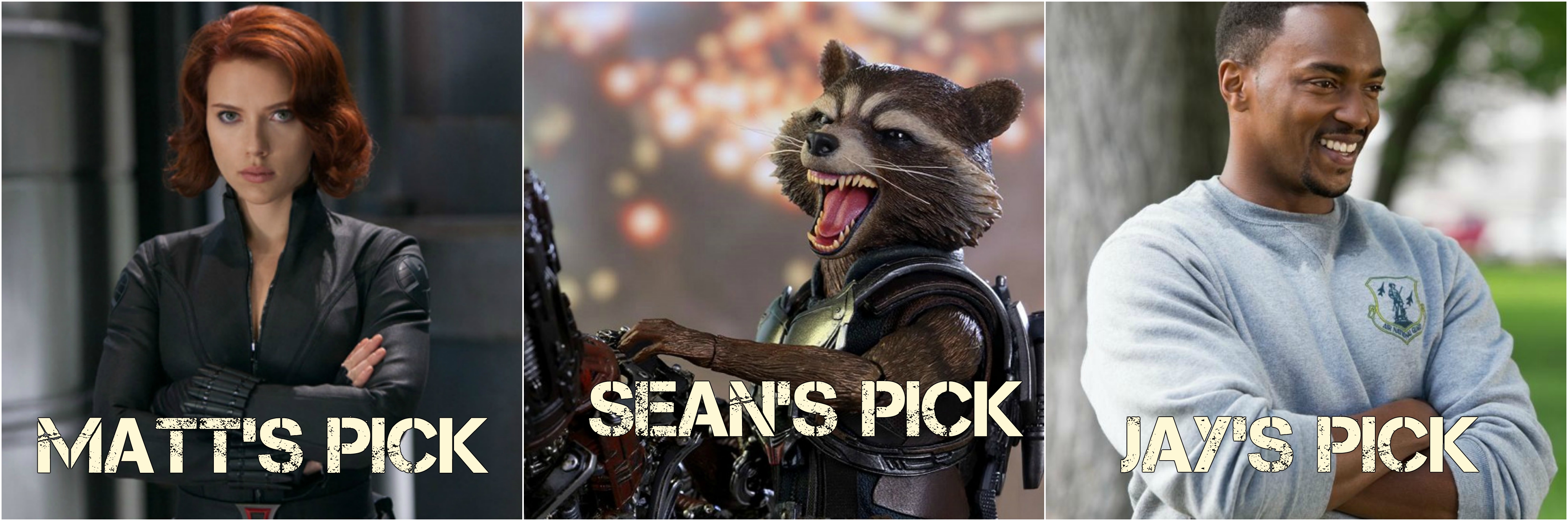
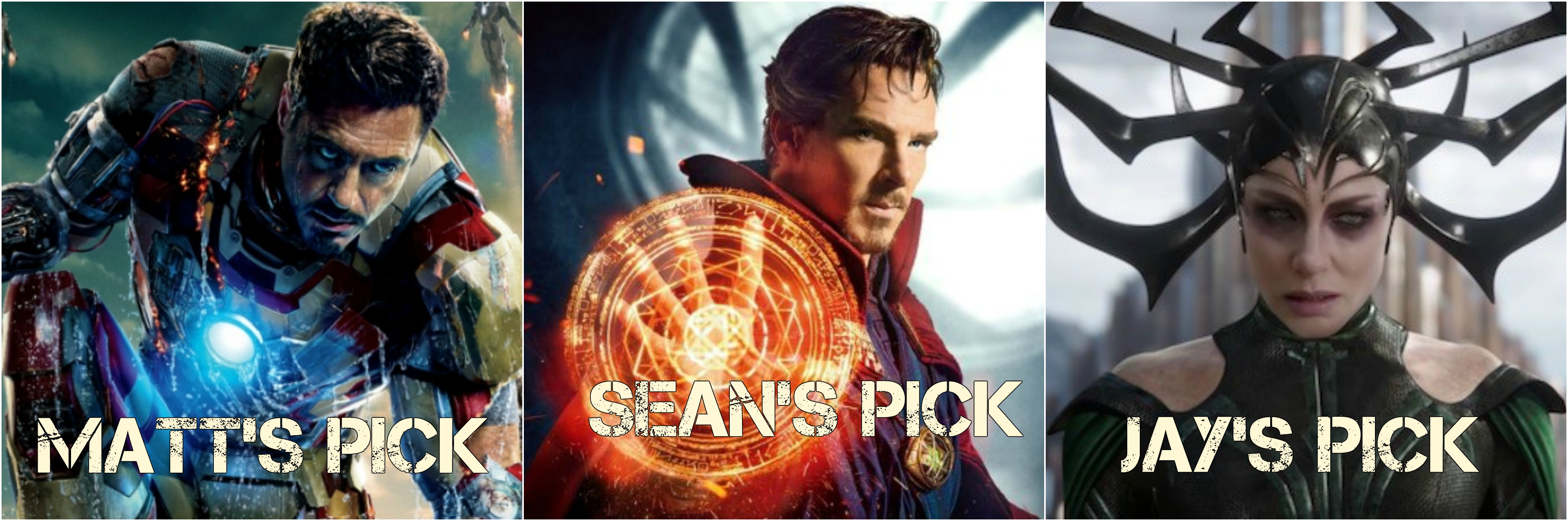

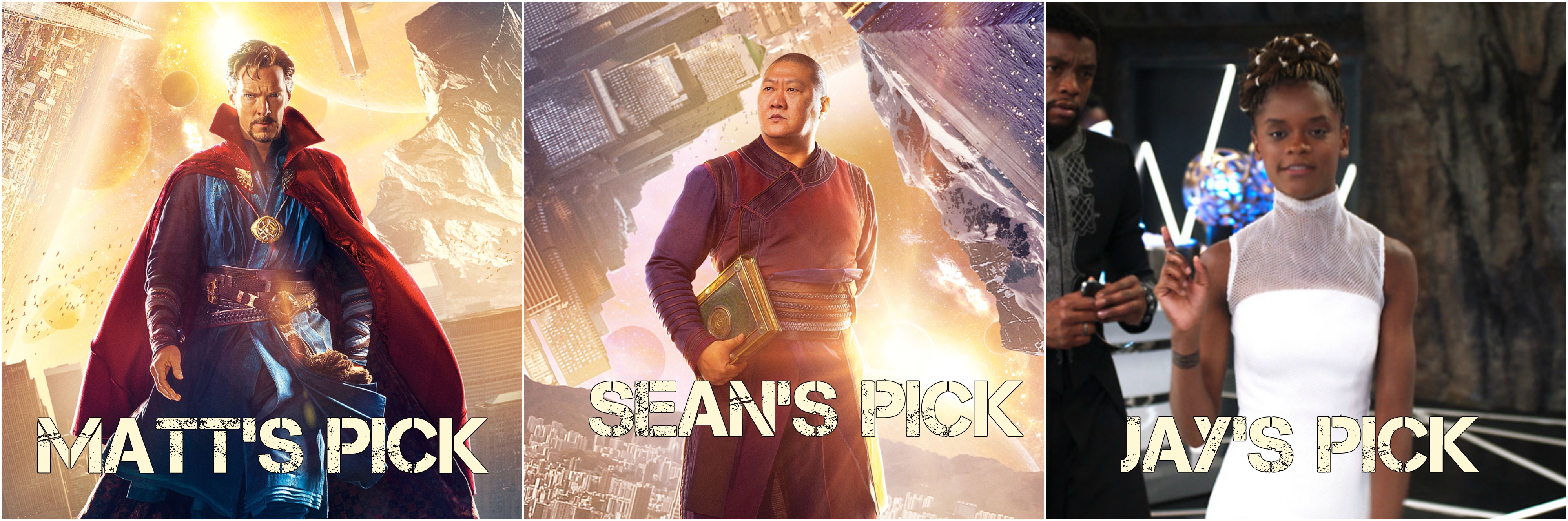
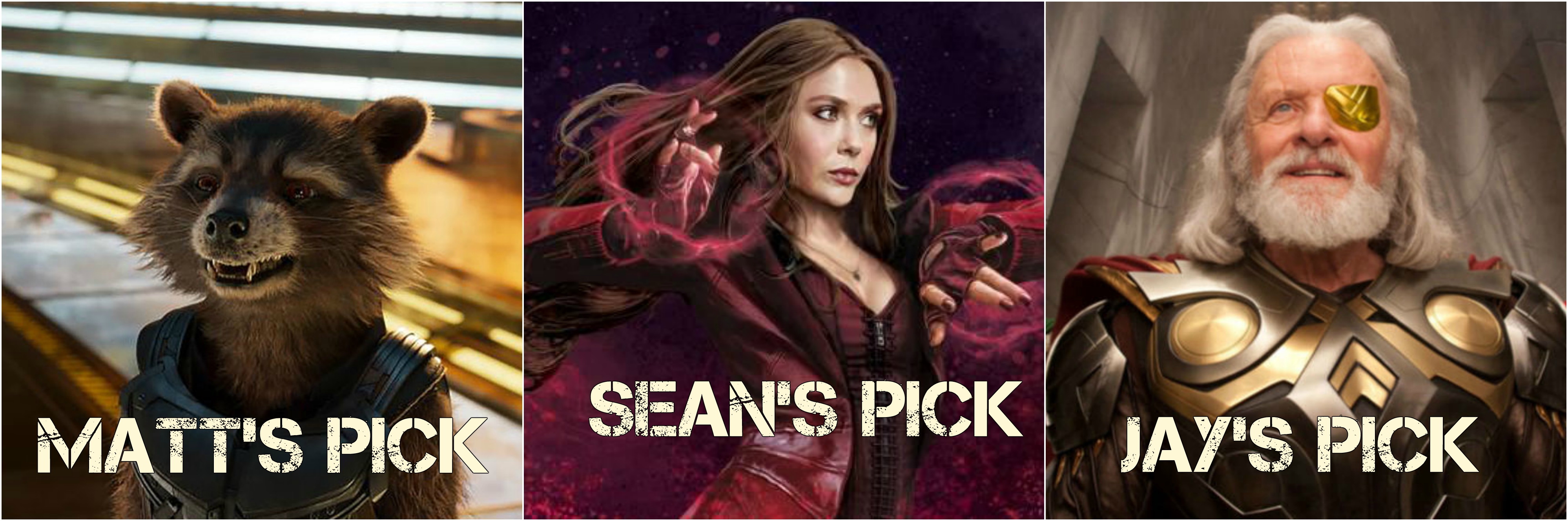
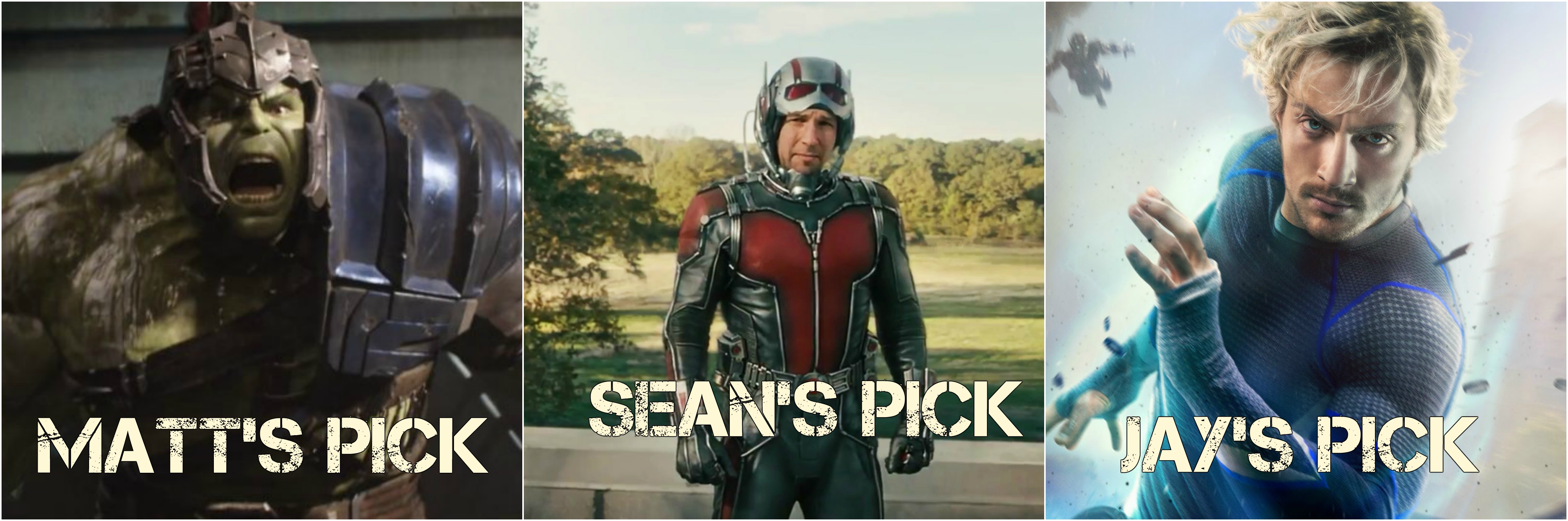
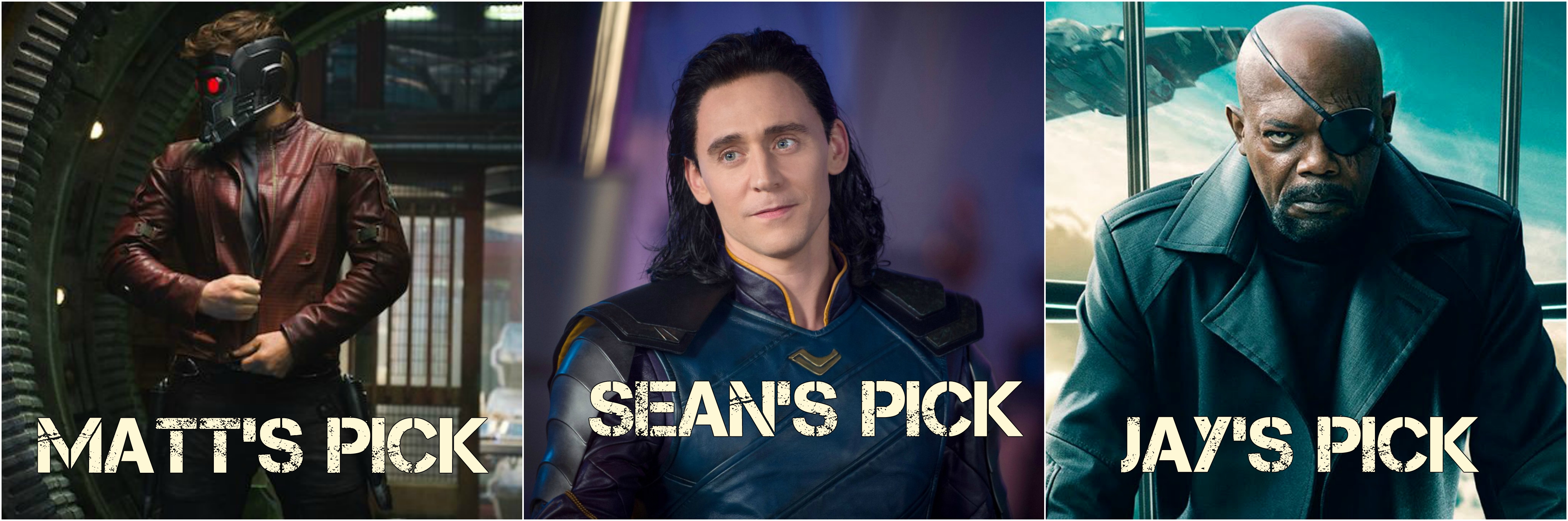
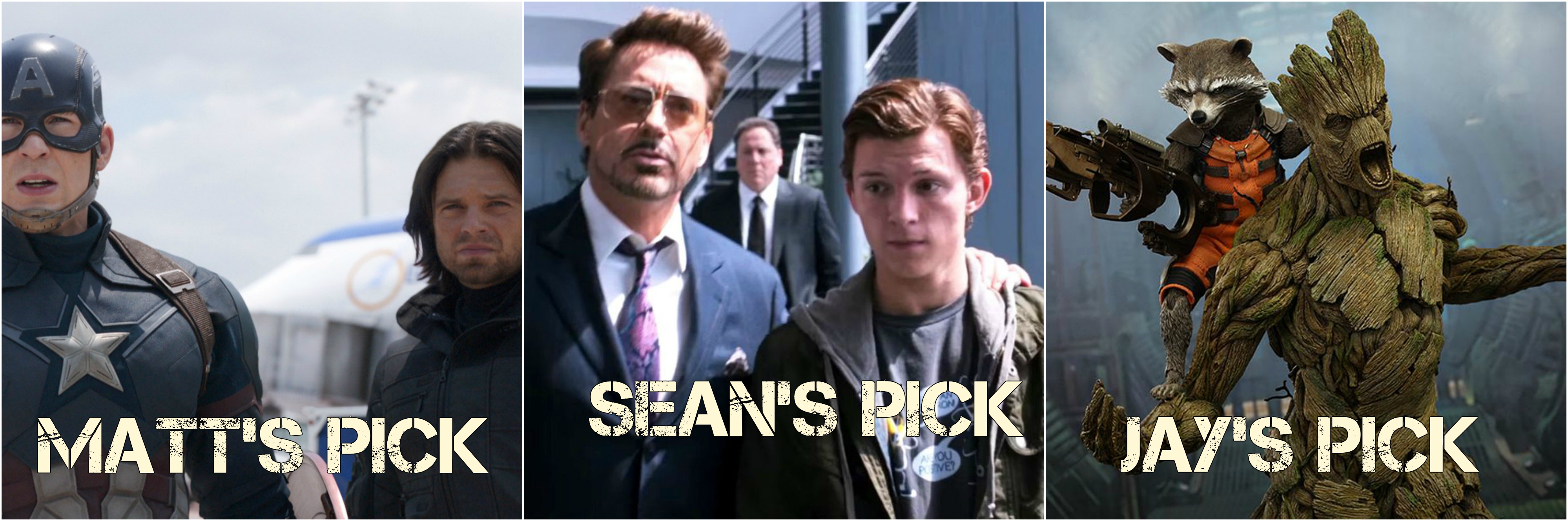
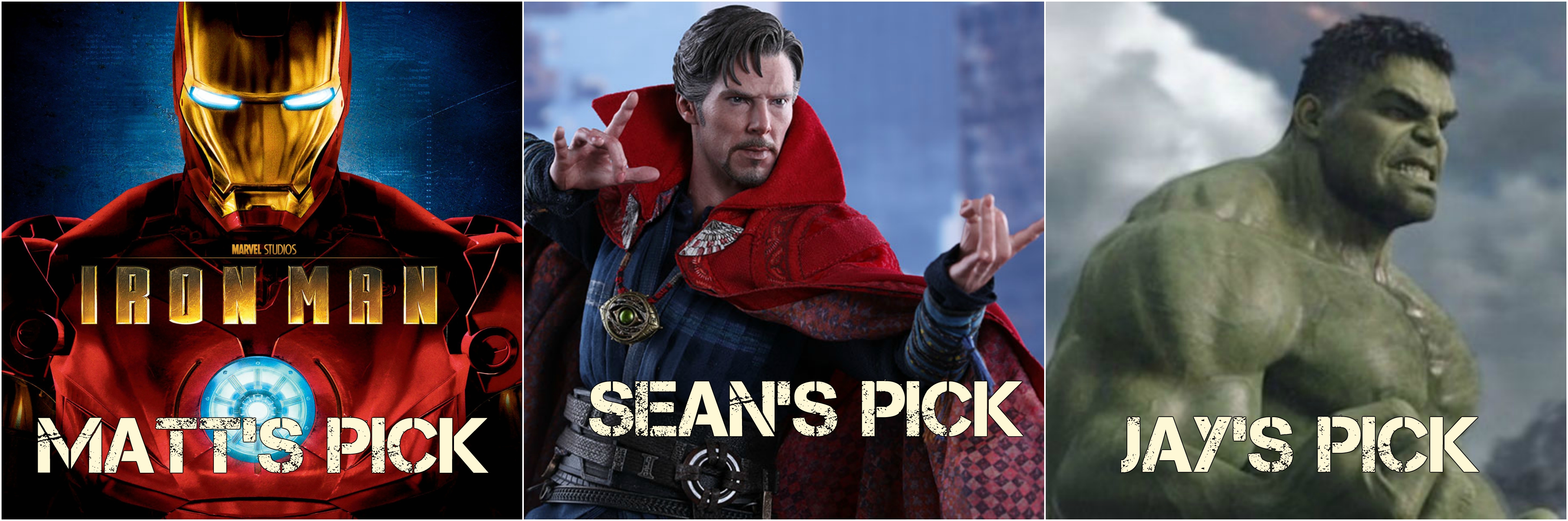
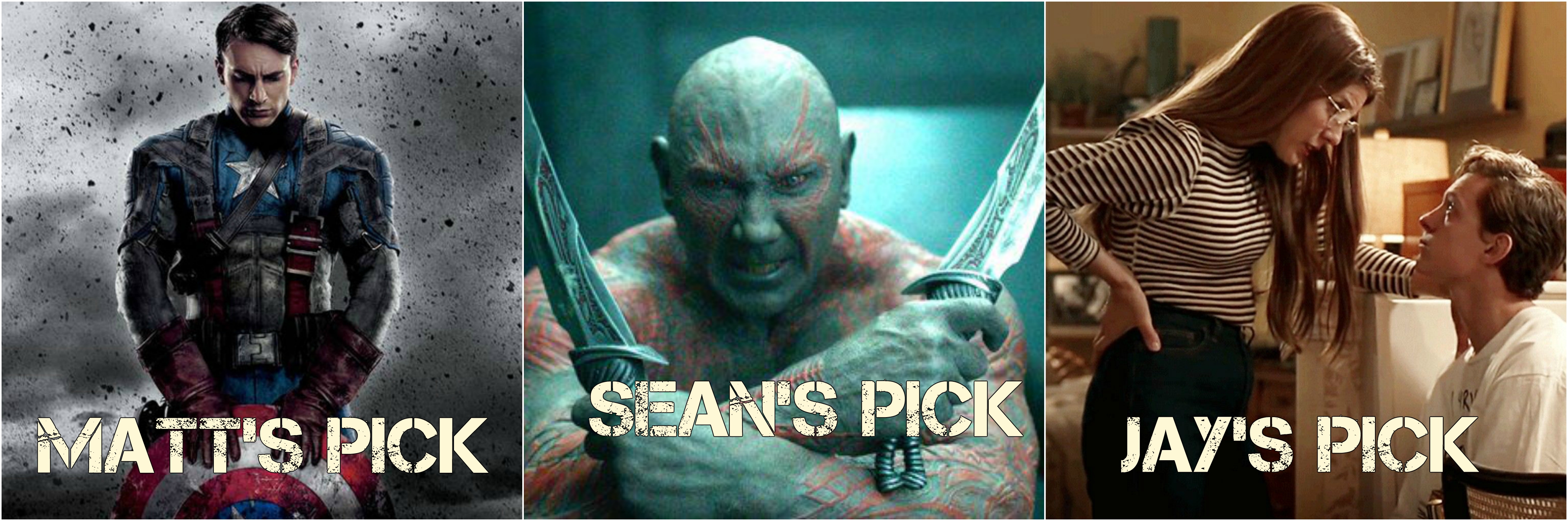
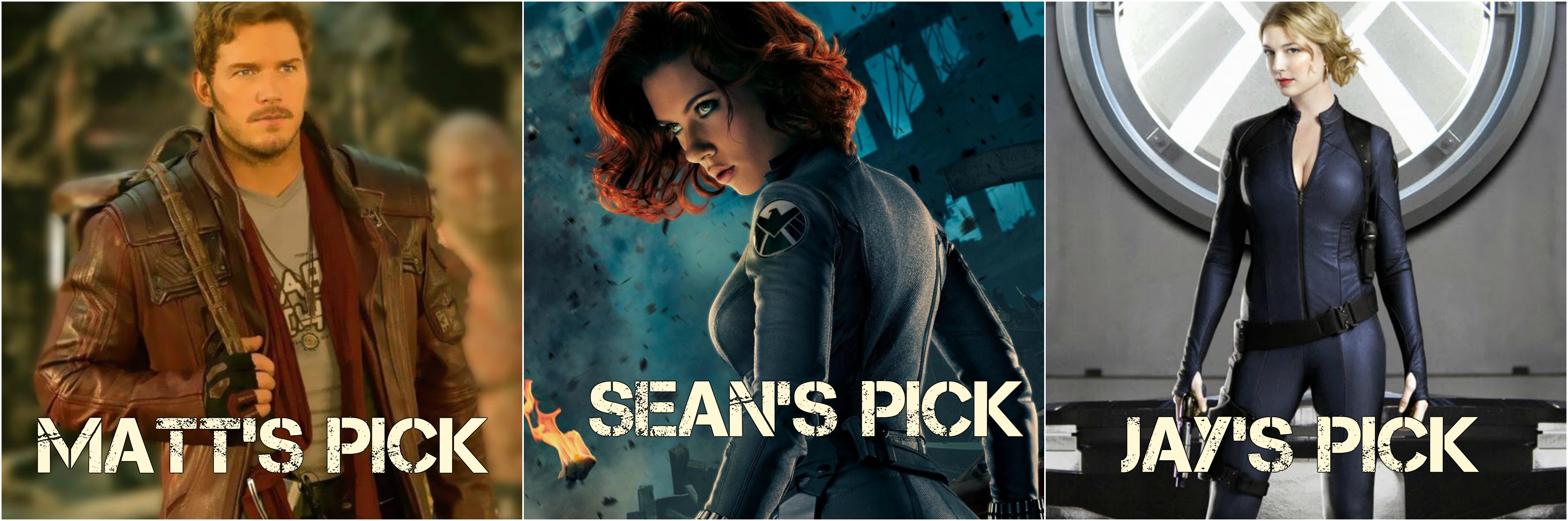
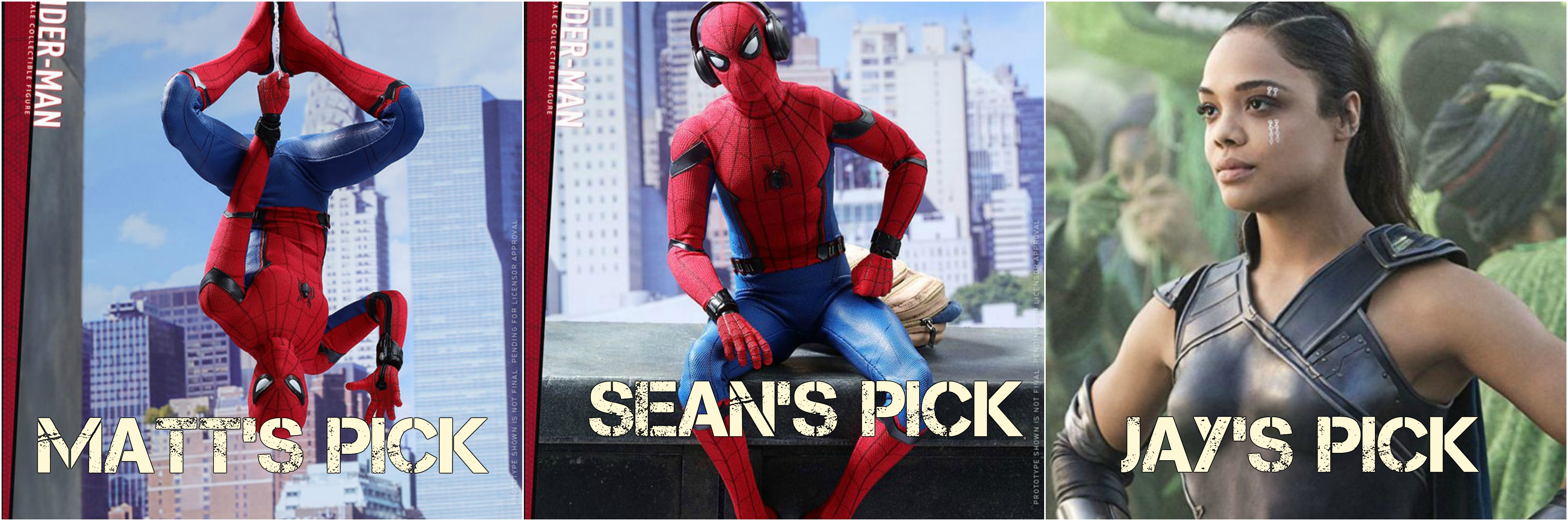
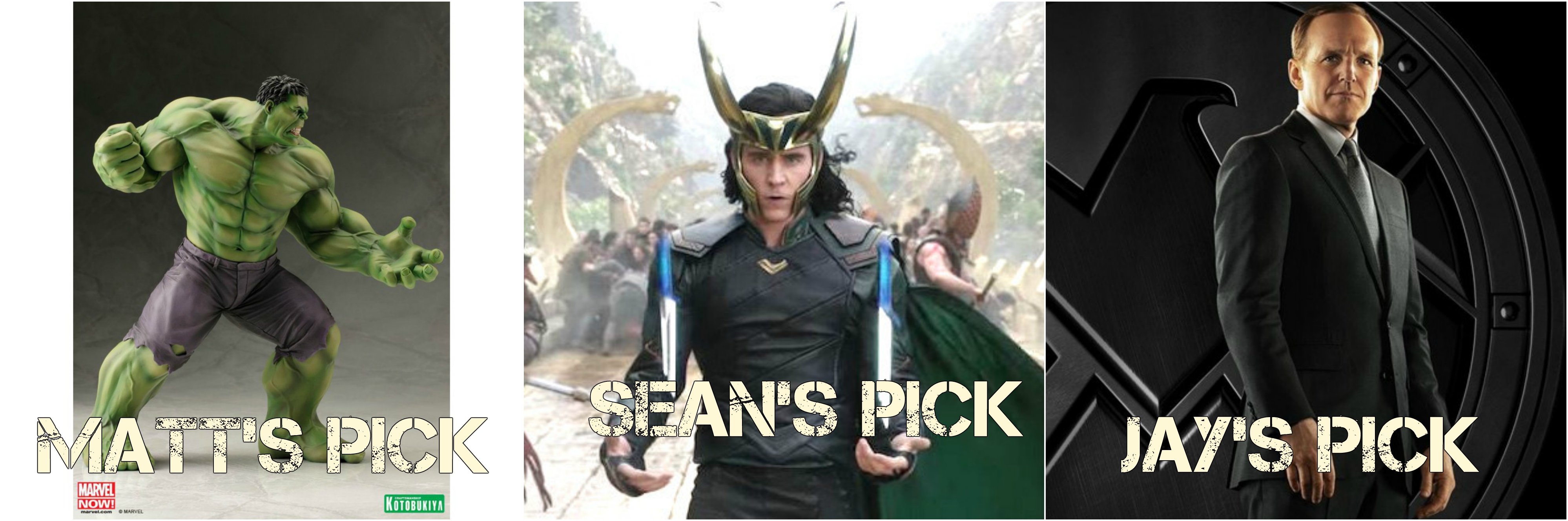
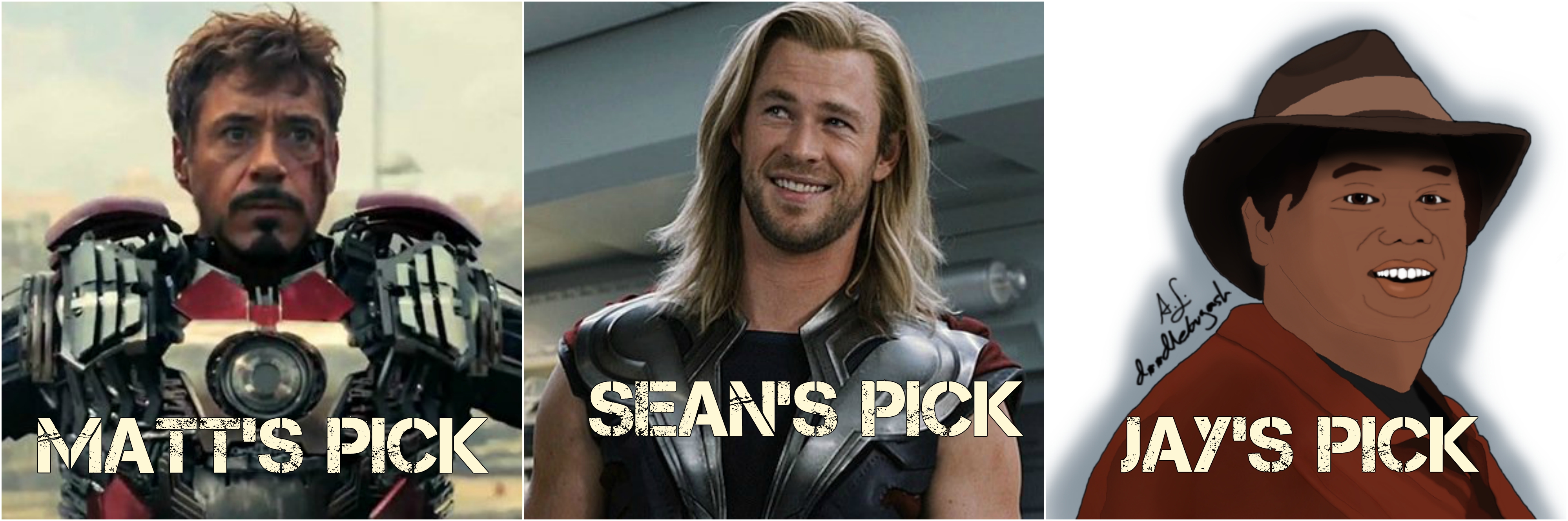
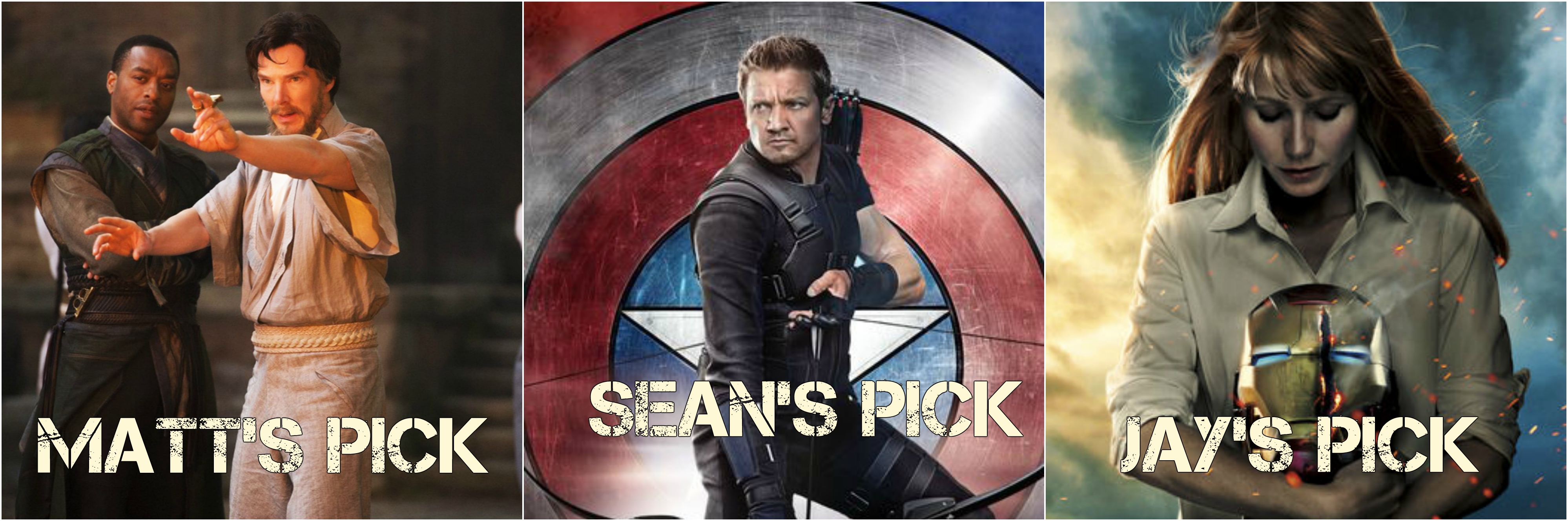
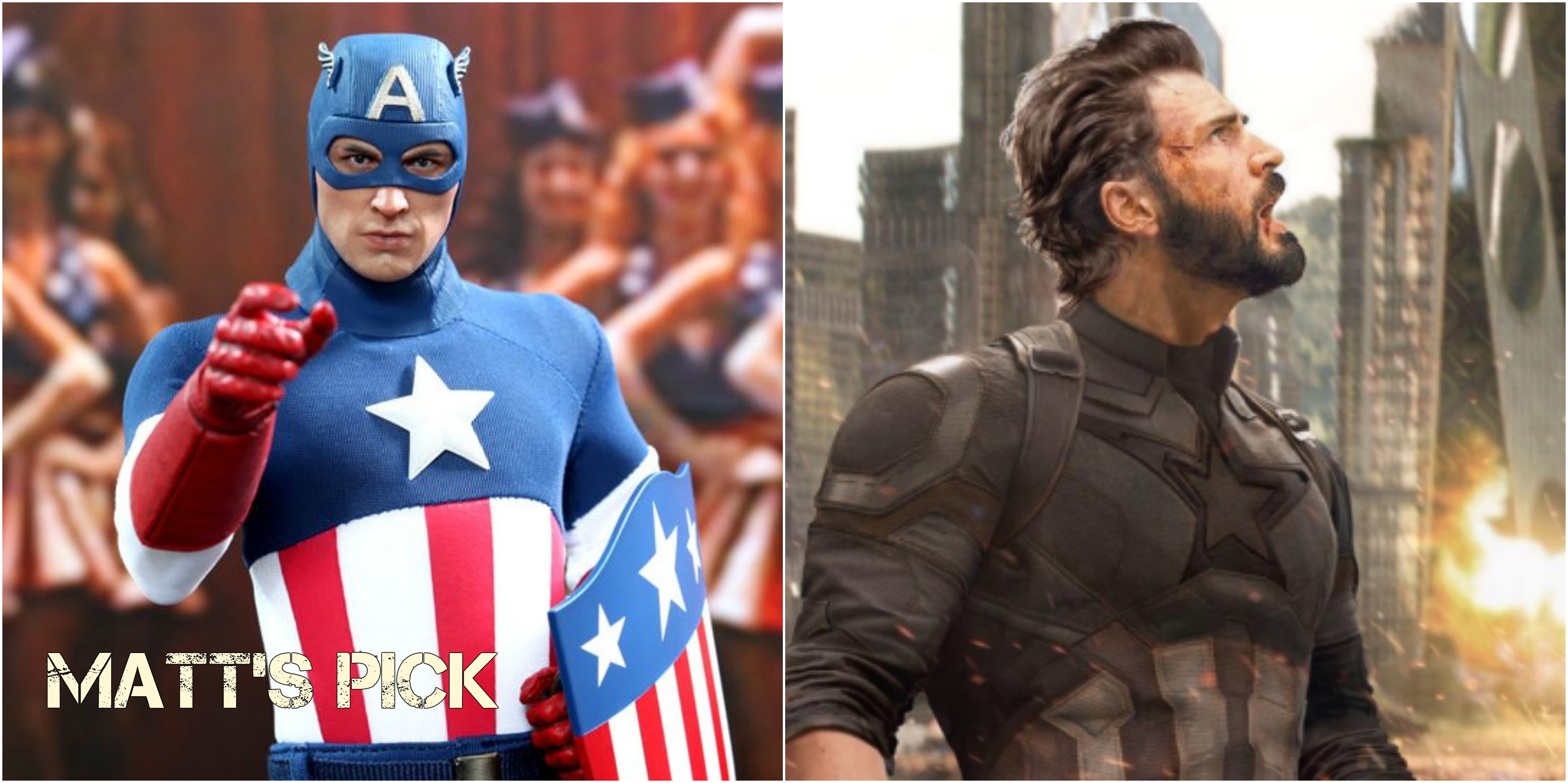
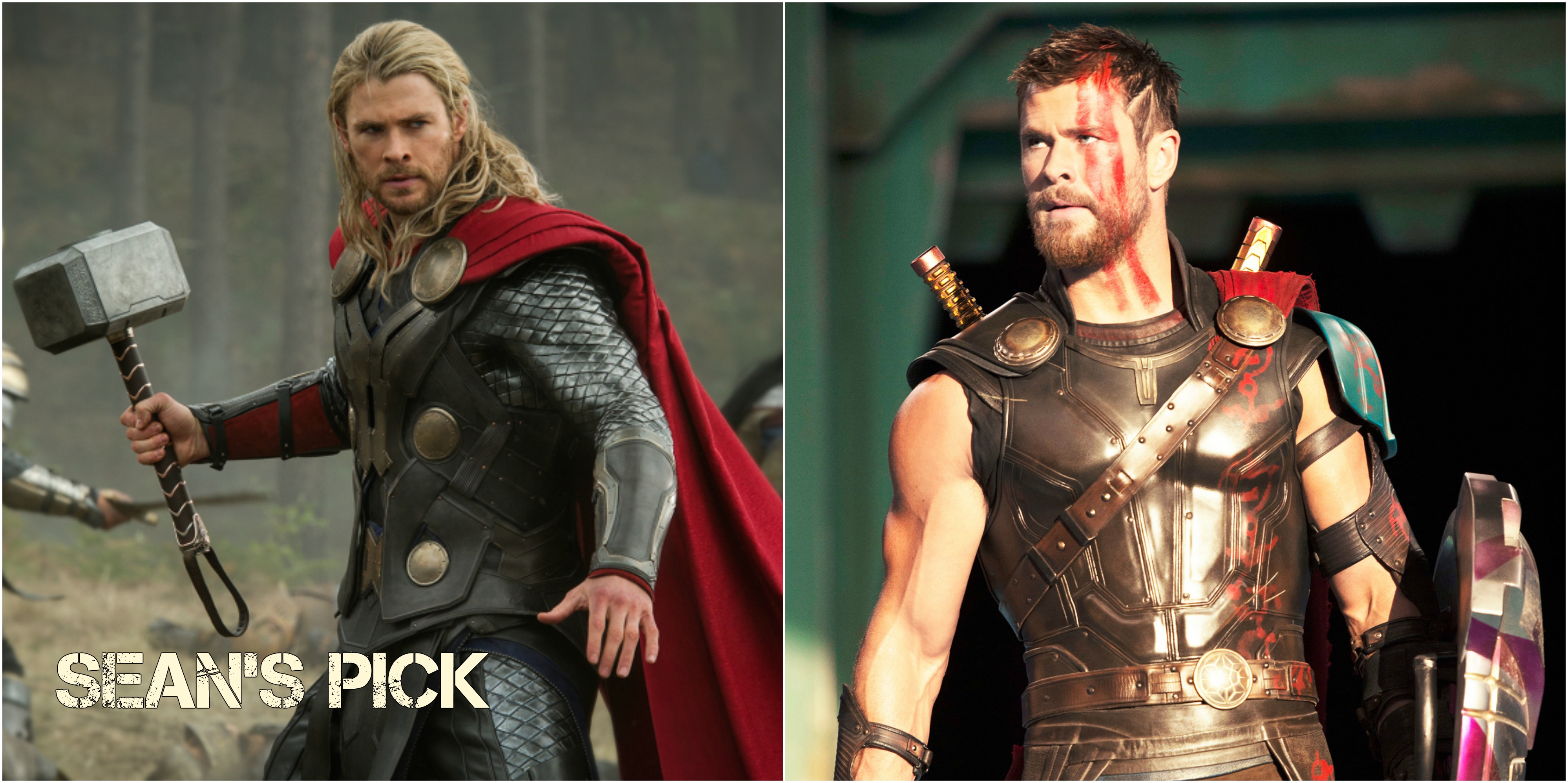
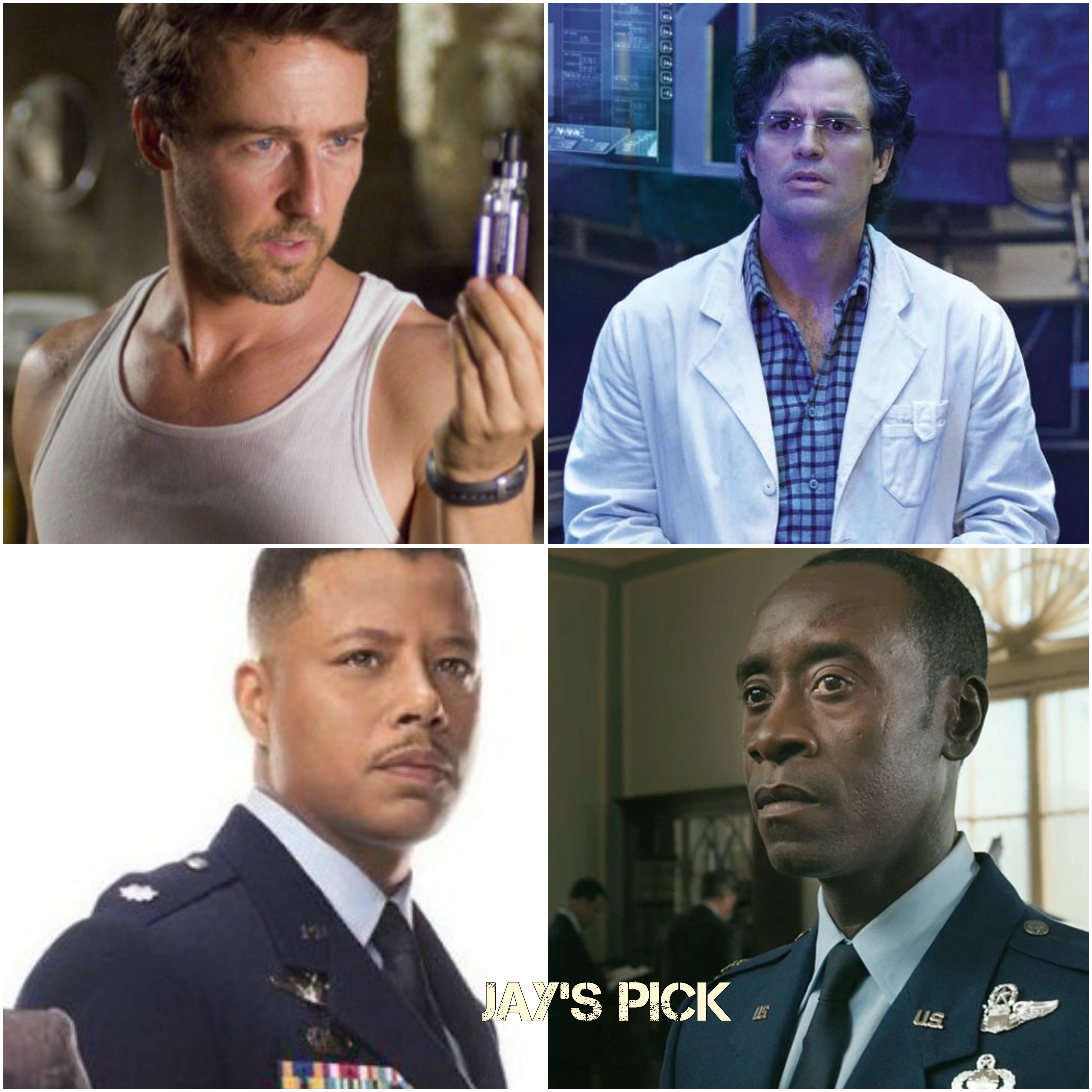
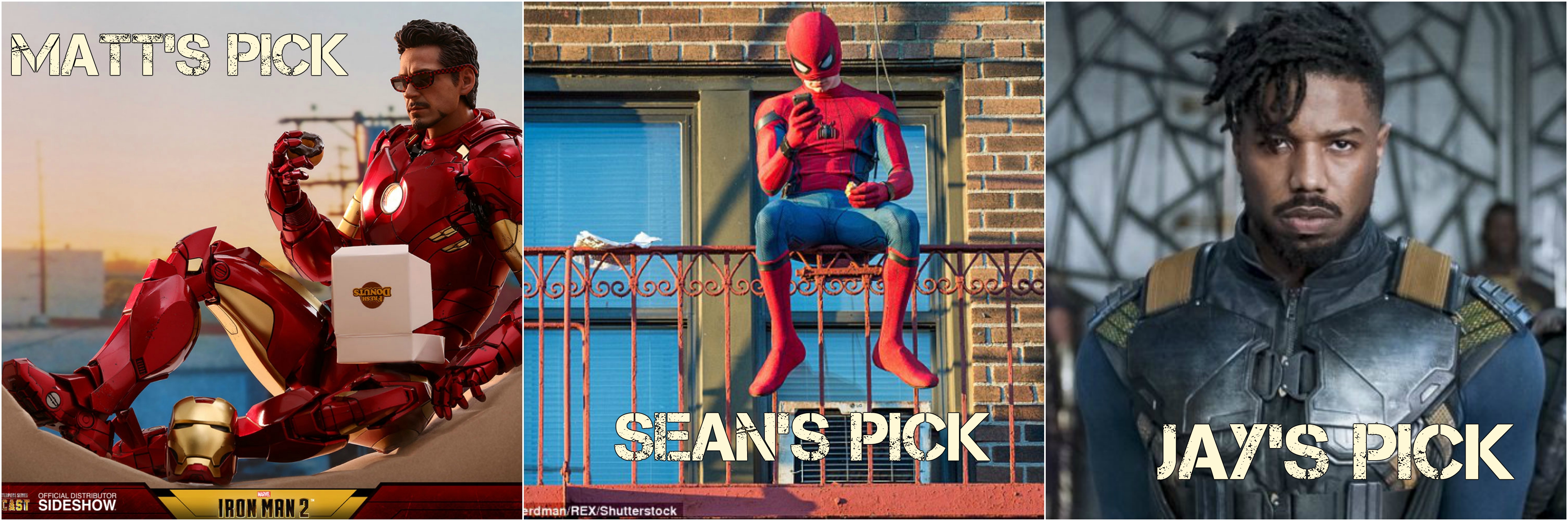
 Assholes Assemble!
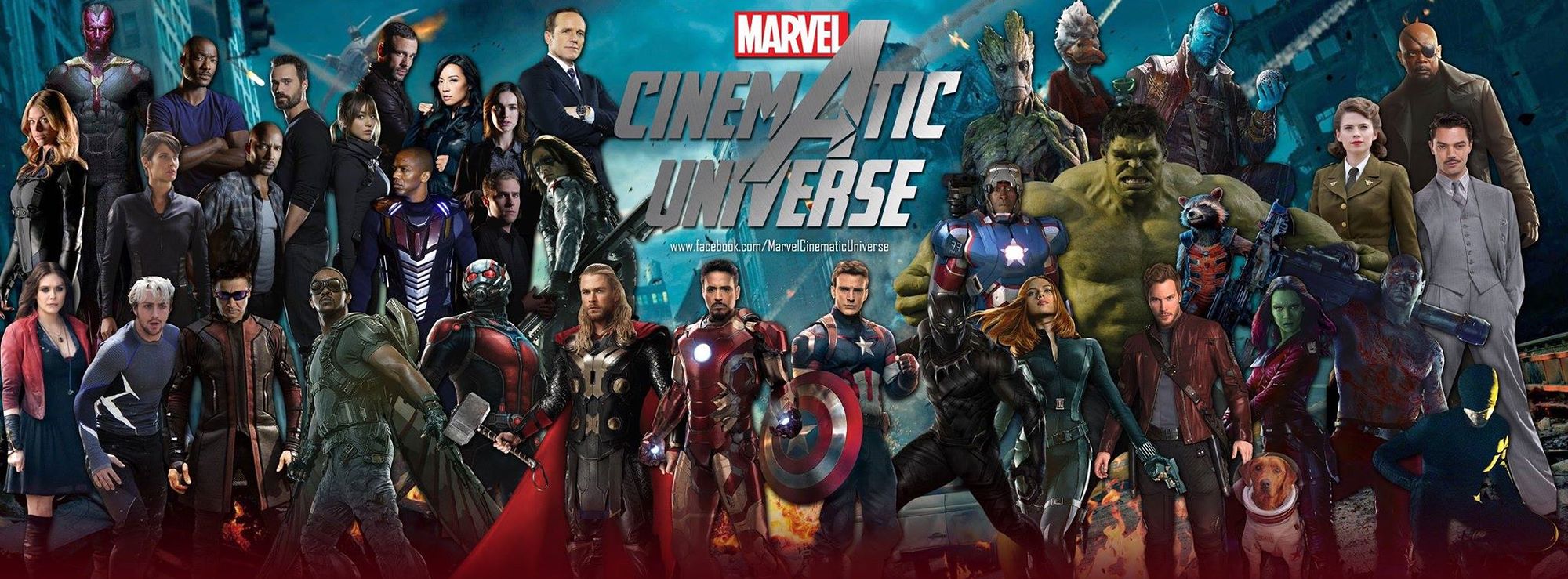
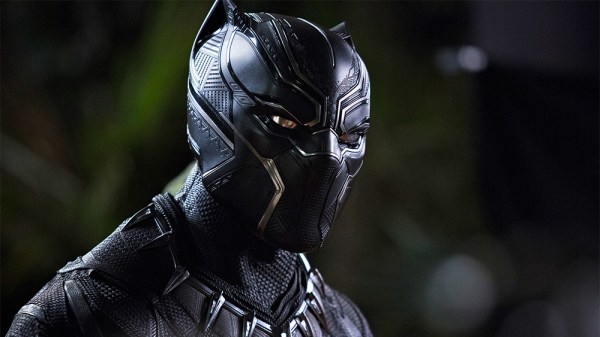 The Marvel Cinematic Universe is so bloated at this point that Marvel usually crams as many superheroes as possible into the “solo” movies in between Avengers instalments. For example, Iron Man pops up in
 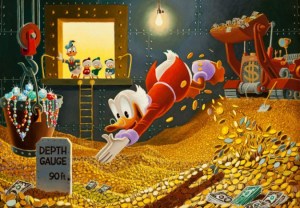 ess the same movie. Clearly, that’s Marvel’s goal with a shared universe as that way, we movie-loving rubes have to see them all, and throw even more cash into Disney’s money bin (which by now must be bigger than Scrooge McDuck’s).
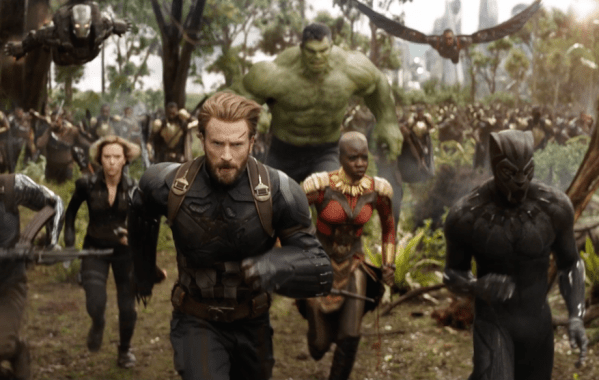
 ty disputes in Black Panther are resolved through lots of punching and kicking (which, for all its flaws, is clearly a more efficient political system than the one the USA is currently using).
 her to write a ransom note for $5,000 and then threw her off a bridge. Papers called her accused assailant the “Negro chauffeur” or “colored servant” but his name was Joseph Spell, and he claimed he was innocent. Lucky for him, his case caught the attention of the NAACP and Marshall was dispatched to try his case. Only he couldn’t; the racist judge wouldn’t let him on the grounds that he was “from out of town” so Marshall had to team with another lawyer and somehow stay silent through the infuriating trial.
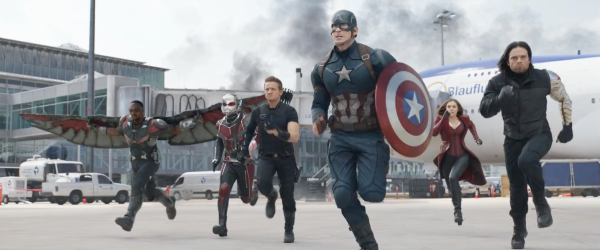 Spider-Man. Ant-Man. Falcon. Black Panther. These are the top four characters, in order, in Captain America: Civil War. You might think it’s a bad sign that neither Captain America nor Iron Man is on that list, but you’d be wrong! Although you would be right in thinking I wish this had been a Spider-Man movie with a Captain America/Iron Man cameo, rather than the other way around.
 ASSHOLES WATCHING MOVIES