
I’m really struggling to write this review. I’m even struggling to tell you why I’m struggling with the writing. The thing is, I quite liked the movie, liked it a lot for a movie that is perhaps not meant to be ‘liked.’
It’s about a family that comes together awkwardly when things go bad. Matriarch Sally (Margo Martingale) falls ill – a tumor in her brain requires surgery. Her husband Don (Richard Jenkins) thought symptoms including numb extremities and partial blindness were due to her weight, and sent her to Jenny Craig. Their son Ron (Sharlto Copley) has just been fired from the family business where his dad was his boss, and is living in his parents’ basement. John (John Krasinski) leaves his job and pregnant girlfriend (Anna Kendrick) to be by his mother’s side but it’s immediately obvious why this family doesn’t come together more often. The dynamic is a  little…sticky. And perhaps in the days before a serious surgery, The Hollars could use a little less hollering and a lot more making amends.
You’ll already have noticed that this movie has a super stellar cast, and everyone’s acting like their jobs depend on it (haha – movie joke). But this could easily have just felt a little light-handed and a little familiar, but between writer Jim Strouse and director Krasinski, they manage to keep it light but not superficial.
What I adored about the film is its characters – every single one flawed. And yet even Don is sympathetic, perhaps not caring for his wife as he should but absolutely terrified of life without her. These people feel real. I feel like I’ve sat in waiting rooms with them. Crises do not bring out the best in them. They still do the wrong thing and say the wrong thing and they don’t have picture-perfect moments around the old hospital bed. Real life doesn’t work like that, and neither does this movie.
So that’s what I liked about The Hollars: the connection. Somehow it opened a creaky door to my dusty heart and beamed a bittersweet chunk of real life straight in. Dysfunction doesn’t magically iron itself out just because someone has a brush with death, but in hospitals round the globe you’ll see families trying their best to muddle through, putting on brave faces, eating vending machine junk food instead of dinner, navigating the complicated familial fault lines of in-laws and exes, making good decisions and bad decisions, wiping away secret tears, hassling doctors, re-reading the same page of a magazine twice, three times. It’s what we do. It’s not particularly dignified or graceful or entertaining, and it’s not usually the stuff movies are made of. But once in a while they sneak one through, and it’s how we know we are not alone, that other people look just as bad in bathrobes, that other families have embarrassing conflicts, that other sons have survived seeing their mothers vulnerable and scared, and lived to tell the tale.
 based on conspicuous consumption. She held jobs that real life women were still dreaming about. She wasn’t saddled with kids. She drove her own car and owned her own home, independently, without the help of Ken, who was little more than another accessory. But no matter how many astronaut Barbies existed, she was still tall, blonde, blue-eyed, thin, with impossible, top-heavy measurements. Sleepover Barbie came with a scale permanently stuck at 110lbs and a diet book that simply said “Don’t eat.” Needless to say, real-life feminists could never quite embrace her, even as their own daughters flocked to toy stores to buy her up.
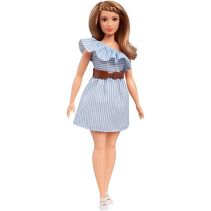 including tall, petite, and curvy. Curvy Barbie has a thicker waist and no thigh gap. It seems like a no-brainer now, but for the people working at Mattel, it was ulcer-inducing times. Would feminists finally be appeased? Would they be derided for waiting too long? Would children embrace a “fat” Barbie, one that didn’t fit into the outfits they might already own? They were anxious to steer the narrative but were wise enough to know that social media would own them – and that a Time cover story would largely dictate her early adoption or lack thereof.
 documentary. It was hard not to have a knee-jerk reaction to this thing that felt wrong, felt maybe even racist, though we couldn’t quite articulate why, other than the fact that it necessarily deals in stereotypes. But on paper, it’s harder not to see her point. And in practice, it’s impossible not to feel compassion for her children who are being punished for the sins of their mother.
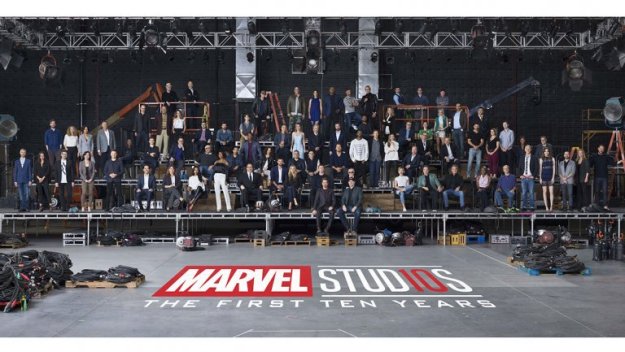
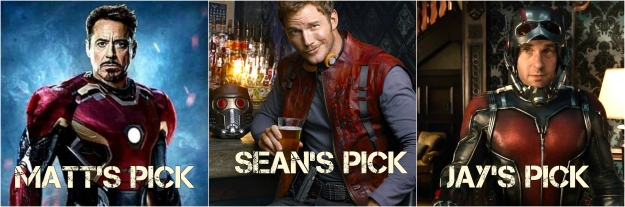
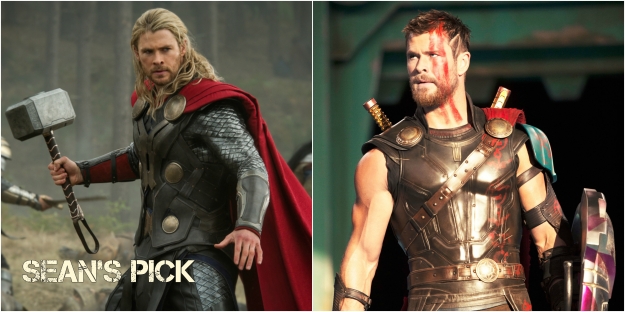
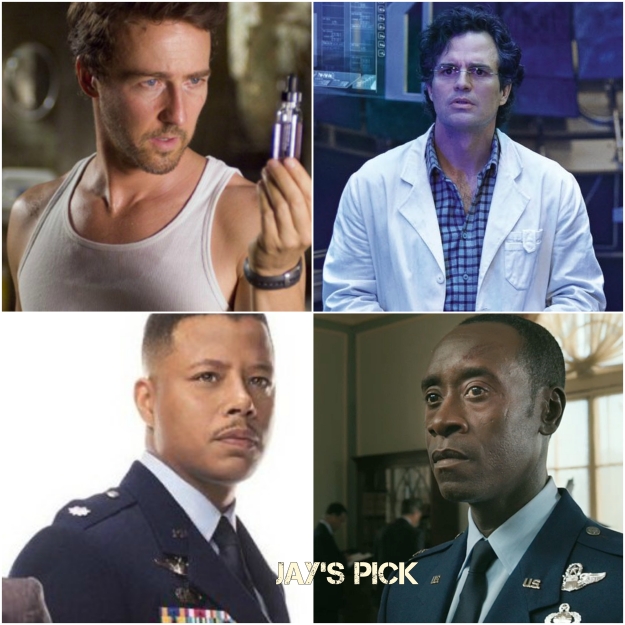
 Hey, we all picked from the same movie!



























 school. Apparently debate is now mostly loud, fast shouting. Like auctioneer fast. The arguments are spit out in such a high-speed string that they are not even distinguishable. So it’s really not all that fun to watch. As in, not remotely fun, so I wonder if the director just invented the fast pace in order to basically fast forward the most boring parts of his movie. Which is not exactly a vote of confidence, is it?
 money in order to assemble the biggest nuts in your family just to see which ones will crack under the pressure. And oh my god they crack in such spectacular fashion. I bet your own wedding was not without disaster: tell us about it in the comments! But every wedding has its own brand of chaos, and with Sandler co-penning the script, you know you’re in for some moans and groans, if perhaps not of particularly imaginative variety.
 Assholes Assemble!
 been super tight as far back as they can remember, and can hardly envision a future that doesn’t include each other – like, on a daily, hourly basis. So the ultimate theme of this movie is not so unusual: it’s letting go. Letting go in more ways than one, sure, but it’s not exactly groundbreaking stuff.
 (at a fashion magazine, working for squeaky-voiced Michelle Williams) and a new boyfriend (the perpetually bearded Rory Scovel) and attributes her newfound success to her newfound beauty. And her actions start to reflect those beliefs: she shames her friends (Busy Philipps, Aidy Bryant) for not emphasizing attractiveness and is less than faithful to her ‘nice’ boyfriend when she gets attention from a ‘hot’ guy. So is this purely a positive message? No it is not. But there’s a good intention somewhere in there about how anyone, no matter how they look (*cough*Emily Ratajkowski*cough*), can suffer from low self-esteem. And it’s confidence, not looks, that actually attract good things your way.
 ASSHOLES WATCHING MOVIES