Adam Sandler is not everyone’s cup of tea. His movies tend toward the juvenile and so lots of people give him a wide berth at the box office. But to know Adam Sandler is to love him; in actors’ circles, he’s known as the nicest guy in Hollywood.
A little shy, Sandler does as little press as he can get away with, almost no print, and only very occasional talk show appearances, which he usually does in character. As the head of his production company, Happy Madison, things are a little different. He’s the affable and humble centre of an awful lot of industry, loyally employing friends and family on projects skewered by critics but beloved by audiences. Sandler’s movies haven’t been box office juggernauts in years, but they are consistent earners, and his name has continually if quietly stayed among the top earners of Hollywood for the past two decades.
Sandler’s early success meant he could start doing things his way, and he’s surrounded himself with the same cast of characters, working with the directors and writers he trusts, to say nothing of the famous faces appearing in his movies. Always grateful to Saturday Night Live as his diving board to fame (he was discovered by Dennis Miller), he employs not just the SNL alums he worked with (David Spade, Rob Schneider, Chris Rock, Norm MacDonald) but many besides (Will Forte, Andy Samberg, Dan Aykroyd, Kevin Nealon, Rachel Dratch). He attracts big names to his movies (Jack Nicholson, Harvey Keitel), but always finds room for old friends (Allen Covert, Peter Dante), Sandler mainstays (Henry Winkler, Kevin James, Steve Buscemi), and his own wife and daughters.
 One such person who can never get enough is Drew Barrymore. In her 2015 memoir Wildflower, Barrymore describes begging for a chance to meet him after her good friend Tamra Davis (director of Billy Madison) raved about him. Barrymore was certain of his “goodness” and felt they should pair up despite them being complete opposites in their early 20s, “like a preppy and a punk set up on a bad blind date.” Her pitch worked: pretty soon he came calling with a little movie called
  The Wedding Singer in his pocket. Written by Sandler groupie Tim Herlihy, it was given an uncredited polish by Sandler’s friend and former roommate, Judd Apatow (another guy famous for working with a loyal crew, including Sandler himself of course, most notably on Funny People) and Carrie Fisher, to give equal weight to the feminine side. The movie was a hit, with Drew certifiably falling in love with the Sandler crew, calling them “real, no-bullshit friends” which I take is a high compliment in Hollywood.
People loved The Wedding Singer for many reasons – the 80s nostalgia, the cheesy music, but above all, the incredible chemistry between Adam and Drew (she refers to him as her “cinematic soulmate”).
Always intending to work with Sandler again, Barrymore knew they couldn’t settle for anything less than the greatness they’d already achieved. But life  moved on. Drew worked intensely on a Penny Marshall movie called Riding in Cars with Boys, and it was around that time that she came across a romantic script that she thought was a great fit for her production company, Flower Films. Unfortunately that script was a hot commodity, and it kept changing hands, with big directors and stars attached, never becoming available to her, despite numerous attempts. Until one day she heard that it had landed at Adam’s studio, Happy Madison. By this time they each had an office just a few hundred feet apart on the Sony lot (she was doing Charlie’s Angels), so he was easy to hound. Sandler was already turning
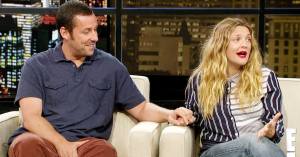 it into a comedy but welcomed Drew on board not only as a co-star but also as co-producer, and she’s responsible for keeping the important elements of the love story, the parts that turned us all to mush.
Adam and Drew took the Seattle drama and laid it out in Hawaii instead, each bringing their production families to paradise and basically turning the island into a happy party (so happy that her Angels co-star Cameron Diaz came to visit and never left). 50 First Dates opened on Valentine’s day, and I was there, butt in the seat, and actually watched it twice (the projector broke down half way through, and we had to star the thing over from the beginning). They  broke records that opening weekend; I’m not the only one who finds these two irresistible.
It would be another decade before they reunited on-screen again, with The Wedding Singer director Frank Coraci back at the helm for a movie about modern families called Blended. This movie would be proof of how far they each had come, personally and professionally, since first meeting as successful, hard-partying kids in the 90s. Sandler, once a “bad boy of SNL” now has a reputation for being a family man. He has always been quick to attribute credit to his parents (his highest-grossing comedy album named for them, Stan & Judy’s kid, and even one of Chris Rock’s albums a tribute to Sandler’s late father). By this time Adam and Drew had 3 daughters between them and the whole crew headed to Africa, families in tow. Barrymore has downshifted on her acting career since becoming a mother, finding it hard to strike the balance, but an Adam Sandler film “celebrates  wives and kids” and she was able to make a family adventure out of it, even discovering on her last day of shooting that she was pregnant with a second daughter.
Still the best of friends, Adam and Drew now attend each other’s kids’ birthday parties (2 daughters apiece – Sadie and Sunnie for him, Olive and Frankie for her) and talk about their next project, whatever that may be, joking that they’ll still be making romantic comedies when they’re old and gray. (In fact, during press for the movie Blended, Adam made a very pregnant Drew cry when he sang the precious The Wedding Singer song to her “I Want to Grow Old With You”).
No matter what it is, I know I’ll be in line to see it. These two are cute as can be when they’re together, and Drew knows why: “I once knew a boy named Adam. And I hoped that we could be a team, but what I found was a true partner. I now know a man named Adam, and trust me when I say, he is as great as you want him to be.”
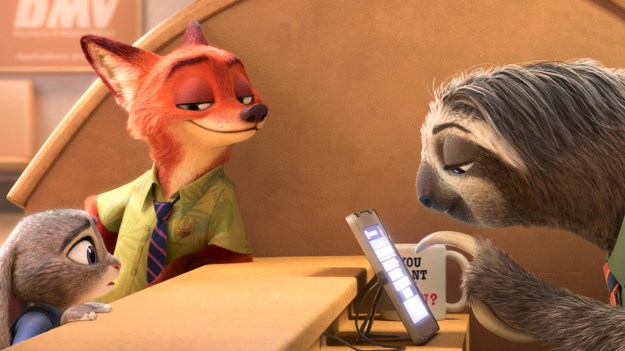 In 2006, Disney purchased Pixar for the equivalent of $7.4 billion dollars. It’s becoming more and more clear how good a deal that was for Disney. Every Disney animated movie since has been amazing, from Wreck-It-Ralph to
  Not only is Zootopia another success for Disney, it may be the best of the bunch since John Lasseter and Pixar came on board, and that’s probably the best endorsement I can give.
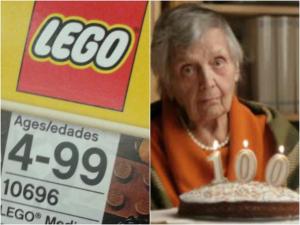 Disney has picked up the torch from Pixar in that area and is doing it as well as Pixar ever did. Zootopia is literally a movie that all ages will enjoy. So it’s one up on LEGO!
 choose someone who wants to


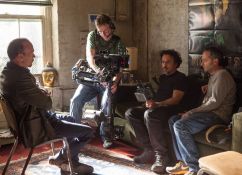 tight). They aren’t just recording the actors, they’re making choices that craft, manipulate, and interpret what we see. They oversee the camera operators, grips, and lighting crew to achieve this vision.
 about to threepeat with
 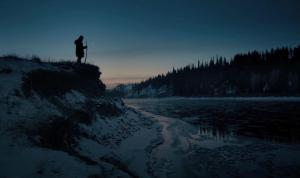 moving cameras, either handheld or Steadicam cranes, but the camera is constantly moving. We did a lot of these shots that we call the elastic shots where we go from a very objective view from the audience’s point of view, to a very subjective point of view that is the point of view of the character, because we wanted to feel what he’s feeling but also see it as he would be if you were standing close to the action.”
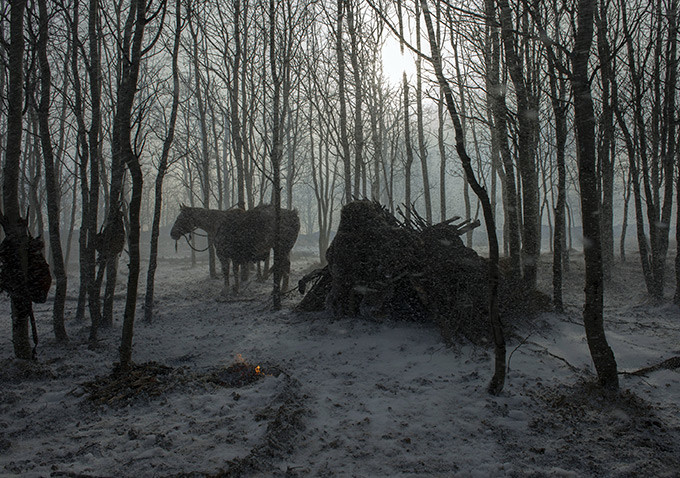
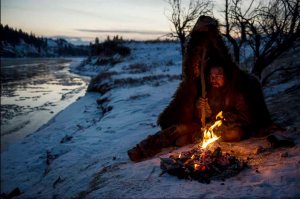 long, limited by the hours during which they could shoot. They raced the sun each day, and battled the stars at night. The only extra lighting they used was during the camp fire scene – there was lighting off-screen to compensate for the wind making the flame flicker in a distracting way. The natural light also forced him to abandon film for digital, using the Arri Alexa 65 digital camera with lenses from 12mm to 21mm because film “didn’t have the sensitivity to capture the scenes we were trying to shoot, especially the things we shot at dawn and dusk. I felt this was my divorce from film — finally.”
 The shoot was famously arduous but Lubezki insists it was worth it, citing a particular scene in the movie where Leo comes out of the freezing water, with his breath visible and lips blue, which wouldn’t have been possible without “We would never have gotten anything like that. And while natural light is very complex because it’s constantly changing — which can be a problem for continuity — it’s beautiful.”


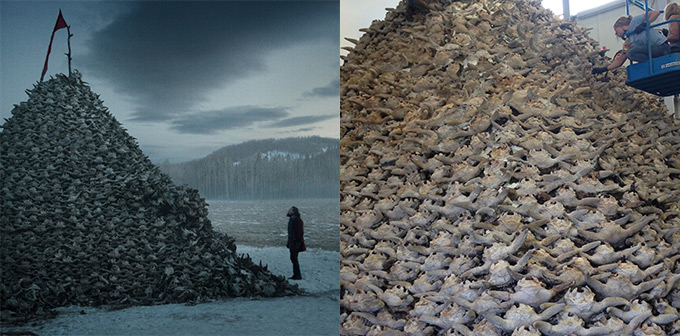




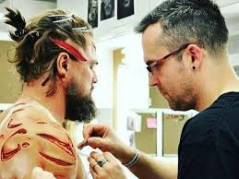
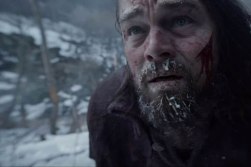 Jarman: Sian and I were working on “Suffragette” — we were actually doing the scene outside the Houses of Parliament at the time. She mentioned that she had been given the script for “The Revenant” and would I be interested in doing the prosthetics. She has been Leo’s make-up artist since “Titanic,” and I have made prosthetics for him since “The Aviator.” We flew out to L.A. a week or so later to have our first meeting with [director Alejandro G. Iñárritu]. I have done a lot of blood gags on films like “Saving Private Ryan” and “Band of
 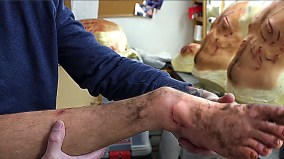 Brothers.” But it was the idea of taking that out of the studio environment and into some really harsh terrain and temperatures that really interested me.
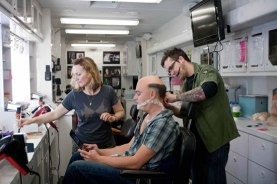 lodge and that he has real ice in his beard — not paraffin wax — and frost nip on his face and lips — not prosthetics pieces. If it starts to look like make-up at any time, you could take the audience out of the immersive quality of the film; it’s staggering how Alejandro and (D.P. Emmanuel Lubezki) manage to make you feel like you are there in the film with Glass, not just watching him on the screen. You even start to feel cold so the naturalism of the make-up is integral and essential.
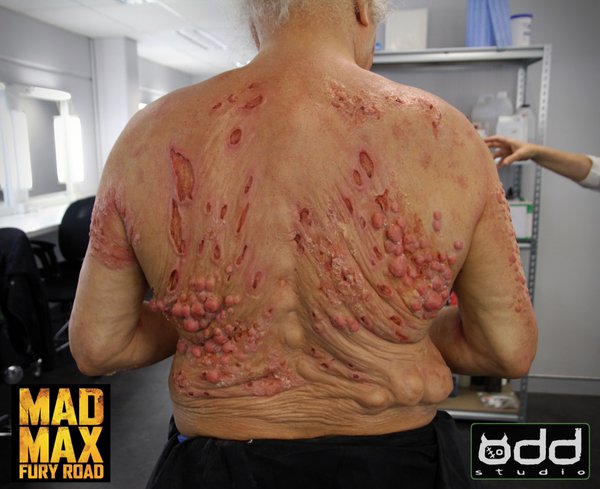
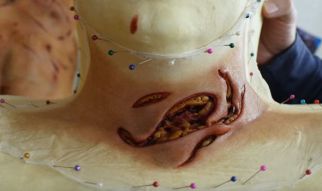 Impossible you say? To make this happen, the makeup artists used copious amounts of fake blood, created silicone neck equipment that could “bubble and bleed” and added wig lace that could be “stitched” back together by Leo’s cast mates. Poor Leo had to lie in freezing mud connected to dozens of blood lines, covered in cold blood for hours. But it looks damn real in the movie.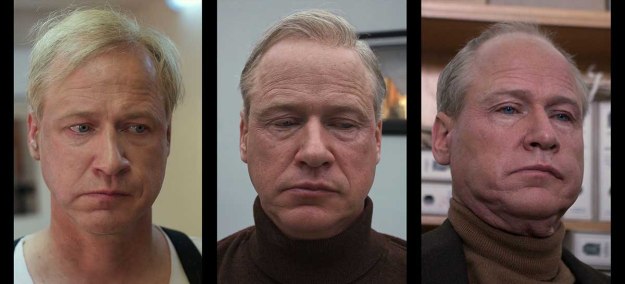
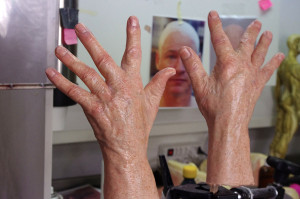 added cheek pieces, an upper lip, a chin, a nose piece and ear pieces, as well as lace eyebrows that were laid and lace sideburns. The whole baldcap was punched with strands of hair individually. We didn’t use any lace pieces on the baldcap. He had contact lenses made by the Reel Eye Company in the U.K. and vacuum-form pieces for his teeth that looked more gray and old-ish – really thin but pretty much like dentures with a 0.2mm thick plastic layer. It doesn’t affect his speech and you can tint and color them.”
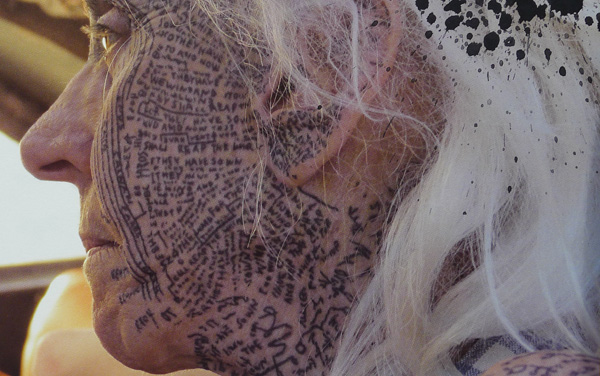
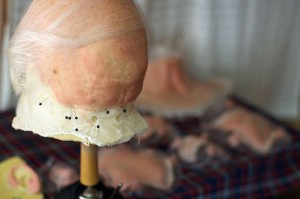 stated. “In the trailer, I added castor oil, airbrushed with a Paasche airbrush. If you add castor oil to the Illustrator colors, it becomes a bit more flexible. Then, we added all of the fine details and sealed it with silicone caulking.” Silicone caulking guys – imagine sitting through that! (Well, technically, Matt and I almost can – if you missed the piece where we sit through our own makeup ordeal,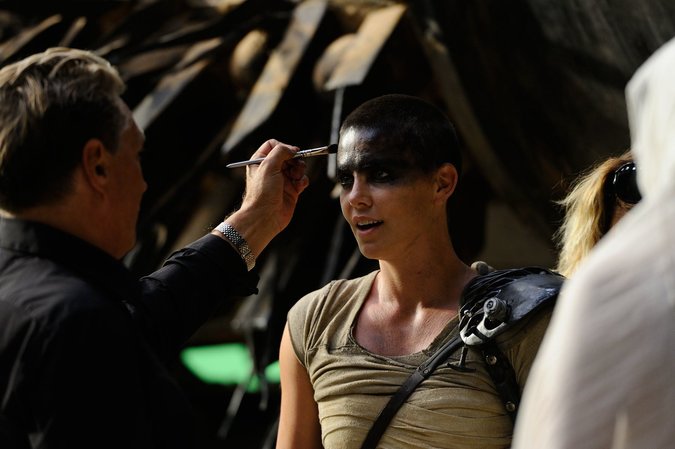

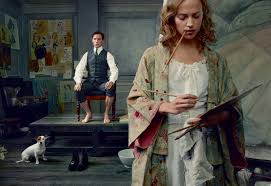
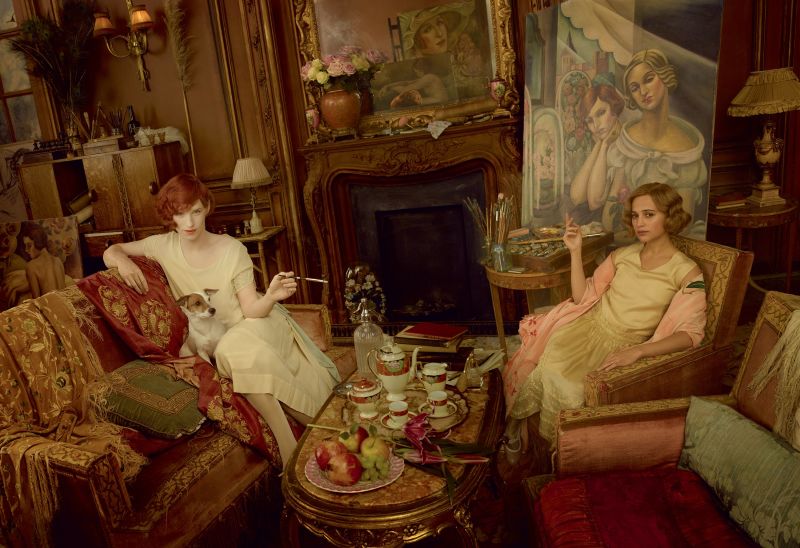
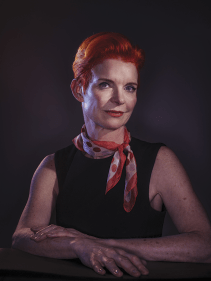 OBE (Officer of the Order of the British Empire) in the 2011 Queen’s New Years Honours List for her services to costume design and the film industry for her work on films such as The Crying Game, Rob Roy, The End of The Affair, and The Other Boelyn Girl. She’s been nominated for an Academy Award 12 times already and won three – for Shakespeare in Love, The Aviator, and The Young Victoria – but she’s not up for one this year, she’s up for two!
 period and modern.” Powell would agree. “Unless of course the film requires it, I’m not interested in an exact replica of the period. I look at the period, how it should be, how it could be, and then I do my own version.” And that’s how you win awards.
 Roberts famously thanked a costumer for giving her cleavage in Erin Brockovich. Sandy Powell, while working on Interview with the Vampire: The Vampire Chronicles, said “It was different. Tom Cruise was lovely to me, but there were many discussions about his height in relation to Brad Pitt’s. There are always vanity concerns.”
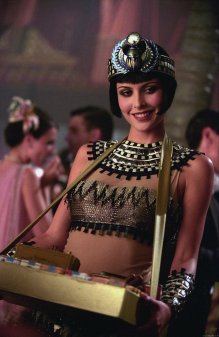 coming up with a realistic budget (Sandy Powell had a 2 million dollar budget for The Aviator!), keeping track of all the receipts, and managing the demands of the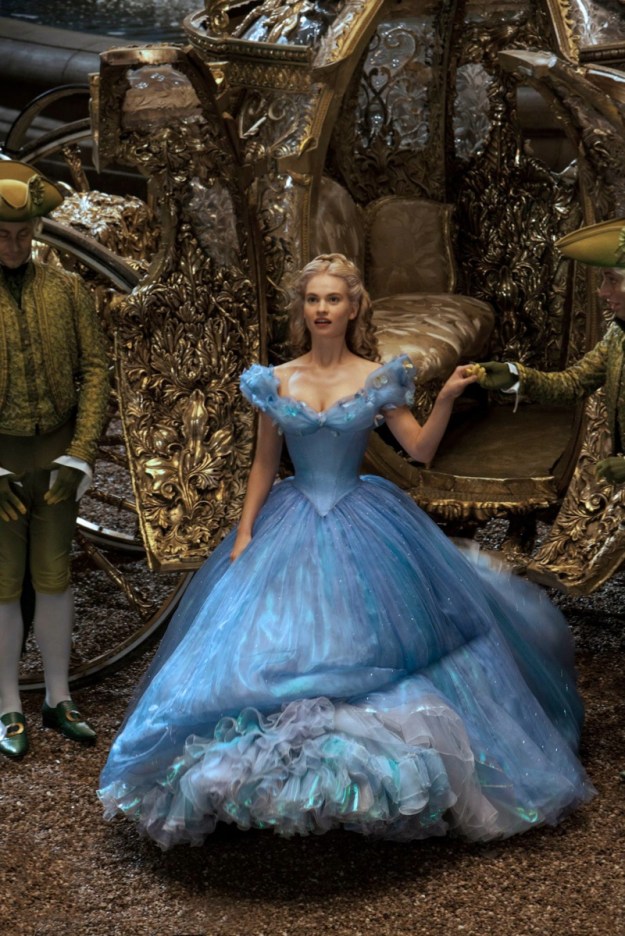

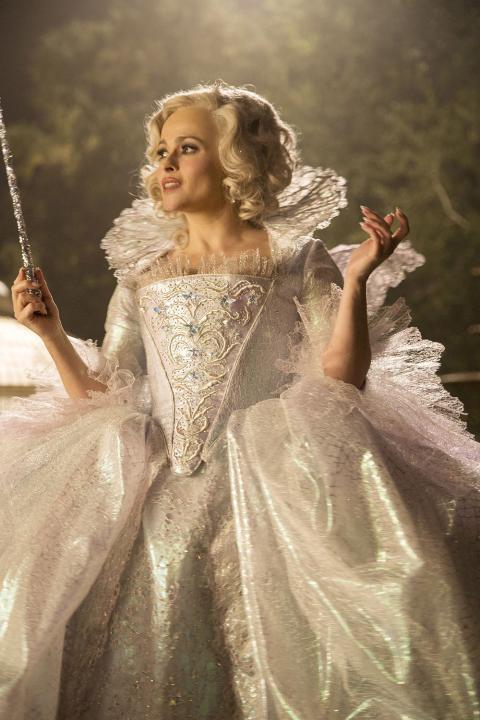
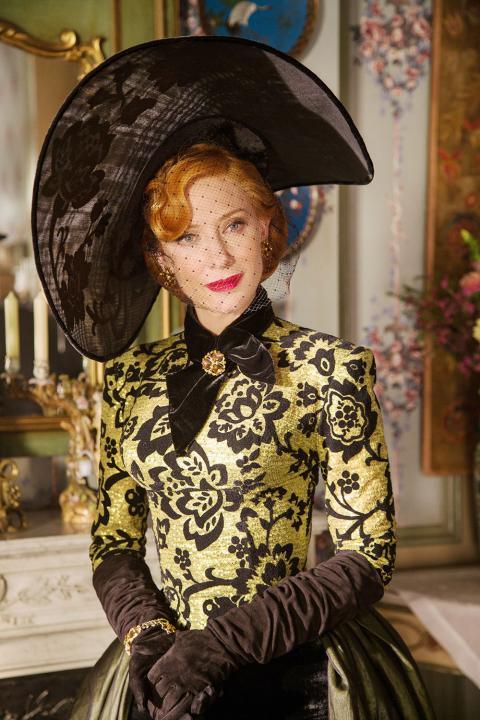

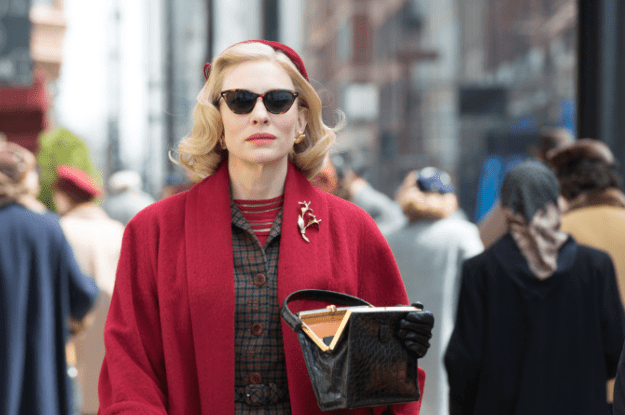

 create that silhouette, I had to start with the undergarments. That’s not Cate’s natural silhouette — she doesn’t have pointed bosoms [laughs]. Believe it or not, a lot of the jacket shapes are actually padded over the hips to give that hip shape and the small waist and the bras provide that shape of the bosom. So you create the silhouette from the foundation garments and build the clothing over the top.”
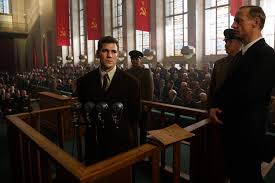
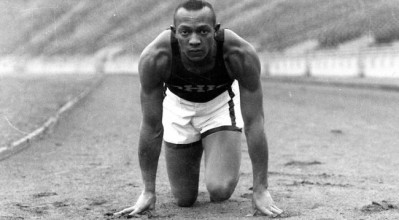 ocrisy by showing us the second-class citizenship of Owens even when he’s America’s hero. If that was the aim, Race falls well short. Painting Hitler and the Nazis as the bad guys is easy, and Race goes that route. But the real story is more damning and I wish Race had told it as it happened. At a political rally in October 1936, relatively soon after his triumphant return to the U.S. with four gold medals in hand, Owens said, “Some people say Hitler snubbed me. But I tell you, Hitler did not snub me. I am not knocking the President….but remember that the President did not send me a message of congratulations because people said, he was too busy.” Hitler reportedly shook Owens’ hand after his victories, while Franklin Delano Roosevelt couldn’t find the time to send Owens a congratulatory telegram.
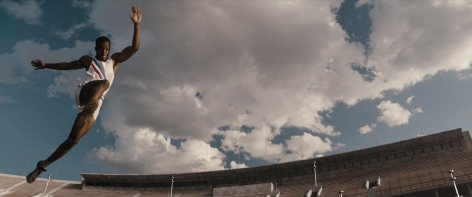 sing his amateur status he was reduced to racing against horses for show. Later, Owens got by as a dry cleaner and gas station attendant (though “got by” may be generous as he declared bankruptcy and was prosecuted for tax evasion). All in all, it’s a very sad statement. Today, Owens is rightfully regarded as a legend but it seems that during his lifetime he was not treated like one, to say the least. Race hints at that fate but doesn’t focus on it, and that’s a shame.
 home top prize for Outstanding Directorial Achievement in Feature Film for his brilliant work on
  producers, that kind of thing, fixed costs that no matter what scene is cut or special effect is scrimped on will still be paid the same. The UPM gets tasked with the less glamourous crew, the “below-the-line” costs, contracting with gaffers, makeup artists, sound engineers, all the “little people” who turn up and work hard to actually turn good ideas into reality. Plus he or she will be negotiating deals for location, equipment, etc.
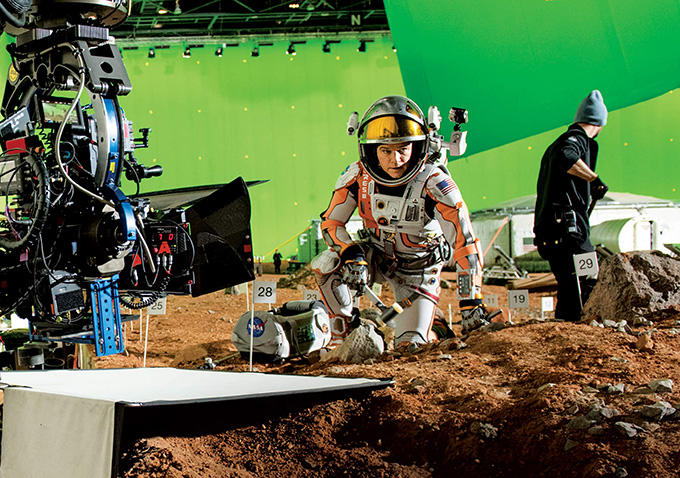
 sure everyone’s safe. The first assistant director (1AD) is directly responsible to the director and runs the floor or set; they have to accurately estimate how long it will take to film a scene – whether several pages will be shot quickly, or one emotional paragraph may take all day. The 1AD is the communicator on set: all directions to the rest of the crew from the director will run through him or her. The second assistant director (2AD) creates the call sheets and then makes sure that all the cast is ready to follow through,
  putting them through make-up and wardrobe. The call sheet tells cast and crew what scenes and script pages are being shot today, and where. They will provide exact start times (which rarely turn out to be all that exact), and addresses of shoot locations, and transportation arrangements so everyone can actually get there and maybe even park legally. It should also have contact info for the important crew, safety notes, maybe weather reports, sunrise\sunset times, and where to find the nearest hardware store when you inevitably need another extension cord. The second
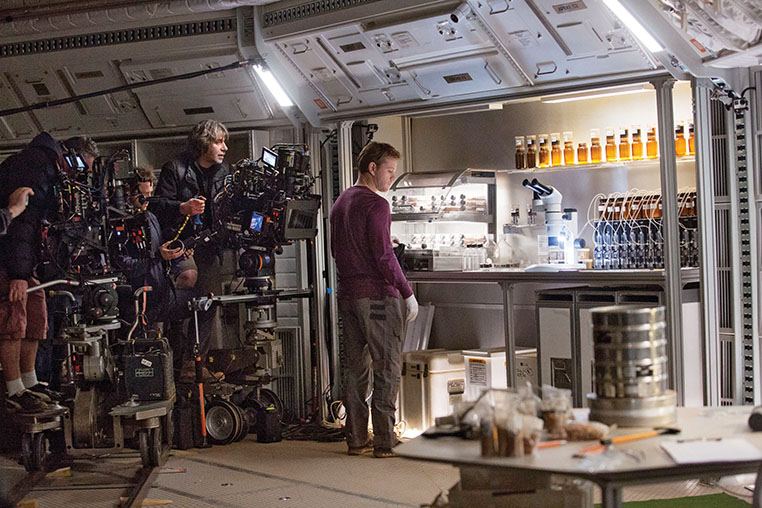
 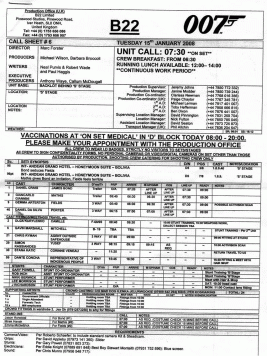 second assistant director (22AD) (yes, that’s their real title) comes on board when the production is big and\or complicated. You can be sure the 2AD is checking on Brad Pitt’s mustache while the 22AD is making sure there’s a dozen ladies in hoop skirts behind him, or a thousand extras in zombie makeup, or that all the parking meters are fed. This really frees up Alejandro Iñárritu to laze about in his director’s chair fantasizing about Leo’s frosty breath, or Wes Anderson to deliberate between Egyptian blue and Ultramarine, or Steven Spielberg to play another practical joke on Tom Hanks.
 I’m also crazy excited to tell you that Alex Garland won for Outstanding Directorial Achievement of a First-Time Feature Film Director. Recognize his name? He’s the man behind 2015’s break-out indie success and seriously one of my favourite films of the year,
 achievement. Thewlis worked under Martin Scorsese on The Age of Innocence as a DGA trainee. She worked on the Tupac Shakur movie Above the Rim as the key second assistant director and under director Jon Avnet as second second assistant director on Up Close & Personal and then spent a lot of years at Law & Order originally as Second Assistant Director and eventually First Assistant Director. Kudos to her, and may she be an inspiration and example of hard work to aspiring young film makers everywhere.