Sean and I are tragically removed from our friends this Oscar broadcast as we’ll be in Philadelphia for some odd reason, and it’s too darn bad because I would rock the shit out of this year’s Oscar menu.
The “official” Oscars after-party happens at the Governors Ball, with a menu created by Wolfgang Puck. His Oscar staples include black truffle chicken pot pie, his famous baked mac and cheese, and smoked salmon served on an Oscar-shaped cracker.
This year he’s also serving new items such as Moroccan-spiced Wagyu short rib topped with a Parmesan funnel cake (yeah, you read that right); taro root tacos with shrimp, mango, avocado and chipotle aioli (I might consider caviar tacos myself); gnochetti with braised mushrooms and cashew cream; and lobster corn dogs (um, excuse me?).
Then there’s gold-dusted truffle popcorn, red velvet waffles, caramel cappuccino Oscar lollipops, and chocolate bonbons in classic “movie theatre flavours” such as Sour Patch Kids, Red Hots, and Goobers.
And don’t forget the champagne. Cases and cases of champagne, plus Francis Ford Coppola wine, natch.
Of course there are dozens of competing after-parties, and Oscar winners will likely make appearances at several over the course of the night, with the women likely making pit stops to change gowns (not into something more comfortable, mind you, but into something that hasn’t been photographed obsessively just three hours prior).
The decadence extends to the famed Oscar “swag bags” that the nominees receive (mind you these only go to the celebrity nominees in acting categories. An Editor doesn’t warrant one). What’s in the bag (theme: “Everyone Wins!”) this year?
a week’s stay at the Golden Door, a resort spa with an art collection, in-room massages, meditation pathways, citrus trees, and a “pain empowerment” “experience” that makes me want to punch someone in the teeth
personalized sommelier service, plus a boutique bottle of champagne hand-selected for each nominee
limited edition bling: designed for the nominees by Namira Monaco, they’ll receive a pendant and brooch in the Pole Star Constellation
a vaporizer
a box of Dandi patches, which you wear in your armpits to prevent sweat stains from getting on your nice clothes – probably comes in handy since most celebs just “borrow” their frocks from designers
a 3-night stay in an 18-bedroom California mansion that’s worth $40K
sweet cheeks cellulite massage pad – apparently you sit on it for 30 minutes a day and the cellulite just packs a bag and leaves voluntarily
a Hawaiian vacation on Kauai’s sunny South Shore
personalized crayons including a gold one inscribed with the nominee’s name
CPR lessons
Canadian maple syrup
a 10 month supply of Opal apples, which apparently never go brown
The Academy Award for Best Film Editing is very closely correlated to Best Picture. For 33 years, 1981-2013, every Best Picture Winner was nominated for Film Editing. Two thirds of Best Picture winners also win for Editing.
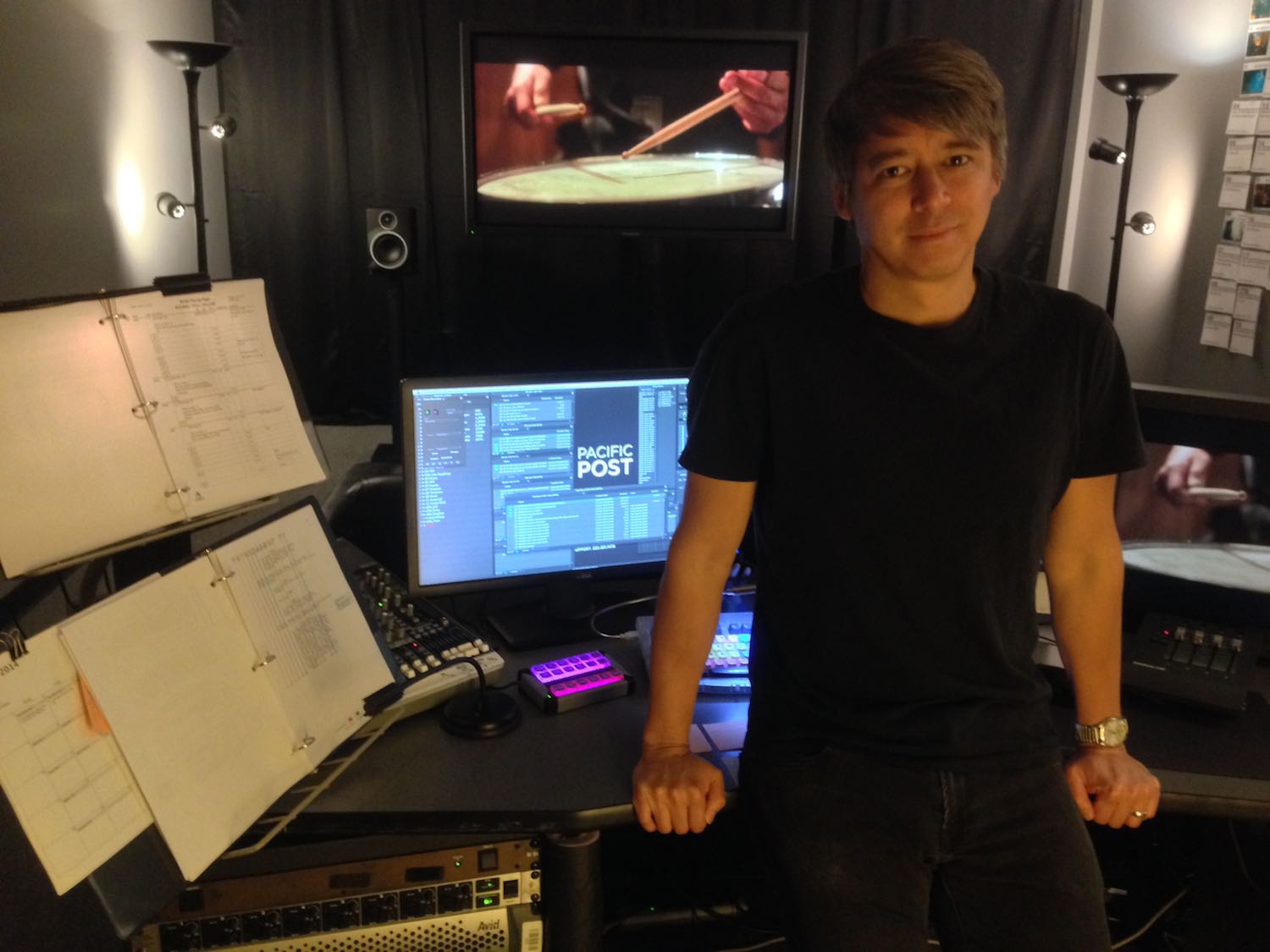
Editing is the invisible art that even editors struggle to describe.
Nebraska editor Kevin Tent: It’s hard to articulate what editors do, but when it’s bad, you’ll know it. When it’s good, you’ll never know.
Gravity co-editor Mark Sanger: The editor needs to provide a canvas that complements all of the other aspects to tie them together. If an audience has engaged deeply enough with a story to nominate it for best picture, then they understand the pages were bound together in the editing.
Any clearer? Basically, what Oscar voters are thinking is: Are there special challenges that go into it? Multiple story lines? Non-linear? Does it flow well, is the story clear? Is the film visually exceptional? Is the movie long but doesn’t feel it? Directing a movie is telling (showing) a story; editing a movie is how well you can tell it. Sometimes good editing means you don’t notice it at all, it seamless pulls together all the elements of the movie. Other times, it might purposely draw attention to itself: Wolf of Wall Street’s editor, Thelma Schoonmaker says “In ‘Wolf,’ we’re doing shocking cutting deliberately, because their world is out of control, and wild.”
Only the principal editor is named on the award. He or she may sit down and do the first edit of a movie by themselves, but the director is almost always sitting beside them for the polish of the film, and their work becomes blurred with judgments about pacing, film language, and more. Lots of directors have a go-to editor as this person will be their right-hand in making the film complete. They get to know each other very well, and must share a vision for the film, while pushing each other to make the best film possible. Michael Kahn, the most nominated editor is Oscars history, and tied for most wins (3), is a frequent collaborator of Steven Spielberg – they’ve worked together for nearly 40 years. Schoonmaker and Scorsese are also collaborators over several decades. Some of these editor-director ‘marriages’ last longer than the real ones do in Hollywood.
You probably can’t truly judge an editor unless you’ve seen the raw material they had to work with, but there are some things to look out for: is it focused? graceful? do they keep you on the edge of your seat when there’s action? are you riveted during a great performance? does it keep your interest throughout? are you ever confused, or left wondering what’s happening in a scene? do they stay on a particularly good moment for as long as it holds emotionally, or cut away too soon? What’s left out is just as important as what’s kept. And sometimes staying, rather than cutting, is even more powerful. Yup, it’s a lot to think about and certainly would require more than one viewing to really judge. There are only about 220 members of the Editing branch of the Academy, and they’re the ones who pick the nominees. Then everyone gets to vote for who wins.
This year’s nominees:
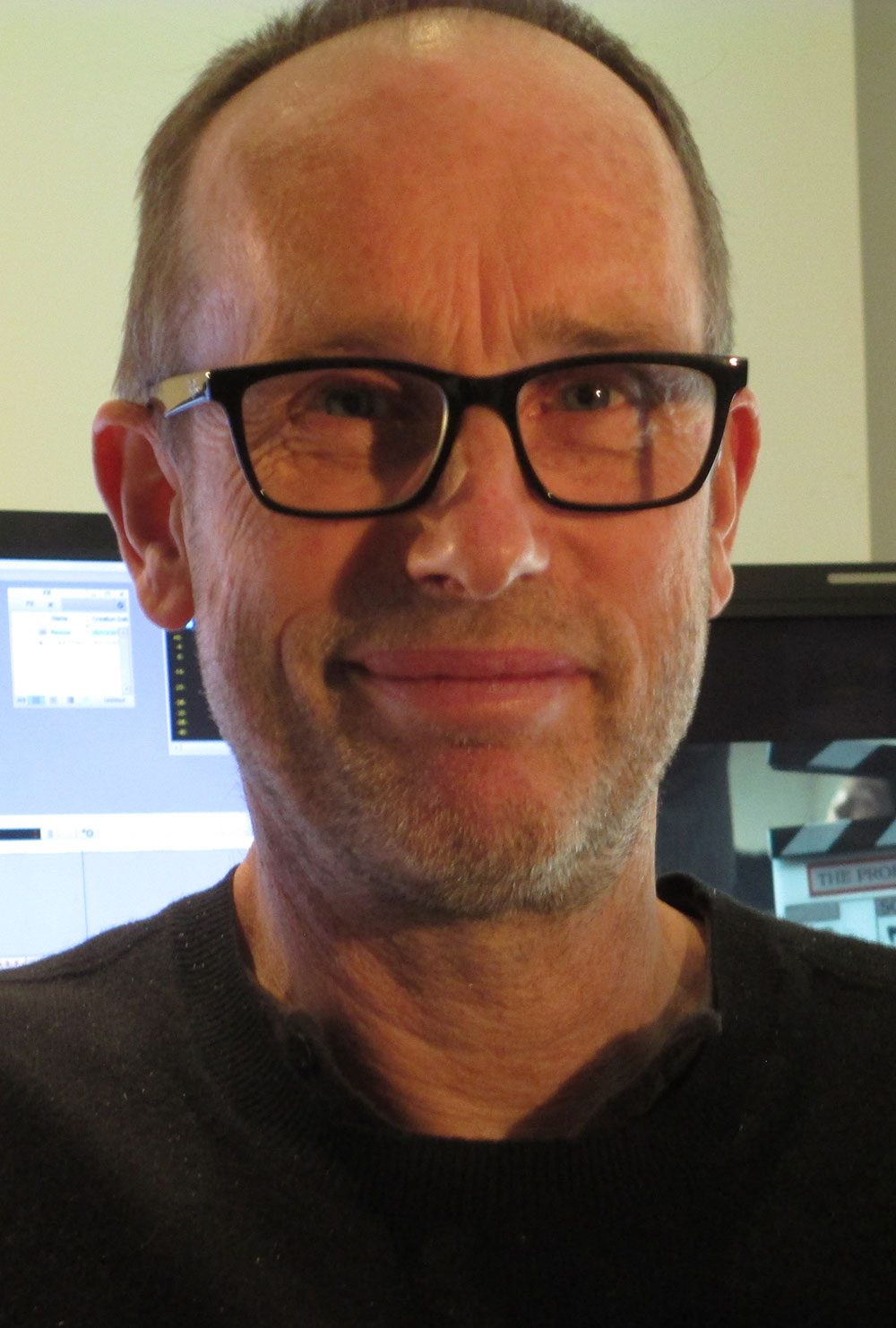
John Gilbert, for Hacksaw Ridge: Gilbert was previously nominated for his work on The Lord of the Rings: The Fellowship of the Ring, but the Academy likes war movies in terms of editing. The battle scenes have lots of intense editing, and Gilbert agrees that these are what the Academy is responding to: “They’re made up of fragments of images, a lot of it is very short shots and high intensity. The idea was to put the audience in amongst it and people really feel it in the battle scenes, a lot of people sort of cover their eyes, there’s a lot of bloodshed and mayhem, and it’s quite sustained.” While the initial work of stringing the film together can be done quickly, perhaps in a week, the real meat comes afterword, when director and editor sit down together to make all the difficult choices. “I worked with Mel Gibson for about 10 weeks on it. I originally thought that 10 weeks was not going to be enough. About half the movie is battle scenes, with a lot of quick-cut action, and a lot of choices due to the amount of footage I had. Mel had been in during the shoot and we went over some sequences in great detail, looking at re-speeding shots, and trimming frames, taking quite a bit of time. There are always key scenes where small changes in performance and timing can be critical and we worked hard on them.” Gilbert is quick to point out that editing is a collaborative process: “The assistants break it down into scenes for me, and I skip through the circled takes to start with, just to have a look at what sort of coverage I’ve got. I like to get an idea in my mind about the shape of the scene, where I’m going to use the wide shots, where I’m going to use the close-ups, and how to best use the coverage I have. I like to find what I think are they key moments in the scene and make a note of any magic I find in the performances. I make a ‘selects’ sequence as I go, which I make in story order, and that becomes the basis for my first edit. It is also useful if the script supervisor has a good relationship with the director and is able to give me insight into what they were thinking, and any moments they loved when shooting.”
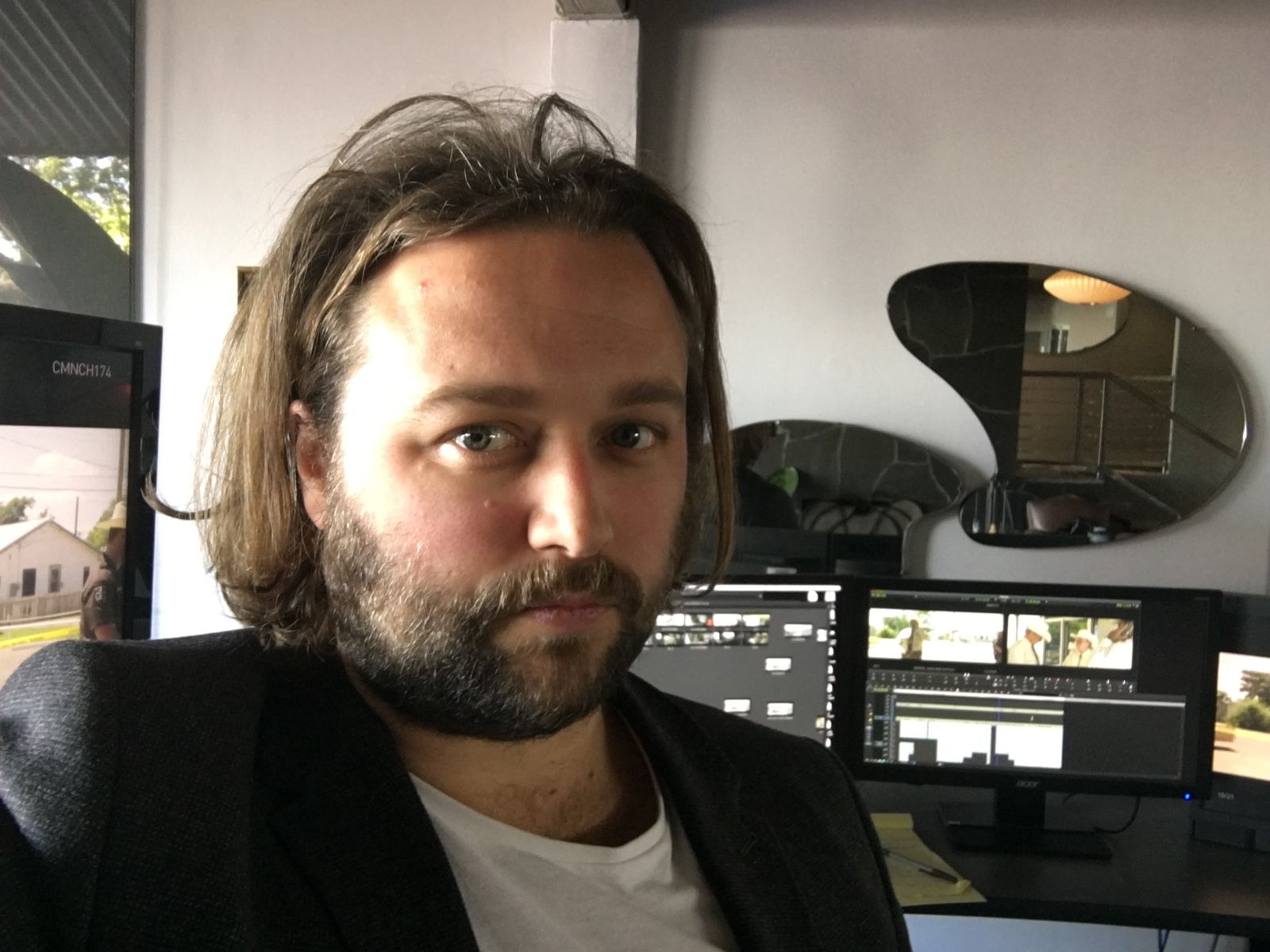
Joe Walker, for Arrival: Walker worked with Denis Villeneuve last year on Sicario and again this year on Blade Runner 2049, so they’re forming quite a successful partnership. He was previously nominated for his work on 12 Years A Slave. As Villeneuve and Walker wrapped up Sicario, Villeneuve passed him the script for Arrival, and he was immediately drawn to it for its “strong female lead. It was educated and it was grown-up, and I was fascinated by the application of my craft to it, in so far as it’s right in the middle of what I think is our super power as editors, which is the manipulation of time.” Arrival is told with little glimpses of memory, other times, other places. How do you sew that all together? “Many things were just grabbed moments that were sort of very emotive and beautiful, a hand touching a baby’s hand in a cart, or an out-of-focus shot of a horse in a stable. They could have gone anywhere. Trying to build that into the narrative and marble this narrative through with these little glimpses of a memory, if you like.” Arrival doesn’t have a strictly linear approach, nor is it classically circular or backward or necessarily out of chronological order. It simply does not exist within our perception of time and order. It’s interwoven, with all moments touching each other, if you can think of time reaching around on itself. “To really be moved by the ending, we felt we had to adjust that. We had to make sure that the wall that we built at the beginning wasn’t so solid that we couldn’t kick it down, but also we had to choose a real moment where people will definitely get it. That’s right at the heart of editing and narrative storytelling, working out when you’re just ahead of the audience, or in parallel with the audience, and never behind. We always wanted to compliment the audience’s intelligence so that they could figure it out themselves.”
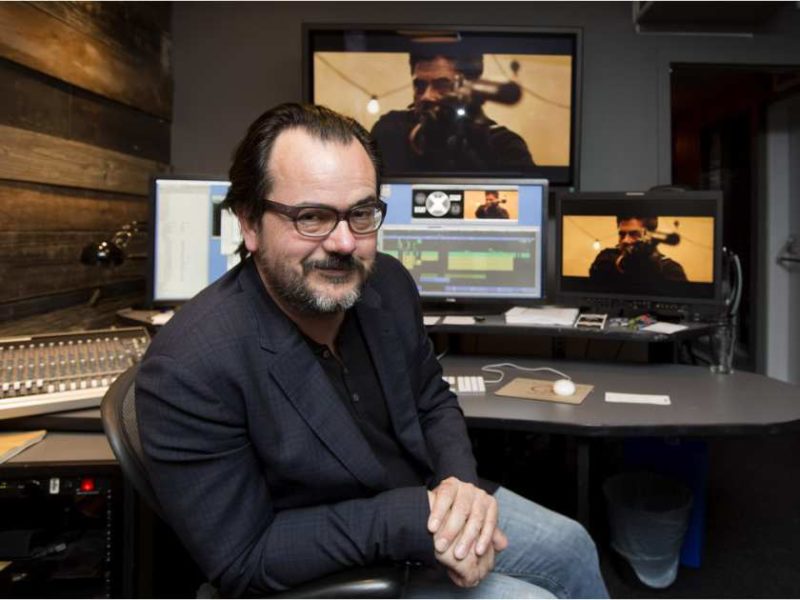
Jake Roberts, for Hell or High Water: Jake “NOT the Snake” Roberts has worked on some pretty great films, including Starred Up, Brooklyn, and Trespass Against Us, but this is his first Academy Award nomination. He was a film buff grown up and expected to be a “film maker” but fell into editing rather accidentally, and fell in love with it quite whole heartedly. “The alchemy that occurred when you juxtaposed certain images or performances and added music or sound effects was ‘filmmaking’ to me in the most literal sense. I’ve been editing ever since.” On the particular challenges of making a neo-Western like Hell or High Water: “The challenges were mostly about tone and pace. It’s a serious film but has plenty of laughs in it so we had to be careful not to let it get too heavy or too silly and walk a line between it’s extremes. Likewise we wanted the film to be languid in places and for the audience to be able to hear the space and the silences but equally for it to play plausibly as a mainstream thriller.” How does he evaluate editing? “Never stop asking questions of the material. What do I (as the audience) want to see next? What information, be it visual or expositional, do I need to follow the story? What don’t I need? What is repetitive? Why don’t I like that character as much as I should? Why does it feel slow here?”
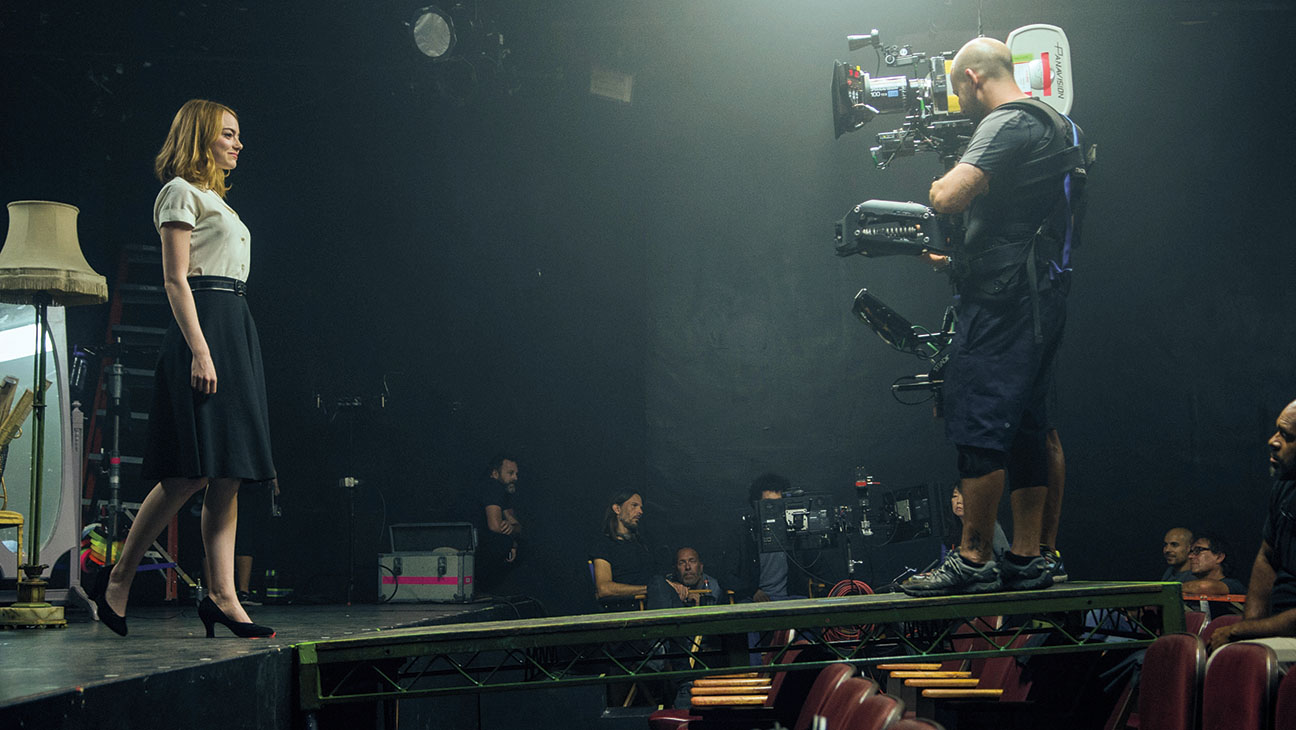
Tom Cross, for La La Land: He’s only been the lead editor on films since 2010 but he’s already got one Academy Award under his belt, for – you guessed it – Whiplash. How does Cross describe his collaborator, director Damien Chazelle? “Very, very prepared. In that way, it really helps me as an editor to put the movie into the first cut. The other thing that is so great about Damien, as a director, is that he is a true believer in what film editing can do. He gets very excited about solving problems, whether they be story problems or a character problems. I shouldn’t really say “problems,” but issues. He gets very excited about solving certain issues through editing. To his credit, he’s a brilliant writer and a visionary director, but he also is not afraid to change something in his script, whether it be dialogue or action, in order to fit what the film has to be.” How does Whiplash compare to La La Land? “In the case of Whiplash, the directive was to tell a story at a break neck pace, and with a certain amount of precision. As if the character of Fletcher was editing the movie itself. In the case of La La Land, Damien had similar directives for the editing. He had different styles that he wanted to do scenes. He used certain romantic scenes that would play out at a slower pace, and maybe less cuts. He knew that in order for that to really work and have the right emotional impact, he would have to offset that in other scenes. Other scenes have quick cutting, or fast cutting, or are told with dissolve, or other optical techniques. I think that something that excites me about Damien’s work is that he really looks at how editing can help tell the story. He’s a real believer in varying the pace and varying the speed of the cuts in order to accentuate moments when he wants to have something play slower and more romantically.” Lots of the movie relies on old Hollywood techniques to help make the film feel more dream-like, sweeping camera movements and dissolving scenes. In that way, the editing too is a throw-back. Some scenes that are meant to be more ‘modern’ (like the concert footage with John Legend) feature a lot of cutting, but others, such as when Mia and Seb dance in the observatory, are a single, brave take. And for all La La Land’s big, showy, numbers, there are also quiet scenes that convey a lot of emotion. “There were items where the editing would have to take a back seat and be very invisible. That could be seen in the dinner scene where they break up. It was directed to me as an editor to use these four shot units—we had a medium shot of Sebastian, a medium of Mia, a close of Mia, and a close of Sebastian. That’s all you have.”
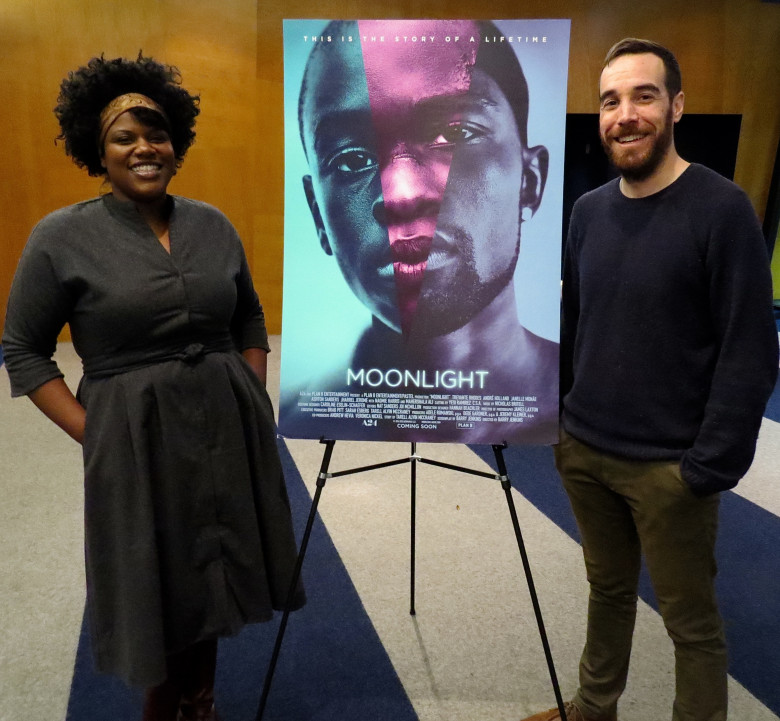
Nat Sanders and Joi McMillon for Moonlight: If Sanders and McMillon win, they’ll make history. Actually, they already have; McMillon is the first African American woman to be nominated as an editor. She’d obviously also be the first to win! Sanders and McMillon divided the job between the two of them, with Sanders primarily focused on the first two segments and McMillon working on the third. The third, of course, was the toughie, and McMillon had to convince writer-director Barry Jenkins to move substantial pieces around in order to maximize and earn emotional involvement. Once he was on board “we found a place for everything, it became organic.” “Barry’s really focused on what life feels like,” Sanders said, specifying cutaways of a hand sifting through sand, or Naomie Harris moving in slow motion through the yard. Sanders and McMillon tinkered with sound design, and chose abrupt cuts to black, but kept a respect for the elegant camera work. “When you get such beautiful footage, you have to treat it like another performance,” Sanders said. He also explains the particular challenge of working for college pal Jenkins: “maintaining Barry’s filmmaking voice, which was observational and ponderous, and always wanting to preserve that, but still needing to keep things moving.”
So does that make things clearer, or muddy the waters? And who’s your pick for Oscar?
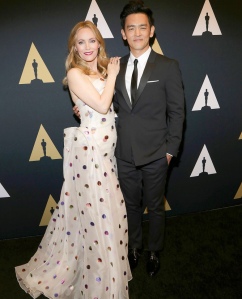
On Saturday, Leslie Mann & John Cho hosted the awards we don’t see (their 3 hour ceremony will be distilled into about 1 minutes of broadcast during the Oscars) – the Academy’s Scientific and Technical Awards. There are no nominees at these awards, just winners, people the Academy have chosen to honour for their contributions to film making (the Academy’s Board of Governors does the voting). These are often inventions and discoveries that make cameras better, or CGI more realistic.
“Simply put, the movies we love would not exist if not for your talent, your knowledge and your creativity,” academy President Cheryl Boone Isaacs said in her opening remarks. “There’s a reason it’s called the Academy of Arts and Sciences.”
Okay, I’ll bite: animatronic horse puppet, you say?
Mark Rappaport is credited with the concept, design and development. He runs a company called Creature Effects, Inc, that specializes in creating hyper-realistic make-up effects and animatronic animals for use in movies. Most movies will still use primarily real animals, but for certain scenes, animatronic replacements is just plain safer for both actor and animal. The trick is to make the “puppets” look real and move realistically.
Scott Oshita is credited for the motion analysis and CAD design; Jeff Cruts with the development of faux-hair finish techniques; and Todd Minobe for the puppet’s articulation and drive-train mechanisms.
The production crew of The Last Samurai needed an animatronic horse able to perform stunt sequences that would put a real horse and rider in danger, and goodness knows we can’t risk Tom Cruise’s pretty face.. Rappaport was commissioned to build a horse that could seamlessly replace Tom Cruise’s real horse for those scenes. Rappaport said “It’s probably the most sophisticated horse or animatronic creature ever made for film. It cost $1.5 million to make. It gallops in place. It reared up. It fell over. And it looks completely real.”
Those horses came in handy again for the 300 movie, and Rappaport was given a new challenge: a wolf to attack young Leonidas. This wolf was able to blink, movie its head, its neck, its brow, its jaw, and its tongue, it could even salivate and had glowing eyes!
Their animatronic horse has also been used in The Lone Ranger and The Revenant.
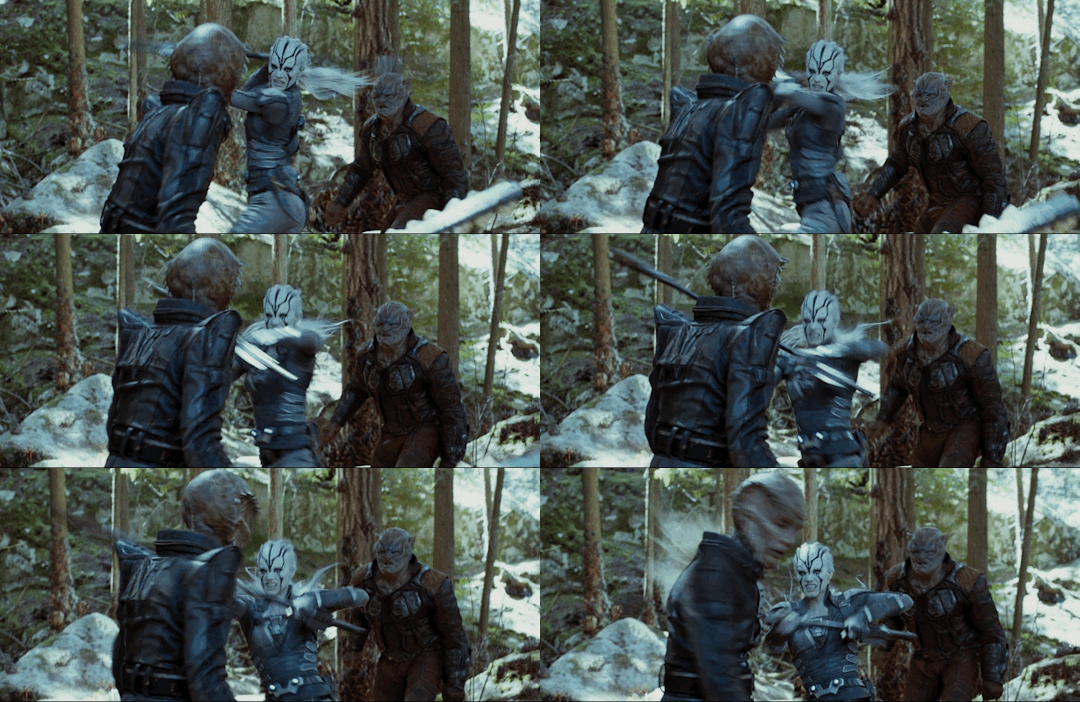
Fans of Community might have been delighted to see Danny Pudi in Star Trek Beyond; they may also be forgiven if they missed him. Pudi was playing an alien and was unrecognizable. The role was the fulfillment of a childhood dream, and just 3-4 hours in a makeup chair transformed him into a creature only a mother could love.
He learned fight choreography and studied the alien language alongside Kim Kold and Sofia Boutella. Despite the fact that sweat pooled under his prosthetics and his character gets beaten by Boutella, Pudi sounds ecstatic.
There are lots of famous Trekkies: Mila Kunis, Daniel Craig, Angelina Jolie and Ben Stiller are all confessed die- hards. Whoopi Goldberg of course. Tom Hanks was such a fan that he went snooping on the Paramount lot where he was shooting Bosom Buddies at the time – it just so happened that The Wrath of Khan was shot there also, and he seized the opportunity to board the Starship Enterprise. He sadly turned down a role in First Contact due to his first directing job, That Thing You Do! Eddie Murphy nearly snagged a role in The Voyage Home and is probably a little heartbroken that it was re-written. I totally avoided the show growing up, relegating The Next Generation to ‘Boring Dad Stuff’ and not giving it a second thought until JJ Abrams decided to make my life a little more complicated by rebooting the franchise and obligating all the men in my life to insist that I watch. I have. I’ve even had my own Star Trek transformation. But only recently did I experience a Star Trek fan film – a story that exists within the Star Trek framework\universe, lovingly created by talented film making fans.
Paul Laight, a gentleman kind enough to have been visiting us here for some time, just so happens to be a writer and producer on the film, and he and director Gary O’ Brien generously granted us answers to some of our most burning questions. But first, please watch the film, Chance Encounter.
This is a bit rude, but I was frankly surprised by how good it is. We are sent all kinds of movies to review, and lots of them are amateur jobs that make us cringe with their bad writing or terrible acting. This little piece, however, is well polished. It isn’t just made with good intentions, but with talent and professionalism. Thematically it’s an excellent fit for the Star Trek family, but the story could and would hold up without it.
Without further ado, an interview with the filmmakers.
ASSHOLES: What came first, did you decide to make a Star Trek movie, or did the story just seem like a natural fit in the ST universe?
PAUL: The latter. Myself and Gary have made some very dramatic war and horror short films, plus comedies, in the past as Fix Films so when he came to me with the idea of something more gentle and romantic I thought that would make a great change of pace and genre. Gary suggested a short involving an older man and a younger woman. Now, usually this idea can lend itself to something more sleazy but we did not want that. We wanted something emotional which would resonate rather than titillate. So, I had a think about it and eventually came up with the idea you kind of see in Chance Encounter. Originally it was set on a rooftop and it was just two people meeting and having an impact on each other’s lives despite only meeting briefly. Then Gary suggested we could make it as a Star Trek fan film and I agreed it would a fascinating project to attempt.
GARY: Yes exactly, once Paul introduced a Sci-fi element to one of his story outlines it suddenly opened up a new area to us that I could see was very much Star Trek shaped!
ASSHOLES: What level of fandom do you have to achieve before attempting fan fiction? Do you worry about upsetting other fans?
PAUL: I guess Gary may be able to answer this question better than me as he is a proper Star Trek fan. My feeling was that as a writer I wanted to do my utmost to tell a compelling story with intriguing characters which connects with everyone. I wrote the screenplay not just for Star Trek fans but for those who enjoy good stories. I was very confident no one would be upset by the story as the characters are intrinsically positive and at no time are we parodying Star Trek or the franchise in general. What was always great about Star Trek is that the characters and concepts were always compelling, so while open to satire, I was not interested in that. If someone is upset at Chance Encounter then they probably have anger issues.
GARY: I think you have to just tell your story first and then fit the expected “fan” elements in around it, which is how the staff writers across all the series approached things too I suspect. “Star Trek” evokes certain things that one might assume you have to include – aliens, transporters, warp drive, photon torpedoes, etc, all of which are absent from our film, and so maybe if there is a level of fandom you need to reach before writing fan fiction, it’s knowing the franchise well enough to strip out all the surface elements like those and yet still feel true to the source material.
ASSHOLES: What was it like making a film with so many visual effects on a limited budget?
PAUL: Gary is the tech genius and it is a testament to his years of training that he was able to produce such great results on a limited budget. Kudos to him.
GARY: Thanks mate! I think on such a low budget, part of getting the visual effects “right” is knowing when not to do them. It’s tempting to think that once you’ve got the computer and the software the sky’s the limit and so why not go crazy. But that’s not how the shows were made. Why green-screen and motion track stars outside the spaceship windows when we can do it just as effectively in-camera with a black fabric and bits of tin foil? Less is more was our philosophy!
ASSHOLES: What was the casting process like? Had you worked with any of the actors before?
PAUL: Having made over ten short films and various promos over the years our casting process is very organised now. We use online casting websites such as Shooting People and Casting Call Pro and have also built up an ensemble of actors we have used in the past. There are SO many talented people out there and when we post on the sites you will get a hell of a lot of responses. We then sieved the actors down to a shortlist and then we either meet in person (where the leads are concerned most definitely) or Skype first contact before meeting them. We had only worked with Phil Delancy before (Captain Janssen) so this was a whole new cast generally on this one.
GARY: Yes the casting went pretty smoothly and we feel blessed that we found such good people for all the roles. Everyone was very professional and did a great job – a pleasure to work with them all.
ASSHOLES: What are the challenges of making a short film rather than feature length?
PAUL: Well, I haven’t made a feature film but I have worked on them as crew and obviously everything is bigger on a feature; even a low budget one. Personally, though I think the amount of hard work you need to put in is commensurate for both. Most importantly in any production is you must have a good story and screenplay as your basis, then you can get talented people to commit to the project. Of course, a short film for me is a microcosmic feature but the biggest challenge is me and Gary pretty much did EVERYTHING from start to finish. I guess it would be difficult to do that on a feature, but maybe not impossible – as Robert Rodriguez has demonstrated.
GARY: My only experiences on features were as a tiny cog in a very large machine, but as director on numerous shorts you have to do everything. I guess film-making always boils down to being incredibly hard work though, just different kinds of work.
ASSHOLES:How do you run a successful crowdfunding campaign?
PAUL: Gary was the brains behind our campaign and I chipped in with a little clip. I think the most important thing is not ask for too much money! Be realistic and HAVE A GOOD STORY or IDEA you feel passionate about. We believed in our story and the angle of making a Star Trek fan film really helped us too. I mean, if you’re asking for $1,000,000 to make a film about paint drying you could struggle!
GARY: Exactly – we didn’t want to ask for any more money than we thought was needed. Also, it’s our first, and so far only campaign so I don’t know if our success was a fluke or not! We were just open, honest and did what we said we’d do – the rest is just left to fate I guess.
ASSHOLES: What feedback have you received from your backers?
PAUL: Amazing! One guy has even done a fan review on YouTube. All the feedback so far for Chance Encounter has been SO positive. People love the story and characters and effects, so nothing but good stuff so far. No nasty Star-Trek-Klingon-Trolling on YouTube comments either. Well, not YET!
GARY: Yes at this point people have been overwhelmingly positive about the film. With so much content out there we’re really flattered that people have even taken the time to watch it – that they like it too is just wonderful. Also, many of the comments say how true to Star Trek it felt, so that is a huge compliment in itself of course.
ASSHOLES: You’ve (Paul) described various roles as “caterer, florist, dead body” – what has surprised you most as a producer on a low budget indie?
PAUL: Oh yes, that was an attempt at humour on my part on my blog article. Basically, with Fix Films me and Gary have taken on various duties in the filmmaking process over the years and we love that aspect of it. But the most surprising thing is that film is ultimately a collaborative process and the amount of assistance and support we have had with our projects has been amazing. I’ve had friends and family and people I’ve never met before helping us on productions; and Chance Encounter is a case in point. Being a bit of a cynic I kind of thought that raising even £2000 for a Star Trek fan film would be tough but people came through for us and helped us make a wonderful story. I thank you all.
GARY: Yes, both the effort and money from so many people that made Chance Encounter happen was a thing to behold – we’re incredibly grateful.
ASSHOLES: Any plans to revisit these characters?
PAUL: I wouldn’t rule it out at all. It depends on writing a script that would work and of course getting finance on another production. But we spent a lot of time working on the characters, creating their back stories and biographies, so there is a great foundation with which to work from.
GARY: Well these characters were created for this specific story, so as Paul says – if they do return would depend on if they fit into a future story or not. I suspect that there is another Star Trek film lurking somewhere within us, with or without these characters – but at the end of the day it would have to depend on whether future fund raising efforts were successful or not. Watch this space!
If you need a refresher on all the fun stuff a costumer actually does, please check out last year’s post. If your memory’s a steel trap, then delve right into this year’s Academy Award nominees for costume design.
Joanna Johnston, for Allied: Johnston has a challenge in this film in that she has to somehow integrate glamour and the war. Marion Cotillard is a spy, and a wife, and a mother. She moves from cocktail parties with politicians to London’s air raids. But with such disparate films as Who Framed Roger Rabbit and Saving Private Ryan under her belt, you might say that Johnston was up to the task. We are first introduced to Cotillard in Allied as she’s wearing a purple dress ” I wanted her to look sexy and beautiful, but not in a “base sexy” way, so we put the sex [appeal] in the back because I knew we were going to see her first from the back. It’s a beautiful Italian fabric; very fine, very delicate silk with this silver shimmer through it, which picks up on the highlights on her.” Later, Cotillard is seen in a green evening gown “I wanted to do a classic column-style dress—very statuesque. I wanted the fabric to be quite liquid. When she’s on the move, she’s got this liquid quality to her, which silk satin does beautifully. Because it was nighttime, the light hit all those highlights [in the fabric]. Again, it’s this sort of old-fashioned quality, but it also had to be quite functional; she had to be able to run in it and do all those things. At one point she actually had a weapon underneath it, in the skirt, so there was a lot of stuff about that [laughs].” The costumes in Allied are indeed very beautiful, but that was something that sometimes felt disingenuous to me – like it didn’t quite fit into a movie set during wartime. The character does transition into more tweeds when she’s at home during the raids, but she’s always just a little too glamourous for my understanding of the time. Johnston has a long history of working with Allied director Robert Zemeckis and Steven Spielberg; she received her previous Oscar nomination for Lincoln.
Colleen Atwood, for Fantastic Beasts and Where To Find Them: Colleen Atwood is a name you may recognize even as a complete neophyte to costuming. A frequent collaborator of Tim Burton’s you can imagine that her costumes are often fanciful, colourful, and surreal, just what J.K. Rowling had ordered. She’s worked on Chicago, Memoirs of a Geisha, and Alice In Wonderland, for all of which she won Oscars. The secret to her success? “I’m controlling like that. I look at and approve every fitting, no matter who anybody is, and I am very controlling in how I want everything to look. It’s important: it matters, and you never know what you’re going to see. I learned a long time ago that you can’t control what happens with pieces you care about unless you’re there, so I’m there.” Fantastic Beasts takes place in 1920s NYC, in a universe where magic exists. “I love the fantasy stuff, I love that. That’s why I took on this movie. I like the challenge of it, and I like integrating fantasy into a period like this. You get to step out of it slightly and make something that’s a version of that time. Which is what movies have always done: in a way, they glamorise time.” How does she get her inspiration? “I reread a couple of [F Scott] Fitzgerald books, which are always fun to go back to because he’s very descriptive about the frenzy and the romance of the period. It has so much heart that it’s helped me, and this story has so much heart.” She tracked down period pieces from all over the world, hunting in all the best costume shops, but lots had to be made from scratch as there just aren’t a lot of period wizarding outfits to be had, no matter how hard one scours. Eddie Redmayne’s signature peacock blue overcoat is one-of-a-kind.
Consolata Boyle, for Florence Foster Jenkins: Boyle is director Stephen Frears’ go-to costumer; she was previously nominated for The Queen. Boyle did just as much research for this film, as it is once again a biopic with a real woman’s wardrobe for reference, and each piece was recreated from scratch. Meryl Streep wore padding to flesh out her character, and each costume had to be built around the padding. “The performance costumes had a very specific aesthetic. They were overblown and a lot of her clothes she would’ve made herself or her friends made, so there was an amateurish feeling about them. But then also the way she dressed in her daily life had that quality of being childish and over-decorative.” Boyle used a consistent colour palette of “naive pastels”to bring Florence to life, and to delineate different costumes for different aspects of her life, all of which were fairly theatrical. Stephen Frears is full of praise for her work: “I barely need to speak to her as I know what she’s doing is going to be dazzling. I’ve worked with her for 25 years, so I’m very lucky.” Florence made all sorts of garish costumes and it’s a complete delight to see them recreated on the big screen, along with her penchant for accessorizing within an inch of her life. “I worked incredibly closely with Meryl every step of the way, we had a lot of discussion early on about how she would express her inner emotions in her clothing. [Florence] was a supreme performer, so her clothes were gorgeously outrageous. They were high camp but with a softness so she drew people in. And she had no embarrassment about how she looked.”
Madeline Fontaine, for Jackie: Fontaine also had a lot of real-life references for her work in Jackie – we’re talking about style icon and former first lady Jacqueline Kennedy, after all. Natalie Portman gives a tour de force performance as Jackie and Fontaine makes sure she’s got the goods to back it up. Photos and footage of the first lady are so iconic that if even one brass button was out of place, people would notice. She worked with Chanel to get the famous pink suit down to perfection, even hand-dying the wool to achieve the perfect shade of pink (the actual dress is preserved in the National Archives and wasn’t available for consultation). Historical accuracy was important, but for filming purposes, so was duplication: “All the “original” pieces are handmade in our workshop. We needed to create more than one – we made five of the pink dress, for instance. Chanel supplied the buttons, the chain of the inside jacket, (“couture” detail for the weight of the jacket, and a signature…), and a label, in case the jacket would fall down [onto] the floor.” Since the film jumps between colour and black and white, the dresses sometimes had to be done in different shades so that our eye would not perceive a difference. Every piece in the film was true to Jackie herself “The elegance she showed in every situation, even while relaxing on holiday, proves this: she was never captured by surprise not looking perfect.”
Mary Zophres, for La La Land: Lots of people wondered how this particular nomination was snagged. Hadn’t Zophres just gone to the mall and bought some brightly coloured dresses, after all? It would be an unlikely win for sure – in the past 20 years, 17 have been period films, 2 were fantasy-based, and last year was post-apocalyptic Mad Max. It might be argued that Chazelle’s La La Land doesn’t exactly feel strictly contemporary. With so many references and throw-backs to old Hollywood musicals, La La Land exists in a stylistic world of its own. Mia and Seb wore classic, timeless looks, and Zophres embraced a fusion of styles. “In my mind, there’s a bit of an arc to Mia. It starts off grounded in reality and by the time you get to the epilogue, she’s wearing that fantasy white dress when they’re dancing in Paris. I put a lot of fabric and I wanted it to feel like air.” Zophres looked to old Hollywood for inspiration and was deeply rewarded. “The two models for Mia were Ingrid Bergman (a poster adorns her bedroom wall) and Judy Garland. I found a pink halter dress for one of the montages that’s similar to the one Ingrid Bergman wore for her Hollywood screen test. For the Planetarium peak, Damien and I both landed on green because we both loved the image of Judy Garland in ‘A Star is Born,’ where she wears almost like a jade green dress.”
When I watch the Oscars, I watch for 2 reasons: to see all the dresses, and to win money off my dearest friends. I often don’t agree with the choices, or even that awards should be given for art at all. At least half the time I think the host is a drag and the speeches are pretentious. But I’ll give respect where respect is due: it’s not easy to take home an Oscar. You can’t even earn an Oscar by acting, no matter how hard you try. No, an Oscar must be bought, and Oscars don’t come cheap.
Variety has estimated that an Academy Award will set you back somewhere in the vicinity of 3-10 MILLION DOLLARS. It’s not George Clooney who’s paying out of pocket, mind you. It’s the studios. An Academy Award will likely give their movie a push in the box office, or certainly in at-home rentals (Clint Eastwood’s Million Dollar Baby went from just $8.4 million pre-nomination, to gross over $90 million after its Best Picture win). It’ll put a fancy gold sticker on the DVD box in stores. And it’s a shiny piece of hardware not only for their office, but for any movie poster coming out of their studio for the next several years. Prestige!
If you’re anything like me, you may have cringed over some blatant Oscar name-dropping. Take Collateral Beauty for example (this is the first and last time it’ll be mentioned in the same sentence as Oscar this year, poor dud). The trailers likely introduced the stars as “Oscar winner Helen Mirren”, “Oscar winner Kate Winslet”, “Oscar nominee Edward Norton,” “Oscar nominee Will Smith,” “Oscar nominee Keira Knightly,” “Oscar nominee Naomie Harris,” and “plain old Michael Pena.” Well, okay, not so much the plain old, but you catch my drift. It’s always a little embarrassing when inevitably someone in the cast has been left out. Michael Pena might be a little put out with his ranking, but on a movie like this, the studio will do everything in its power to remind you that the cast is stellar (the story: well, that’s another question – hopefully we’ve blinded you with all the Oscar talk!).
Two rounds of ballots go out to Academy members. The first went out to secure nominations. Now everyone can vote on who will actually win. People are encouraged to only vote if they know enough about the category to make an informed choice (possibly the costumer knows little about visual effects), and are encouraged to see all of the nominees in order to judge accurately. But these Hollywood types are busy people! They can’t be hitting up the cinema like us regular folk! Solution: studios can send out free screeners so big important people can watch the contenders in the privacy of their own homes. It will cost the studio about $300 000 to do that (it’s a lot of free DVDs – and there’s always a chance of piracy) but that’s just a drop in the bucket when it comes to buying an Oscar.
Next you have your print and TV ads, billboards and all the rest of the ‘For Your Consideration’ items to be paid for: all kinds of crap with the movie’s name tarted out all over it. And then there’s the constant round of balls, parties and teas, plus the special screenings with the stars in attendance, and all the talk shows and private lunches and everything else that come with pressing the flesh and hoarding votes. An Oscar campaign is like a political campaign. You have to be bold and ruthless. You have to want it, and you have to tell everyone you’re running. But you also have to pretend not to want it too much, while basically begging for every vote you can get.
If you’re really serious about toppling over, say, Natalie Portman, you may even hire an Oscar consultant. Yup, that’s a real job, and it’s their heavily-paid job to predict what voters are thinking, and try to swing it in your favour. Meanwhile, you’re going to rack up ridiculous airmiles, wear millions of dollars in outfits and jewels (about half a mil per event), and talk about the same damn movie over and over at press junkets for a good 9-10 months. You can make a human baby in less time!
Since we’re in the nitty gritty of Oscar voting now, there are some rules as to what the studio can do officially, so they’ve invented ways around, of course. The Santa Barbara film festival exists only to give fake awards to actors and industry in order to remind Academy voters who they are (this year, Barry Jenkins, Damien Chazelle, Denis Villeneuve, and Kenneth Lonergan ALL received Outstanding Director – suspicious much?).
If that made Damien Chazelle nervous then he could always start a whisper campaign about how Kenneth Lonergan needs to coat himself in pickle brine in order to fall asleep. That sounds like I’m joking and indeed I’ve never heard anything about Lonergan and any kind of pickle, but Harvey Weinstein is famous for being – er – quite competitive, stopping at nothing, including the nasty rumour mill, and lavishing expensive gifts on Academy members just out of the “goodness” of his heart, no strings attached (except vote for my movie or I’ll blackball you forever).
This year there is arguably a three way frontrunner for best picture: La La Land, Manchester By The Sea, and Moonlight. So all three will ramp up spending in order to compete.Manchester was made by Amazon, who has deep pockets and is looking to establish itself as a powerhouse. Moonlight on the other hand was an indie film, with a budget of just 5 million. This is where the personal touch comes in: it’s not enough to take out print ads (what are those?) – studios are making sure that the stars are available for selfies with each and every voter. Brie Larson, who took home best actress last year for Room said that her worst Oscar fear was “getting pinkeye” – she shook a LOT of hands, and god knows where they’ve been!
Harvey Weinstein is pretty much responsible for the modern, despicable Oscar campaign. He pours lots of money into wins, and he gets results: over 300 Academy Award nominations to date. 1990’s My Left Foot was Harvey’s first big campaign and he went hard: he had Daniel Day-Lewis testify to the Senate for the Disability Act; he chased people on holiday; he even set up screenings at the Motion Picture Retirement Home. He spent a record setting amount securing a Shakespeare in Love upset over Saving Private Ryan, and insisted the British crew move to Hollywood for the duration of award season. In 2002 he mounted a smear campaign against A Beautiful Mind, accusing the film of editing out the biography’s mention of homosexuality, and later pointed to “Jew-bashing passages” from the book. To take advantage of a loophole, he rereleased City of God 3 times to eventually secure it some nominations; it was first eligible in 2002 but received nothing, so Harvey kept it in theatres for 54 long weeks. He targeted Jewish voters for nominations for The Reader by screening at Jewish cultural events and seeking endorsements form the Anti-Defamation League and from Holocaust survivor Elie Wiesel. While campaigning for Inglorious Basterds, he engaged a whisper campaign against The Hurt Locker, hiring soldiers to come forward and call out the film’s lack of realism. When The King’s Speech went up against The Social Network, he had Jennifer Lopez and Mick Jagger host star-filled events. With The Artist, he reached out to Charlie Chaplin’s granddaughters. In 2013 he went so far as to hire Obama’s campaign manager to bolster The Silver Linings Playbook.
Harvey’s not quite a pioneer though. The first real campaign reaches back to 1945 when Joan Crawford hired a press agent to get her a win for Mildred Pierce. He kept her name in the news and planted items in the gossip columns. Still, she was too nervous to attend the ceremony, fearing a loss. Her agent, however, dispatched hair and makeup to her home while he covered for her: a fever of 104 degrees, I believe he said. She won, and when press raced to her house, she was sitting up in bed, full hair and makeup, sexy negligee, and an Oscar cradled in her arms. Success!
Nowadays you have to have swag. When The Descendants was up for an Oscar, it sent out personalized ukuleles to members. More perplexingly, the team behind Lincoln sent out turkey roasting pans. Universal sent out iPod shuffles that just happened to be pre-loaded with music form Les Miserables. Disney sent out toy bows and arrows for Brave. None of this is exactly legal, but studios are willing to bend the rules to secure wins, and why on earth would the gift recipient ever complain? So yeah, the Oscars are a complete sham – or worse: they’re a 4-hour movie commercial.
Fans were shocked when Jared Leto’s Joker had only about 7 minutes of screen time out of Suicide Squad‘s bloated 123, but Hollywood has a long history of assigning big names to small roles – and it’s not always a bad thing.
Okay, sometimes it’s a bad thing. Brad Pitt was in 12 Years a Slave for only a couple of minutes, just long enough to establish himself as the only nice white guy, but some countries (not naming any names, Italy) really ran with the white guy and blew his big white face up on the posters, relegating the star (and the slave), Chiwetel Ejiofor, to a small corner.
Anne Hathaway shaved her head and followed a life-threatening diet in order to play the part of Fantine in Les Miserables. She had only 15 minutes of screen time, but it was enough to win her an Oscar and shape her career.
Know who did more with even less? Darth Vader. He appeared in the original Star Wars for just about 12 minutes, but he was an instant bad guy icon. His presence is so magnetizing he truly doesn’t need much. What’s a little more head-scratching to me is Boba Fett. I still don’t even know who he is, or if that’s the correct pronoun for this person. And yet I hear about him ALL THE TIME. He’s in the top 5 favourite characters despite being a glorified extra; he manages about 18 minutes across the entire trilogy mind you, and only got that much when fans seemed to really respond. Mark Hamill got second billing in Star Wars: The Force Awakens because Hollywood is a sexist machine. He’s in that movie for about 6 seconds – sneeze and you miss him.
Beetlejuice is one of Michael Keaton’s most famous roles, and he plays the title character, but he only gets roughly 17 minutes worth of screen time, all told. How crazy is that? But it’s true: he doesn’t appear til quite late in the movie, but boy does he maximize every crazy moment he’s there.
Judi Dench will see your 17 minutes, Michael Keaton, and she’ll raise you: she won a best supporting actress Oscar for only 8 minutes of a role. She played Queen Elizabeth I in Shakespeare in Love and clearly made quite an impression from her modest 6% of the film. Accepting the award, she joked “I feel for eight minutes on the screen, I should only get a little bit of him.” I’m sure that was some consolation to the likes of Lynn Redgrave and Kathy Bates, who lost to her.
Anthony Hopkins only managed to double that screen time when he took on his (arguably) most famous role: Hannibal Lecter in Silence of the Lambs. In just 16 minutes he managed to creep out an entire generation, and caused chianti sales to plummet. Sean Connery was originally approached for the role and turned it out down, which means he lost out on an iconic role, an Oscar, a big day, and sequel opportunities.
There was a lot about the movie Doubt that got under my skin, but Viola Davis’s 5-8 minutes were consistently under there. She plays the mother of a young boy who may or may not have been molested by a priest. She goes toe to toe with Meryl Streep and doesn’t just hold her own – she steals the scene, earning a supporting actress nomination to boot.
5-8 minutes? Bah! Ned Beatty earned his best supporting actor nomination in under 6. He had one riveting scene in Network, which he shot in a single day, but it sure had us glued to our seats.
Beatrice Straight shaves about 13 seconds off Beatty’s time with her Oscar win for her work in the same movie. As William Holden’s poor, wretched wife in Network, Straight made quite an impact, stealing away the record for least screen time for an Oscar win from Gloria Grahame, who took a leisurely 9 and a half minutes to earn hers for The Band and the Beautiful.
It seems as thought it might be difficult for anyone to earn an Oscar with a sub – 5 minute role, but who knows: has anyone actually racked up Michelle Williams’ screen time in Manchester By the Sea? It’s not a whole lot more, I’m guessing. But the truth is, someone came close: Hermione Baddeley was nominated for best supporting actress for just 2 minutes and 20 seconds worth of screen time in Room at the Top, in 1960. The bar’s been set: who will be the first to duck under it successfully?
.
What’s your favourite tiny role? Matthew McConaughey in The Wolf of Wall Street? Tom Cruise in Tropic Thunder? Daniel Craig in The Force Awakens?
For some reason, the Oscar nominations were not presented in front of a live audience this morning. Pre-taped bits with past Oscar winners like Jennifer Hudson (best supporting actress, 2010 for Dreamgirls) and Brie Larson (best actress 2016, for Room) preceded an automated list announcing the Oscar nominations for 2016’s best movies, interrupted with a commercial for itself. The Academy Awards will take place February 26th, hosted by Jimmy Kimmel. I just realized that I won’t be in the room to win my Oscar pool this year – Sean and I will be in Philadelphia, perhaps not even watching the ceremony!
An accounting firm called PricewaterhouseCoopers has taken care of the Academy balloting process for over 80 years. They send out the nomination forms in December and tabulating them in January takes about 1700 hours. There are over 6000 voting members of the Academy, and they’re all industry professionals. Each branch has different rules as to who can become a member – visual effects supervisors have to be active for a certain number of years, while an
actor must have a credited role in at least 3 films, and a writer should have at least 2 credits, and all must have “achieved distinction” in the motion picture arts and sciences. The tricky part is that you can only be a member of one branch, so someone like Ben Affleck has to decide whether he wants to be there as an actor, a director, or a writer. Each category votes only for itself – on editors can decide who will be nominated for best editing, and only actors vote for best actors nominees. Everyone can vote for best picture, however.
For a film to be considered, it has to meet some basic requirements: it must be over 40 minutes, it must have had at least a 7-straight-day run at a paid-admission L.A. theatre, and it can’t have debuted on television or the internet.
When an Academy member receives a ballot, they get to list their 5 nominee choices in order of preference, and are encouraged to “follow their heart”. The ballots are counted by hand, and the accounting firm looks for the “magic number” – the number of mentions it takes to turn a name into a nomination. The formula they use is: total # of ballots, divided by total possible nominees plus 1. So for Best Director, say you have 600 ballots, and you get to have 5 nominees (plus 1 = 6), that’s 600 divided by 6, or 100 ballots to become a nominee.
The counting starts based on a voter’s first choice until someone reaches the magic number. Once Damian Chazelle (for example), reaches the magic number, all the ballots that had him as first choice will be set aside. The director with the fewest first-place votes is automatically knocked out, and those ballots are redistributed based on the voters’ second choice (the directors still in the running keep their calculated votes from the first round). Once the nominees are announced today, the accounting firm will now send out new ballots and everyone can vote in all categories for the actual awards, although people are discouraged from voting for categories that they don’t understand.
There was a time when “committed” actors swore by method acting for really nailing roles, really living in the skin of the characters they portrayed. It’s a technique wherein the actor aims for total emotional identification with the part, and once they’re in the zone, they don’t leave it. They don’t break character when the director yells cut. If the character is angry and volatile, the actor will be angry and volatile for the whole 4 months. If the character is needy and vulnerable, then so will be the actor. You can understand why it’s difficult to work with such an actor – it must feel like working with a toddler, one who doesn’t take naps and won’t be sent to time out.
Lots of actors have taking method acting so far it makes my eyes roll around in their sockets but it was Jared Leto’s method approach to the Joker in Suicide Squad that led Angelica Jade Bastien of The Atlantic to declare “Method acting is over.” Thanks to its overuse in Oscar-baity screeners by those actively seeking accolades, the method has lost its appeal, but Leto’s over-the-top zeal revealed the “technique” as more marketing tool than anything else and the prestige is all but gone. Jared Leto sent his fellow costars screwy gifts of used condoms, dead pigs, and live rats, apparently because he felt that’s the kind of thoughtful gesture the Joker would make, or at least that it would play well as an anecdote on Jimmy Kimmell. He also watched footage of brutal crimes online because apparently pretending to be a bad person isn’t enough, one must actually become reprehensible.
Going “method” is really just a new way for an actor to show off; it makes the creation of a character more visible and signals to the Academy “I’d like my Oscar now.” This identity branding is indulged by Hollywood but often divisive if not downright disruptive on set.
Practiced by Hollywood heavyweights like Paul Newman, Montgomery Clift, Dustin Hoffman, and Jack Nicholson, method acting was revolutionary in its time, and idealized in the performances of Marlon Brando. James Franco recently wrote that “Brando’s performances revolutionized American acting precisely because he didn’t seem to be ‘performing,’ in the sense that he wasn’t putting something on as much as he was being.” But Brando never took it to the extremes that we see today.
Leonardo DiCaprio has used method acting to rebrand himself as a “serious actor” after being mistaken for a hearthrob in his early career. His recent Oscar campaign for The Revenant emphasized the grueling ordeal he went through, including eating bison liver (despite being vegetarian), risking hypothermia by striding into freezing rivers, and sleeping in an animal carcass. But doesn’t this sound more like an episode of Fear Factor? Isn’t acting really about pretending? The Revenant isn’t a documentary about frontiersmen. I’m sure it would have played just as well had he shot the scene in a lukewarm stream instead. CGI in some breath clouds and it’s all the same to me.
Christian Bale seems to be a practitioner of the method in order to add machismo to his work. “I have a very sissy job, where I go to work and get my hair done, and people do my makeup, and I go and say lines and people spoil me rotten. This is just not something to be quite as proud of as many people would have you believe.” So Bale counters this by really losing himself in a role. For The Machinist, he lost 70lbs and got down to a very unhealthy 120 (on a 6′ frame), and then turned around and gained 100lbs to play Batman just 4 months later.He went on to stay in Bruce Wayne’s American accent not just for the duration of the filming, but for all the press as well.
Shia LaBeouf went 4 months without washing on the set of Fury, where he played a soldier in the trenches (this got him banished to a bed and breakfast far away from the hotel where the other cast and crew stayed). He also cut his own face with a knife, and pulled his own tooth. His co-star, Brad Pitt, non-Method, injects roles with his natural charisma rather than stunts and overly-studied contrivances. Whose performances do you prefer?
Daniel Day-Lewis may be the most over-the-top Method actor of his time. While filming My Left Foot, he refused to get out of his wheelchair, forcing crew to carry him around, and spoon-feed him dinner. He lived in the wild while shooting Last of the Mohicans, and ate only what he shot himself. He insisted that everyone address him as “Mr President” on the set of Lincoln, and forbade people from speaking to him unless it was in language (and accents) from the time period. He refused a winter coat on the set of Gangs of New York, and when he inevitably caught pneumonia, he refused “modern day” medical treatment.
DeNiro got a real cab license while filming Taxi Driver, and picked up fares around NYC between takes. Pacino made an actual citizen’s arrest while filming Serpico. Adrien Brody starved himself and sold his apartment to feel “lost” while playing a Holocaust survivor in The Pianist. If you’re getting the feeling that this so-called Method is about ego more than art, you’re not alone. And I wonder if you’re seeing the other pattern here…that all the names on this list are men.
There are plenty of Method actresses as well: Marilyn Monroe, Ellyn Burstyne, and Jane Fonda all studied the technique. They just never adopted the crazy stunts. Gena Rowlands is probably the best Method actor you’ll ever come across, but she does it without resorting to tricks. Sadly, when we hear a woman is “immersed” in a role, it almost always means she’s altered her physical appearance. So it’s pretty obvious that not only is method acting obnoxious and ridiculous, it’s also pretty sexist. But what else is new?
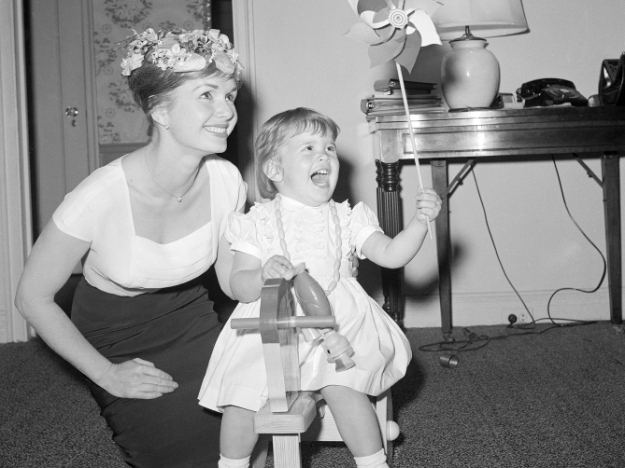
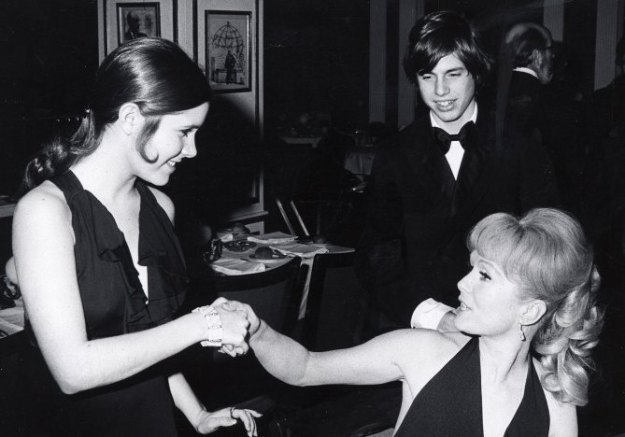
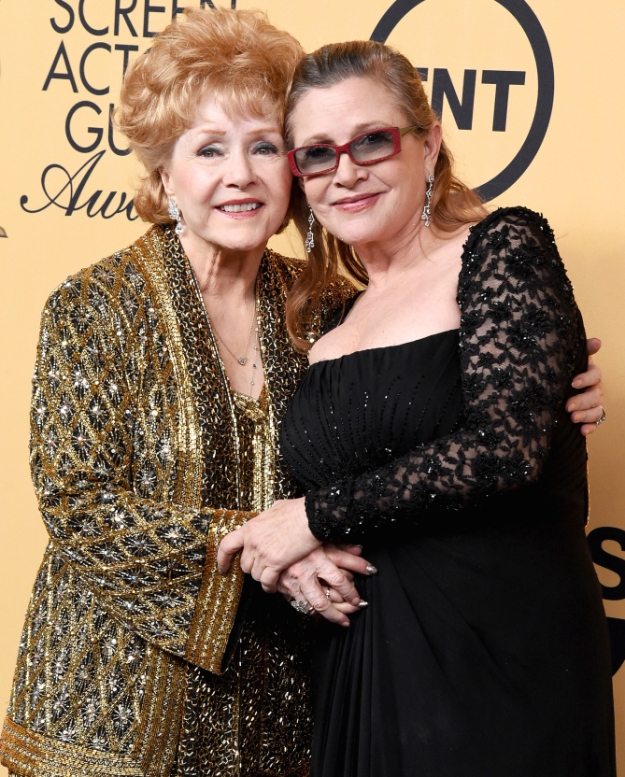
Just one day after the death of her daughter, Carrie Fisher, Debbie Reynolds succumbed as well. It sounds like the official cause of death will read stroke, but the truth is likely closer to a broken heart.
I knew Debbie Reynolds before I knew her daughter. Fisher gained stardom in a galaxy far, far away from the household I grew up in, but my love for Singin In The Rain is nearly timeless. She was just 19 when she saw the soaring success of that movie, but she followed it up with many other notable roles, including in movies such as Bundle of Joy, The Catered Affair, How The West Was Won, The Unsinkable Molly Brown, Mother, and In & Out. She was also on Broadway, in cabaret, and reached a whole new generation through her work on television (Will & Grace, Halloweentown).
Debbie and Carrie infamously had a rocky relationship, some of which was portrayed in Carrie Fisher’s book\script Postcards From The Edge. Needing to find her own identity, Fisher sought distance from her famous mother’s shadow and the two were estranged for a decade, while Fisher dealt with addictions and mental illness.
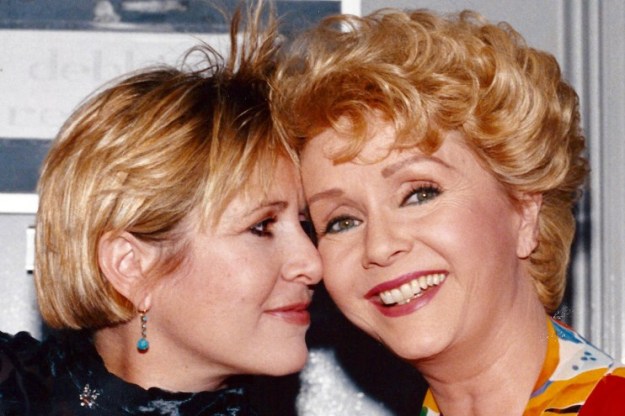
The pair have since reconciled, and were never more closely bonded than they were before their deaths. During a sitdown with Oprah a few years ago, Reynolds said: “I would say that Carrie and I have finally found happiness. I admire her strength and survival. I admire that she is alive, that she has chosen to make it. It would have been easy to give up and give in and to keep doing drugs. I always feel, as a mother does, that I protect her. I want happiness for my daughter — I want Carrie to be happy.”
Carrie responded: “What I say about being happy is that I am ‘also happy.’ I’m happy among other things. Happy is one of the many feelings or experiences that I will have throughout a day. I think happy has been sort of made into this Hallmark card of a word, and I don’t know what that means. So I will just say that I enjoy my life, I make choices, I do what I want to do. I am a strong person, I’m not afraid of almost anything, and that’s a lot because of your example.”
We weren’t ready to lose either one of them, but wherever they are, at least they’re together.

 The “official” Oscars after-party happens at the Governors Ball, with a menu created by Wolfgang Puck. His Oscar staples include black truffle chicken pot pie, his famous baked mac and cheese, and smoked salmon served on an Oscar-shaped cracker.
 lollipops, and chocolate bonbons in classic “movie theatre flavours” such as Sour Patch Kids, Red Hots, and Goobers.
 a week’s stay at the Golden Door, a resort spa with an art collection, in-room massages, meditation pathways, citrus trees, and a “pain empowerment” “experience” that makes me want to punch someone in the teeth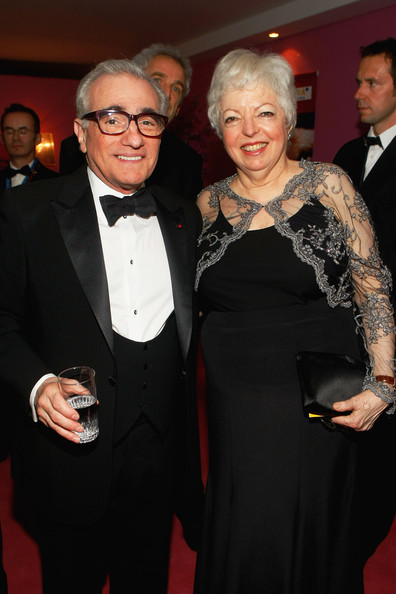
 On Saturday, Leslie Mann & John Cho hosted the awards we don’t see (their 3 hour ceremony will be distilled into about 1 minutes of broadcast during the Oscars) – the Academy’s Scientific and Technical Awards. There are no nominees at these awards, just winners, people the Academy have chosen to honour for their contributions to film making (the Academy’s Board of Governors does the voting). These are often inventions and discoveries that make cameras better, or CGI more realistic.

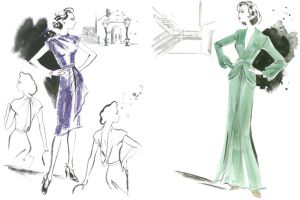 mother. She moves from cocktail parties with politicians to London’s air raids. But with such disparate films as Who Framed Roger Rabbit and Saving Private Ryan under her belt, you might say that Johnston was up to the task. We are first introduced to Cotillard in Allied as she’s wearing a purple dress ” I wanted her to look sexy and beautiful, but not in a “base sexy” way, so we put the sex [appeal] in the back because I knew we were going to see her first from the back. It’s a beautiful Italian fabric; very fine, very delicate silk with this silver shimmer through it, which picks up on the highlights on her.” Later, Cotillard is seen in a green evening gown “I wanted to do a classic column-style dress—very statuesque. I wanted the fabric to be quite liquid. When she’s on the move, she’s got this liquid quality to her,
 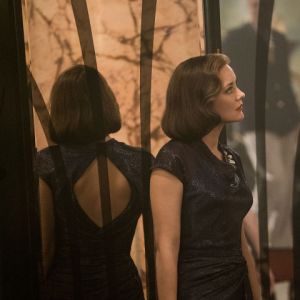 which silk satin does beautifully. Because it was nighttime, the light hit all those highlights [in the fabric]. Again, it’s this sort of old-fashioned quality, but it also had to be quite functional; she had to be able to run in it and do all those things. At one point she actually had a weapon underneath it, in the skirt, so there was a lot of stuff about that [laughs].” The costumes in Allied are indeed very beautiful, but that was something that sometimes felt disingenuous to me – like it didn’t quite fit into a movie set during wartime. The character does transition into more tweeds when she’s at home during the raids, but she’s always just a little too glamourous for my understanding of the time. Johnston has a long history of working with Allied director Robert Zemeckis and Steven Spielberg; she received her previous Oscar nomination for Lincoln.
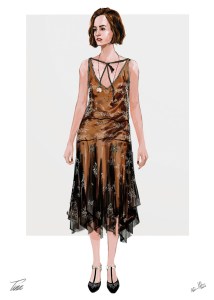 surreal, just what J.K. Rowling had ordered. She’s worked on Chicago, Memoirs of a Geisha, and Alice In Wonderland, for all of which she won Oscars. The secret to her success? “I’m controlling like that. I look at and approve every fitting, no matter who anybody is, and I am very controlling in how I want everything to look. It’s important: it matters, and you never know what you’re going to see. I learned a long time ago that you can’t control what happens with pieces you care about unless you’re there, so I’m there.” Fantastic Beasts takes place in 1920s NYC, in a universe where magic exists. “I love the fantasy stuff, I love that. That’s why I took on this movie. I like the challenge of it, and I like integrating fantasy into a period like this. You get to step out of it slightly and make something that’s a version of that time. Which is what movies have always done: in a way, they glamorise time.” How does she get her inspiration? “I reread a couple of [F Scott] Fitzgerald books,
 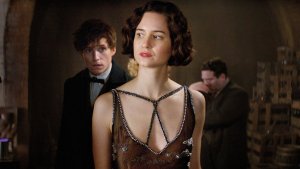 which are always fun to go back to because he’s very descriptive about the frenzy and the romance of the period. It has so much heart that it’s helped me, and this story has so much heart.” She tracked down period pieces from all over the world, hunting in all the best costume shops, but lots had to be made from scratch as there just aren’t a lot of period wizarding outfits to be had, no matter how hard one scours. Eddie Redmayne’s signature peacock blue overcoat is one-of-a-kind.
 character, and each costume had to be built around the padding. “The performance costumes had a very specific aesthetic. They were overblown and a lot of her clothes she would’ve made herself or her friends made, so there was an amateurish feeling about them. But then also the way she dressed in her daily life had that quality of being childish and over-decorative.” Boyle used a consistent colour palette of “naive pastels”to bring Florence to life, and to delineate different costumes for different aspects of her life, all of which were fairly theatrical. Stephen Frears is full of praise for her work: “I barely need to speak to her as I know what she’s doing is going to be dazzling. I’ve worked with her for 25 years, so I’m very lucky.” Florence made all sorts of garish costumes and it’s a complete delight to see them recreated
  on the big screen, along with her penchant for accessorizing within an inch of her life. “I worked incredibly closely with Meryl every step of the way, we had a lot of discussion early on about how she would express her inner emotions in her clothing. [Florence] was a supreme performer, so her clothes were gorgeously outrageous. They were high camp but with a softness so she drew people in. And she had no embarrassment about how she looked.”
 got the goods to back it up. Photos and footage of the first lady are so iconic that if even one brass button was out of place, people would notice. She worked with Chanel to get the famous pink suit down to perfection, even hand-dying the wool to achieve the perfect shade of pink (the actual dress is preserved in the National Archives and wasn’t available for consultation). Historical accuracy was important, but for filming purposes, so was duplication: “All the “original” pieces are handmade in our workshop. We needed to create more than one – we made five of the
  pink dress, for instance. Chanel supplied the buttons, the chain of the inside jacket, (“couture” detail for the weight of the jacket, and a signature…), and a label, in case the jacket would fall down [onto] the floor.” Since the film jumps between colour and black and white, the dresses sometimes had to be done in different shades so that our eye would not perceive a difference. Every piece in the film was true to Jackie herself “The elegance she showed in every situation, even while relaxing on holiday, proves this: she was never captured by surprise not looking perfect.”
 dresses, after all? It would be an unlikely win for sure – in the past 20 years, 17 have been period films, 2 were fantasy-based, and last year was post-apocalyptic Mad Max. It might be argued that Chazelle’s La La Land doesn’t exactly feel strictly contemporary. With so many references and throw-backs to old Hollywood musicals, La La Land exists in a stylistic world of its own. Mia and Seb wore classic, timeless looks, and Zophres embraced a fusion of styles. “In my mind, there’s a bit of an arc to Mia. It starts off grounded in reality and by the time you get to the epilogue, she’s wearing that fantasy
  white dress when they’re dancing in Paris. I put a lot of fabric and I wanted it to feel like air.” Zophres looked to old Hollywood for inspiration and was deeply rewarded. “The two models for Mia were Ingrid Bergman (a poster adorns her bedroom wall) and Judy Garland. I found a pink halter dress for one of the montages that’s similar to the one Ingrid Bergman wore for her Hollywood screen test. For the Planetarium peak, Damien and I both landed on green because we both loved the image of Judy Garland in ‘A Star is Born,’ where she wears almost like a jade green dress.”
 certainly in at-home rentals (Clint Eastwood’s Million Dollar Baby went from just $8.4 million pre-nomination, to gross over $90 million after its Best Picture win). It’ll put a fancy gold sticker on the DVD box in stores. And it’s a shiny piece of hardware not only for their office, but for any movie poster coming out of their studio for the next several years. Prestige!
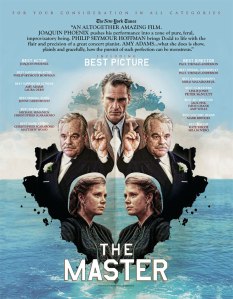 nominees in order to judge accurately. But these Hollywood types are busy people! They can’t be hitting up the cinema like us regular folk! Solution: studios can send out free screeners so big important people can watch the contenders in the privacy of their own homes. It will cost the studio about $300 000 to do that (it’s a lot of free DVDs – and there’s always a chance of piracy) but that’s just a drop in the bucket when it comes to buying an Oscar.
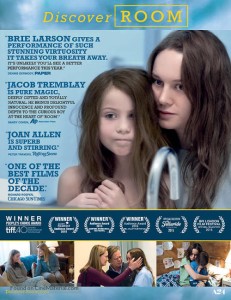 That sounds like I’m joking and indeed I’ve never heard anything about Lonergan and any kind of pickle, but Harvey Weinstein is famous for being – er – quite competitive, stopping at nothing, including the nasty rumour mill, and lavishing expensive gifts on Academy members just out of the “goodness” of his heart, no strings attached (except vote for my movie or I’ll blackball you forever).
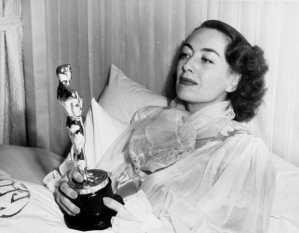 Joan Crawford hired a press agent to get her a win for Mildred Pierce. He kept her name in the news and planted items in the gossip columns. Still, she was too nervous to attend the ceremony, fearing a loss. Her agent, however, dispatched hair and makeup to her home while he covered for her: a fever of 104 degrees, I believe he said. She won, and when press raced to her house, she was sitting up in bed, full hair and makeup, sexy negligee, and an Oscar cradled in her arms. Success!
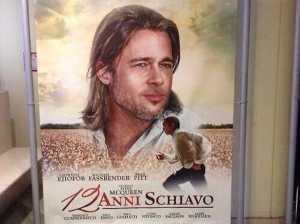 Okay, sometimes it’s a bad thing. Brad Pitt was in
  extra; he manages about 18 minutes across the entire trilogy mind you, and only got that much when fans seemed to really respond. Mark Hamill got second billing in Star Wars:
 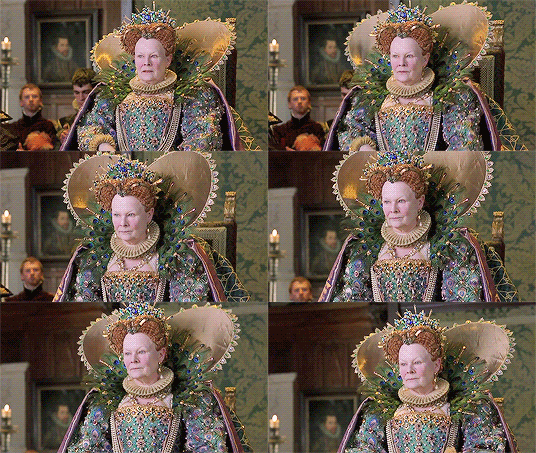 Judi Dench will see your 17 minutes, Michael Keaton, and she’ll raise you: she won a best supporting actress Oscar for only 8 minutes of a role. She played Queen Elizabeth I in Shakespeare in Love and clearly made quite an impression from her modest 6% of the film. Accepting the award, she joked “I feel for eight minutes on the screen, I should only get a little bit of him.” I’m sure that was some consolation to the likes of Lynn Redgrave and Kathy Bates, who lost to her.
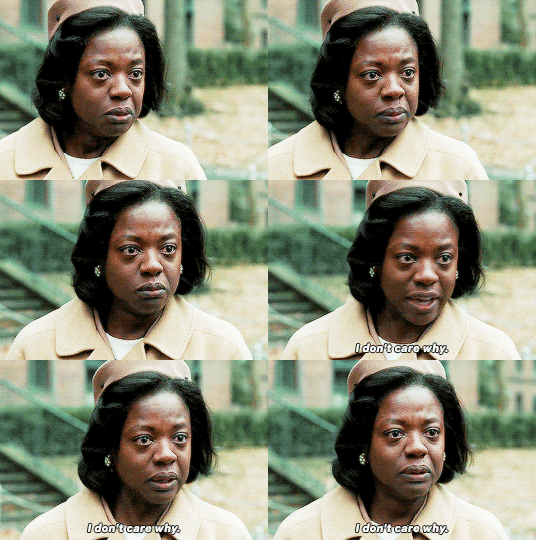 minutes were consistently under there. She plays the mother of a young boy who may or may not have been molested by a priest. She goes toe to toe with Meryl Streep and doesn’t just hold her own – she steals the scene, earning a supporting actress nomination to boot.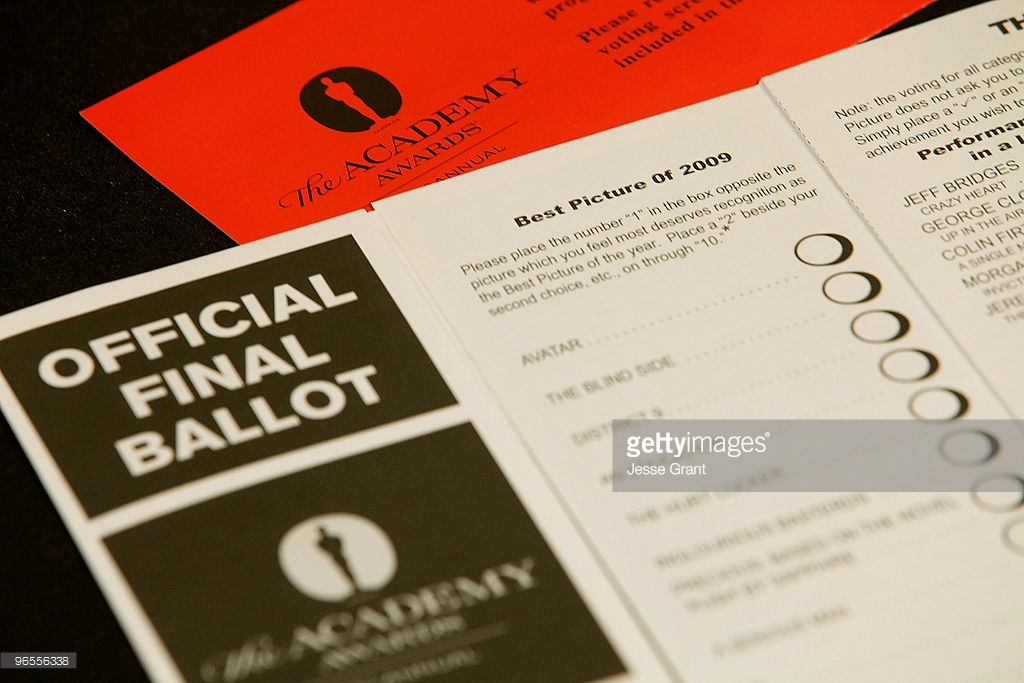
 Angelica Jade Bastien of The Atlantic to declare “Method acting is over.” Thanks to its overuse in Oscar-baity screeners by those actively seeking accolades, the method has lost its appeal, but Leto’s over-the-top zeal revealed the “technique” as more marketing tool than anything else and the prestige is all but gone. Jared Leto sent his fellow costars screwy gifts of used condoms, dead pigs, and live rats, apparently because he felt that’s the kind of thoughtful gesture the Joker would make, or at least that it would play well as an anecdote on Jimmy Kimmell. He also watched footage of brutal crimes online because apparently pretending to be a bad person isn’t enough, one must actually become reprehensible.
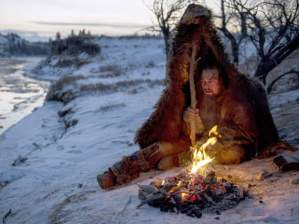 Revenant
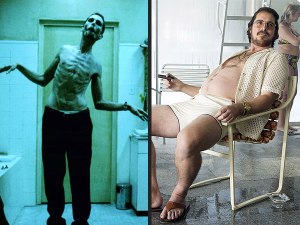 work. “I have a very sissy job, where I go to work and get my hair done, and people do my makeup, and I go and say lines and people spoil me rotten. This is just not something to be quite as proud of as many people would have you believe.” So Bale counters this by really losing himself in a role. For The Machinist, he lost 70lbs and got down to a very unhealthy 120 (on a 6′ frame), and then turned around and gained 100lbs to play Batman just 4 months later.He went on to stay in Bruce Wayne’s American accent not just for the duration of the filming, but for all the press as well.
 between takes. Pacino made an actual citizen’s arrest while filming Serpico. Adrien Brody starved himself and sold his apartment to feel “lost” while playing a Holocaust survivor in The Pianist. If you’re getting the feeling that this so-called Method is about ego more than art, you’re not alone. And I wonder if you’re seeing the other pattern here…that all the names on this list are men.
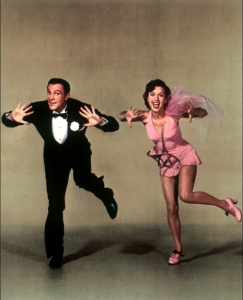 far away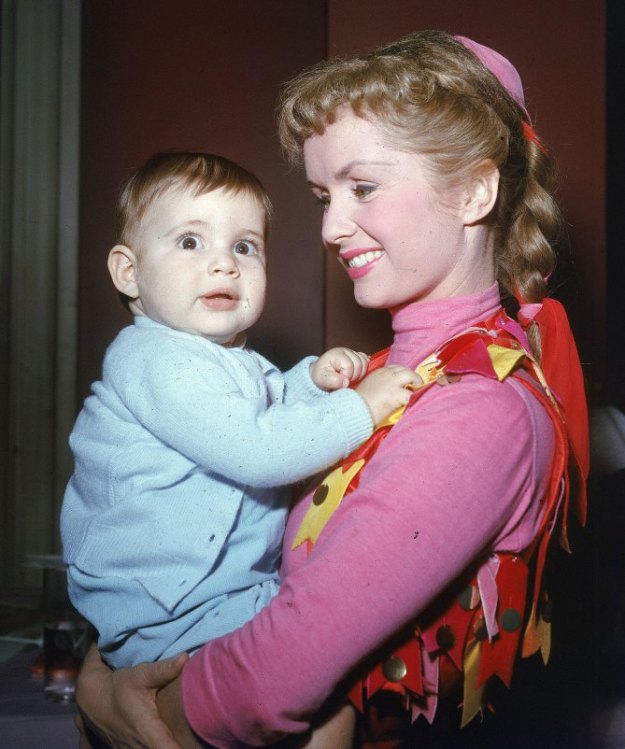
 ASSHOLES WATCHING MOVIES